How Increasing Hybrid Work Culture Changed Audio Needs For Professionals
Hybrid work has transformed how professionals communicate today. Explore why clearer calls, seamless device switching and reliable audio have become essential in today's flexible workplace.

Audio devices now adapt to every workspace in hybrid work setups
When hybrid work was introduced, it was supposed to give professionals more flexibility. In many ways, it did. Employees gained greater control over where they worked and how they structured their days. However, the shift also brought an unexpected side effect: communication became significantly more complicated.
A decade ago, most workplace conversations happened in the same building. Today, a single meeting may include participants joining from conference rooms, home offices, coworking spaces, and smartphones. As teams became more distributed, the quality of communication tools started to matter far more than before.
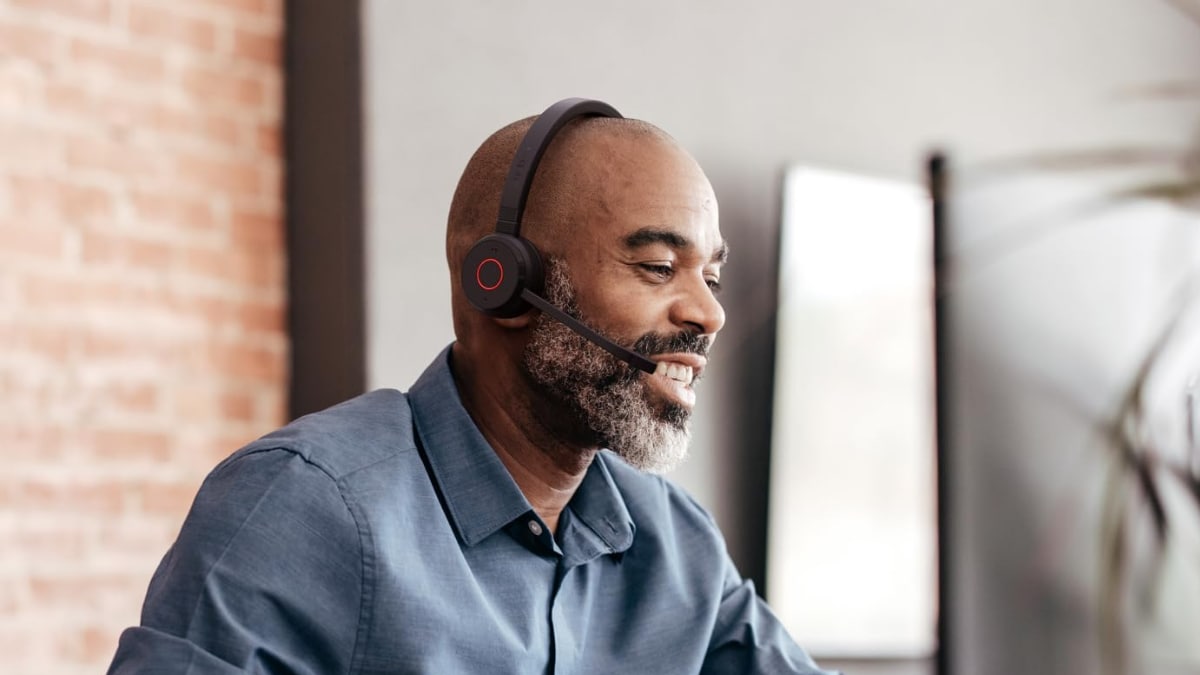
Audio devices now adapt to every workspace in hybrid work setups; Photo Credit: Jabra
Getting work done is no longer just about having a laptop with the latest technology and a smooth internet connection. It is also about how clearly professionals can communicate across different locations, devices, and environments. This is precisely why professionals are now thinking more about workplace audio.
Meetings Became The New Workplace
For many professionals, the modern workday revolves around calls. Project discussions, client updates, performance reviews, brainstorming sessions, and quick check-ins now happen virtually as often as they used to happen in person. Hybrid work may have reduced the time spent travelling between meeting rooms, but it has increased the number of conversations employees navigate every day. The result is simple: professionals are spending more time listening, speaking, and collaborating through virtual meeting platforms than ever before.
In many organisations, a day can easily involve 4-5 virtual meetings before lunchtime. Some may last as short as 10 minutes, while others stretch close to 1.5-2 hours. Regardless of duration, each meeting relies on one thing—everyone hearing each other clearly.
When conversations become the primary indicator of how much work gets done, communication quality starts having a direct impact on productivity. A delayed response, a missed instruction or a repeated explanation may seem minor on its own, but across dozens of meetings every week, those small interruptions quickly add up, resulting in lost information.
The Laptop Audio Problem Nobody Talked About
While laptops have become thinner and more powerful over time, their built-in audio capabilities were never designed for hours of daily communication. What works for an occasional video call can quickly become frustrating when meetings dominate the workday. Background noise, office chatter, or poor voice pickup often interrupts discussions, leading to constant repetition. When this happens occasionally, it is an inconvenience. When it happens every day, it becomes a productivity issue. Many professionals became aware of these limitations only after hybrid work became mainstream. A laptop microphone may perform adequately in a quiet room. However, most hybrid or home work environments are rarely silent. Doorbells ring. Customers in cafes talk nearby. Air coolers hum in the background. Family members move around the house.
That growing dependence on virtual communication is one reason that purpose-built work headsets have gained traction in recent years. Devices such as the Evolve 20 from Jabra, a leading name in the audio industry, are designed around workplace communication rather than entertainment. Features like a dedicated noise-cancelling microphone and passive noise isolation address a problem many professionals encounter daily: ensuring their voice remains clear even when their surroundings are not.
The challenge is not simply hearing the conversation. It is maintaining a professional communication experience regardless of where you are and what is happening around you. As virtual meetings became a larger part of the workday, professionals began paying greater attention to tools that could help reduce distractions and improve clarity.
Hybrid Workers Don't Use Just One Device Anymore
Another change brought by hybrid work is the growing dependency on multiple devices. An individual may attend a Teams meeting on a laptop, respond to a client call through a smartphone, and join a discussion from a tablet while travelling. The expectation today is not just good audio, but a consistent experience across devices. This is a very different scenario from when most individuals worked from the same desk every day.
The modern workday is increasingly fragmented. Someone may start the morning at home, spend the afternoon in the office, and finish the day while travelling. Throughout that schedule, communication needs remain constant even though the devices being used could keep changing.
As a result, convenience has become almost as important as audio quality itself. Professionals increasingly prefer solutions that fit naturally into their workflow without requiring complicated setups or constant adjustments when switching between devices.
This is reflected in the growing popularity of audio devices that support both desktop and mobile workflows. The Jabra Evolve 20, for example, offers USB connectivity for professionals primarily working from laptops and office setups, while more mobile workers are increasingly gravitating towards wireless options that allow greater flexibility throughout the day.
Flexibility Has Become A Workplace Expectation
Hybrid work has also changed expectations around mobility. There was a time when sitting at a desk throughout every call was simply part of office life. Today, professionals often expect greater freedom to move around during the workday.
Managers walk between meeting rooms while discussing projects. Team leaders join calls from different workspaces. Sales professionals and consultants frequently participate in conversations while travelling. Even remote workers often move between rooms throughout the day rather than remaining tied to a single workstation.
This growing flexibility has created demand for communication tools that can keep up with changing work habits. Reliability remains important, but so does the ability to stay connected while moving between locations and devices.
Wireless headsets are becoming particularly relevant in this environment. The Jabra Evolve 65 TE, for example, reflects how workplace audio has evolved alongside hybrid work. With Bluetooth connectivity, Teams certification and the ability to connect with both computers and mobile devices, it is designed for professionals who are no longer tied to a single desk or a single device throughout the day.
The rise of hybrid work has effectively blurred the boundaries between fixed and mobile work, creating new expectations for how communication technology should function.
Different Jobs Now Have Different Audio Needs
A customer support executive handling back-to-back calls faces very different challenges from a manager leading team discussions or a consultant frequently working on the move. As workplace communication becomes more specialised, professionals are increasingly looking for audio solutions designed around how they work rather than settling for one generic setup.
This shift reflects a broader workplace trend. Technology decisions are becoming less about finding a single solution for everyone and more about supporting different ways of working. In practice, that could mean a wired professional headset such as the Jabra Evolve 20 for employees spending most of their day at a workstation, while highly mobile professionals may gravitate towards wireless solutions such as the Jabra Evolve 65 TE that better support hybrid schedules and multi-device workflows. The right headset can make daily communication noticeably smoother.

Audio devices now adapt to every workspace in hybrid work setups; Photo Credit: Amazon
Amazon Prime Day from July 4–6 is approaching, and professionals considering an upgrade can explore both models on Amazon and take advantage of available offers. Explore the Jabra range on Amazon during Prime Day (July 4–6) and find the device that fits the way you work.
Frequently Asked Questions (FAQs)
1. Why has hybrid work increased the importance of professional audio devices?
Hybrid work relies heavily on virtual meetings and remote collaboration, making clear communication essential. Professional audio devices help reduce background noise, improve voice clarity, and create a more consistent meeting experience.
2. Are laptop microphones and speakers enough for daily work meetings?
While they may work for occasional calls, built-in laptop audio often struggles in noisy environments or during long hours of meetings. Dedicated headsets are designed to deliver clearer audio and better microphone performance for professional use.
3. What should professionals look for in a work headset?
Key features include noise-cancelling microphones, comfortable all-day wear, reliable connectivity, compatibility with meeting platforms, and the ability to switch seamlessly between devices.
4. How has hybrid work changed audio requirements for employees?
Professionals now work across homes, offices, coworking spaces, and while travelling. This has increased the demand for audio solutions that support mobility, multi-device connectivity, and consistent communication quality.
5. Which type of headset is better for hybrid professionals: wired or wireless?
The right choice depends on work style. Wired headsets suit professionals who spend most of their day at a workstation, while wireless headsets are often preferred by those who move frequently between locations and devices throughout the workday.
(Disclaimer: This article may include references to or features of products and services made available through affiliate marketing campaigns. NDTV Convergence Limited (“NDTV”) strives to maintain editorial independence while participating in such campaigns. NDTV does not assume responsibility for the performance or claims of any featured products or services.)