Open-Ear Vs In-Ear Earbuds: Which Is Safer For Outdoor Runs
Running outdoors with earbuds? This guide compares open-ear and in-ear earbuds for road safety and comfort, along with 8 picks on Amazon worth a look.
Open-Ear Vs In-Ear Earbuds: Which Is Safer For Outdoor Runs
If you run on the road, you've probably had a scare or two. Maybe a bike honked right behind you, and you jumped. Or maybe a car backed out of a gate, and you only noticed it at the last second. Ask anyone who runs in a colony at 6 a.m., and they'll have a story about a stray dog too. With normal earbuds in, half of the sound just doesn't reach you on a treadmill; that's no big deal. Outside, it's a bit risky. That's pretty much why open-ear earbuds caught on. Your ears stay uncovered, so you still hear the street. Amazon sells loads of both kinds now.
Open-Ear Vs In-Ear Earbuds: What's Actually Different
Photo Credit: iStock
Both can actually be okay for running, as long as you're a bit careful. The big difference is how much road noise gets through to you. Then there's sweat, fit, and how good the music sounds on a long run. Below, we go through a normal morning run with each type. After that, we look at what to check before buying. The 4 open-ear and 4 in-ear picks from Amazon are right at the end.
Open-Ear Vs In-Ear Earbuds: What's Actually Different
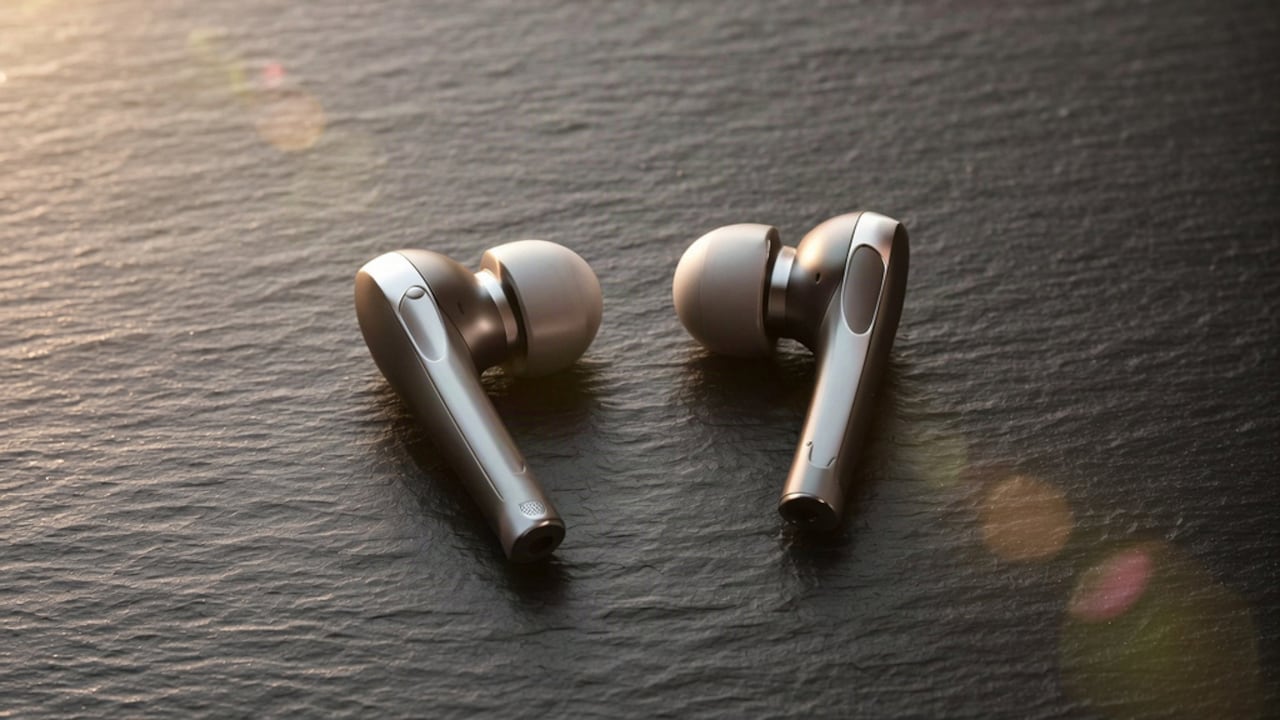
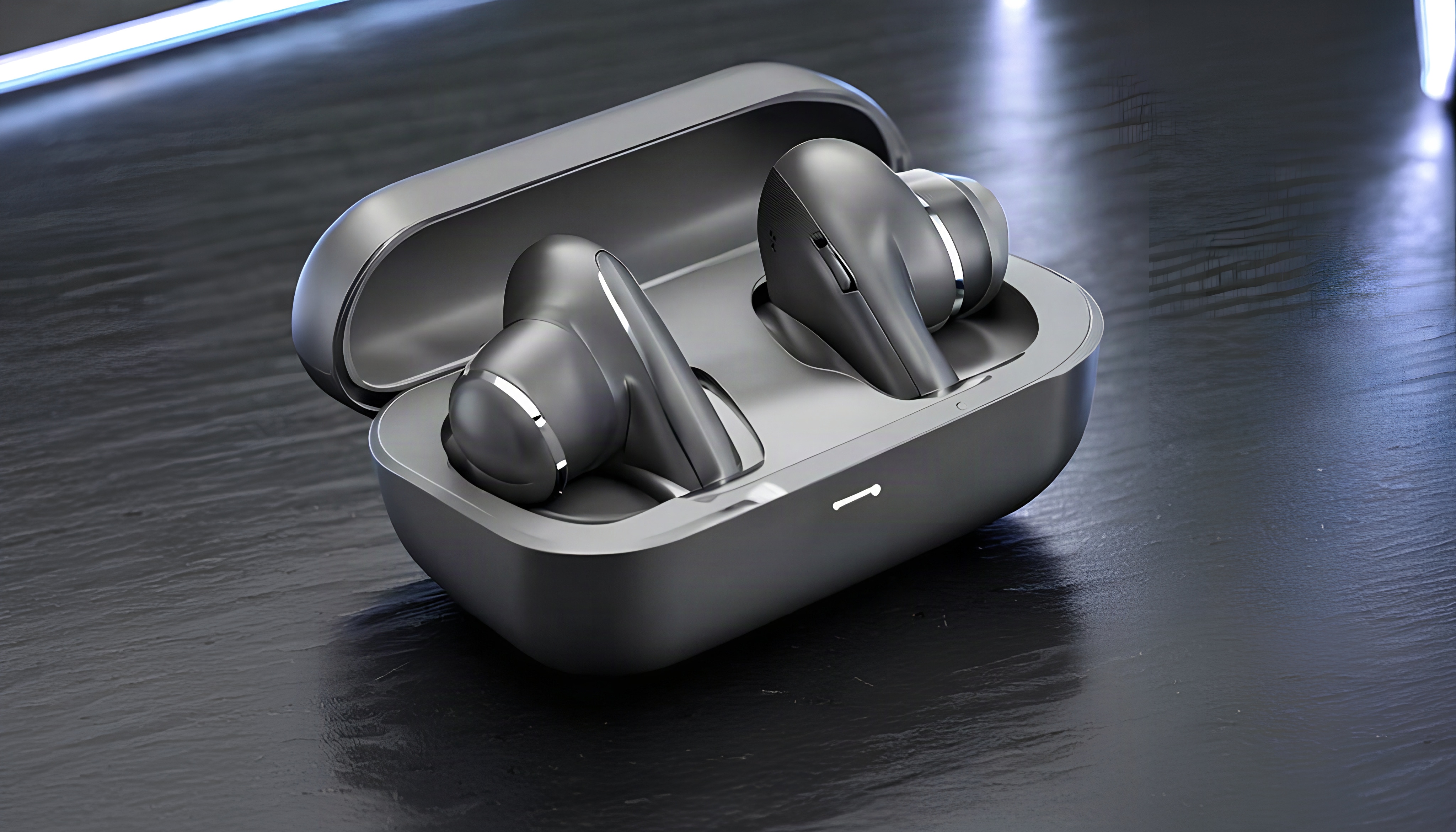
In-ear buds go right into the ear canal. Those little silicone tips plug it up, kind of like an earplug. That's where the strong bass comes from and why they cut out noise. The catch is that they cut out traffic as well.
Open-ear buds don't go inside at all. They sit just outside or on the ear. A few play sounds through the air, pointed at your ear. Others, like Shokz, use bone conduction, so the sound travels through your cheekbones. Your ear canal is open in both cases, so you hear the road.
To stay on, most open-ear ones loop over the ear or clip to it. In-ear sports buds usually have little wings or hooks for the same reason.
Which One Is Actually Safer For Running Outdoors?
Open-ear, for most people who run on roads. Nothing is plugging your ears, so a horn, a cyclist's bell or someone shouting "side!" still gets through. And you don't have to pause the song for it. On Indian roads, where an auto can come from literally any side that helps a lot. Some marathons even ask runners not to wear buds that seal the ears.
In-ear can work too, if yours has an ambient or transparency mode. The mics pick up outside sound and play it in. Test it at home first, though, because some are much better than others. And please turn noise cancellation off before you step out.
How Each One Holds Up On A Real Outdoor Run
In under an hour, a usual run takes you past a main road, a park and maybe a market lane. Here's how the two types do on each stretch.
1. Crossing Busy Roads
Open-ear performs best here, without question. You'll hear an auto coming up behind you with the music still on. So you react just like you would without buds.
In-ear buds make everything sound a bit far away, even at low volume. Ambient mode helps, but wind messes with it. Many runners just yank one bud out at every signal, which gets annoying.
2. Running In Heat And Sweat
Anyone who would be running in Mumbai or Chennai knows you're soaked in twenty minutes, whether it's October or any month. With open ears, the sweat isn't stuck inside your ear, which feels a lot better.
In-ear ones, on the other hand, go all sticky and start to slip about. Water resistance counts for both types. IPX4 is fine for sweat and a drizzle. IPX7 will survive a proper downpour.
3. Long Runs And Fit
On a 5K, most earbuds stay in place. Once you go past 10K, fit starts bugging you. Open-ear ones with hooks hardly ever drop, and nothing presses inside the ear.
In-ear buds with wings or hooks hold on well too. Plain ones without them can come loose with every step. Try the different tips that come in the box until one feels snug.
4. Windy Mornings And Sound Quality
The bass on open-ear buds is a bit weak, let's be honest. On a windy day or at a loud junction, soft songs kind of vanish. Podcasts are mostly fine, though, since it's just someone talking.
In-ear is where the music really sounds good, even with traffic around. Audio snobs will want these, no question. Just know you're giving up some of the street noise for it.
What Should Actually Decide Your Choice
Don't start with the brand or the price tag. Start with these four things instead.
1. Where You Usually Run
Main roads, colony lanes or anywhere with traffic? Go open-ear. Mostly in a park, on a track or on the gym treadmill? In-ear is totally fine then. Do a bit of both? Then pick in-ear buds with a good ambient mode.
2. How Much You Care About Sound
Some of us need that one loud song to finish the last kilometre, and for that, in-ear wins. If it's mostly podcasts or music just playing in the back, open-ear is plenty.
3. Check The Water Resistance Rating
For sweat, IPX4 is the minimum. If you keep running through the monsoon, go IPX5 or higher. You'll usually find it in the product title or else in the specs on the listing.
4. Battery Life For Your Distance
Pretty much any earbud will outlast one run, so battery isn't a big worry. It matters more if you run daily and keep forgetting to charge. A case with ten-minute quick charging is a lifesaver on those 5 a.m. mornings.
Also Read: 7 Best Earbuds Under ₹1,500 For Small Ears: Comfortable, Secure And Budget-Friendly Picks
So, Open-Ear Or In-Ear For Outdoor Runs
If you run on roads, open-ear is the safer pick. You hear the traffic and can leave the music on. They also don't get gross with sweat, and they don't fall out much.
In-ear still makes sense in the park, on the track or at the gym, or if sound quality is a big deal for you. Just go for one with ambient mode, and keep ANC off outside. Whichever you buy, keep the volume low enough to hear a horn. The 8 picks below from Amazon include 4 open-ear and 4 in-ear options.
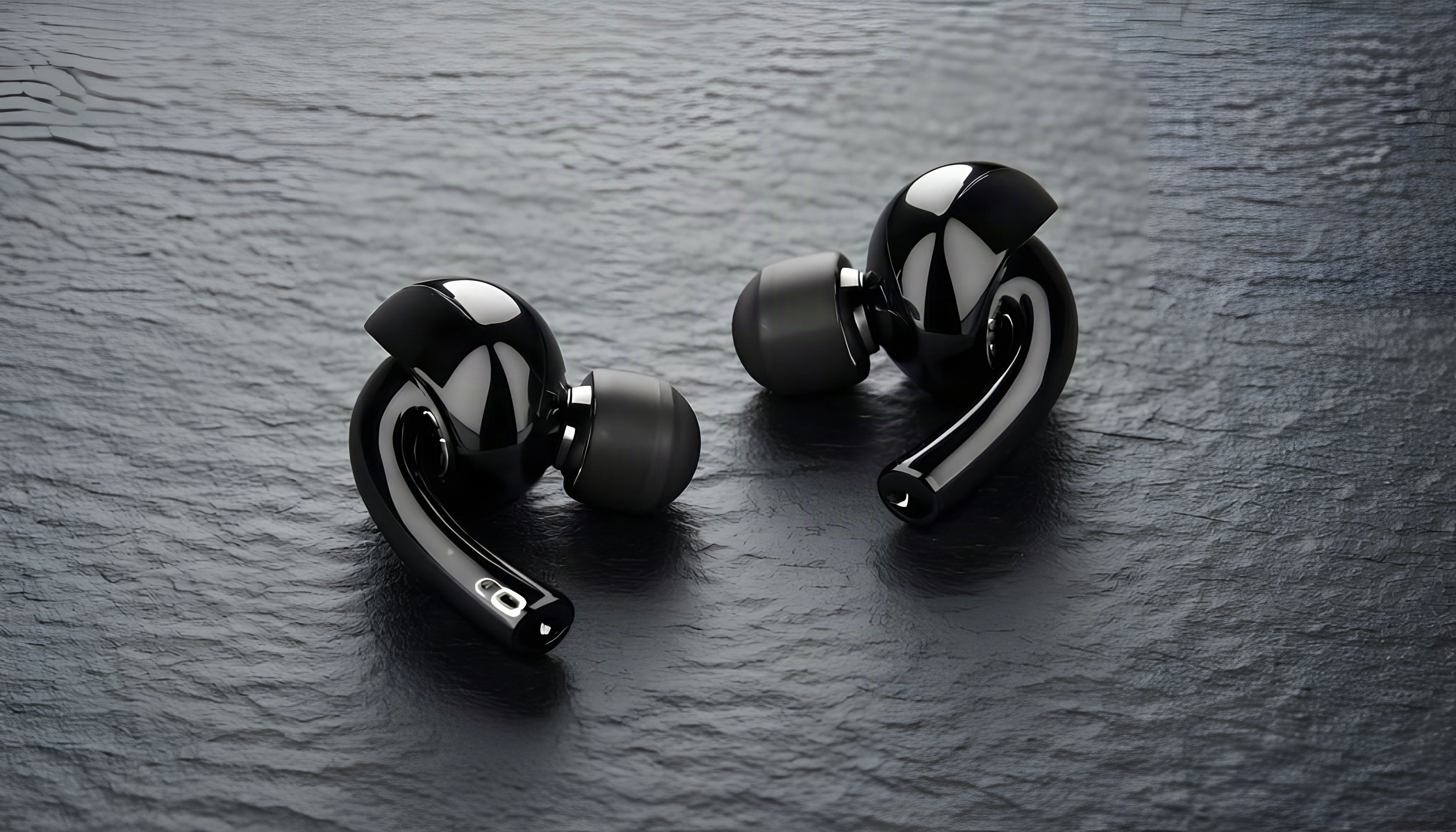
Some Products You May Like
Photo Credit: iStock
Some Products You May Like
1. SHOKZ OpenRun Bone Conduction Sports Headphones
2. soundcore by Anker AeroFit Open-Ear Headphones
3. Noise Air Clips V2 Wireless Open Ear Earbuds
4. boAt Airdopes ProClip Air Conduction Earbuds
5. Beats Powerbeats Pro 2 Wireless Earbuds
6. Sony WF-C510 Wireless Earbuds with Ambient Sound Mode
7. JBL Tune Beam 2 TWS ANC Earbuds
8. Samsung Galaxy Buds Core In-Ear TWS Earbuds
Choosing between open-ear and in-ear earbuds ultimately comes down to prioritising your personal safety during outdoor runs. While in-ear models offer deep, immersive bass that can help you push through a tough mile, blocking out ambient noise leaves you vulnerable to oncoming traffic, cyclists, and hazards around you. Open-ear earbuds solve this problem by keeping your ear canals completely clear, allowing you to enjoy your favourite playlist while staying fully aware of your surroundings. Whether you stick to busy city streets or quiet neighbourhood trails, making the switch to an open-ear design ensures you never have to sacrifice your safety for a great workout soundtrack.
Frequently Asked Questions (FAQs)
1. Are open-ear earbuds safer than in-ear for running?
On the road, yes. Your ears stay open, so you hear traffic and people nearby. For a park or a treadmill, in-ear is fine.
2. Is bone conduction the same as open ear?
Nope, not really. Bone conduction buds sort of buzz the sound through your cheekbones. Air conduction buds just play it through the air to your ear. Either way, the ear canal isn't blocked.
3. Can I use in-ear earbuds safely outdoors?
Yes, with ambient or transparency mode on and the volume kept low. Turn off noise cancellation on the road. At a busy crossing, pull one bud out.
4. Do open-ear earbuds fall out while running?
Not often. Most of them go over the ear or clip on. They tend to stay on better than basic in-ear buds that don't have wings.
5. What water resistance rating do I need for running?
For sweat and a light drizzle, IPX4 does the job. If you run in the monsoon or sweat buckets, get IPX5 or above.
(Disclaimer: This article may include references to or features of products and services made available through affiliate marketing campaigns. NDTV Convergence Limited (“NDTV”) strives to maintain editorial independence while participating in such campaigns. NDTV does not assume responsibility for the performance or claims of any featured products or services.)