How To Choose The Best Wireless Earbuds: Comfortable, Long-Lasting Buds for All-Day Wear
Wireless earbuds are more than just audio gear. Comfort, battery life, and fit decide whether they last all day or end up unused. This guide explains how to choose earbuds that truly suit daily life. Try these 10 tips to choose comfortable and functional earbuds easily.
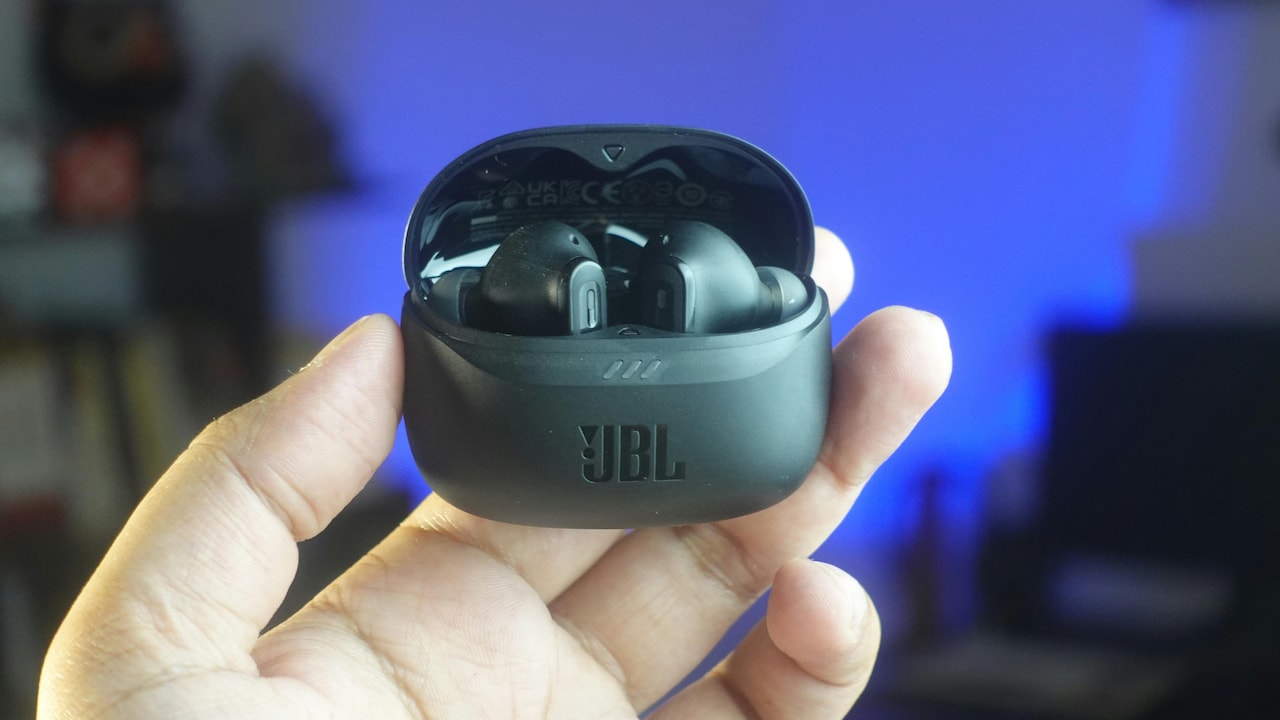
How to Choose the Best Wireless Earbuds for Comfort, Battery Life, and All-Day Wear.
Wireless earbuds no longer feel like luxury gadgets. They now sit alongside keys, wallets, and phones as essentials. Whether commuting on a crowded metro, squeezing in a workout, or attending back-to-back video calls, earbuds often stay in place for hours at a stretch. That makes comfort and battery life just as important as sound. The market, however, feels noisy. Hundreds of models promise studio-quality audio, endless battery life, and magical noise cancellation. Some deliver. Many disappoint after a few weeks of use. The trick lies in understanding which features genuinely matter and which ones look good only on the box.
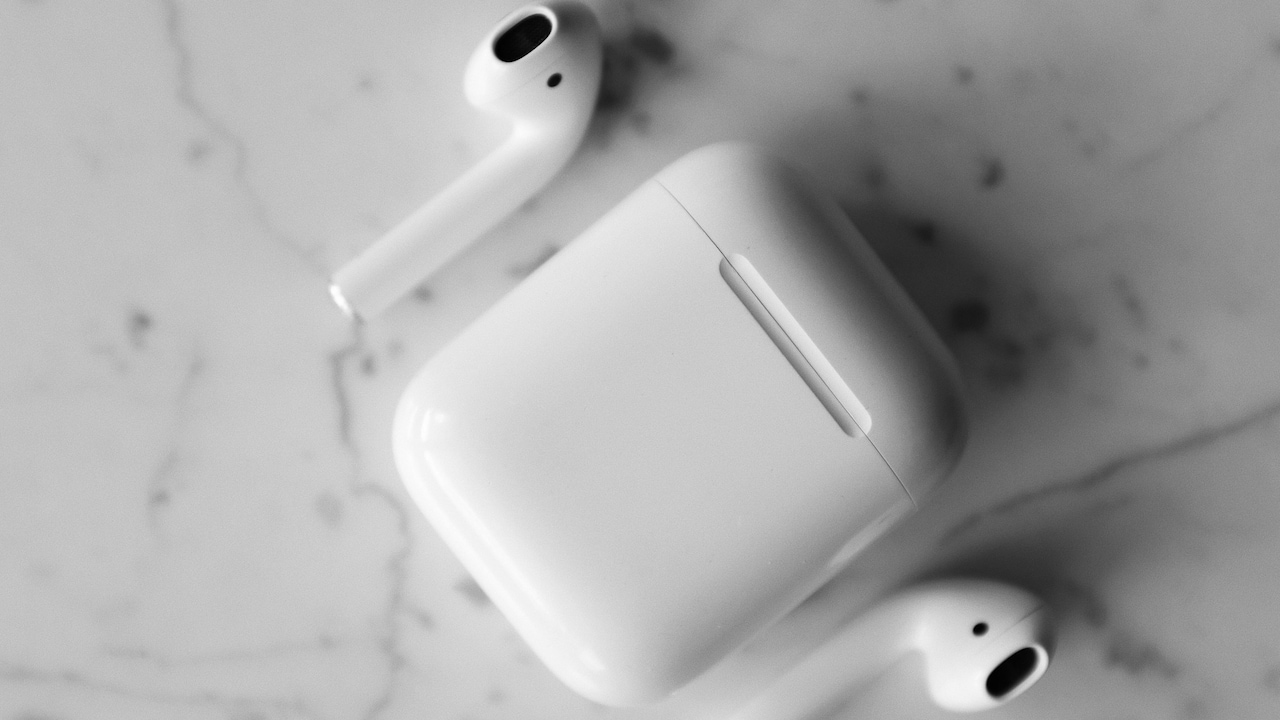
Make shopping for wireless earbuds a piece of cake with these easy tips; Photo Credit: Unsplash
This article explores how to choose wireless earbuds designed for all-day wear. It focuses on real-life use, not lab conditions. Each section tackles one important aspect, from fit and comfort to sound, charging habits, durability, and value for money. By the end, selecting the right pair should feel far less complicated and far more confident.
Also Read: 7 Best Earbuds Under ₹1,500 For Small Ears: Comfortable, Secure And Budget-Friendly Picks
Before You Buy: The Everyday Factors That Make Or Break Wireless Earbuds
1. Comfort Comes First: Why Fit Matters More Than Anything Else
Comfort decides whether earbuds feel like companions or constant irritants. Even the best sound feels useless if ears start aching after an hour. Ear shapes vary widely, so one-size-fits-all rarely works. Earbuds with multiple ear tip sizes usually offer better chances of a snug, pressure-free fit.
Silicone tips feel soft and suit long listening sessions, while memory foam tips mould gently to the ear canal and improve isolation. Lightweight earbuds reduce strain, especially during extended calls or binge listening. Designs with slightly angled nozzles often sit more naturally and stay secure without forcing pressure.
Daily routines often involve movement. A pair that fits well stays put while walking, climbing stairs, or bending down to grab a dropped phone. Constant readjustment breaks focus and quickly becomes annoying. Comfort also affects sound quality. A good seal improves bass and clarity without raising volume.
Choosing earbuds means paying attention to how they sit, not just how they sound during a quick demo. Long-term comfort always wins.
2. Battery Life That Matches Real Days, Not Marketing Claims
Battery life often looks impressive on paper. Claims of 30 or even 40 hours sound reassuring, but real usage tells a different story. Continuous calls, high volume, and noise cancellation drain batteries faster than advertised. All-day wear needs honest endurance.
Earbuds should ideally last at least 6-8 hours on a single charge. That covers work calls, travel, and leisure without panic. The charging case acts as a power bank and should provide at least two additional full charges. Fast charging adds huge convenience. Ten minutes of charging that delivers an hour of playback can rescue busy days.
Charging habits also matter. USB-C charging feels more practical since it matches most modern devices. Wireless charging offers convenience but remains optional rather than essential. Battery longevity matters too. Some earbuds lose capacity quickly after a year, turning once-reliable companions into frequent chargers.
Good battery life means freedom. No one enjoys calculating listening time or carrying power banks just for earbuds. Reliable endurance supports uninterrupted routines.
3. Sound Quality: Clear, Balanced, and Enjoyable
Sound quality shapes the listening experience more than flashy features. Clear vocals, balanced bass, and detailed mids create enjoyment across music, calls, and podcasts. Overemphasised bass may impress initially but often muddies voices and tires ears over time.
Good earbuds handle different genres well. Morning news should sound crisp. Music should feel lively without distortion. Calls must remain clear even in busy surroundings. Drivers and tuning matter more than marketing terms like "extra bass" or "HD sound".
Support for modern audio codecs improves performance, especially with streaming services. However, consistency matters more than technical specs. Many affordable earbuds now deliver surprisingly refined sound suitable for everyday listening.
Volume control plays a role too. Earbuds that sound full at moderate volumes protect hearing and reduce fatigue. Over time, balanced sound becomes easier to live with than exaggerated effects. Sound should feel natural and pleasant, not tiring.
Choosing sound quality means trusting ears rather than numbers. Comfort and clarity often beat raw loudness.
4. Noise Isolation vs Noise Cancellation: Know the Difference
Noise control helps earbuds perform well in real environments. Passive noise isolation relies on a good seal to block external sounds. This works surprisingly well and requires no battery power. Active noise cancellation, or ANC, uses microphones to reduce low-frequency noise like engines or fans.
ANC suits frequent travellers and noisy offices. However, it drains battery faster and sometimes creates a faint pressure sensation. Some listeners enjoy the quiet bubble, while others prefer natural awareness.
Transparency or ambient modes allow external sound in, useful for conversations or crossing roads. Well-tuned modes sound natural rather than robotic. Switching between ANC and transparency should feel smooth and intuitive.
Not everyone needs advanced noise cancellation. For casual listening, good passive isolation may suffice. Paying for features that remain switched off often feels wasteful. Understanding daily environments helps decide whether ANC deserves priority.
Effective noise control enhances focus without disconnecting completely from surroundings.
5. Call Quality: Because Conversations Matter Too
Wireless earbuds now double as communication tools. From office meetings to family calls, clear voice transmission matters. Microphone quality determines whether voices sound crisp or muffled.
Multiple microphones help reduce background noise and focus on speech. Wind noise reduction improves outdoor calls. Some earbuds struggle during traffic or crowded spaces, making voices cut or distort.
Comfort during calls matters too. Long conversations require earbuds that sit gently without pressure. Touch controls should allow easy muting or answering without fumbling.
Latency also affects call experience. Delayed audio feels awkward and disrupts natural conversation flow. Reliable Bluetooth connections reduce drops and glitches.
Testing call quality before buying often proves tricky, but reviews focusing on voice clarity provide useful insight. Good call performance turns earbuds into dependable daily tools rather than occasional accessories.
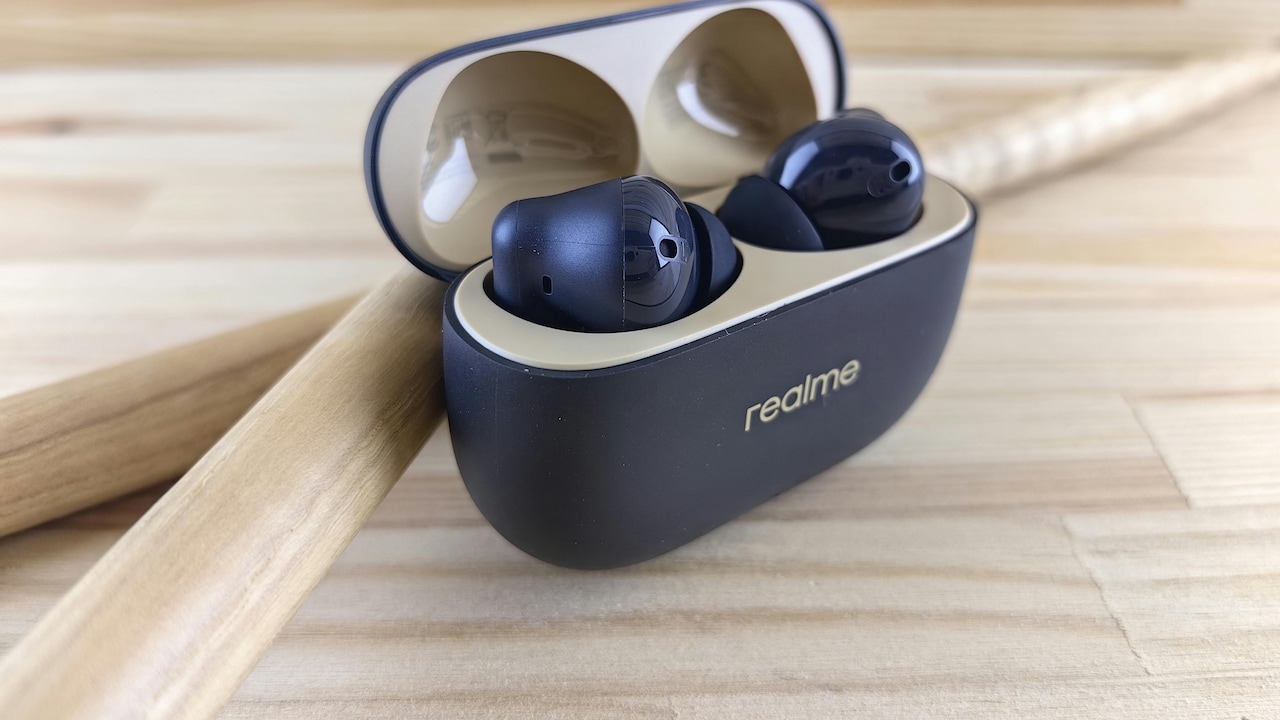
Look for earbuds with a clear sound and touch controls for easy muting or answering; Photo Credit: Pexels
6. Controls and Ease of Use: Small Details, Big Impact
Controls shape daily convenience. Touch controls look sleek but sometimes misfire. Physical buttons feel reliable but may disturb fit when pressed. The best designs balance sensitivity and accuracy.
Common controls include play, pause, volume, track skipping, and call handling. Customisable controls through companion apps add flexibility. Being able to disable unwanted gestures prevents accidental actions.
Automatic ear detection pauses music when earbuds come out and resumes playback when placed back. This small feature saves battery and feels intuitive. Voice assistant support adds hands-free convenience, though usage varies.
Pairing should feel quick and stable. Earbuds that reconnect automatically save time. Stable connections matter more than multi-device pairing for most users.
Ease of use often goes unnoticed until it fails. Smooth controls and reliable connections quietly improve everyday satisfaction.
7. Durability and Water Resistance for Everyday Life
Daily use exposes earbuds to sweat, dust, and occasional rain. Water resistance protects against damage and extends lifespan. An IPX4 rating handles splashes and workouts comfortably. Higher ratings suit heavy exercise or humid conditions.
Build quality matters. Hinges on charging cases should feel sturdy. Earbuds should not creak or feel fragile. A solid case protects during drops and travel.
Fitness enthusiasts benefit from secure-fit designs that resist slipping during movement. Ear hooks or fins add stability without sacrificing comfort.
Durable earbuds feel reassuring. They survive commutes, gym sessions, and being tossed into bags. Investing in durability prevents frequent replacements and frustration.
8. App Support and Smart Features: Helpful, Not Overwhelming
Companion apps extend functionality. Equaliser settings allow sound personalisation. Firmware updates fix bugs and improve performance. Battery indicators provide accurate remaining charge.
However, overly complex apps frustrate users. Simple interfaces work best. Essential controls should remain accessible without digging through menus.
Some apps offer hearing tests or adaptive sound profiles. These features sound impressive but may not suit everyone. Practical tools like locating lost earbuds or adjusting ANC levels often prove more useful.
Smart features should enhance, not complicate. Apps should load quickly and remain optional rather than mandatory for basic use.
Choosing earbuds with sensible software support ensures long-term satisfaction.
9. Price vs Value: Finding the Sweet Spot
Wireless earbuds span wide price ranges. Higher prices often bring better sound, ANC, and build quality, but value depends on needs. Spending ₹15,000 may feel excessive if features remain unused.
Mid-range options often strike the best balance. They deliver solid sound, decent battery life, and essential features without unnecessary extras. Budget options work for casual use but may compromise comfort or durability.
Brand reputation matters, but lesser-known brands sometimes surprise with quality offerings. Reviews focusing on long-term use provide better insight than launch impressions.
Value comes from matching features to lifestyle. Paying for what genuinely improves daily experience feels satisfying. Overpaying for unused technology rarely does.
10. Matching Earbuds to Lifestyle: The Final Decision
Choosing wireless earbuds ultimately means matching them to daily habits. Office professionals may prioritise call clarity and comfort. Fitness lovers need secure fit and water resistance. Travellers value battery life and noise cancellation.
Understanding priorities simplifies decisions. Writing down top three needs helps filter options quickly. Trying earbuds when possible offers clarity that specifications cannot.
Earbuds should fit seamlessly into routines rather than demand attention. The right pair feels almost invisible, quietly supporting music, calls, and moments of escape throughout the day.
Technology serves best when it adapts to life, not the other way around.
Products Related To This Article
1. Fire-Boltt Aero TWS Ear Buds Custom EQ, Wireless Bluetooth 5.4
2. HAMMER Ultra Pods True Wireless Earbuds with in-Built Mic
3. Kratos Cube Ear Buds Wireless with 30H Playtime
4. OnePlus Nord Buds 3 Pro Truly Wireless Bluetooth Earbuds
5. Noise Buds VS104 Truly Wireless Earbuds with 45H of Playtime
6. Philips TAT1269 Bluetooth Truly Wireless in Ear Earbuds with mic
7. boAt 2025 Launch Airdopes 219, 4Mics ENx, 40H Battery
Wireless earbuds have evolved into everyday essentials, shaping how people listen, work, and unwind. Choosing the right pair requires attention to comfort, battery life, sound quality, and practical features rather than flashy promises.
Comfort ensures long hours without fatigue. Reliable battery life supports uninterrupted days. Balanced sound keeps ears happy. Thoughtful controls and durability make daily use effortless. Price should align with genuine needs, not trends.
The perfect wireless earbuds feel less like gadgets and more like dependable companions. With the right approach, selecting them becomes a rewarding decision rather than a confusing one.
(Disclaimer: This article may include references to or features of products and services made available through affiliate marketing campaigns. NDTV Convergence Limited (“NDTV”) strives to maintain editorial independence while participating in such campaigns. NDTV does not assume responsibility for the performance or claims of any featured products or services.)