How to Choose the Right Speaker for Your Room Size: Wattage Breakdown Explained
A great speaker can turn a quiet room into a lively space filled with music, warmth and character. This guide simplifies wattage and room size so that your next speaker feels like a perfect match rather than a risky gamble. Here is how to choose the right speaker for your room size and explain how understanding wattage works.
How To Choose A Speaker For Your Room Size: A Simple Wattage Guide.
A good sound system brings a room to life. Music flows better, movies feel richer, and celebrations gain a natural buzz. Yet most households struggle to pick the right speaker. The usual temptation involves buying the biggest model on sale or choosing a compact one that looks cute on a shelf. The result often ends in disappointment. A powerful speaker in a tiny bedroom overwhelms the space. A small speaker in a living room disappears under the chatter of guests.
Selecting a speaker becomes easier with a clear understanding of wattage. Wattage reflects how much power a speaker can use to produce sound. Higher wattage does not instantly guarantee better audio. It only suits larger spaces that need more energy to fill the air. With a little guidance, wattage becomes a simple number instead of a mysterious metric. This article breaks the process into 10 practical points that help you choose a speaker that feels right for your room and your budget.
How To Choose A Speaker For Your Room Size: A Simple Wattage Guide; Photo Credit: Pexels
What To Consider Before Picking The Right Speaker
1. Know Your Room Dimensions Before Choosing a Speaker
Room size acts like the foundation of your audio experience. A speaker interacts with walls, ceilings and even soft furnishings. A small bedroom under 120 sq. ft. behaves like a compact box. Sound builds up quickly and amplifies itself. A high-powered speaker in such a space feels like a loud guest who forgets personal boundaries. Meanwhile, a large living room above 250 sq. ft. absorbs sound. It needs more power to offer the same level of clarity and depth.
Start by measuring the area of your room. A simple tape measure helps. Multiply the length and width, and you get the square footage. This takes less than a minute and prevents expensive mistakes. Many households skip this step and rely on guesswork. That leads to mismatched systems and constant tweaking. Knowing the room size helps you choose wattage confidently. It also helps you place the speaker better. Corners, windows and open passages influence sound flow. Once the room dimensions are clear, the entire selection process becomes smoother and more predictable.
2. Understand Wattage Without Getting Lost in Technical Jargon
Wattage often scares buyers because it sounds technical. In reality, it works much like horsepower in cars. More watts mean more energy and louder performance. Yet the loudest speaker does not always sound the best. Speakers with excessive wattage need space to breathe. They need room to allow the sound to travel and settle. In a compact space, they overpower the listener with unnecessary volume.
A speaker between 20W and 40W suits most bedrooms and study rooms. These spaces feel comfortable with lower wattage because reflections from the walls help boost the sound naturally. Medium rooms between 150–250 sq. ft. work well with speakers in the 50W–100W range. Larger rooms benefit from 120W and above. Wattage also influences bass response. More watts deliver tighter bass and better dynamics, especially during movies or high-energy music.
The key idea remains balance. Wattage is not about showing off power. It is about matching your space with the right level of performance. Understanding this makes wattage selection less stressful and far more satisfying.
Also Read: 7 Best Compact Deep Bass Bluetooth Speakers Under ₹10,000 for Small Rooms and Shared Apartments
3. Match Wattage to Room Size for Clear, Comfortable Listening
Every room carries a natural limit to how much sound it can handle gracefully. Picture a friend who talks loudly in a small restaurant. Everyone notices the voice even without trying. A similar thing happens when a speaker with high wattage works in a small room. It becomes too intense even at lower volume settings. Instead of richness, you get cluttered noise.
- Small rooms: 20W–40W
- Medium rooms: 50W–80W
- Large rooms: 100W–150W
- Very large rooms: 150W+
These ranges offer comfortable listening without fatigue. Fatigue occurs when the sound feels too sharp or too loud for long periods. Balanced wattage avoids this issue. Sound flows smoothly and maintains detail.
Many households upgrade speakers after hearing a friend's setup in a big living room. Yet placing the same model in a compact room creates a completely different experience. Room size shapes the final output. Matching wattage to room size ensures your audio remains enjoyable, whether you listen to soft melodies, high-energy dance tracks or everyday news.
4. Understand the Role of Speaker Sensitivity
Sensitivity affects how loud a speaker becomes using a specific amount of power. A speaker with high sensitivity produces more volume even with lower wattage. This matters for homes where moderate listening levels feel enough. A sensitive speaker around 88dB–92dB works efficiently. This means you do not need high wattage to enjoy rich sound.
Imagine two fans running at the same speed. One feels breezier because of the better design. Sensitivity works similarly. It helps you achieve clarity without pushing the limits of the speaker. This proves useful in flats where neighbours remain close, and loud sounds may disturb them. A sensitive speaker offers better performance at lower volumes and maintains detail across the frequency spectrum.
Sensitivity also helps with power consumption. Lower wattage means less electricity use, which saves money in the long run. Most households appreciate this, especially when energy bills keep rising. By understanding sensitivity, you avoid overspending on unnecessary wattage and still enjoy satisfying, room-filling audio.
How To Choose A Speaker For Your Room Size: A Simple Wattage Guide; Photo Credit: Pexels
5. Consider the Room's Furniture, Curtains and Layout
A room filled with cushioned sofas, curtains and carpets absorbs sound. This reduces reflections and softens the overall output. A minimalistic room with bare walls and fewer furnishings reflects sound more sharply. This causes echoes and boosts loudness. Room layout shapes the audio long before wattage plays its part.
In crowded rooms, speakers with higher wattage help compensate for absorption. In open, echo-prone rooms, lower wattage becomes enough because reflections increase volume naturally. Curtains, rugs and cushions also help improve audio by reducing harshness. Many homes use thick drapes or floor rugs for decoration, but these also enhance sound quality by controlling reflections.
Placement matters too. A speaker in a corner boosts bass. A speaker near a window feels less steady due to vibrations from the glass. Raising the speaker on a stand improves clarity because the sound travels at ear level. When you consider the layout and furniture in your room, your wattage decisions become far more precise, and your listening experience improves dramatically.
6. Choose Between Bookshelf Speakers and Floorstanding Models
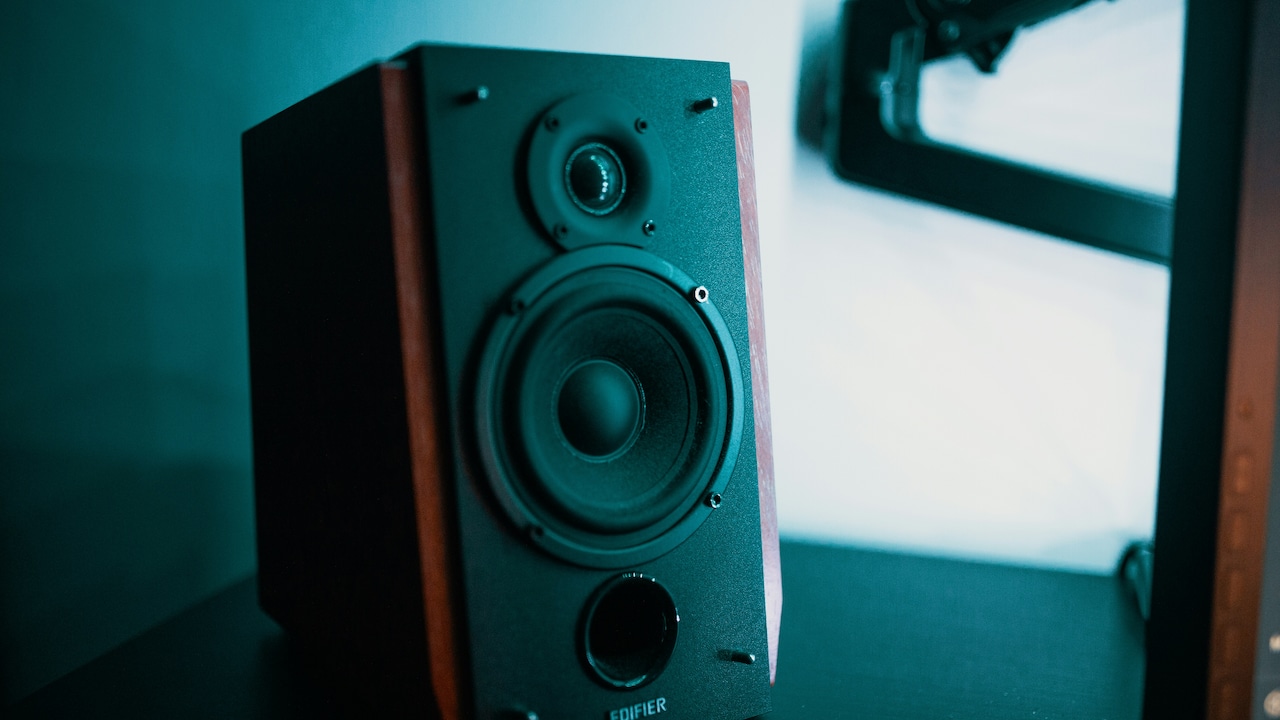
Bookshelf speakers suit small to medium rooms because they balance size and performance. They offer warm, accurate sound without overwhelming the space. Most bookshelf models fall within 30W–80W, making them ideal for bedrooms, study rooms and compact living areas. They rest on shelves or stands and take little floor space.
Floorstanding speakers suit larger rooms. These tall models carry multiple drivers that produce deeper bass and more powerful sound. Their wattage ranges from 80W to 200W and above. They need breathing room to perform at their best. A big living room, open hall or entertainment space welcomes these speakers well.
Each style carries its unique charm. Bookshelf speakers feel subtle and classy. Floorstanding speakers bring theatre-like energy. The choice depends on room size, listening preference and available space. A thoughtful pairing ensures your music feels honest, not forced.
7. Pay Attention to Amplifier Compatibility
An amplifier powers your speakers. It needs to match the wattage rating of the speakers to perform safely and efficiently. If the amplifier delivers too much power, the speaker risks damage. If it offers too little, the speaker struggles to perform, resulting in weak or distorted sound.
Amplifier power should ideally fall within the speaker's recommended range. For example, if the speaker supports 40W–120W, an amplifier around 60W–100W works comfortably. This middle ground provides enough power for dynamic peaks without strain. Many households prefer budget-friendly amplifiers, especially in the ₹10,000–₹20,000 range. These pair well with bookshelf speakers.
Matching amplifier and speaker wattage not only improves sound quality but also protects your equipment. A well-matched combo lasts longer and delivers smooth, enjoyable audio every day. Proper matching turns your system into a reliable partner for music, movies and celebrations.
How To Choose A Speaker For Your Room Size: A Simple Wattage Guide; Photo Credit: Pexels
8. Think About Your Listening Habits and Volume Preferences
Every household carries its own listening style. Some enjoy soft background music while working or cooking. Others love energetic beats during gatherings. A few love turning up the volume during festive celebrations. Your personal listening habits influence wattage more than any technical chart.
A person who listens at low volumes needs a speaker with higher sensitivity rather than higher wattage. This ensures clarity even at gentle levels. Homes with frequent gatherings or movie nights benefit from slightly higher wattage to handle dynamic sound. Families with small children may prefer moderate wattage to avoid overly loud output.
Volume preference also depends on the type of content. Classical music demands clarity. Action films need impactful bass. Devotional songs feel soothing at softer levels. Wattage supports these needs by delivering the right intensity. When you understand your listening style, you select a speaker who complements your lifestyle instead of fighting against it.
9. Balance Budget and Performance Wisely
Speakers come in many price ranges. A compact 30W speaker starts around ₹2,000–₹4,000. Mid-range bookshelf models reach ₹8,000–₹20,000. Premium floorstanding options cross ₹50,000 and beyond. Choosing wattage becomes easier when you decide on your budget early.
Higher wattage does not always mean higher cost. Smart brands offer affordable 50W–80W speakers that perform beautifully in medium rooms. Spending more makes sense only when your room size demands it. Overspending on features you never use leads to regret. Underspending often leads to frequent upgrades.
Invest in quality where it matters. A solid 60W speaker with clear mids and tight bass often outperforms a 150W model with poor tuning. Good speakers last for years. A balanced purchase makes every rupee worthwhile. Budget wisely and choose a model that aligns with room size, wattage needs and long-term satisfaction.
10. Test the Speaker in Your Actual Room for Best Results
Showroom audio feels impressive because the space is designed for acoustics. At home, the same speaker may sound different. Echoes, soft furnishings, wall materials and room shape all influence performance. Testing the speaker in your room helps you confirm whether the wattage feels just right.
Some brands and stores allow home trials or return windows. Use this opportunity. Play familiar songs. Include soft tracks, energetic beats and dialogues from a film. Listen from different spots in the room. Pay attention to clarity, bass response and comfort level at various volumes.
A speaker that suits your room sounds natural. It does not shout or disappear. It blends with the space and complements your lifestyle. Home testing ensures you avoid mismatched wattage and achieve genuine satisfaction. This final step completes the selection process and turns your purchase into a long-term companion.
Products Related To This Article
1. Portronics SoundDrum P 20W Portable Bluetooth Speaker
2. HAMMER Drop 5W Bluetooth Wireless Speaker with Twin Pairing
3. Zebronics ZEB-COUNTY 3W Wireless Bluetooth Portable Speaker
4. JBL Go 3
5. Tribit Updated Version XSound Go Wireless Bluetooth
6. boAt Aavante Bar 490 10W Signature Sound
7. Blaupunkt Newly Launched ATOMIK Grab 20W Boombox
Choosing a speaker becomes easy when you match wattage to room size. Rooms shape sounds more than any single feature. A balanced speaker offers clarity, depth and comfort without overwhelming the listener. Measuring your room, understanding wattage, checking sensitivity, considering furniture and testing the speaker at home help create the perfect match. Whether you enjoy soft morning melodies, festive beats or weekend movie nights, the right speaker transforms each moment into a warm memory. With a thoughtful approach, your next purchase will feel less like guesswork and more like a confident step toward better everyday audio.
(Disclaimer: This article may include references to or features of products and services made available through affiliate marketing campaigns. NDTV Convergence Limited (“NDTV”) strives to maintain editorial independence while participating in such campaigns. NDTV does not assume responsibility for the performance or claims of any featured products or services.)