How To Pick Sweat-Resistant Earbuds For Indoor Workouts
How to pick sweat-resistant earbuds for indoor workouts: Best gym-ready options with secure fit, excellent IPX water resistance, and reliable battery life.
How To Pick Sweat-Resistant Earbuds For Indoor Workouts
Indoor workouts have a specific audio problem that nobody talks about enough, and it is not the sound quality. Sweat gets into earbuds that were never built for it, and the session ends before the workout does. Most regular earbuds can't handle intense gym sessions, and the first time you find this out is usually the most expensive way to learn it.
How Does Sweat Damage Earbuds During Indoor Workouts?
Photo Credit: iStock
What actually separates a genuinely sweat-resistant earbud from one that just markets itself that way is a combination of IPX ratings, fit design, and a few other specs that most product pages either bury or gloss over. This guide shows what to look for, what to check before buying, and how to find something that lasts through your training instead of dying quietly after three months.
How Does Sweat Damage Earbuds During Indoor Workouts?
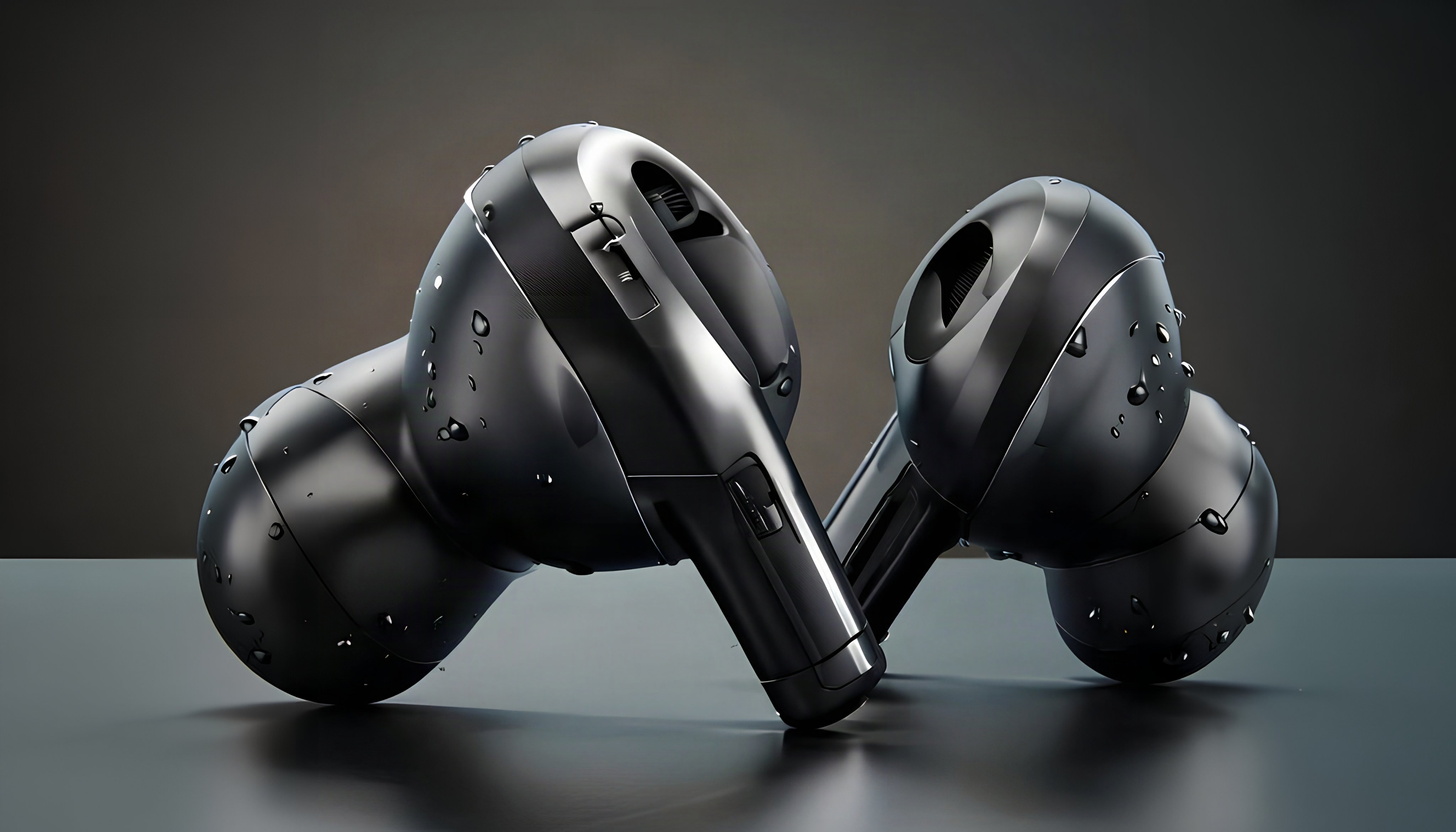
Salt is the part people miss. Sweat is not just moisture; it carries salt and other compounds that corrode internal components even when an earbud technically passes a splash-resistance test. A heavy gym session produces a different kind of moisture exposure than getting caught in light rain, and many earbuds handle the second one fine while quietly failing at the first over time.
The failure rarely announces itself, honestly. One day the connection feels less stable. Then there is a slight distortion on one side. Then, there is a charging contact that requires some wiggling to establish a connection. By the time anything obvious goes wrong, the corrosion has been building for weeks, which is precisely why getting the right spec from the start saves money that would otherwise go on a replacement.
What Should You Look For In Sweat-Resistant Earbuds?
Two factors distinguish earbuds that are truly effective for gym use from those that merely appear suitable in a product listing. The IPX rating tells you how much moisture they can handle. The fit indicates whether they remain securely in your ear while you are exposed to moisture.
Step 1: Understand The IPX Rating
Not all IPX ratings are the same, and the number matters a lot more than most buyers realise. IPX4 handles splashing from any angle and is fine for light sweat and casual use. IPX5 handles a sustained stream of water, which gives real margin for heavy sessions. IPX7 adds submersion protection. For indoor gym use, IPX4 is the floor, not the target, and anything without an IPX rating at all is genuinely not designed for workout use, whatever the listing copy says. Going one level higher than you think you need is almost always worth it.
Step 2: Check The Fit And Stability Design
An earbud falling out mid-set is not just annoying, it is a distraction at exactly the moment you do not want one. Ear hooks, wing fins, and multiple tip sizes all exist to solve the same problem: keeping the earbud where you put it through lateral movement, jumping, and overhead pressing. Silicone tips that create a proper in-ear seal stay put better than open-fit designs during anything dynamic. The seal also blocks gym noise passively, which is a free benefit on top of not losing your earbud to the floor.
Also Read: Myntra Big Brands Bash Sale: Top 5 Smartwatches With Advanced Features
Does Battery Life Matter More During Indoor Workouts?
For daily commuting, a two-hour charge cycle feels generous. For gym use, it is a different calculation. Sessions that run ninety minutes to two hours eat into that number quickly, and nobody wants to stop mid-workout to charge.
Step 1: Look At Their Advantages
Most gym sessions benefit from six hours or more of single-charge playtime, providing ample breathing room. Fast charging support changes the calculus too; fifteen minutes in the case before a session is often enough to cover the full workout if the overnight charge gets missed. There is also a secondary benefit worth noting: earbuds with longer battery life tend to have better overall build quality, since the engineering that goes into battery efficiency usually reflects attention to other details too.
Step 2: Consider Their Limitations
Bigger batteries take up more physical space, which is the trade-off that does not show up clearly in spec sheets. Earbuds chasing maximum playtime can end up heavier or wider in the ear canal, and that extra bulk shows up during high-intensity movement in ways that a casual listener would never notice. The single-charge figure is the one to care about for gym use, not the total including the case, since getting back to the case mid-session is usually not an option.
Sweat-Resistant vs. Waterproof Earbuds: Which Do You Actually Need?
The marketing around waterproof earbuds is louder than the marketing around sweat-resistant ones, and that imbalance pushes many buyers toward protection they will never actually use.
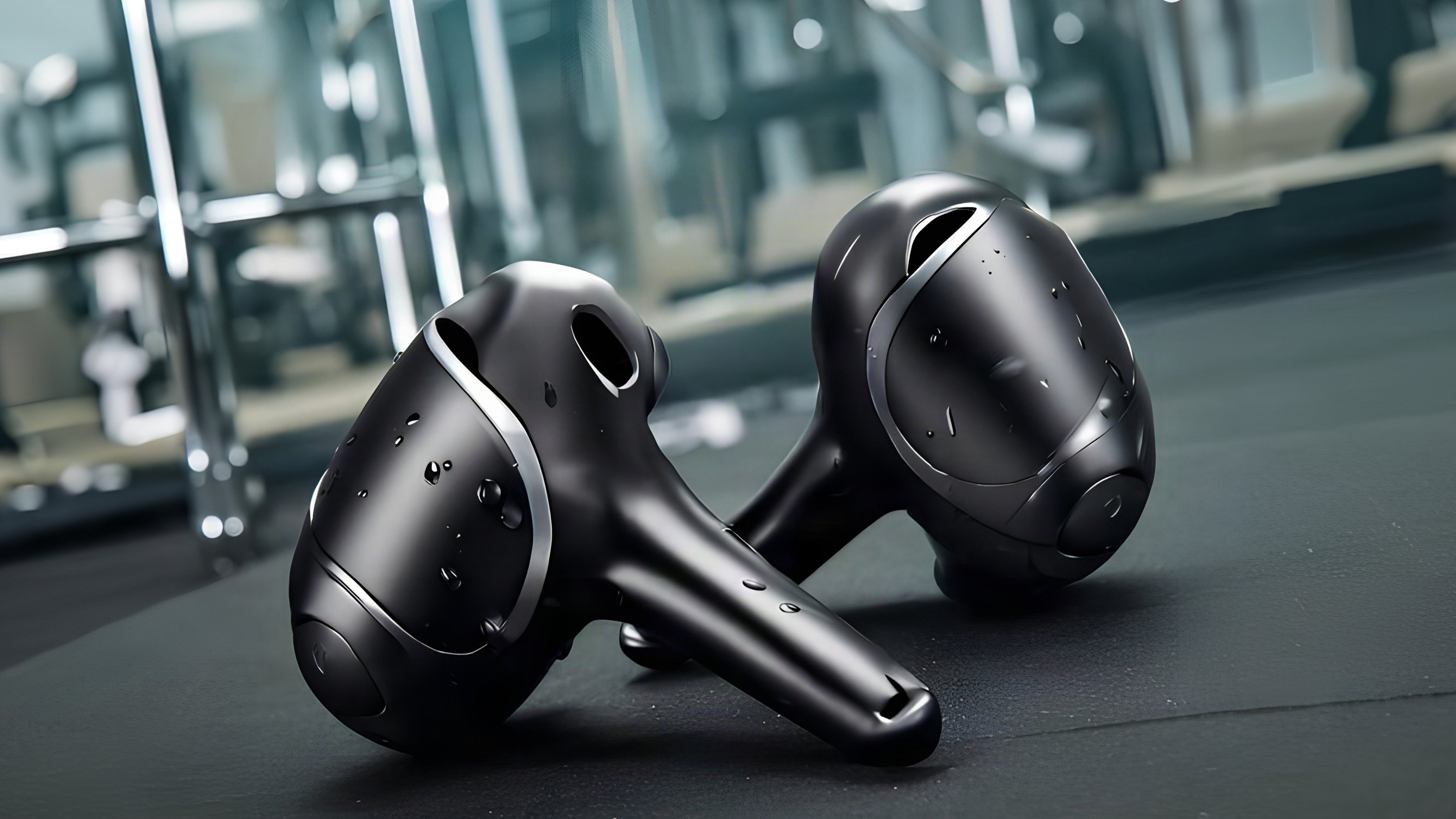
IPX4 and IPX5 cover gym use and outdoor runs in light rain without issue. IPX7 and above add submersion protection, useful if you swim, largely irrelevant if you lift weights indoors. Waterproof earbuds are more expensive, and for someone with a purely indoor gym routine, that extra cost is essentially paying for protection against a situation that is unlikely to occur. IPX5 is the ideal choice for most individuals, providing sufficient protection for any realistic gym scenario while being more affordable than fully waterproof alternatives.
Most people who end up buying IPX7 earbuds for the gym did so because waterproof sounds more serious than sweat-resistant, not because they actually needed it. Worth being honest with yourself about the use case before paying the premium.
How Can You Make Your Earbuds Last Longer During Indoor Training?
The IPX rating is a starting point, not a guarantee. How earbuds are handled after a session matters almost as much as the rating itself.
1. Wipe Down Earbuds After Every Session
Salt residue left on the housing works its way into speaker grilles, charging contacts, and seams over time, and it does this faster than plain water would. A quick wipe with a slightly damp cloth right after finishing a session takes ten seconds and removes the residue before it dries into something harder to shift.
2. Never Charge Earbuds Immediately After A Workout
Hot earbuds going straight into a closed charging case traps moisture around the contacts in exactly the conditions that cause corrosion. Let them sit open in the air for a few minutes first, not in a bag, not in a pocket, just open on a surface, then put them back in the case. It is a small habit that significantly extends contact life.
3. Keep The Charging Case Clean And Dry
People focus on the earbuds and forget the case, but a dirty or damp case is how most charging failures actually start. Residue builds up on the contacts inside the case, causes intermittent charging, and gets misread as a battery problem. Clean the contacts are kept with a dry cloth regularly and the case is stored somewhere dry rather than buried in gym bag fabric.
4. Replace Ear Tips When They Wear Down
Silicone earring tips lose their shape and seal over time. A tip that no longer seats properly is the main reason a well-functioning earbud starts falling out of an ear it used to fit fine. Most brands sell replacement packs for a few hundred rupees, and replacing tips every few months is a far cheaper fix than buying new earbuds because the old ones feel unstable.
Which Earbuds Should You Pick For Indoor Workouts?
There is no universal answer here; indoor workout intensity ranges from a gentle stretch session to a full powerlifting programme, and the earbud that handles one perfectly might be overkill or underpowered for the other. How much you sweat, how long you train, and whether you want passive isolation or ambient awareness all push toward different options.
Start the search at IPX5 as a floor, then narrow it down by fit style, since that is where individual ear shape makes one option clearly better than another for a specific person. Battery life and audio quality are the tie-breakers after that. Choose the product that suits your training style, not the one with the longest spec sheet, as all the products on this list meet the minimum requirements.
Sweat-Resistant vs. Waterproof Earbuds: Which Do You Actually Need?
Photo Credit: iStock
Some Sweat-Resistant Earbud Products You May Like
1. ACwO Voice-First Sweat-Resistant Bluetooth Earbuds
2. Kratos TW02 Bluetooth Earbuds With Noise Isolation
3. OnePlus Wireless Earbuds With Dual-Device Connectivity
4. Philips TAT1269 Wireless Bluetooth Earbuds With LED Indicator
5. boAt Airdopes ProClip Bone Conduction Earbuds
6. Boult Audio Wireless Earbuds
7. King Lucky Waterproof Wireless Earbuds
8. realme Dynamic Drivers Sweat-Resistant Earbuds
Choosing the right sweat-resistant earbuds for indoor workouts can make a noticeable difference to your exercise experience. Features such as water and sweat resistance, a secure fit, long battery life, and clear audio can help ensure your earbuds stay comfortable and functional throughout your workout sessions. Whether you enjoy yoga, strength training, cycling, or high-intensity workouts, selecting earbuds that match your fitness routine is essential. By focusing on durability, comfort, and performance rather than just price, you can invest in a pair that keeps you motivated and connected to your favourite music and podcasts during every workout.
Frequently Asked Questions (FAQs)
1. What IPX rating do I need for gym workouts?
IPX4 covers light sweat and is the minimum worth taking seriously. IPX5 gives more margin for heavy sessions and is the more practical call if your workouts tend to be intense or long.
2. Can regular earbuds handle gym sweat?
Not reliably. Earbuds without an IPX rating are not built for sustained moisture exposure, and sweat carries salt that corrodes components more aggressively than plain water. The damage builds gradually, which makes it simple to miss until something stops working.
3. How long should earbuds last during an indoor workout?
Six hours of single-charge playtime gives comfortable room for most sessions. Fast charging is useful as a backup, since 15 minutes in the case before a session can cover the full workout if the overnight charge was skipped.
4. Do I need waterproof earbuds for indoor gym use?
Probably not. IPX7 and above adds submersion protection that most gym routines will never actually test. IPX5 covers realistic indoor workout conditions and sits at a better price point than the fully waterproof options.
5. How should I store earbuds after a sweaty workout?
Air dry them for a few minutes before putting them back in the case, wipe off salt residue with a damp cloth, and keep the case itself somewhere dry rather than deep in a gym bag. The case contacts are where most charging failures actually start.
(Disclaimer: This article may include references to or features of products and services made available through affiliate marketing campaigns. NDTV Convergence Limited (“NDTV”) strives to maintain editorial independence while participating in such campaigns. NDTV does not assume responsibility for the performance or claims of any featured products or services.)