How To Pick The Right Projector Screen Size For Your Room
Not sure how to pick the right projector screen size for your room? This guide covers key factors like room size, viewing distance, and aspect ratio to help you decide.
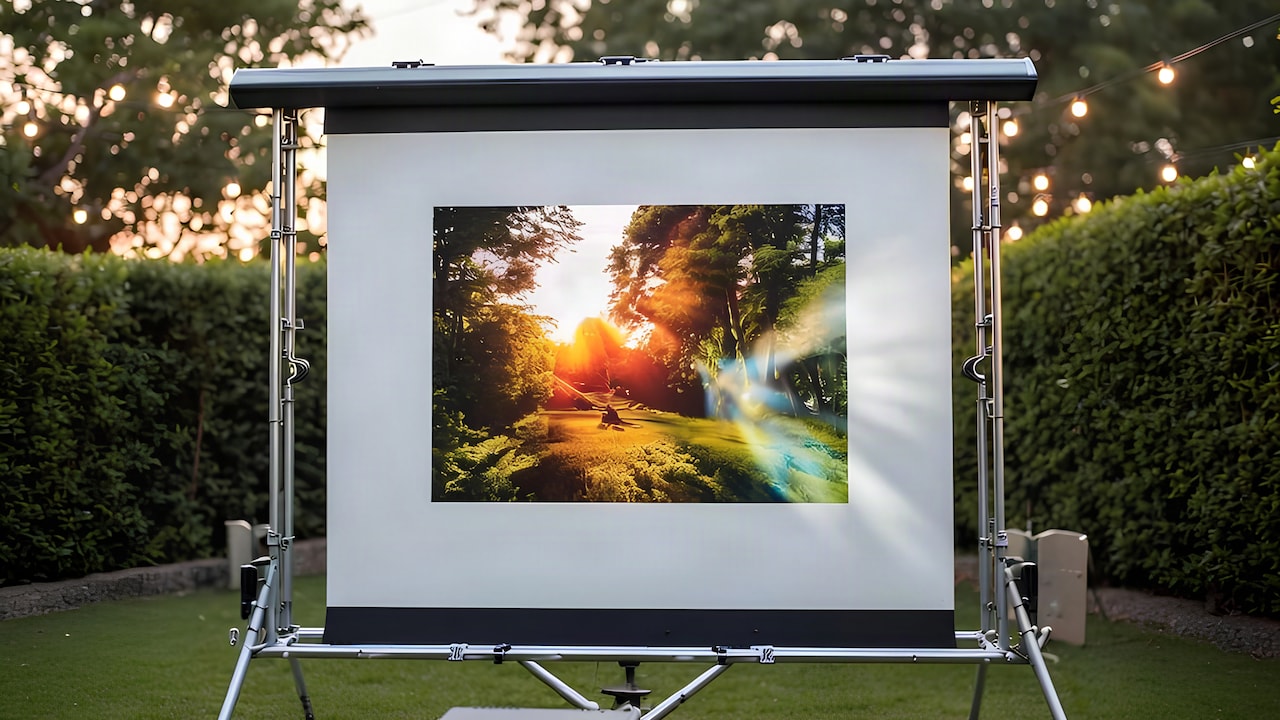
How To Pick The Right Projector Screen Size For Your Room
Choosing the right size projector screen is one of those things that seem easy enough until you're standing in the room trying to figure it out. If it's too small, the image seems weak. If the screen is too big, you'll be craning your neck just a few feet away. If you're setting up a home theatre, gaming nook or small presentation area, the proper screen size makes the whole experience feel intentional. Amazon has a wide array of projector screens available in sizes and formats, so the options are definitely out there; the hard part is figuring out which one is right for your space. The good news is you don't have to do complicated maths or guesswork. Some practical considerations (room dimensions, seating distance, and how you plan to use the screen) can help narrow things down pretty quickly. Once you know those basics, the right size screen usually becomes pretty clear.
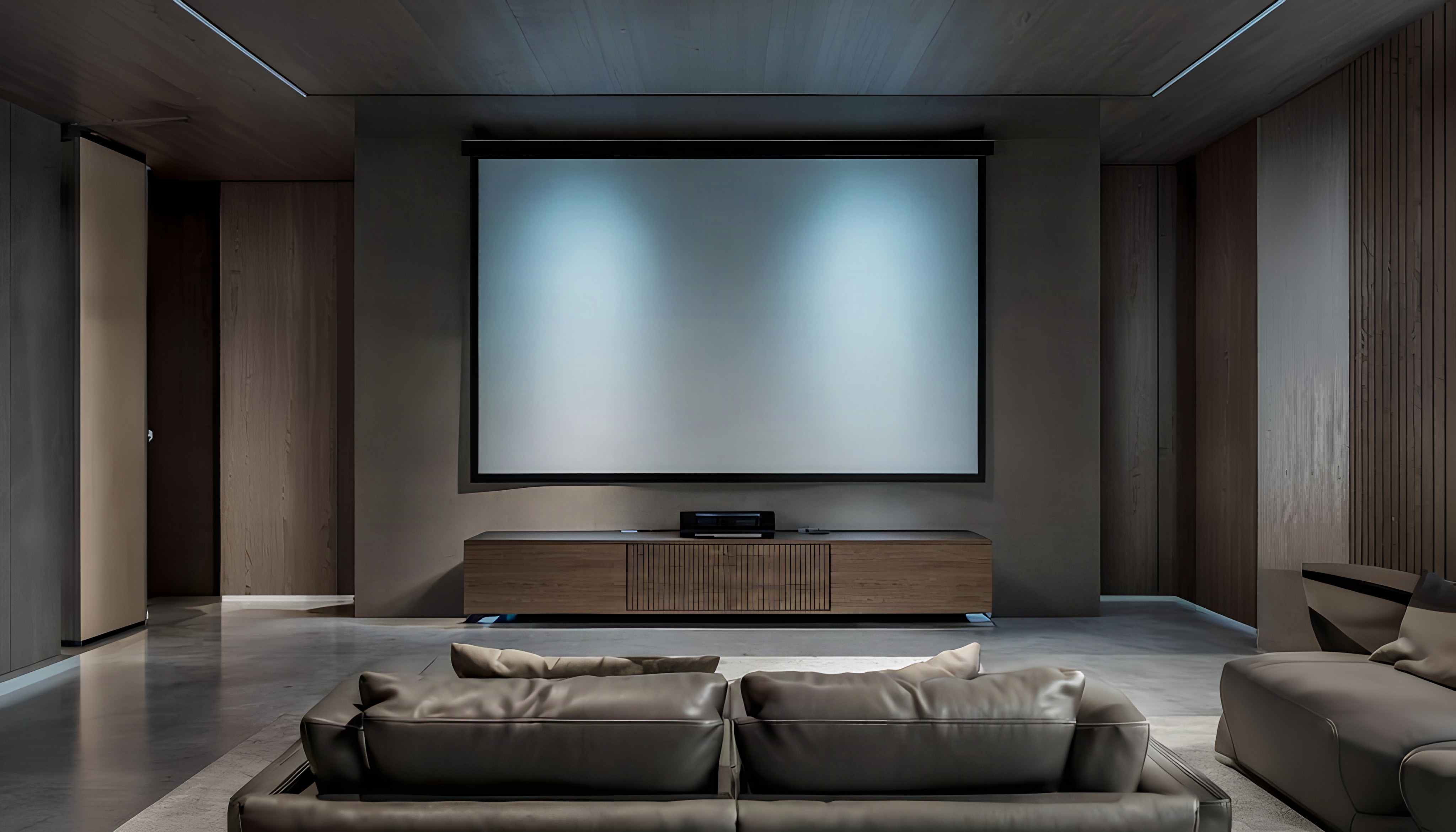
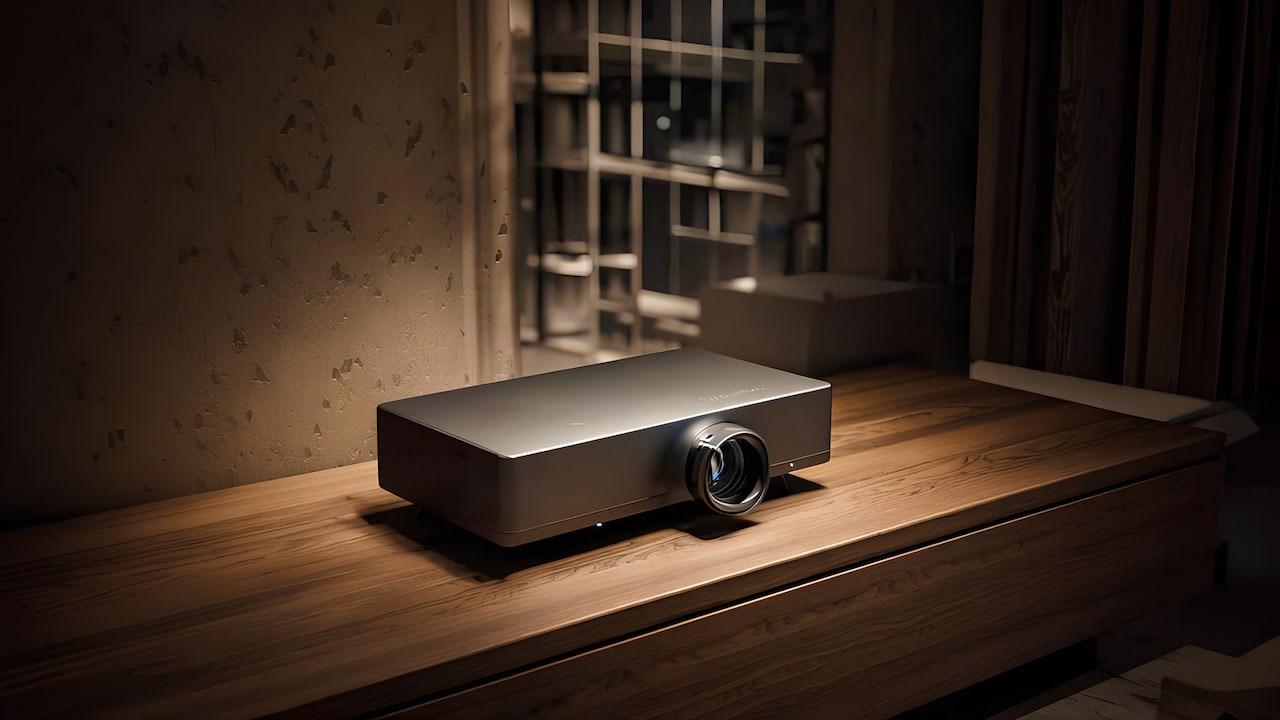
Why Screen Size Matters More Than You'd Think; Photo Credit: iStock
Why Screen Size Matters More Than You'd Think
1. It's Not Just About the Size of the Image
Screen size alone doesn't guarantee a better viewing experience. If the screen is too large for the room or too close to the seats, it leads to visual fatigue. The eye has to work harder to take in the whole image, and that gets pretty tiresome in a short time when you're watching long films or gaming.
2. The Relationship Between Screen and Room
The size of the room limits the size of the screen. A screen that is fantastic in a big open-plan living room can be overwhelming in a small study. Getting this balance right is what separates a well-thought-out setup from one that barely works.
Also Read: How To Pick A Projector Based On Room Size And Lighting
How To Calculate the Right Screen Size for Your Space
1. Start With Your Viewing Distance
Viewing distance is the most important factor in choosing screen size. For most home setups, a useful guideline is to multiply the diagonal size of your screen (in inches) by 1.5 to find the minimum viewing distance in feet and by 2.5 for the maximum comfortable distance.
So for a 100-inch screen, you would ideally be between 12 and 20 feet away. That screen is going to seem a bit excessive if your couch is 10 feet from the wall.
2. Room Width and Ceiling Height
It's easy to get caught up in seating distance and forget about ceiling height. A tall screen in a room with low ceilings can make for an awkward setup, with the top of the image too close to overhead lighting, or even the ceiling itself. Decide on a screen size according to the wall height you have available. Make sure to leave a generous margin above and below the screen for a clean look.
3. A Simple Formula Worth Remembering
If you want a quick starting point, take your viewing distance (inches) and divide by 2. That gives you a rough screen diagonal that should be comfortable. It's not a strict rule, but it's a useful guideline, especially if you're comparing a few options and trying to narrow things down.
Aspect Ratio and How It Affects Your Screen Choice
1. 16:9 vs 2.35:1 — What's the Difference?
The aspect ratio of a screen determines how content fits the image. A 16:9 ratio is the norm for most TVs, streaming platforms and games, so it fits daily use very well. A 2.35:1 screen can help give a more immersive, letterbox-free experience if you watch many films in a cinematic widescreen format but is best suited to dedicated home cinema rooms.
2. Matching the Screen to Your Projector's Native Resolution
The screen and the projector have to work together. If you pair a 4K projector with a screen that doesn't support the throw ratio or aspect ratio properly, you won't get the full benefit of the resolution. Just check your projector specs and match the screen accordingly -- the manufacturer's documentation is usually pretty clear on these details.
Room Type and How It Shapes Your Decision
1. Living Rooms and Open Spaces
Living rooms are usually more flexible, as they tend to be larger rooms with reasonable ceiling heights. Screen sizes of 100-120 inches are common in these spaces, especially when the viewing distance is 12 feet or longer. A motorised pull-down screen is often a good choice for living rooms, as it keeps the space looking neat and tidy when the screen is not in use.
2. Dedicated Home Cinema Rooms
A purpose-built home theatre can provide a larger screen without compromise. The room is fully designed for the viewing experience with blackout curtains, acoustic panels and controlled lighting. With these setups, 120-inch screens and up are actually comfortable, especially with a decent projector.
3. Small Rooms and Compact Setups
You need to pay attention to smaller rooms. If you're working with a room less than 10 feet deep, screen sizes between 80 and 90 inches are typically the reasonable ceiling. In a tight space, it is harder to watch comfortably, and it can affect the projector's focusing ability at that short throw distance.
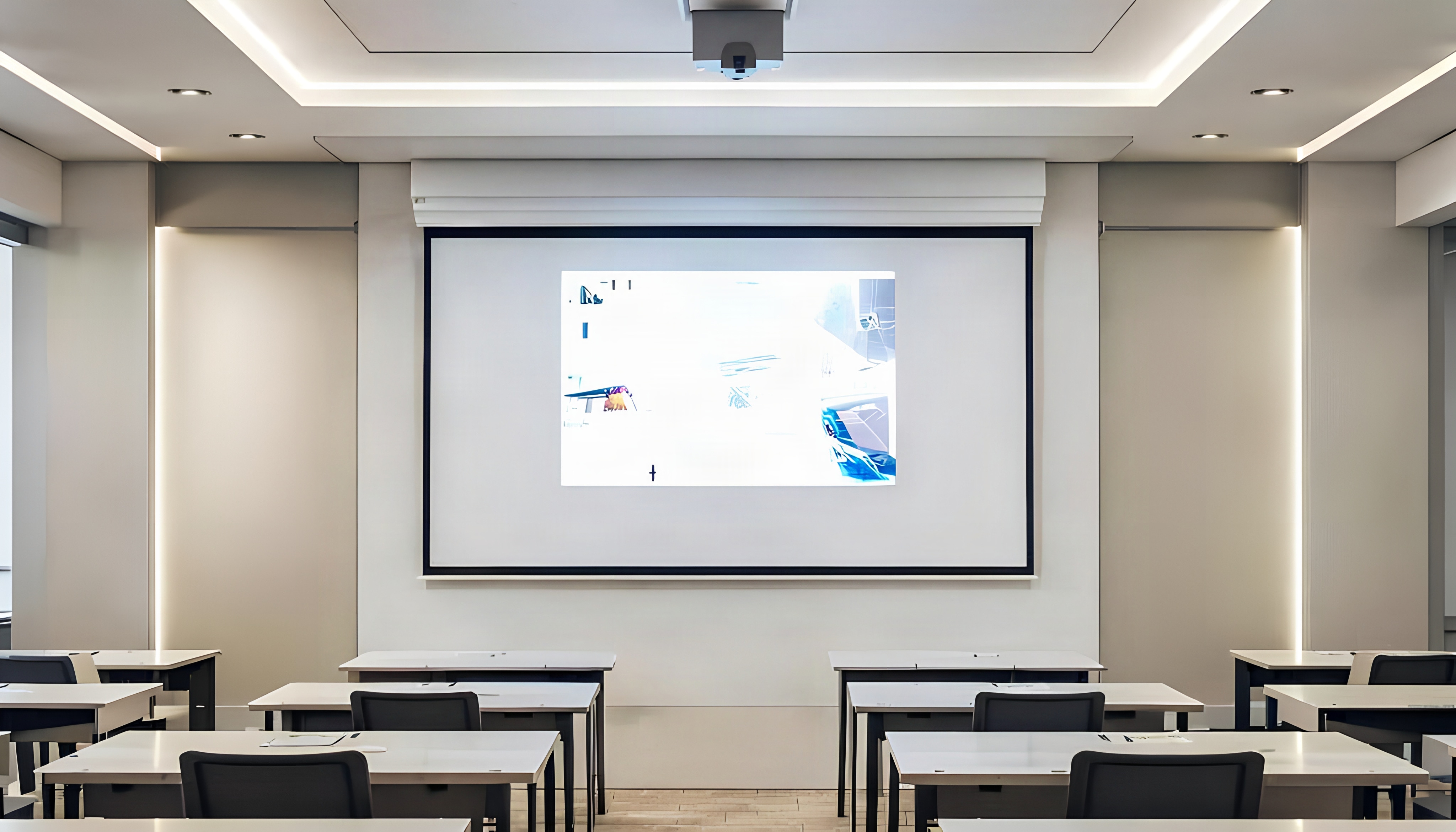
Some Products You May Like; Photo Credit: iStock
Some Products You May Like
1. Inlight 120-inch Diagonal, UHD-3D-4K Ready Technology Motorised Projector Screen
2. Technolite 74x42 inches, 84 inches Diagonal 16:9 Format, Ultra HD-3D-4K-8K Projector Screen
3. BIG VUE Manual Pull Down Projector Screen
4. Inlight Universal 120-inch Diagonal 8X6 Feet in 4:3 Aspect Ratio Projector Screen
5. MOIZ® 106" Inch 16:9 HD Portable Eyelet Projector Screen
6. Inlight Fully Imported Motorised Projector Screen
7. XINLEMY 150-inch 4K 16:9 HD Foldable Portable Projection Screen
8. BIG VUE Basic Fixed Frame White Fabric Projector Screen
Choosing the right projector screen size depends on room size, seating distance, and viewing comfort. Measure your wall, check throw distance, and avoid going too large. A well-balanced screen gives sharp visuals, immersive viewing, and a true theatre feel without straining your eyes while creating a perfect home theatre experience. Shop now on Amazon.
Frequently Asked Questions (FAQs)
1. What is the ideal screen size for a 10-foot viewing distance?
For a viewing distance of 10 feet, a screen size of 80 to 100 inches diagonal generally works well. That range gives a full and immersive image without overwhelming the viewer up close.
2. Does room lighting affect which screen size to choose?
The lighting doesn't change the ideal screen size, but it changes how the image looks. A higher gain screen can help keep the image bright in brighter rooms, particularly at larger sizes.
3. Can a screen be too large for a projector?
Yes. If the throw distance and projector lens are not suited to the screen size, the image may appear stretched, soft around the edges, or unevenly lit. Make sure it fits before you buy.
4. Is a fixed-frame screen better than a retractable one?
Fixed-frame screens tend to have a flatter, more homogeneous surface which works well in dedicated rooms. Retractable screens are ideal for a multi-use space where the screen is not in constant use.
5. How much wall space should be left around the screen?
Allow for at least 6 to 8 inches of clearance on each side of the screen. This provides a balanced look and allows for any mounting hardware or frame. Provide a minimum of 12” of ceiling clearance above the top edge of the screen.
(Disclaimer: This article may include references to or features of products and services made available through affiliate marketing campaigns. NDTV Convergence Limited (“NDTV”) strives to maintain editorial independence while participating in such campaigns. NDTV does not assume responsibility for the performance or claims of any featured products or services.)