Laptop Heating Issues: Hidden Habits That Are Destroying Your Device
Laptop overheating isn’t just a hardware issue; it is often caused by everyday habits. From poor ventilation to heavy multitasking, these mistakes silently damage performance and shorten your device’s lifespan.

Laptop Heating Issues: Hidden Habits That Are Destroying Your Device
A laptop rarely complains loudly. There are no dramatic breakdowns in the beginning, no flashing warnings that demand urgent attention. Instead, there is subtle heat, a gentle whir of the fan, and perhaps a slightly sluggish response while opening a browser tab. It feels manageable, even normal.
Yet, beneath that calm surface, excessive heat builds like pressure in a cooker left on high flame. Over time, internal components suffer, battery life shrinks, and performance dips. Before long, repair bills creep up, often touching ₹3,000 to ₹10,000 or more, depending on the damage.
What makes the situation frustrating is how preventable most of it is. Everyday habits, seemingly harmless, play a major role in turning a perfectly good laptop into an overheating machine. The issue does not lie in expensive software or faulty hardware alone. It often sits right on the desk, in plain sight, disguised as routine.
Laptop Heating Issues: Hidden Habits That Are Destroying Your Device; Photo Credit: Pexels
Hidden Everyday Habits That Trigger Laptop Overheating
Using Laptops On Soft Surfaces
Few things feel more comfortable than working from a bed or sofa. A late-night movie, a quick email, or even a work session sprawled across cushions sounds harmless. However, this cosy setup silently blocks the laptop's airflow.
Most laptops draw cool air from vents placed at the bottom. Soft surfaces like mattresses or blankets trap this airflow. Heat has nowhere to escape, and the internal temperature rises steadily. Within minutes, the device begins to struggle.
This habit becomes particularly dangerous during long sessions. Watching a two-hour film or attending back-to-back meetings amplifies the heat buildup. Over time, the constant stress weakens internal components and shortens their lifespan.
Switching to a hard surface does not demand effort or expense. Even a simple wooden board or a budget laptop stand worth ₹500 can dramatically improve airflow. It may not feel as cosy, but it keeps the machine breathing freely.
Ignoring Dust Accumulation
Dust rarely announces its presence. It settles quietly inside vents, fans, and heat sinks. Over weeks and months, this thin layer turns into a stubborn barrier that traps heat.
A dusty fan cannot spin efficiently. Air circulation slows down, and internal temperatures rise faster than usual. The laptop compensates by working harder, which only adds more heat to the system.
In cities where pollution levels fluctuate, dust buildup becomes even more aggressive. Homes near busy roads or construction sites often experience faster accumulation, making regular cleaning essential.
A simple cleaning session every few months can prevent serious damage. Professional cleaning services typically cost around ₹800 to ₹1,500, a small price compared to replacing a motherboard. Keeping the laptop clean ensures it runs cooler and quieter.
Also Read: Best Intel Core i5 Laptops To Buy In 2026: Performance, Portability And Value
Blocking Ventilation With Poor Placement
Placement matters more than most realise. A laptop pushed against a wall, placed on a cluttered desk, or surrounded by books restricts airflow just as much as a soft surface.
Ventilation needs space. When hot air cannot escape, it circulates within the device, raising the temperature further. This creates a cycle where heat feeds on itself, slowly degrading performance.
Even something as simple as placing the laptop on a table with uneven surfaces can block vents. It may not seem obvious, but airflow requires clear pathways.
Creating a dedicated, clutter-free workspace helps immensely. A well-ventilated area not only keeps the laptop cool but also improves productivity. Small adjustments in placement often make a noticeable difference in temperature and performance.
Overloading With Too Many Applications
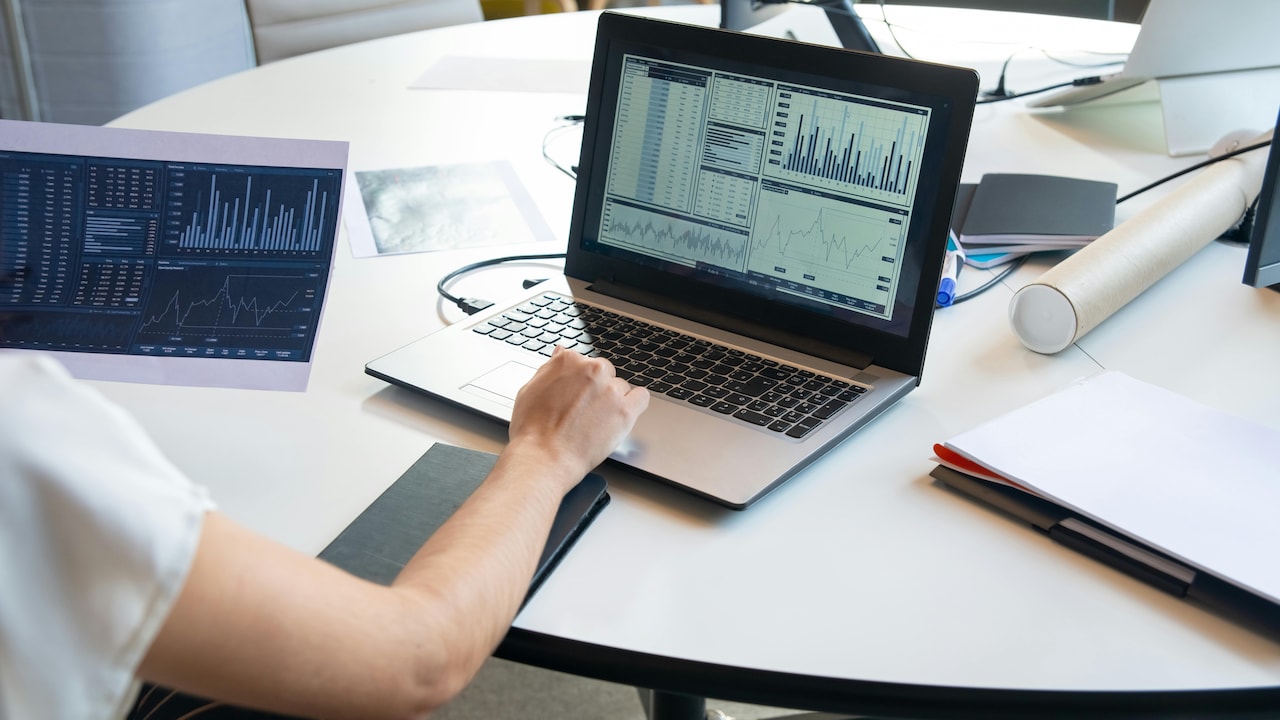
Modern laptops handle multitasking well, but they are not invincible. Running multiple heavy applications simultaneously pushes the processor to its limits.
Editing software, multiple browser tabs, streaming platforms, and background apps collectively demand more power. As the processor works harder, it generates more heat.
This often goes unnoticed because the laptop continues functioning. However, the fan starts spinning louder, and the device becomes warmer to the touch. Over time, this strain affects both speed and hardware health.
Closing unused applications reduces the load significantly. It also frees up memory, making the system faster and cooler. A mindful approach to multitasking keeps the laptop running smoothly without unnecessary stress.
Laptop Heating Issues: Hidden Habits That Are Destroying Your Device; Photo Credit: Pexels
Charging Habits That Generate Excess Heat
Charging seems straightforward, yet it contributes heavily to overheating. Using the laptop intensively while charging creates a double load; power consumption and battery charging happen simultaneously.
This combination generates additional heat, especially during heavy tasks like gaming or video editing. The battery and processor both work harder, increasing the overall temperature.
Leaving the laptop plugged in constantly also affects battery health. Over time, the battery heats up more quickly, reducing efficiency and lifespan.
Allowing the battery to charge and discharge naturally helps maintain balance. Avoiding heavy tasks during charging sessions reduces heat buildup. These small changes protect both the battery and internal components.
Skipping Software Updates
Software updates often feel like interruptions. Many postpone them, assuming they do not matter much. However, outdated software can contribute to overheating.
Updates often include performance improvements and bug fixes. Without them, the system may run inefficient processes that consume extra resources. This leads to higher CPU usage and increased heat.
Some updates also optimise how hardware components interact. Ignoring them means missing out on these improvements.
Keeping the system updated ensures smoother performance. It also reduces unnecessary strain on the processor, helping maintain a stable temperature.
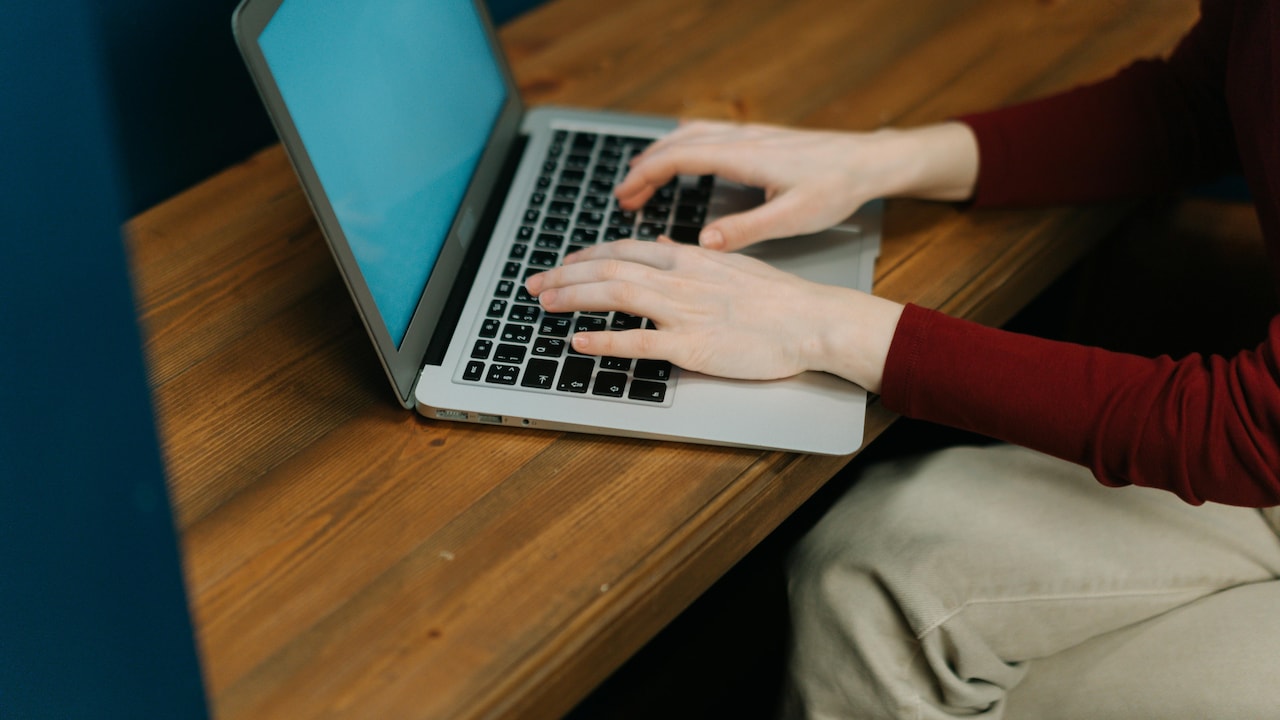
Laptop Heating Issues: Hidden Habits That Are Destroying Your Device; Photo Credit: Pexels
Using Heavy Software On Low-End Devices
Not every laptop is built for demanding tasks. Running advanced editing tools or high-end games on basic machines forces them to operate beyond their capacity.
This mismatch creates excessive heat. The processor struggles to keep up, and the fan works overtime to manage the temperature.
The result is not just overheating but also lag, crashes, and long-term damage. Many users blame the laptop, but the issue often lies in unrealistic expectations.
Choosing software that matches the device's capabilities prevents unnecessary stress. It also ensures a smoother experience without pushing the hardware to its limits.
Neglecting Thermal Paste Maintenance
Thermal paste rarely gets attention, yet it plays a crucial role in heat management. It sits between the processor and the heat sink, helping transfer heat efficiently.
Over time, this paste dries out and loses effectiveness. When that happens, heat transfer slows down, causing temperatures to rise.
This issue does not show immediate symptoms, making it easy to ignore. However, prolonged overheating can damage critical components.
Replacing thermal paste every couple of years keeps the cooling system efficient. While it may require professional help costing around ₹1,000 to ₹2,000, it significantly improves heat management.
Using Laptops In Hot Environments
Ambient temperature influences laptop performance more than expected. Using a device in a hot room or under direct sunlight increases its baseline temperature.
When the surrounding air is already warm, the laptop struggles to cool itself. The cooling system becomes less effective, leading to faster overheating.
This is particularly noticeable during the summer months when room temperatures rise significantly. Even normal tasks can cause noticeable heating.
Keeping the laptop in a cooler environment helps maintain stability. Simple measures like using a fan or avoiding direct sunlight make a meaningful difference.
Ignoring Early Warning Signs
Overheating rarely appears suddenly. It builds gradually, offering subtle warning signs along the way.
A louder fan, slight lag, or a warm keyboard often signals rising temperatures. Ignoring these signs allows the problem to escalate.
Many continue using the laptop despite these symptoms, assuming it will manage. Unfortunately, this approach often leads to more serious issues later.
Paying attention to these early signals helps prevent long-term damage. Taking action early saves both time and money, avoiding costly repairs down the line.
Products Related To This Article
1. HP 15, 13th Gen Intel Core i3-1315U (12GB DDR4, 512GB SSD) FHD
2. Apple 2026 MacBook Neo 13″ Laptop with A18 Pro chip: Built for AI and Apple Intelligence
3. Lenovo IdeaPad Slim 3 13th Gen Core i5-13420H 15.3 inch (38.8cm) WUXGA IPS Laptop
4. Primebook 2 Max 2026 (New Launch)
5. ASUS TUF A15 (2025) AMD Ryzen 7 7445HS
A laptop does not demand much. It requires space to breathe, occasional cleaning, and mindful usage. Yet, small habits often slip through unnoticed, slowly pushing the device towards overheating.
The irony lies in how easily most of these issues can be avoided. A slight change in routine, placing the laptop on a hard surface, closing unnecessary apps, or scheduling regular cleaning, can extend its life by years.
In a world where devices cost anywhere between ₹40,000 and ₹1,50,000, protecting them becomes more than a technical concern. It becomes a matter of smart ownership.
Heat may feel harmless at first, but it carries long-term consequences. Recognising these hidden habits and addressing them early ensures that the laptop remains reliable, efficient, and ready for everyday demands.
(Disclaimer: This article may include references to or features of products and services made available through affiliate marketing campaigns. NDTV Convergence Limited (“NDTV”) strives to maintain editorial independence while participating in such campaigns. NDTV does not assume responsibility for the performance or claims of any featured products or services.)