Poor Sound Quality On TVs? How Do Dolby Audio TVs That Actually Enhance Experience
Struggling with weak TV sound? Dolby Audio TVs boost clarity, depth, and balance, turning everyday viewing into a richer, more immersive experience without needing extra speakers.
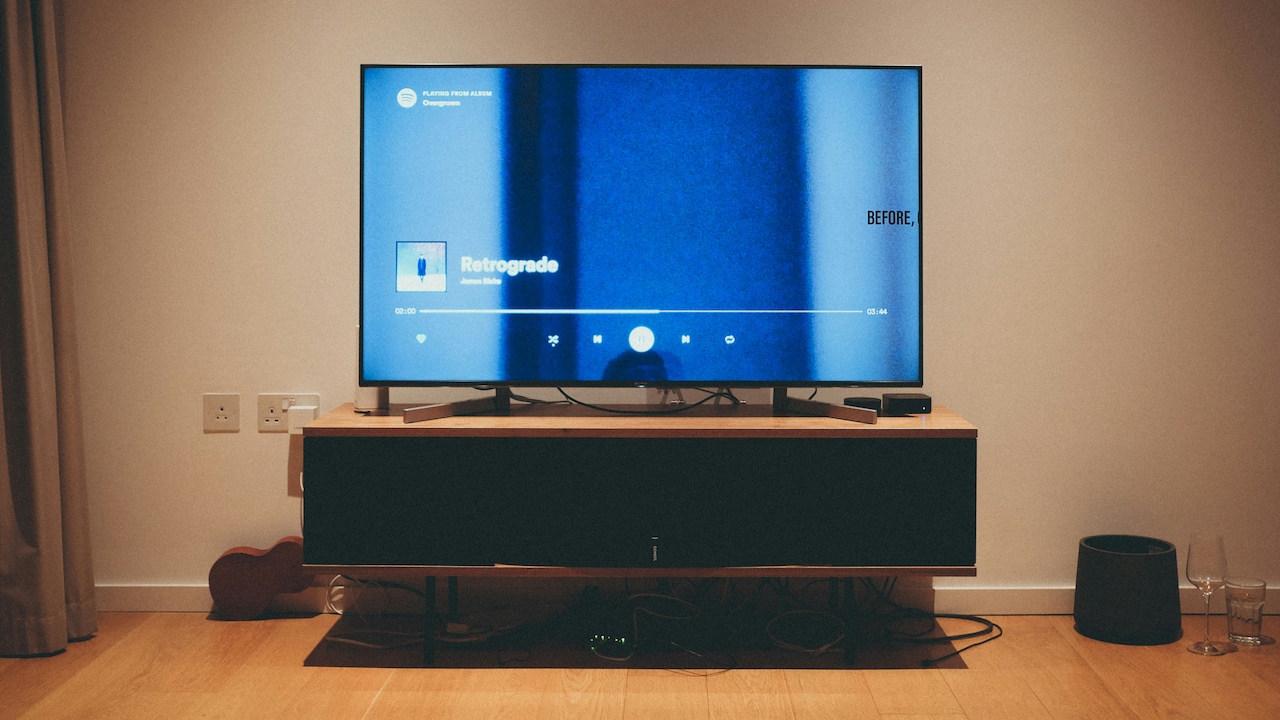
Poor TV Sound Quality? How Dolby Audio TVs Enhance Your Viewing Experience
A brand-new television often dazzles with vibrant colours and crisp resolution. Yet, within days, something feels missing. Dialogue sounds muffled, action scenes lack punch, and music loses its emotional pull. The culprit is rarely the content; it is the sound.
Modern TVs have become slimmer than ever, leaving little room for powerful speakers. As a result, even expensive models struggle to produce immersive audio. This is where Dolby Audio steps in, transforming everyday viewing into something far more engaging.
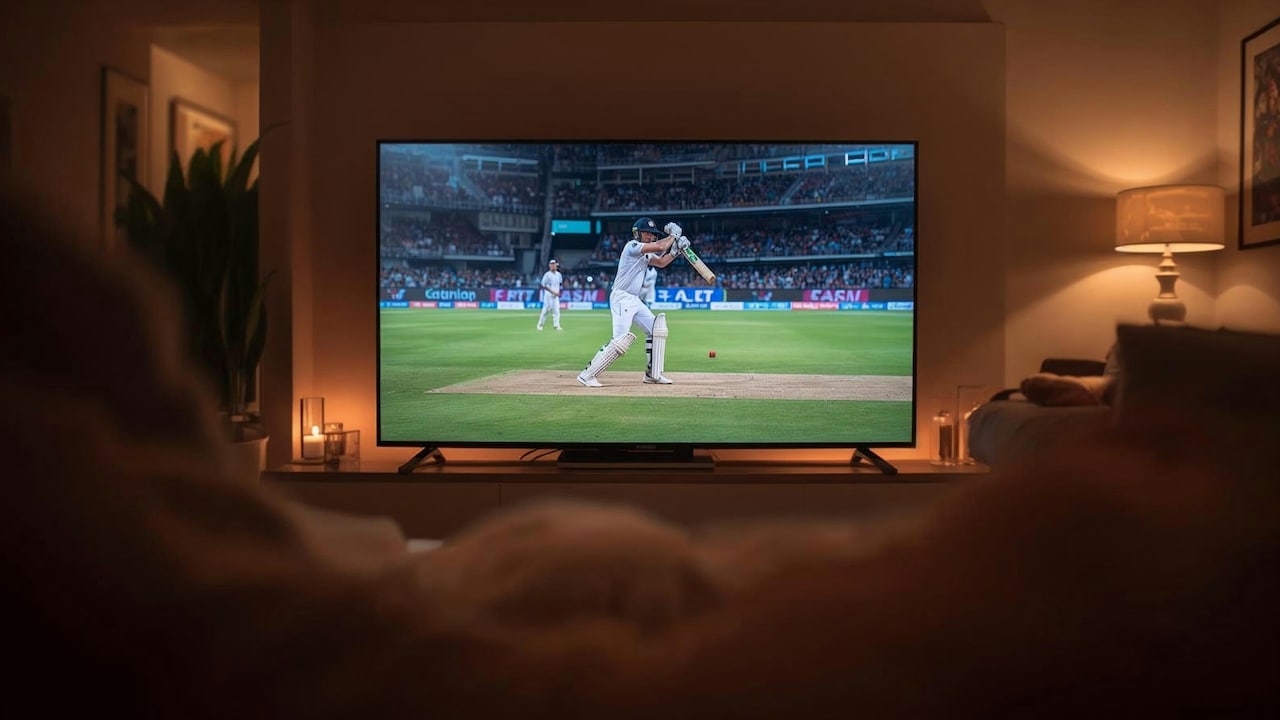
From late-night cricket matches to weekend film marathons, sound shapes the entire experience. Dolby Audio TVs aim to recreate the richness of cinema halls within compact living rooms. But the real question remains: do they truly make a difference, or is it just clever marketing?
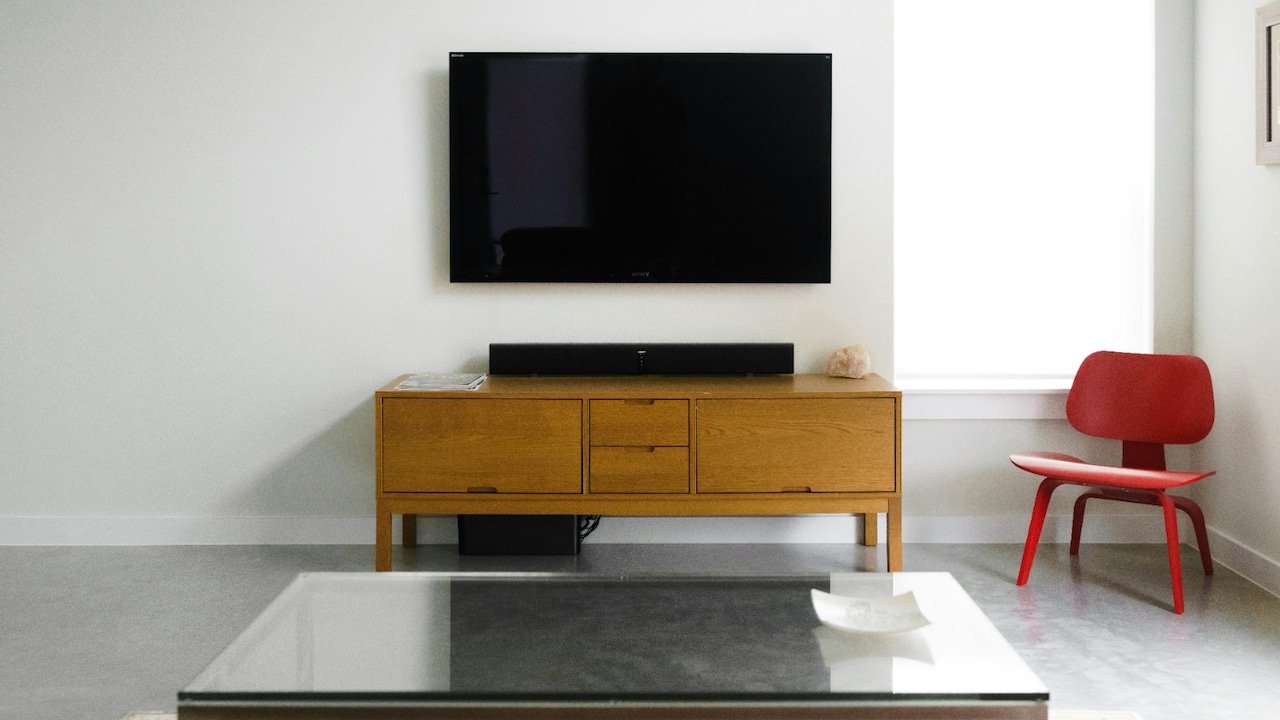
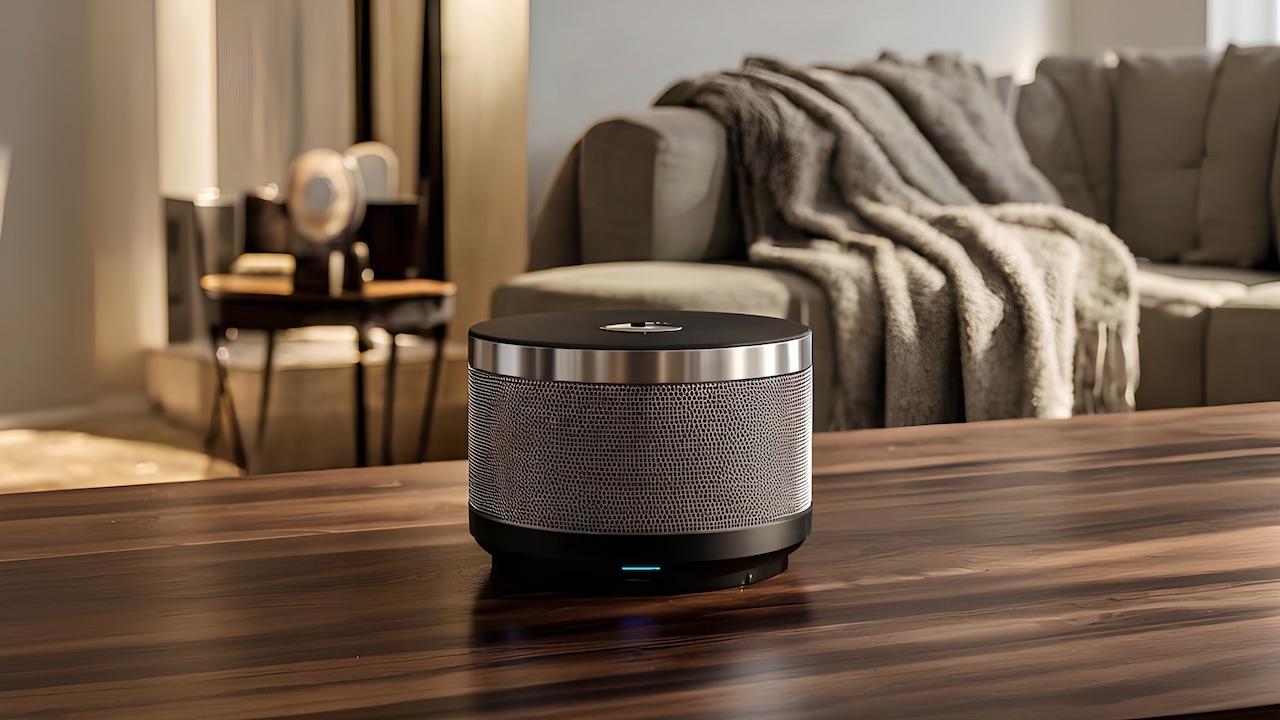
Poor TV Sound Quality? How Dolby Audio TVs Enhance Your Viewing Experience; Photo Credit: Pexels
Key Ways Dolby Audio TVs Transform Your Viewing Experience
Why Modern TVs Struggle With Sound Quality
Televisions today resemble sleek panels mounted on walls, but this design comes at a cost. The thinner the TV, the smaller the speakers inside. Smaller speakers simply cannot push enough air to create deep bass or rich tones. As a result, audio often sounds flat, especially in larger rooms.
Another challenge lies in speaker placement. Many TVs position speakers at the back or bottom, directing sound away from the viewer. This causes dialogue to feel distant, even when sitting right in front of the screen. Watching a tense thriller becomes frustrating when whispers fade into background noise.
Rooms also play a role. Hard surfaces like tiles and glass reflect sound, creating echoes. Without proper audio processing, these reflections distort clarity. Traditional TV speakers fail to adapt to such environments.
This combination of slim design, poor placement, and lack of processing explains why sound often disappoints. While visuals have evolved rapidly, audio has lagged, leaving viewers craving a fuller, richer experience.
What Exactly Is Dolby Audio?
Dolby Audio is not just about louder sound; it focuses on clarity, balance, and immersion. Developed over decades, Dolby technology enhances how sound is processed and delivered through speakers.
At its core, Dolby Audio separates different sound elements. Dialogue, music, and effects each receive distinct treatment. This ensures voices remain clear, even during loud action scenes. No more adjusting volume constantly during films.
Another key feature involves dynamic range control. This balances soft and loud sounds, making late-night viewing easier without waking the entire household. Subtle background sounds become audible without overwhelming explosions.
Dolby Audio also creates a sense of space. Even with limited speakers, it simulates direction and depth. A passing car or cheering crowd feels more realistic.
Unlike basic stereo sound, Dolby Audio adds layers to the listening experience. It transforms simple audio output into something that feels alive, making every scene more engaging and enjoyable.
Also Read: Top 10 4K Ultra HD Smart TVs For Your Home Entertainment Needs
The Difference Between Standard And Dolby Audio
Switching from standard TV audio to Dolby Audio feels like moving from a basic radio to a concert hall. Standard audio often compresses sound, losing detail and depth. Everything blends into a single flat layer.
Dolby Audio, on the other hand, separates sound into multiple channels. This allows distinct elements to shine. Dialogue becomes sharper, music gains warmth, and effects feel more impactful.
Consider a cricket match. Standard audio delivers commentary and crowd noise as a single mix. With Dolby Audio, commentary remains crisp while crowd reactions surround the listener, creating a stadium-like atmosphere.
Another difference lies in consistency. Standard audio fluctuates, forcing frequent volume adjustments. Dolby Audio maintains balance, ensuring a smoother experience.
The improvement becomes even more noticeable during films. Quiet conversations remain audible, while action scenes carry proper intensity without distortion.
In essence, Dolby Audio does not just improve sound quality; it enhances how sound is experienced, making everyday viewing far more engaging.
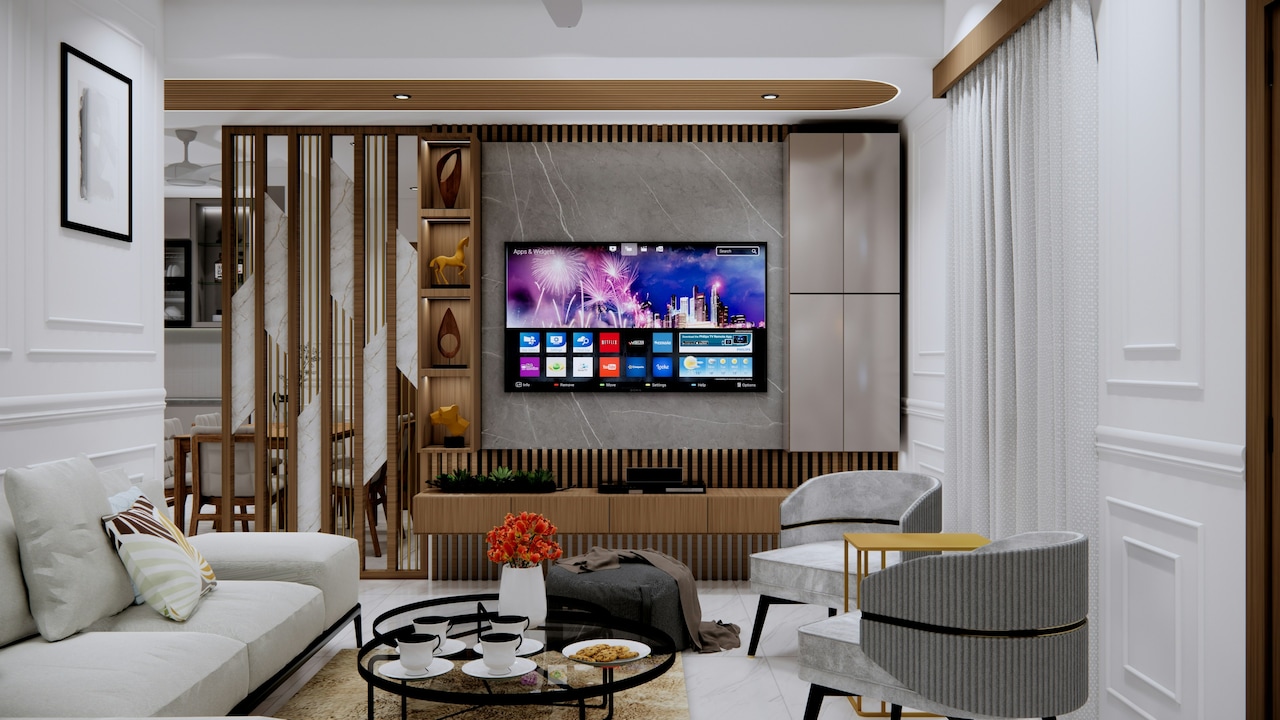
Poor TV Sound Quality? How Dolby Audio TVs Enhance Your Viewing Experience; Photo Credit: Pexels
How Dolby Audio Enhances Dialogue Clarity
One of the most common complaints about TV sound involves unclear dialogue. Characters speak, yet words blur together, especially during intense scenes. This issue often leads to constant rewinding or switching on subtitles.
Dolby Audio tackles this problem with precision. It isolates speech frequencies, ensuring voices remain distinct from background sounds. This makes conversations easier to follow, even in noisy scenes.
Watching a family drama becomes more enjoyable when every word lands clearly. No need to strain ears or increase volume unnecessarily. Even soft-spoken characters sound natural and audible.
This feature proves particularly useful during news broadcasts and interviews. Anchors and speakers maintain clarity, regardless of surrounding noise.
The improvement also benefits multilingual content, where understanding every word matters. Clear dialogue enhances emotional connection, allowing viewers to fully engage with the story.
With Dolby Audio, conversations feel natural, bringing characters closer and making storytelling far more impactful.
The Role Of Surround Sound In Everyday Viewing
Surround sound often feels like a luxury reserved for theatres, but Dolby Audio brings a version of it into everyday living rooms. Even without multiple speakers, it creates an illusion of sound coming from different directions.
This spatial effect transforms how scenes are perceived. A rainstorm feels immersive, with droplets seemingly falling around the room. A passing train sounds like it moves from one side to the other.
Sports events benefit greatly from this feature. The roar of the crowd surrounds the viewer, making matches feel more exciting. Even simple shows gain depth, turning ordinary moments into engaging experiences.
The magic lies in audio processing. Dolby Audio uses clever algorithms to simulate direction and distance. This creates a richer soundstage without requiring complex setups.
While not identical to a full home theatre system, it offers a noticeable upgrade over standard TV audio. It adds dimension, making content feel more alive and less confined to the screen.
Why Dolby Audio Matters For Streaming Content
Streaming platforms have become the go-to source for entertainment. From web series to blockbuster films, content variety has exploded. However, audio quality often varies widely.
Dolby Audio ensures consistency across different platforms. It optimises sound based on the content, delivering a balanced experience regardless of source.
Watching a thriller series becomes more engaging when the background score builds tension effectively. Romantic scenes feel more emotional with clear music and dialogue. Even documentaries benefit from enhanced narration.
Data compression during streaming often reduces audio quality. Dolby Audio compensates for this loss, restoring clarity and depth. This makes a significant difference on slower internet connections.
With subscriptions costing ₹199 to ₹999 per month, viewers expect premium quality. Dolby Audio helps deliver on that expectation, ensuring sound matches the visual experience.
In a world dominated by streaming, good audio is no longer optional. It plays a crucial role in making content truly enjoyable.
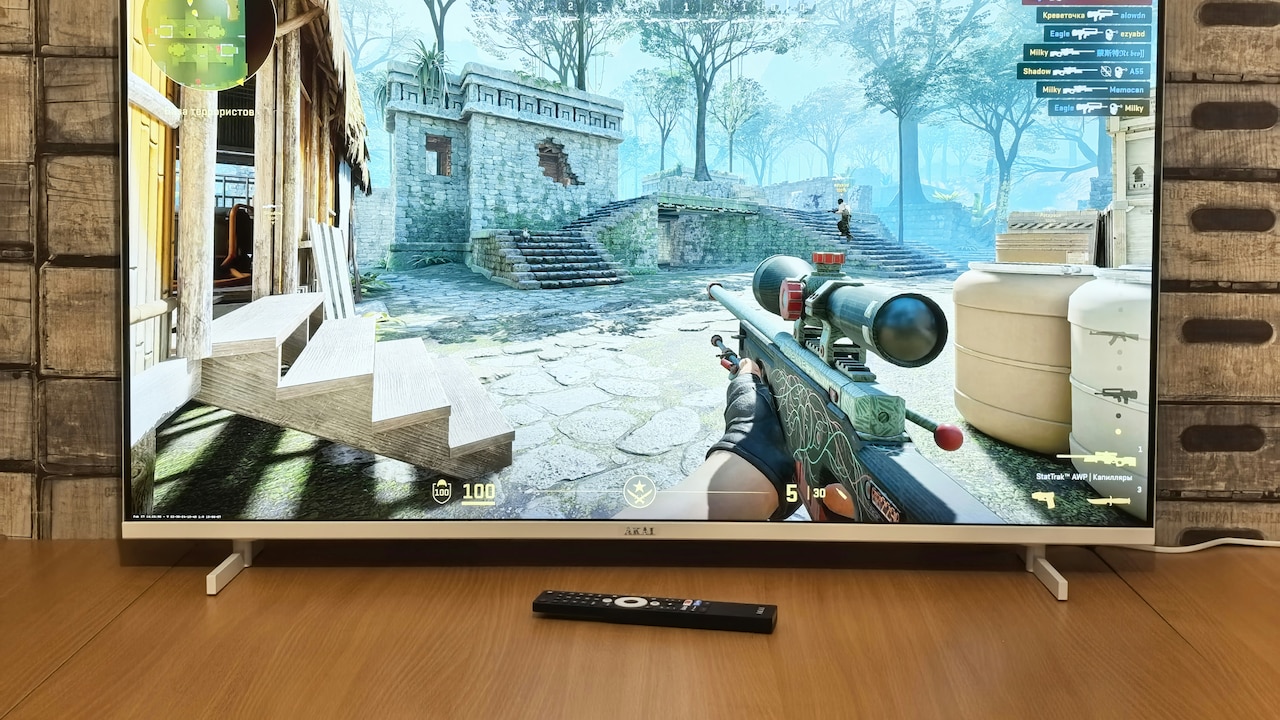
Poor TV Sound Quality? How Dolby Audio TVs Enhance Your Viewing Experience; Photo Credit: Pexels
Gaming And Dolby Audio: A Hidden Advantage
Gaming has moved beyond casual entertainment. It has become immersive, competitive, and deeply engaging. Sound plays a critical role in this experience, often determining success in gameplay.
Dolby Audio enhances gaming by improving directional sound. Footsteps, gunfire, and environmental cues become easier to detect. This provides a subtle yet significant advantage during competitive matches.
Open-world games benefit even more. Ambient sounds like wind, wildlife, and distant activity create a believable environment. This adds depth, making virtual worlds feel more real.
Even casual gaming sessions become more enjoyable. Racing games feel faster with engine sounds roaring around the player. Adventure games draw players deeper into their stories.
Many modern consoles and streaming platforms support Dolby Audio. Pairing them with a compatible TV unlocks their full potential.
For gamers, sound is not just about enjoyment; it is part of the strategy. Dolby Audio enhances both, making it a valuable feature for any gaming setup.
Do You Still Need A Soundbar With Dolby Audio TVs?
The presence of Dolby Audio raises an important question: is a soundbar still necessary? The answer depends on expectations and room size.
Dolby Audio TVs deliver a noticeable improvement over standard models. For smaller rooms, this enhancement may feel sufficient. Dialogue becomes clearer, and overall sound gains depth.
However, soundbars still offer stronger bass and wider sound projection. Larger living rooms may benefit from this additional power. A soundbar complements Dolby Audio, creating a more immersive setup.
Budget also plays a role. A good soundbar can cost anywhere between ₹5,000 and ₹25,000. For many households, a Dolby Audio TV alone provides a solid upgrade without extra expense.
The combination of both delivers the best experience, but it is not essential. Dolby Audio TVs stand strong on their own, especially for everyday viewing.
Ultimately, the decision depends on personal preference, room size, and how immersive the experience needs to be.
Are Dolby Audio TVs Worth The Price?
Televisions come in a wide price range, from budget options around ₹15,000 to premium models exceeding ₹1,00,000. Dolby Audio often appears in mid-range and high-end TVs.
The added cost usually reflects better processing and audio capabilities. For viewers who value sound quality, this investment makes sense. It reduces the need for external speakers and enhances the overall experience.
Casual viewers may not notice the difference immediately. However, over time, the improved clarity and balance become hard to ignore. Once experienced, returning to basic audio feels disappointing.
Value also depends on usage. Frequent streaming, gaming, or movie watching justifies the upgrade. Occasional viewing may not require such features.
Dolby Audio adds long-term value by improving daily entertainment. It transforms routine TV time into something more enjoyable.
Considering the growing importance of content consumption, investing in better audio feels less like a luxury and more like a smart choice.
Choosing The Right Dolby Audio TV For Your Home
Selecting the right TV involves more than just checking for Dolby Audio. Screen size, room layout, and usage patterns all matter.
Larger rooms benefit from bigger screens and stronger speakers. Smaller spaces may require compact models with balanced sound output. Viewing distance also influences the ideal screen size.
Connectivity options play a role as well. HDMI ports, Bluetooth support, and streaming compatibility enhance convenience. A TV should integrate smoothly with existing devices.
Brand reliability and after-sales service remain important considerations. A slightly higher upfront cost often ensures better longevity and support.
Audio settings also deserve attention. Customisation options allow users to adjust sound based on preferences and room acoustics.
Choosing the right Dolby Audio TV involves balancing features, budget, and personal needs. A thoughtful decision ensures a satisfying experience that lasts for years.
Products Related To This Article
1. Hisense 108 cm (43 Inches) 4K Ultra HD Smart QLED TV
2. Toshiba 100 cm (40 Inches) HD Ready Smart LED TV
3. SANSUI 80cm (32) Google TV with QLED Display
4. TCL 139 cm (55 inches) 4K UHD Smart QD-Mini LED Google TV
5. Xiaomi 108 cm (43 inch) FX Pro QLED Ultra HD 4K Smart Fire TV
Television technology has advanced rapidly, yet sound quality often lags behind visuals. Dolby Audio addresses this gap, bringing clarity, depth, and immersion into everyday viewing.
From clearer dialogue to enhanced surround effects, it transforms how content is experienced. Whether watching films, streaming series, or playing games, improved audio makes a noticeable difference.
While not a complete replacement for high-end audio systems, Dolby Audio TVs offer a practical and effective upgrade. They strike a balance between performance and convenience, making them suitable for most households.
As entertainment continues to evolve, sound will play an even greater role. Investing in better audio today ensures a richer, more enjoyable experience tomorrow.
(Disclaimer: This article may include references to or features of products and services made available through affiliate marketing campaigns. NDTV Convergence Limited (“NDTV”) strives to maintain editorial independence while participating in such campaigns. NDTV does not assume responsibility for the performance or claims of any featured products or services.)