Need More Ports in One Place? How Do USB Hubs Expand Connectivity?
Running out of USB ports? USB hubs expand a single connection into many, letting multiple devices work seamlessly together. A simple solution for a smoother, clutter-free digital life.

Need More Ports in One Place? How Do USB Hubs Expand Connectivity?
Modern life revolves around devices. Laptops, Android smartphones, tablets, external drives, keyboards, and even coffee warmers now demand a slice of connectivity. Yet, most laptops arrive with just two or three USB ports, leaving users juggling cables like a street performer at a busy signal.
That's where USB hubs step in, almost like unsung heroes of the digital workspace. These small, often overlooked devices bring order to chaos by expanding a single USB port into multiple connections. Whether working from a bustling café, attending online classes, or setting up a home office, a USB hub quietly ensures everything stays plugged in and functional.
What makes them fascinating is not just their practicality but how they adapt to different lifestyles. From students to professionals, gamers to creatives, everyone finds a unique use. Let's explore how USB hubs expand connectivity and why they have become an essential companion in today's gadget-driven world.

Need More Ports in One Place? How Do USB Hubs Expand Connectivity?; Photo Credit: Pexels
How USB Hubs Transform Everyday Connectivity
The Everyday Struggle Of Limited Ports
A familiar scene unfolds at many desks: plugging in a mouse forces the keyboard out, connecting a hard drive means sacrificing the charger, and suddenly, productivity slows down. Limited ports create a domino effect of inconvenience.
Consider a typical workday. A laptop sits open, a phone charges nearby, and an external drive holds important files. Add a printer or a webcam, and things quickly spiral into a game of musical chairs with cables. This isn't just frustrating; it interrupts workflow and focus.
USB hubs solve this by acting like a multi-plug extension for digital devices. Instead of constantly unplugging and replugging, everything connects at once. The result feels almost liberating. Work flows better, interruptions reduce, and the desk starts to look less like a tangled jungle of wires.
In a country where multitasking is second nature, from handling work calls while checking messages to streaming videos during breaks, having enough ports is not a luxury. It's a necessity that USB hubs function effortlessly.
What Exactly Is A USB Hub?
At first glance, a USB hub looks like a simple accessory. A small box or stick with multiple ports doesn't seem revolutionary. Yet, its function is surprisingly powerful.
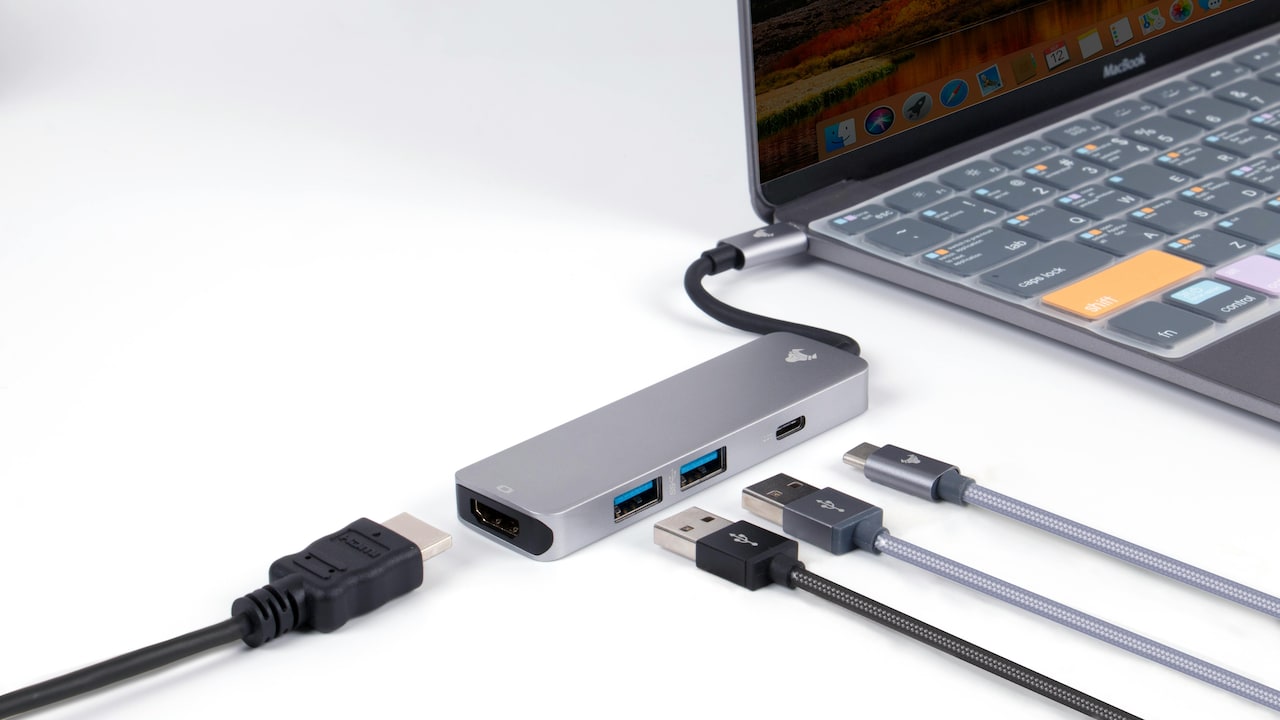
A USB hub connects to a single USB port on a computer and expands it into several ports. Think of it as turning one lane into a multi-lane highway, allowing several devices to communicate with the computer simultaneously.
There are two main types: powered and unpowered hubs. Unpowered hubs draw energy from the laptop itself, making them portable and convenient. Powered hubs come with an external adapter, providing extra energy for devices like external hard drives that need more power.
Despite their simplicity, USB hubs are engineered to handle data transfer, power distribution, and device management efficiently. The best part is how seamlessly they integrate into everyday use. Plug it in, and it works. No complicated setup, no technical hurdles.
This simplicity makes USB hubs accessible to everyone, from tech enthusiasts to those who just want their devices to work without fuss.
Also Read: Portronics To iBall, Check Top 5 USB Hubs Shoppers Want Right Now
Transforming Workspaces With Ease
A cluttered workspace often reflects a cluttered mind. Tangled cables, disconnected devices, and constant interruptions can drain energy faster than a long commute in traffic.
USB hubs bring a sense of calm to this chaos. By centralising connections, they reduce cable clutter and create a more organised desk. Suddenly, everything has its place. The mouse stays connected, the keyboard remains responsive, and the phone charges without hassle.
For those working from home, this transformation feels especially valuable. A USB hub can turn a simple laptop setup into a fully functional workstation. Add a monitor, a keyboard, and a mouse, and the difference is remarkable.
Even in small spaces, where every inch matters, USB hubs maximise efficiency. They eliminate the need for multiple adapters and extensions, keeping things compact and tidy.
There's a quiet satisfaction in seeing everything connected and working smoothly. It's not just about convenience; it's about creating an environment where work feels less stressful and more productive.
Supporting Multiple Devices Simultaneously
Modern routines involve juggling multiple devices at once. A phone needs charging, a pen drive stores presentations, and a headset handles calls. Managing all these connections without enough ports feels like solving a puzzle under pressure.
USB hubs simplify this by allowing several devices to operate together. There's no need to prioritise one over another. Everything connects and functions simultaneously.
This becomes especially useful during busy days. Imagine attending an online meeting while transferring files and charging a phone. Without a hub, this scenario quickly turns messy. With a hub, it feels seamless.
Students benefit too. Connecting a laptop to a projector, using a pen drive, and charging devices during lectures becomes effortless. The same applies to creative professionals who rely on cameras, storage devices, and editing tools all at once.
The ability to handle multiple connections isn't just convenient; it enhances efficiency. It allows users to focus on tasks rather than worrying about which device to unplug next.
Need More Ports in One Place? How Do USB Hubs Expand Connectivity?; Photo Credit: Pexels
Enhancing Data Transfer Efficiency
Beyond adding ports, USB hubs play a crucial role in data transfer. Speed matters, especially when dealing with large files like videos, photos, or software.
Modern USB hubs support high-speed data transfer, ensuring files move quickly between devices. This saves valuable time, particularly for professionals working with heavy data.
For instance, transferring a large video project from an external drive to a laptop can take ages with slower connections. A good USB hub ensures the process is faster and smoother.
Gamers and content creators also benefit. Whether loading games or editing high-resolution images, faster data transfer improves the overall experience.
Even everyday tasks like copying documents or backing up files become quicker. It may seem like a small improvement, but over time, it adds up to significant time savings.
In a fast-paced world, where every minute counts, this efficiency makes USB hubs more than just a convenience. They become a productivity tool.
Powering Devices Without Interruptions
Charging devices is as essential as using them. A dead phone or an unresponsive external drive can disrupt an entire day.
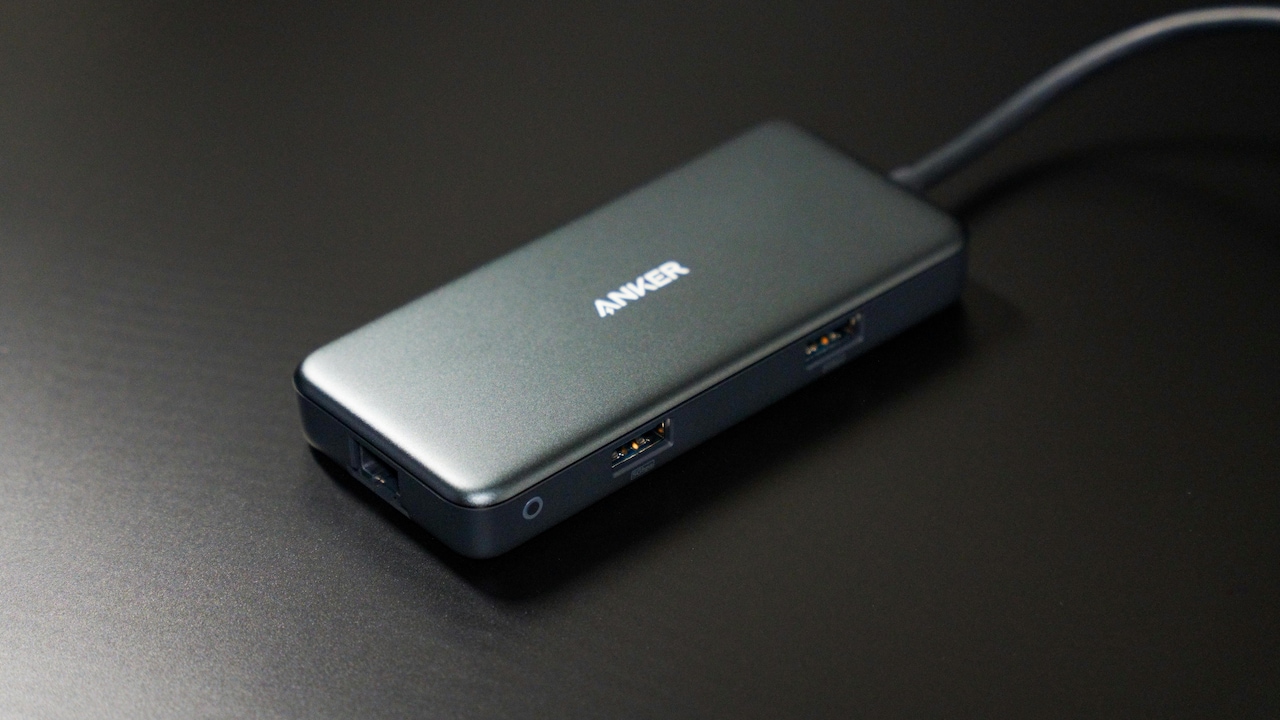
USB hubs, especially powered ones, ensure devices receive consistent energy. This means multiple gadgets can charge simultaneously without slowing down or disconnecting.
For those constantly on the move, this feature proves invaluable. Instead of carrying multiple chargers, a single hub can handle everything. It simplifies travel and reduces the number of accessories needed.
Even at home, the convenience stands out. Charging a phone, smartwatch, and wireless earbuds together becomes effortless. No more searching for spare sockets or adapters.
Reliable power distribution also protects devices. Stable charging reduces the risk of damage caused by an inconsistent energy supply.
In a world where staying connected matters, USB hubs quietly ensure devices remain powered and ready, supporting uninterrupted routines.
Need More Ports in One Place? How Do USB Hubs Expand Connectivity?; Photo Credit: Pexels
Perfect For Travel And Portability
Life doesn't always stay in one place. Work shifts between home, office, and cafés. Travel brings its own set of challenges, especially when it comes to managing devices.
USB hubs shine in these situations. Their compact size makes them easy to carry. Slip one into a bag, and it's ready whenever needed.
At airports, where charging points are limited, a USB hub can turn one socket into several. During train journeys, it keeps devices powered and connected without hassle.
Even in hotel rooms, where sockets may be inconveniently placed, a hub offers flexibility. It ensures all devices stay functional without rearranging furniture or hunting for adapters.
Portability doesn't just mean convenience; it adds a sense of preparedness. Knowing that all devices can connect anywhere brings peace of mind.
For those constantly on the move, a USB hub becomes more than an accessory. It becomes a reliable travel companion.
Cost-Effective Solution For Connectivity
Upgrading devices often feels expensive. Buying a new laptop just for extra ports isn't practical for most people.
USB hubs offer a budget-friendly alternative. Instead of spending thousands of rupees on new hardware, a hub provides the same functionality at a fraction of the cost.
This makes them accessible to students, freelancers, and small businesses. They deliver value without stretching budgets.
Even in shared spaces, where multiple people use the same setup, a USB hub proves useful. It allows everyone to connect their devices without conflict.
The affordability doesn't compromise functionality. Modern hubs offer features like fast charging and high-speed data transfer, making them a smart investment.
In a time where managing expenses matters, USB hubs strike the perfect balance between cost and convenience, proving that small solutions can deliver big benefits.
Adapting To Evolving Technology
Technology evolves quickly. Devices become thinner, lighter, and more advanced, often at the cost of fewer ports.
USB hubs bridge this gap. They adapt to changing needs, ensuring compatibility with newer devices. Whether it's USB-C ports or traditional USB-A, hubs keep everything connected.
As work and entertainment become more digital, the demand for connectivity grows. USB hubs meet this demand without requiring constant upgrades.
They also support a wide range of devices, from laptops and tablets to gaming consoles and smart TVs. This versatility ensures they remain relevant even as technology changes.
Future-ready features like faster speeds and improved power delivery make them a long-term solution. They evolve alongside devices, ensuring users stay connected without hassle.
In a world driven by innovation, USB hubs quietly keep everything running smoothly, adapting to whatever comes next.
Products Related To This Article
1. Honeywell 7-in-1 Type-C Docking Station with 4K HDMI
2. Amkette USB C Hub 4 Port Type C Hub for Laptop/PC with USB 3.0 Port for 5 Gbps Superspeed Data Transmission
3. Zebronics 200HB USB 3.0 4 Port hub with Hi Speed Data Transfer
4. Portronics Mport 8 Plus Dual Plug 8-in-1 Docking Station
5. USB 3.0 Hub 7 Port Powered Extender with Individual Switches & LED Indicators
USB hubs may seem small, but their impact is anything but. They transform limited connectivity into endless possibilities, making everyday digital life smoother and more efficient.
From organising workspaces to supporting multiple devices, enhancing data transfer, and ensuring reliable power, their benefits touch nearly every aspect of modern routines. They simplify challenges that once felt unavoidable.
What makes them truly valuable is their ability to adapt. Whether at home, in the office, or on the move, USB hubs fit seamlessly into different lifestyles.
In a world filled with devices competing for attention, having enough ports brings a sense of control. It removes frustration and adds convenience, allowing focus to shift back to what truly matters.
Sometimes, the simplest solutions create the biggest difference. USB hubs are a perfect example, quietly expanding connectivity and making everyday life just a little bit easier.
(Disclaimer: This article may include references to or features of products and services made available through affiliate marketing campaigns. NDTV Convergence Limited (“NDTV”) strives to maintain editorial independence while participating in such campaigns. NDTV does not assume responsibility for the performance or claims of any featured products or services.)