Are Smartwatches Replacing Classic Watches Or Just Co-Existing?
Smartwatches bring convenience and health tracking, while classic watches offer timeless style and emotional value. Are they rivals or simply sharing space on modern wrists?
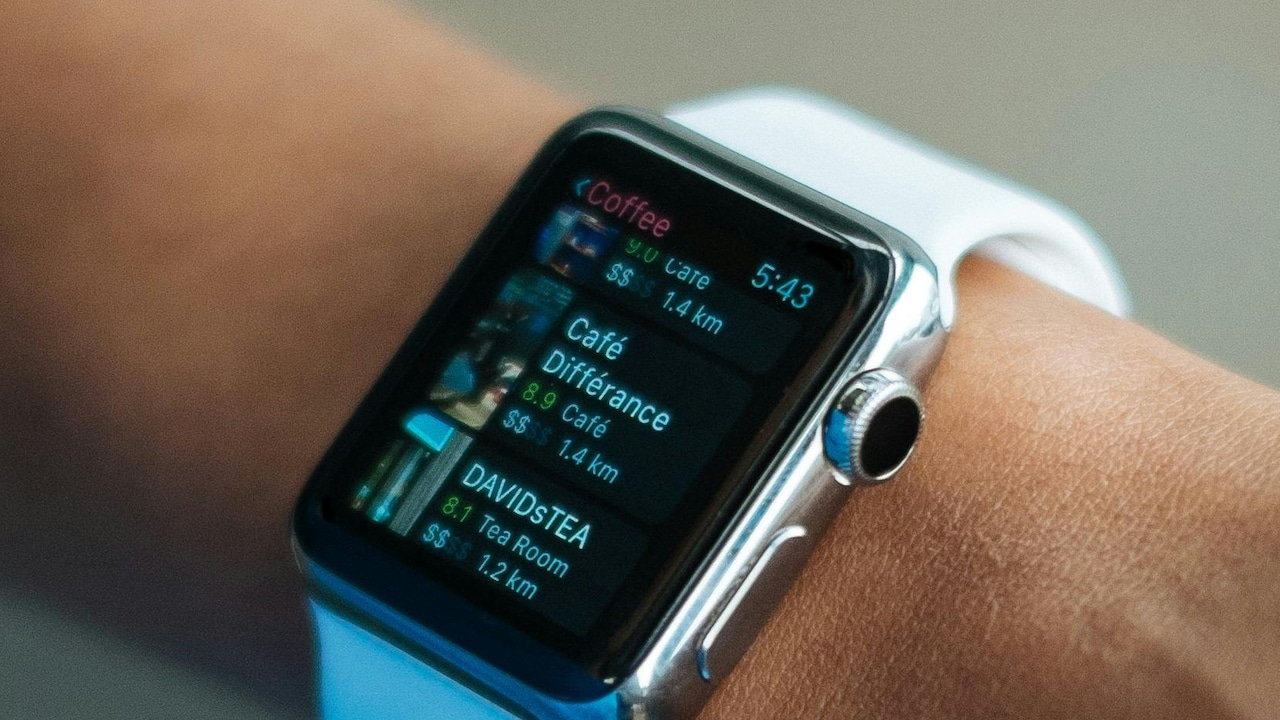
Smartwatches And Classic Watches: Competition, Co-Existence, Or The Future Of Timekeeping? Find Out Here.
A quick glance around any café, office, or metro carriage reveals a curious mix. On one wrist, a sleek smartwatch flashes notifications about steps, sleep, and heart rate. On another, a polished analogue watch ticks steadily, untouched by Wi-Fi or software updates. The contrast feels almost symbolic, a meeting point of tradition and technology.
Timekeeping has never been just about telling time. Watches have carried stories, status, memories, and sometimes even quiet pride. With the rise of smartwatches, the conversation has shifted. Are these modern devices replacing the charm of classic watches, or are they simply adding another layer to how time is experienced? The answer, much like a well-crafted timepiece, turns out to be more nuanced than expected.
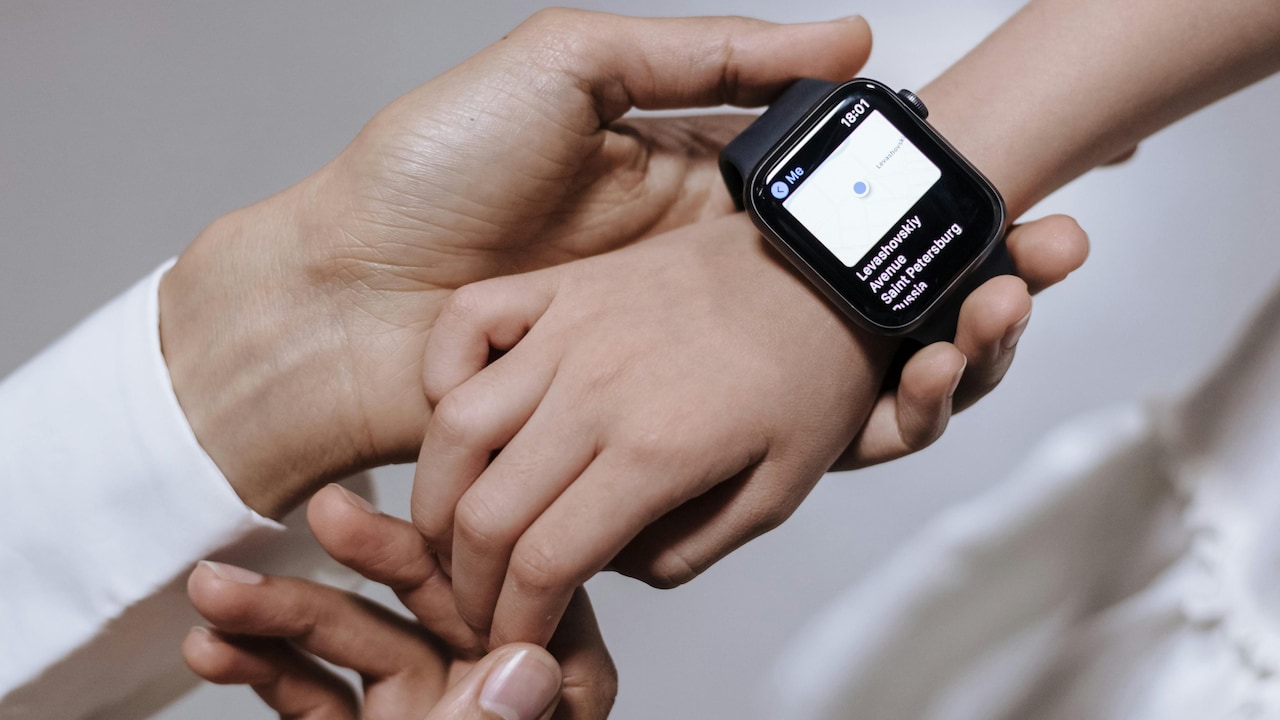
Smartwatches And Classic Watches: Competition, Co-Existence, Or The Future Of Timekeeping?
Photo Credit: Pexels
The Changing Face Of Timekeeping In A Digital Age
The Rise Of Smartwatches In Everyday Life
Smartwatches have slipped into daily routines with surprising ease. Morning alarms now buzz gently on wrists, replacing the shrill phone alarm that once startled entire households. Fitness tracking has become almost second nature, with step counts turning into friendly competitions among colleagues. Even a simple walk to the nearby market now feels like part of a larger health goal.
Affordability has played a major role in this rise. With decent options available for under ₹5,000, smartwatches no longer belong only to tech enthusiasts. They appeal to students, working professionals, and even older generations curious about monitoring their health. Add features like call notifications, weather updates, and payment reminders, and the smartwatch begins to resemble a compact personal assistant.
Yet, beyond functionality, there is also a sense of novelty. The ability to customise watch faces, track workouts, and stay connected without pulling out a phone feels modern and efficient. In a fast-paced environment where multitasking rules, the smartwatch fits in neatly, almost like it was always meant to be there.
The Timeless Appeal Of Classic Watches
Classic watches, however, carry a different kind of weight, one that no software update can replicate. A well-crafted analogue watch often tells more than time; it tells a story. It may be a gift from a parent, a reward for a first salary, or a purchase made after months of saving. These pieces often stay for years, quietly marking milestones along the way.
There is also an undeniable aesthetic appeal. The smooth sweep of hands, the intricate detailing of the dial, and the satisfying click of a crown evoke a sense of craftsmanship. Unlike smartwatches, which can feel temporary due to rapid upgrades, classic watches tend to age gracefully. Scratches and wear often add character rather than reduce value.
For many, wearing a classic watch feels like carrying a piece of identity. It complements formal attire effortlessly and adds a subtle touch of sophistication. While trends shift and technology evolves, the emotional connection tied to a traditional watch remains remarkably steady.
Functionality Versus Sentiment: A Real Divide
At the heart of the debate lies a simple contrast: functionality versus sentiment. Smartwatches excel in practicality. They help track calories after a heavy dinner, remind users to stand during long work hours, and even monitor sleep patterns after a late-night cricket match. These features serve a clear purpose in modern lifestyles.
Classic watches, on the other hand, rarely offer such utilities. Their strength lies in emotional value and aesthetic presence. They do not buzz with notifications or count steps, but they bring a sense of calm and simplicity. There is no pressure to update, recharge, or sync with an app.
This divide often shapes personal preference. Those who prioritise efficiency lean towards smartwatches, while those who appreciate tradition and style often stick with classic designs. Rather than competing directly, both seem to serve different emotional and practical needs.
The Influence Of Lifestyle And Profession
Lifestyle plays a significant role in determining which watch finds its way onto a wrist. A corporate professional juggling meetings and deadlines may prefer a smartwatch that keeps them connected without constant phone checks. Notifications, reminders, and calendar alerts become invaluable tools during busy workdays.
Meanwhile, someone attending formal events or working in creative fields might gravitate towards classic watches. A leather strap paired with a crisp shirt or a traditional outfit often feels complete only with a timeless dial.
Even within the same day, preferences can shift. A morning gym session may call for a smartwatch, while an evening gathering may see a switch to a classic piece. This fluidity suggests that the choice is less about replacement and more about context. Watches, much like clothing, adapt to occasions and moods.
Technology Fatigue And The Need For Simplicity
In a world constantly buzzing with notifications, there is a growing sense of technology fatigue. Smartphones already demand attention through messages, emails, and social media updates. Adding a smartwatch to the mix can sometimes feel overwhelming rather than helpful.
Classic watches offer a quiet escape from this digital noise. They simply tell time, nothing more, nothing less. There is something refreshing about glancing at a wrist without being reminded of unread messages or missed calls.
This desire for simplicity has led many to return to analogue watches, especially during weekends or holidays. It becomes a small act of disconnecting, a way to reclaim moments without digital interruptions. In this sense, classic watches provide not just functionality but also a subtle form of mental relief.
Fashion Statements And Personal Style
Watches have always been an extension of personal style. Smartwatches, with their interchangeable straps and digital faces, offer versatility. A single device can transform from sporty to formal with just a few adjustments. This adaptability appeals to those who enjoy experimenting with their look.
Classic watches, however, carry a different kind of elegance. Each piece feels distinct, often reflecting the wearer's taste and personality. A minimalist dial may suggest understated sophistication, while a bold chronograph may hint at a more adventurous spirit.
Fashion trends also influence this dynamic. While smartwatches align with contemporary, tech-driven aesthetics, classic watches continue to dominate in formal and traditional settings. Rather than replacing one another, they seem to coexist within different style narratives, each adding its own flavour to personal expression.
Longevity And Value Over Time
One of the most striking differences lies in longevity. Smartwatches, like most electronic devices, have a limited lifespan. Batteries degrade, software becomes outdated, and newer models quickly replace older ones. A smartwatch bought today may feel obsolete in a few years.
Classic watches, especially well-made ones, can last decades. Some even become family heirlooms, passed down through generations. Their value often extends beyond price, carrying memories and emotional significance.
Financially, this contrast is also evident. Spending ₹10,000 on a smartwatch may bring immediate utility but little long-term value. The same amount invested in a quality analogue watch could result in a piece that remains relevant for years.
This difference shapes how each is perceived, not just as a product, but as an investment in time itself.
Health And Fitness: A Game Changer
One area where smartwatches clearly stand out is health and fitness. Step tracking, heart rate monitoring, and sleep analysis have become key features that influence buying decisions. For many, these tools act as gentle nudges towards healthier habits.
A brisk walk in the evening now comes with a step goal. A restless night shows up in sleep data the next morning. These insights, though simple, can lead to meaningful lifestyle changes.
Classic watches do not offer such features, but they also do not aim to. Their purpose lies elsewhere. Still, the growing focus on wellness has undeniably boosted the popularity of smartwatches.
For those trying to balance busy schedules with health goals, the smartwatch feels less like a luxury and more like a companion. It adds a layer of awareness that traditional watches simply cannot provide.
Cultural And Emotional Significance
Watches often carry cultural and emotional significance that goes beyond functionality. A classic watch gifted during a wedding or a milestone celebration holds a special place. It becomes a symbol of time shared, achievements reached, and memories created.
Smartwatches, while practical, rarely carry the same emotional weight. They are often replaced or upgraded, making it harder to form lasting attachments. Their value lies in convenience rather than sentiment.
This difference highlights a deeper aspect of human behaviour. While technology continues to advance, the need for emotional connection remains unchanged. Classic watches fulfil this need in a way that smartwatches, despite their capabilities, struggle to match.
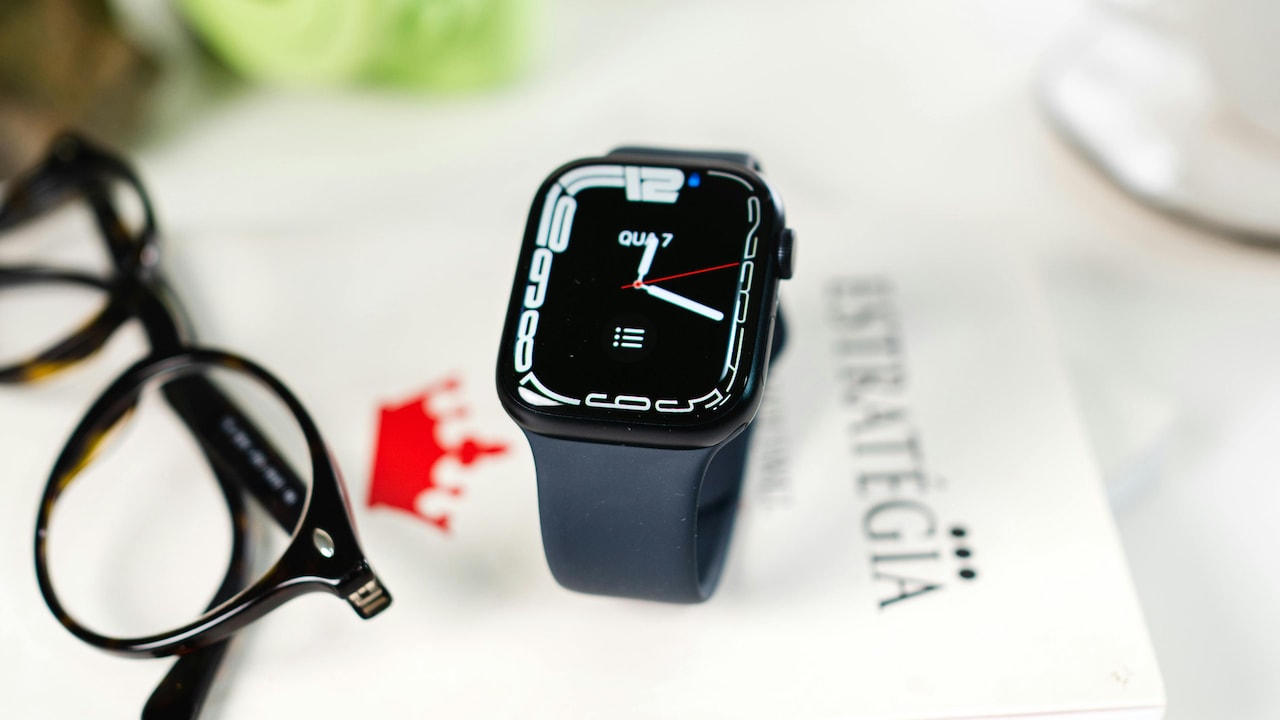
Smartwatches And Classic Watches: Competition, Co-Existence, Or The Future Of Timekeeping?
Photo Credit: Pexels
The Future: Replacement Or Co-Existence?
Looking ahead, it seems unlikely that one will completely replace the other. Instead, both are carving out their own spaces. Smartwatches continue to evolve with better features and improved designs, while classic watches maintain their timeless appeal.
The future may see even greater blending of these worlds, with hybrid designs offering both style and functionality. Yet, the core essence of each is likely to remain intact.
Rather than a battle, this feels more like a partnership. Each type of watch serves a purpose, catering to different needs, moods, and occasions. The wrist, it turns out, has enough room for both.
Products Related To This Article
1. boAt Ultima Ember Smartwatch1.96\" AMOLED Display Personalized Fitness Nudges100
2. GOBOULT Thrux 1.39''HD Screen, GPS Tracker, Working Crown, BT Calling Smartwatch
3. CMF by Nothing Watch Pro, 1.96 AMOLED, BT Calling, AI Noise Reduction, GPS Smartwatch
4. Fastrack Styler FS1 Pro 1.97 AMOLED Display AOD Functional Crown BT Calling IP68 Smart Watch
5. NOISE Noise ColorFit Pulse 4 Max Smartwatch
The question of whether smartwatches are replacing classic watches does not have a simple answer. Instead, it reveals a fascinating balance between progress and tradition. Smartwatches bring convenience, connectivity, and health insights, making them ideal for modern lifestyles. Classic watches, on the other hand, offer elegance, emotional value, and a sense of timelessness.
In everyday life, both continue to coexist, each finding its place. A smartwatch may guide a morning workout, while a classic watch may complete an evening outfit. Together, they reflect how time is not just measured but experienced.
Perhaps the real story lies not in replacement but in choice. After all, time itself remains constant; only the way it is worn keeps changing.
(Disclaimer: This article may include references to or features of products and services made available through affiliate marketing campaigns. NDTV Convergence Limited (“NDTV”) strives to maintain editorial independence while participating in such campaigns. NDTV does not assume responsibility for the performance or claims of any featured products or services.)