Soundbars vs Bluetooth Speakers: What Actually Improves Your TV Experience
Choosing between a soundbar and a Bluetooth speaker? One boosts immersive TV audio, the other offers flexibility. Here’s what truly improves your viewing experience.
Soundbar Or Bluetooth Speaker? The Best Choice For A Better TV Experience
Flat-screen televisions look stunning, but their audio rarely keeps up. Crisp visuals often pair with underwhelming sound, leaving dialogues muffled and action scenes flat. That gap has sparked a surge in external audio devices, especially soundbars and Bluetooth speakers.
At first glance, both seem capable of solving the problem. They amplify sound, offer wireless convenience, and come in a wide range of prices, from a modest ₹2,000 to well above ₹50,000. Yet, their purpose differs more than most realise.
A living room during a cricket final, a late-night movie binge, or a weekend web series marathon all demand a certain kind of audio experience. The choice between these devices shapes not just how loud the sound gets, but how immersive and satisfying the entire experience feels.
Understanding that difference helps avoid spending money on something that looks appealing but fails to deliver when it matters most.
Soundbar Or Bluetooth Speaker? The Best Choice For A Better TV Experience; Photo Credit: Pexels
Key Differences That Shape Your TV Audio Experience
Design And Placement: Where Each Device Fits
A soundbar sits neatly below or above a television, almost like an extension of the screen. Its long, slim design blends into modern setups without drawing attention. It feels purposeful, as if it belongs there. Bluetooth speakers, on the other hand, offer flexibility. They can move from the TV unit to the balcony or even the kitchen during a cooking session.
However, placement affects performance. Soundbars project audio forward, aligning with the viewer's direction. That creates a focused listening experience. Bluetooth speakers disperse sound in all directions, which works well for casual listening but struggles to anchor audio to visuals.
Picture a family watching a thriller. A soundbar keeps voices centred, making conversations feel connected to the characters. A Bluetooth speaker might fill the room, but it rarely creates that sense of alignment.
In compact apartments, where every inch matters, both devices have their appeal. Yet, for a setup that feels intentional rather than improvised, soundbars tend to settle in more naturally.
Audio Quality: Depth Versus Convenience
Sound quality often reveals the biggest difference. Soundbars aim to enhance clarity, balance, and depth. Many include multiple drivers that separate dialogue, music, and effects. This creates a layered experience where each element finds its space.
Bluetooth speakers prioritise portability. While some premium models sound impressive, most focus on delivering loud, balanced audio rather than cinematic detail. That difference becomes obvious during intense scenes. Explosions lack punch, and subtle background sounds fade away.
Imagine watching a historical drama. The rustle of costumes, distant footsteps, and ambient music enrich the scene. A soundbar captures these nuances, while a Bluetooth speaker tends to flatten them into a single layer.
That does not make Bluetooth speakers inferior. They excel in casual settings, playing songs during a gathering or streaming podcasts. Yet, when the goal is to bring films and shows to life, soundbars step ahead with a more refined audio profile.
Also Read: 7 Bluetooth Speakers Under ₹2000 With Big Sound, From JBL, Portronics to Zebronics
Dialogue Clarity: Hearing Every Word
One common frustration with television audio involves unclear dialogue. Actors whisper, background music swells, and suddenly subtitles become essential. Soundbars address this issue directly. Many include dedicated dialogue enhancement modes that amplify voices without distorting other sounds.
Bluetooth speakers rarely focus on this aspect. They treat all audio equally, which can make conversations blend into background noise. During news broadcasts or talk shows, this might not matter much. But during complex narratives, it becomes noticeable.
Consider a courtroom drama filled with tense exchanges. Missing a single line can change the entire meaning of a scene. A soundbar ensures voices stay crisp and prominent, even at lower volumes.
This clarity matters in households where multiple generations watch together. Not everyone prefers loud volumes, especially during late evenings. A device that maintains clarity without increasing noise levels quietly improves the experience for everyone in the room.

Soundbar Or Bluetooth Speaker? The Best Choice For A Better TV Experience; Photo Credit: Pexels
Surround Sound Experience: Immersion Matters
Modern soundbars attempt to recreate surround sound without requiring multiple speakers scattered around the room. Technologies like virtual surround and Dolby Atmos simulate audio coming from different directions. While not identical to a full home theatre system, they come surprisingly close.
Bluetooth speakers cannot replicate this effect. Their design limits directional audio, resulting in a straightforward, front-facing sound output. That works fine for music but falls short for cinematic storytelling.
Picture a suspenseful scene where footsteps echo behind the viewer or rain falls all around. A soundbar can mimic that environment, pulling the audience into the story. A Bluetooth speaker delivers the sound, but not the sensation.
For sports fans, this difference feels even sharper. Stadium cheers, commentary, and on-field action gain depth through directional sound. Watching a match begins to feel like being present in the stands, rather than simply viewing it on a screen.
Connectivity And Ease Of Use: Simplicity Wins Hearts
Bluetooth speakers win in simplicity. Pairing takes seconds, and switching between devices feels effortless. A phone connects just as easily as a television, making it a versatile choice for everyday use.
Soundbars require a slightly more structured setup. HDMI ARC, optical cables, or Bluetooth connections need initial configuration. Once set up, however, they integrate seamlessly with the television. Volume control often syncs with the TV remote, reducing clutter.
In homes where convenience rules, Bluetooth speakers offer instant gratification. No wires, no fuss, just press play. Yet, for a stable and consistent TV experience, soundbars prove more reliable. They stay connected, avoid latency issues, and deliver synchronised audio without constant adjustments.
That balance between ease and stability often determines satisfaction. A device that works perfectly once may outperform one that works occasionally with less effort.
Portability And Flexibility: Moving With You
Portability gives Bluetooth speakers a clear advantage. They travel easily from room to room, adapting to different needs throughout the day. Morning yoga sessions, afternoon calls, and evening music playlists all benefit from that flexibility.
Soundbars stay put. Their purpose revolves around the television, and moving them frequently defeats their design. This makes them less versatile but more specialised.
In smaller homes where spaces serve multiple purposes, a Bluetooth speaker feels like a companion. It follows routines and adapts effortlessly. Yet, when the focus shifts to a dedicated viewing experience, that flexibility becomes less important.
A Friday night movie rarely moves from the living room. In that moment, stability and performance outweigh portability. The choice then depends on whether the device serves multiple roles or focuses on one job exceptionally well.
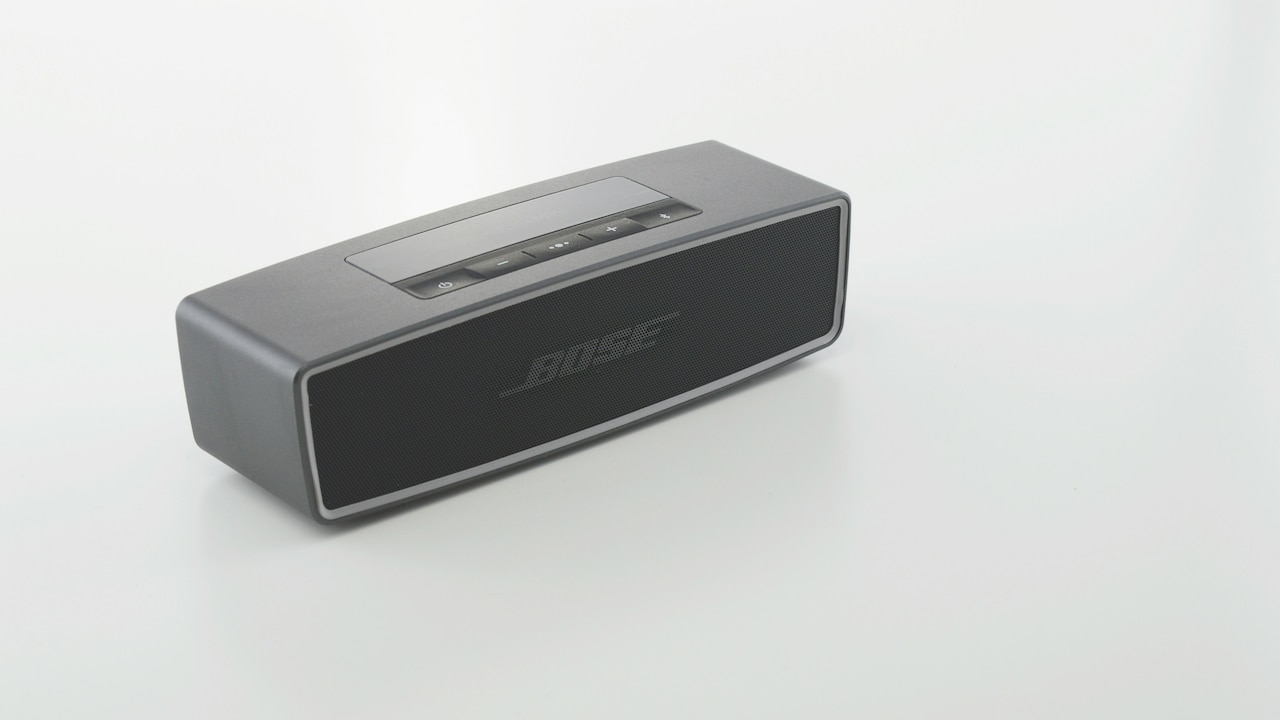
Soundbar Or Bluetooth Speaker? The Best Choice For A Better TV Experience; Photo Credit: Pexels
Pricing And Value: Spending Wisely
Price often influences decisions more than features. Bluetooth speakers offer a wide range of affordable options. Even a ₹3,000 speaker can deliver decent sound for casual use. Premium models climb higher, but the entry point remains accessible.
Soundbars generally start at a higher price. Basic models begin around ₹6,000, while advanced systems with subwoofers and surround features can exceed ₹30,000. The investment feels significant, but the improvement in TV audio often justifies the cost.
Value depends on usage. If the device doubles as a music speaker and travels frequently, a Bluetooth speaker offers better returns. If the primary goal involves enhancing television audio, a soundbar provides a more noticeable upgrade.
Spending wisely means matching the product to daily habits rather than chasing features. A well-chosen device feels worth every rupee, while an ill-suited one gathers dust regardless of its price tag.
Aesthetics And Living Room Appeal
Modern homes favour clean, minimal setups. A soundbar complements this trend with its sleek design. It aligns with the television, creating a cohesive look that feels deliberate and polished.
Bluetooth speakers come in various shapes and colours. Some look stylish, others playful. While they add character, they may not always blend seamlessly with a formal entertainment setup.
Visual harmony matters more than expected. A clutter-free space enhances relaxation, especially during long viewing sessions. A soundbar contributes to that calm environment by staying understated.
That said, aesthetics remain subjective. Some prefer the versatility and personality of Bluetooth speakers, especially in informal settings. Others lean towards the refined appearance of a soundbar.
In the end, the device should feel like a natural part of the room, not an afterthought placed out of necessity.
Use Cases: Matching Devices To Lifestyle
Daily routines shape the ideal choice. For someone who watches television occasionally and listens to music frequently, a Bluetooth speaker fits naturally. It adapts to different moments without demanding a fixed setup.
For those who treat television as a central form of entertainment, weekend movies, live sports, and binge-worthy series, a soundbar transforms the experience. It turns ordinary viewing into something more engaging and immersive.
Consider a household that gathers every evening for a show. The shared experience benefits from better audio clarity and depth. A soundbar enhances those moments, making them feel more special.
Meanwhile, individuals who enjoy music across different rooms value the freedom a Bluetooth speaker offers. It becomes part of everyday life rather than a single-purpose device.
Understanding lifestyle patterns often reveals the answer more clearly than technical specifications.
Longevity And Future-Proofing
Technology evolves quickly, and choosing a device that remains relevant matters. Soundbars often include features like HDMI ARC, Dolby support, and compatibility with streaming platforms. These ensure they stay useful as televisions and content formats improve.
Bluetooth speakers rely primarily on wireless connectivity. While convenient, they may not adapt as well to future advancements in TV audio technology.
Longevity also involves durability and consistent performance. Soundbars, being stationary, face less wear and tear. Bluetooth speakers travel more, increasing the chances of damage over time.
Investing in a device that grows with changing habits saves money in the long run. A soundbar may feel like a larger upfront expense, but its focused purpose and evolving features often extend its usefulness.
Choosing with the future in mind prevents the need for frequent upgrades and keeps the entertainment setup relevant for years.
Products Related To This Article
1. Boat Aavante 2.1 1600D / Orion Plus, Dolby Audio
2. Tribit Updated Version XSound Go Wireless Bluetooth 5.3 Speakers with Loud Stereo Sound & Rich Bass 16W
3. ZEBRONICS VITA BAR 150 Wireless Bluetooth Soundbar
4. Philips TAB4120BL/94 Wireless Bluetooth Soundbar, 20W, 8H Playtime
5. JBL Go Essential with Rich Base, Wireless Ultra Portable Bluetooth Speaker
The debate between soundbars and Bluetooth speakers does not have a one-size-fits-all answer. Each serves a distinct purpose, shaped by lifestyle, expectations, and space.
Soundbars excel at enhancing television audio. They deliver clarity, depth, and a sense of immersion that transforms everyday viewing into something more engaging. Bluetooth speakers, meanwhile, shine in versatility. They adapt to different moments, offering convenience and portability that fit dynamic routines.
For those seeking a richer TV experience, a soundbar often proves the better choice. It aligns sound with visuals, sharpens dialogue, and creates a more cinematic atmosphere. Yet, for those who value flexibility and multi-purpose use, a Bluetooth speaker remains a practical and enjoyable option.
In the end, the decision rests on how entertainment fits into daily life. Whether it is the thrill of a last-over finish or the quiet comfort of a late-night film, the right audio companion makes all the difference.
(Disclaimer: This article may include references to or features of products and services made available through affiliate marketing campaigns. NDTV Convergence Limited (“NDTV”) strives to maintain editorial independence while participating in such campaigns. NDTV does not assume responsibility for the performance or claims of any featured products or services.)