Tablet vs Laptop: Which Is Better For The New College Semester
Confused between a tablet and a laptop for college? Here's an honest breakdown of what actually works for classes, notes, assignments, and hostel life.
Tablet Vs Laptop: Which Is Better For The New College Semester
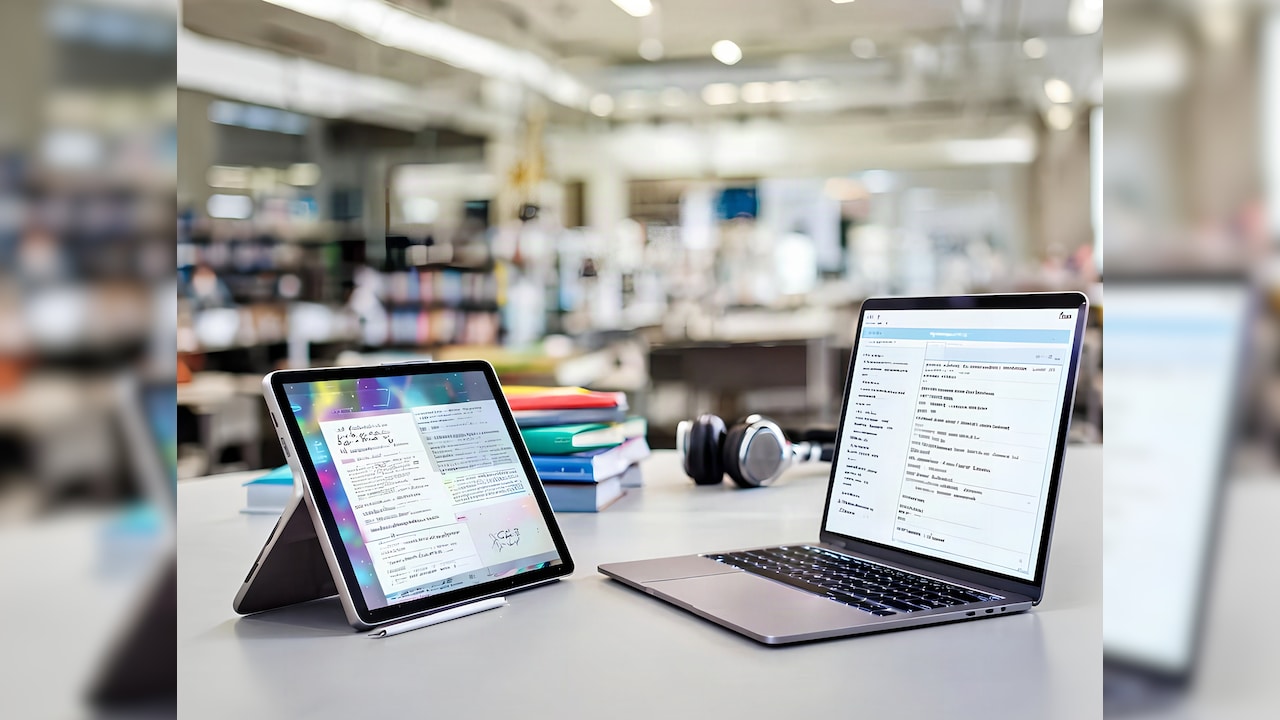
Every August or January, the same question shows up in a hundred college WhatsApp groups. Should you carry a laptop to your new semester, or is a tablet enough? Nobody really answers it properly, and most people just end up buying whatever their seniors used. But here's the thing. What worked for your senior might not work for you at all. An architecture student's needs are nowhere close to what a commerce or English literature student needs from a device.
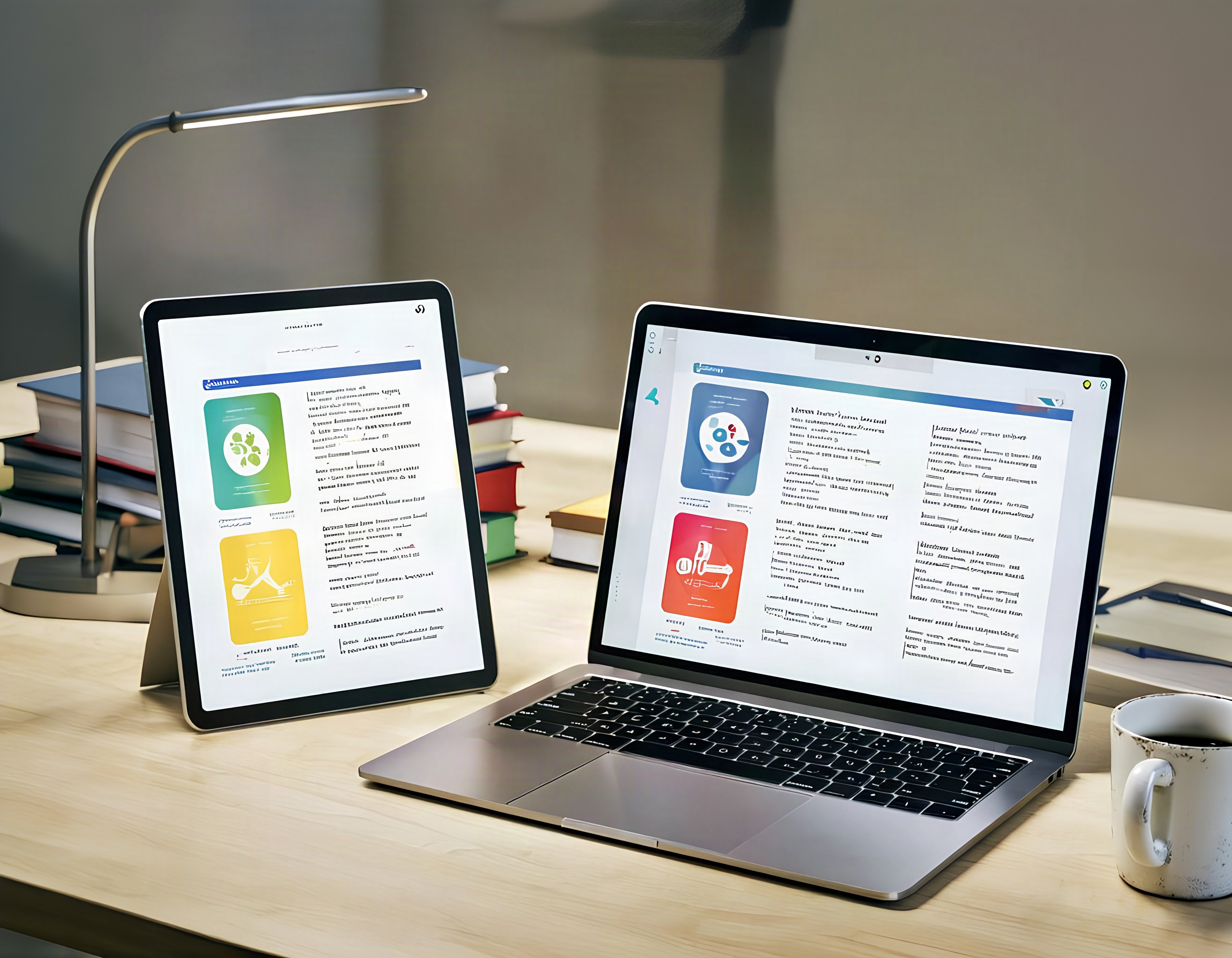
Tablet Vs Laptop: Which Is Better For The New College Semester
Photo Credit: iStock
This decision also comes with a ₹20,000 to ₹60,000 price tag attached, so getting it wrong isn't exactly a small mistake. This guide breaks it down properly so you're not guessing anymore and can make an informed decision.
What A Laptop Actually Gives You
A laptop is still the safer default for most students, and there's a reason for that. The primary advantage is comprehensive software support. Things like MS Word with actual formatting tools, coding environments, AutoCAD, MATLAB, or even Excel with pivot tables just don't run properly on a tablet, no matter how excellent the tablet is.
If your course involves typing long assignments, running code, or working with heavy files, a laptop saves you from a lot of frustration later.
1. Real Multitasking
With at least 8GB of RAM, you can run Chrome with fifteen tabs, a PDF reader, and Word simultaneously without the system slowing down.
2. Full Keyboard, Always
No detachable keyboard to lose, no lag while typing fast during a lecture. It's just there, permanently attached.
3. Better For Coding And Technical Work
Engineering, CS, and data science students genuinely need a proper OS to run IDEs, compilers, and simulation software. This one isn't up for debate.
What A Tablet Actually Gives You
Tablets aren't just for watching Netflix anymore, even though many parents still think that way. For certain courses, a tablet with a stylus is honestly a better tool than a laptop.
Medical students, design students, architecture students, and anyone who takes handwritten notes daily tend to love tablets once they get used to the stylus.
1. Handwritten Notes That Don't Get Lost
Apps like GoodNotes or Samsung Notes let you write, erase, and organise notes the way you would on paper, except nothing ever gets torn or misplaced.
2. Lighter On Your Back
Carrying a 1.2 kg laptop plus a charger plus books gets old fast. A tablet weighing under 500 grams changes how your bag feels by the third week.
3. Battery That Actually Lasts A Full Day
Most tablets easily cross 10 to 12 hours of screen time, so you're not hunting for a charging point between back-to-back lectures.
Matching The Device To Your Course
This is where most people go wrong. They pick a device based on price or brand loyalty instead of what their actual coursework demands. Here's a rough way to think about it.
1. If You're In Engineering, CS, Or Commerce With Excel-Heavy Work
Go with a laptop. There's no real workaround here, since coding and spreadsheet work both need a proper keyboard and desktop-grade software.
2. If You're In Design, Architecture, Or Fine Arts
A tablet with a reliable stylus, paired with a laptop only for final submissions, tends to work best. Many design students actually own both, using the tablet daily and the laptop once every couple of weeks.
Medical and law students who read huge PDFs and annotate constantly also lean tablet-first, mainly because flipping through 300-page files feels far more natural on a touchscreen.
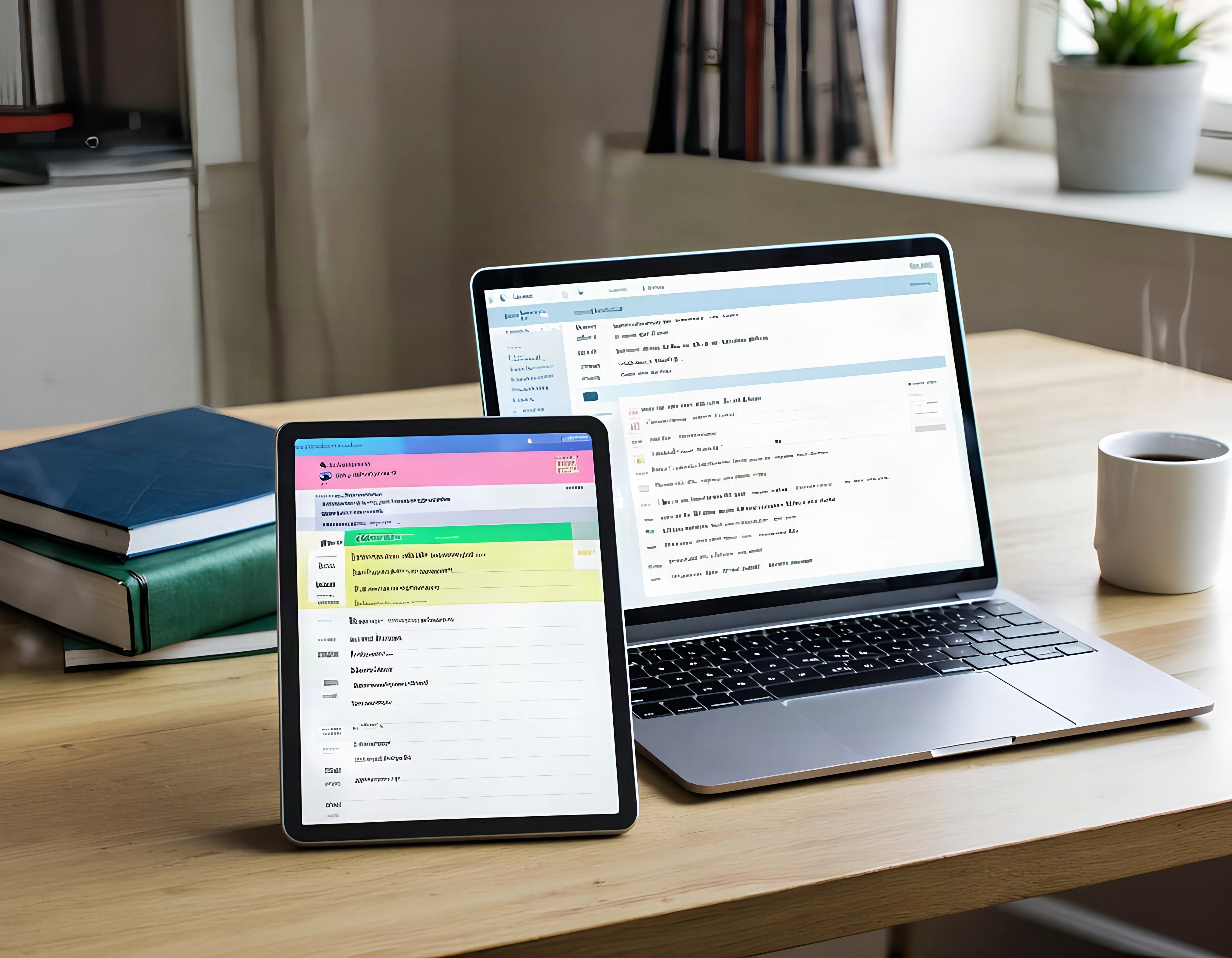
Tablet Vs Laptop: Which Is Better For The New College Semester
Photo Credit: iStock
Some Tablet And Laptop Options You May Like
1. Lenovo IdeaPad Slim 5
2. ASUS Vivobook 16
3. HP Pavilion Plus
4. Apple MacBook Air M4
5. Xiaomi Pad 8
6. Samsung Galaxy Tab S10 Plus
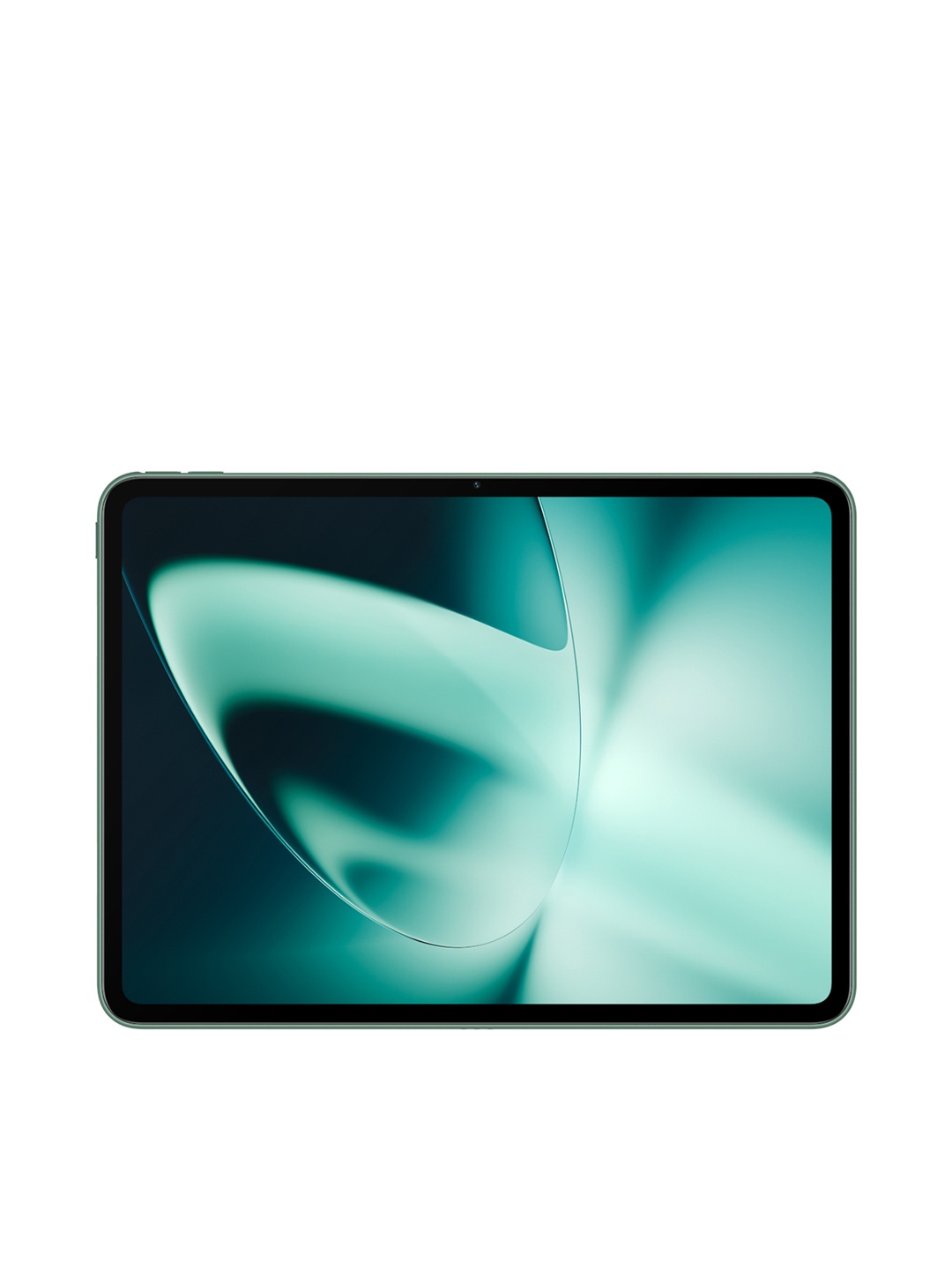
7. OnePlus Pad 4
8. Apple iPad Air M4
College budgets are tight, and this part matters more than most guides admit. A decent laptop starts around ₹35,000 to ₹40,000 if you want 8GB RAM and an SSD, both non-negotiable in 2026. Going lower usually means a slow hard drive that makes even boot-up painful.
Tablets, meanwhile, start much lower, but the excellent note-taking ones with a stylus included usually sit between ₹18,000 and ₹35,000.
Storage matters more than people realise too. 256GB is now the minimum requirement, as lecture recordings, software installations, and four years' worth of project files accumulate more quickly than anticipated. Cloud storage helps, but hostel wifi isn't always reliable enough to depend on it fully.
FAQs
1. Can I survive college with only a tablet and no laptop?
It is quite possible for art, design, or humanities students if we add a keyboard to the tablet. However, engineers or commerce students using Excel or coding will have problems somewhere in the future without a laptop.
2. Is 8GB RAM enough for a college laptop in 2026?
If you need your laptop for programming or heavy tasks, then 8GB RAM won't be enough. But if you're a light user, then 8GB RAM is more than enough in 2026.
3. Do tablets support MS Office properly?
Yes, basic Office is possible to use on the tablets, but in the case when the document needs complex formatting, it is much easier to use a laptop.
4. Which lasts longer, a tablet or a laptop, for four years of college?
A laptop with an SSD and 8 GB + of RAM usually lasts all four years. The tablet will last the same time as a laptop regarding hardware but because of the software update, sometimes a tablet may be slower.
5. Is it worth buying both a tablet and a laptop?
It is reasonable in cases when students study design, architecture, or medicine and take many handwritten notes. In the majority of other cases, a good laptop will suffice.
(Disclaimer: This article may include references to or features of products and services made available through affiliate marketing campaigns. NDTV Convergence Limited (“NDTV”) strives to maintain editorial independence while participating in such campaigns. NDTV does not assume responsibility for the performance or claims of any featured products or services.)