Why Cheap Power Banks Fail After 3 Months: Capacity vs Output Explained Simply
A ₹599 power bank looks like a steal, until it stops charging your phone just weeks later. This article breaks down why cheap power banks fail so quickly, unpacking the real difference between capacity and output in a way that actually makes sense.
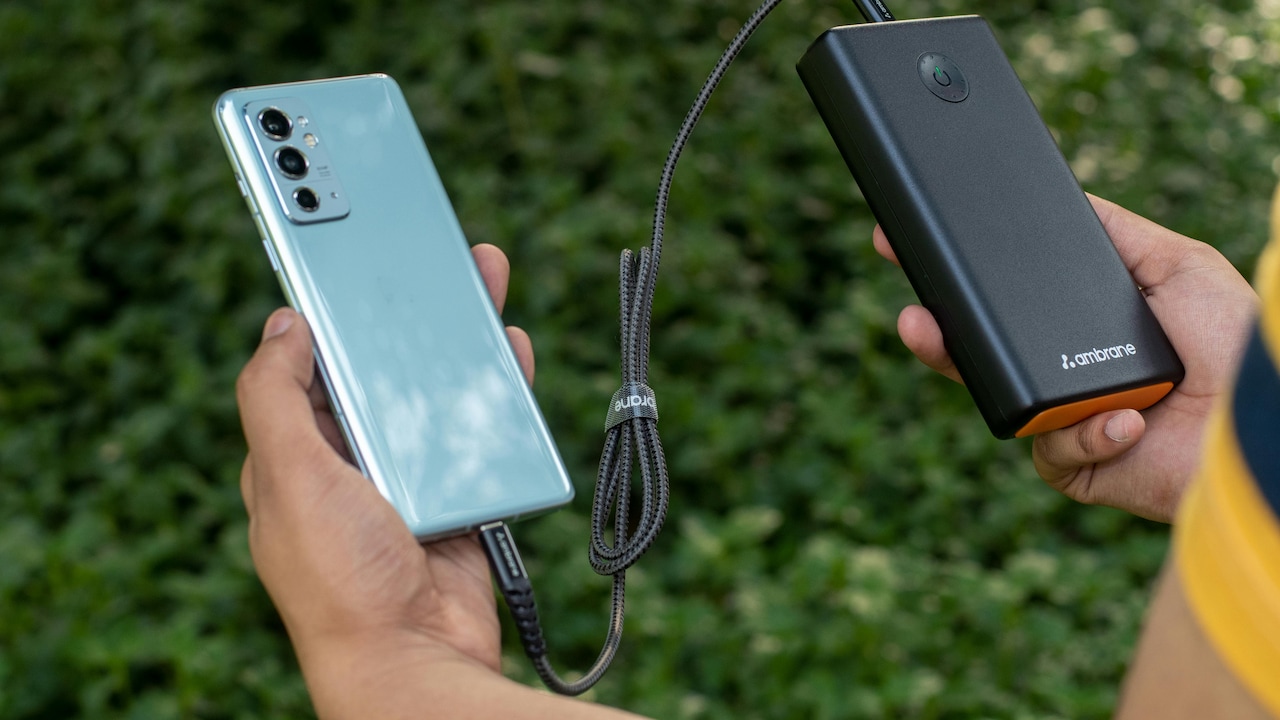
10 things that prevent power banks from working the way they are supposed to
A power bank often feels like a tiny insurance policy tucked inside a backpack. Long commutes, sudden power cuts, or endless scrolling sessions demand a backup plan. At first glance, a ₹500–₹800 power bank boasting “20,000 mAh” sounds irresistible. Big numbers, low price, problem solved.
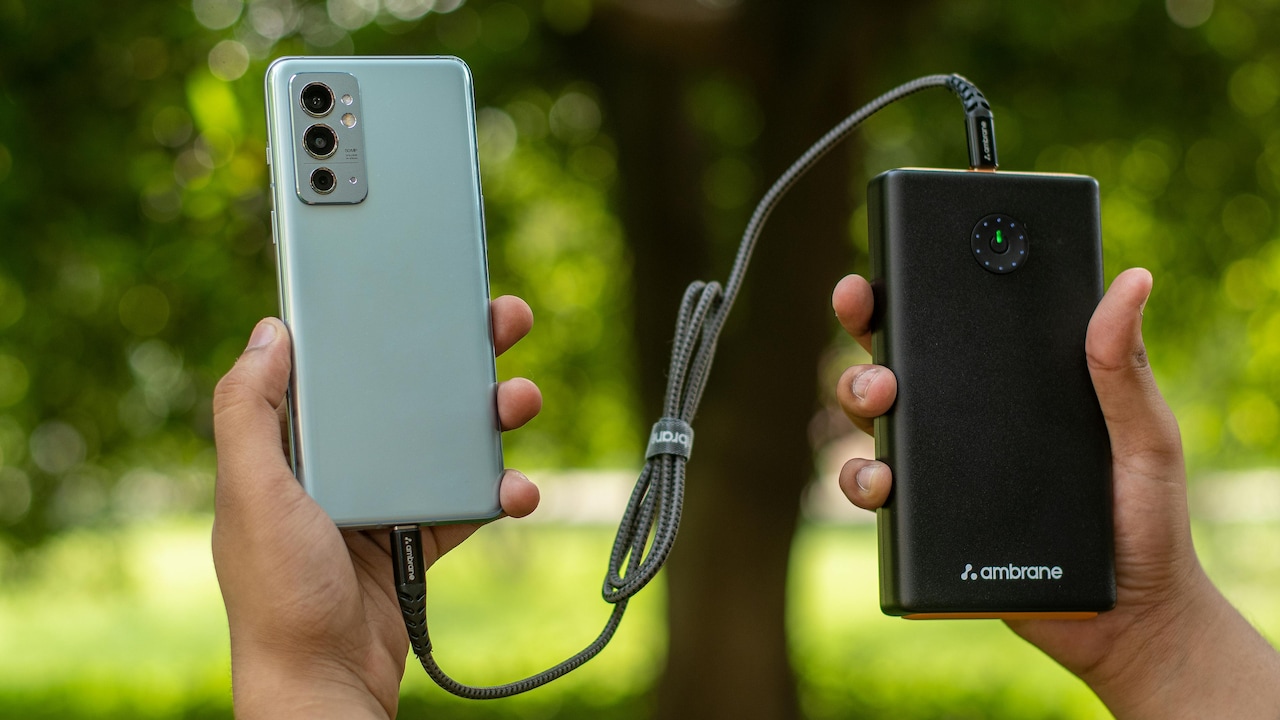
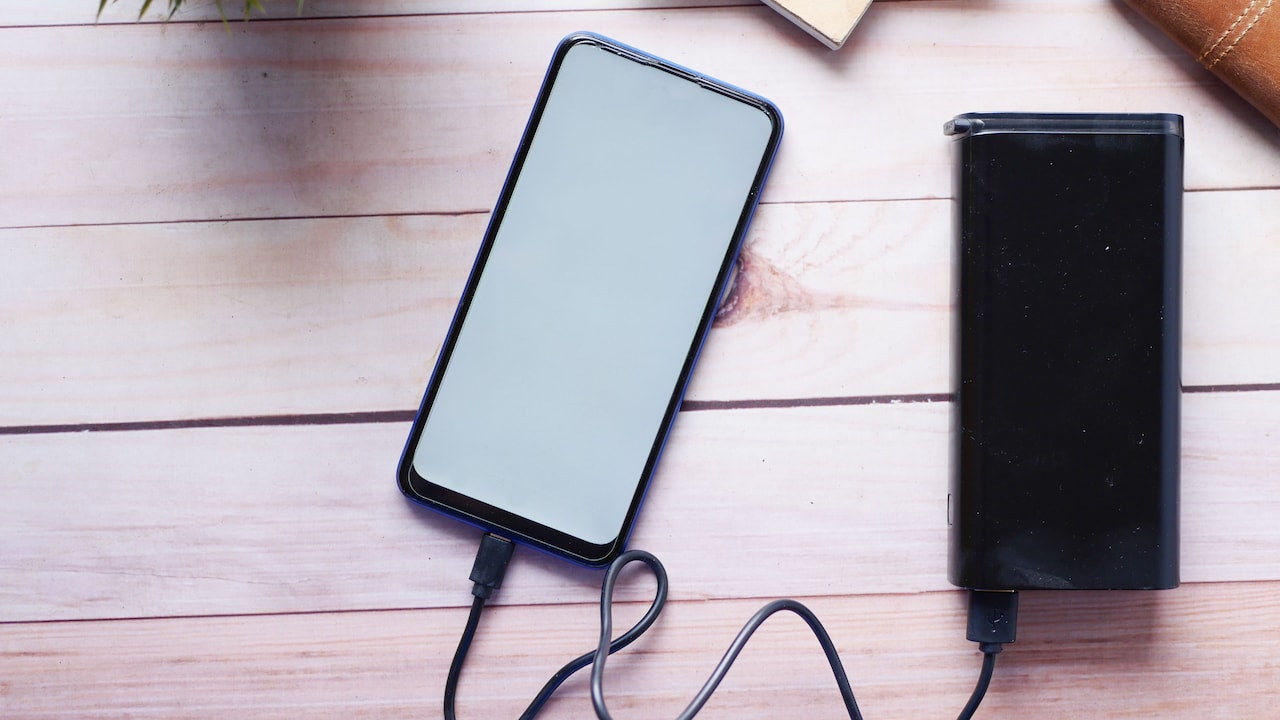
Why do cheap power banks fail to perform; Photo Credit: Pexels
Yet, within a few months, reality hits. Charging slows down. The device heats up. Sometimes it refuses to power on at all. Frustration creeps in, followed by that familiar thought, “Was it even worth saving that extra ₹1,000?”
The truth sits somewhere between marketing tricks and misunderstood tech terms. Words like capacity and output sound simple, yet they hide crucial differences that shape how a power bank performs. Cheap models often exaggerate one and compromise the other.
This article unpacks that confusion in plain language. No jargon overload, no complicated formulas, just clear explanations and relatable examples. By the end, that tempting bargain will look very different.
Also Read: Best Power Banks Under ₹1,000, pTron To Portronics, That Actually Work And Stay Cool
Breaking Down The Hidden Flaws Behind Cheap Power Banks
The Illusion Of High Capacity
A cheap power bank proudly displaying “20,000 mAh” often feels like a jackpot. Bigger number, more charges, simple logic, right? Not quite.
Manufacturers rely on this assumption. They highlight capacity because it sounds impressive. But that number reflects the battery inside under ideal lab conditions, not real-life usage. Once energy travels through circuits and cables, losses occur.
Think of it like filling a water tank with a slightly leaky pipe. You start with a full tank, but by the time the water reaches your tap, some of it has already gone missing.
Cheap power banks exaggerate capacity without improving efficiency. So, while the label claims four full charges, the reality may barely stretch to two. Over time, this gap widens further as components degrade.
That early disappointment, when a “20,000 mAh” power bank struggles to charge a phone twice, stems from this illusion. The number was never the whole story.
Output Power: The Forgotten Half
Capacity tells how much energy a power bank stores. Output tells how effectively it delivers that energy.
Most buyers focus only on capacity and ignore output ratings like 5V/2A or 9V/2A. That's where problems begin. A weak output means slower charging and inefficient energy transfer.
Picture a large bucket trying to pour water through a narrow straw. No matter how much water sits inside, the flow remains slow. Cheap power banks often suffer from this exact limitation.
Low-quality circuits struggle to maintain a steady voltage. Phones detect this inconsistency and reduce charging speed to protect themselves. The result feels painfully slow, especially when rushing out the door.
Within months, output performance drops further. Charging that once took two hours stretches to three or four. Eventually, devices may stop recognising the power bank altogether.
Ignoring output is like buying a sports car without checking the engine. It may look powerful, but it simply cannot deliver.
Poor Battery Cell Quality
At the heart of every power bank lies a set of battery cells. These cells decide how long the device lasts, how safely it operates, and how well it holds a charge over time.
Cheap power banks cut corners here first. They often use recycled or low-grade lithium-ion cells. These cells degrade quickly, sometimes losing up to 30% efficiency within a few months.
Initially, everything seems fine. The power bank charges quickly and performs decently. But soon, subtle changes appear. It drains faster. It heats up more. It struggles to hold a full charge overnight.
This decline feels frustrating because it happens gradually. One day, the device simply refuses to deliver enough power for a full phone charge.
High-quality cells cost more, which is why reliable power banks rarely fall into the ultra-budget category. That extra ₹500–₹1,000 pays for consistency and longevity, not just branding.
When battery cells fail, the entire power bank follows. No amount of clever marketing can compensate for poor internal quality.
Heat: The Silent Killer
Heat often goes unnoticed until it becomes a problem. Cheap power banks tend to heat up quickly during charging or discharging, and that heat slowly damages internal components.
Imagine leaving a phone under direct sunlight every day. It might survive for a while, but performance will suffer eventually. The same principle applies here.
Low-quality circuitry lacks proper thermal management. As energy flows through inefficient systems, excess heat builds up. This accelerates battery wear and reduces overall lifespan.
After a few months, the effects become obvious. Charging slows down, capacity drops, and the device feels warmer than usual. In extreme cases, it may even shut down to prevent damage.
Some users dismiss this as normal behaviour. It isn't. A well-built power bank stays relatively cool even under heavy use.
Heat acts like a ticking clock inside cheap devices. It quietly eats away at performance until the power bank becomes unreliable.
Fake Or Misleading Specifications
Many budget power banks rely on inflated or misleading specifications. Labels claim fast charging, high capacity, and premium features that simply don't exist.
These claims often escape scrutiny because testing them requires time and technical knowledge. Most buyers trust the packaging and move on.
However, once used regularly, the gaps become clear. Charging speeds fall short of expectations. Devices take longer to power up. Battery life doesn't match advertised numbers.
Some manufacturers even list theoretical maximum output rather than sustained performance. This creates unrealistic expectations.
It's similar to buying a ₹200 street-side pair of earphones labelled “HD sound”. The label sounds convincing, but real-world performance tells a different story.
Honest specifications matter. Reliable brands tend to provide accurate ratings, even if they seem less impressive on paper. Cheap alternatives often do the opposite, promise more and deliver less.
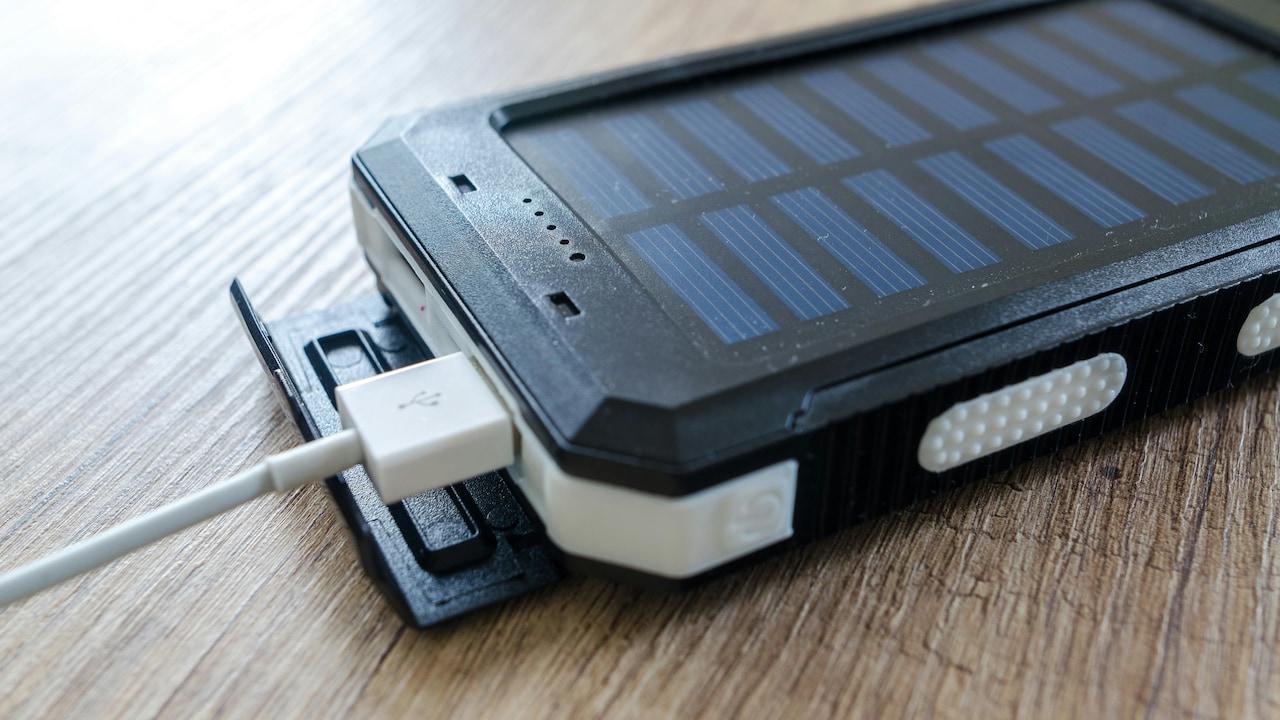
Cheap power banks often show incorrect specifications; Photo Credit: Pexels
Lack Of Proper Protection Circuits
A good power bank includes safety features that protect both the device and the phone. These circuits prevent overcharging, short circuits, and voltage fluctuations.
Cheap models often skip or downgrade these protections to reduce cost. This decision has serious consequences.
Without proper safeguards, the power bank struggles to regulate energy flow. This leads to unstable charging and potential damage to connected devices.
Phones may heat up or stop charging altogether as a safety response. Over time, repeated exposure to inconsistent power affects battery health.
The power bank itself also suffers. Without protection circuits, internal stress increases, leading to quicker wear and eventual failure.
Safety rarely makes headlines, yet it plays a crucial role in long-term performance. A slightly higher upfront cost often ensures peace of mind and better reliability.
Skipping safety features might save a few hundred rupees initially, but the long-term cost can be far greater.
Cable And Port Limitations
Even the best power bank cannot perform well with poor ports or cables. Cheap models often use low-quality USB ports that wear out quickly.
Loose connections become common after a few weeks. Charging starts and stops randomly, which feels incredibly frustrating.
Ports may also fail to deliver consistent power. This leads to slower charging and inefficient energy transfer.
Cables included with budget power banks rarely meet quality standards. They degrade quickly and contribute to performance issues.
Imagine trying to drink juice through a cracked straw. No matter how good the juice is, the experience remains disappointing.
Over time, repeated plugging and unplugging worsen the situation. Eventually, the port may stop working altogether.
A reliable power bank pairs solid internal components with durable external parts. Cheap ones often ignore this balance, resulting in early failure.
The Impact Of Daily Usage Patterns
Usage habits also influence how quickly a power bank fails. Cheap devices struggle under regular, heavy use.
Frequent charging cycles accelerate wear on low-quality battery cells. Each cycle reduces overall capacity slightly. Over time, these reductions add up.
Using the power bank while charging it, known as pass-through charging, puts additional strain on the system. Budget models rarely handle this well.
Long commutes, gaming sessions, and constant device switching push cheap power banks beyond their limits.
Within three months, performance drops noticeably. What once felt dependable becomes unpredictable.
A well-built power bank handles daily usage gracefully. It maintains consistent performance even after hundreds of cycles.
Cheap alternatives, however, behave like short-term solutions. They work just long enough to justify the purchase, then slowly fade away.
Price Vs Value: The Real Trade-Off
Saving money always feels satisfying. A ₹600 power bank seems like a smart deal compared to a ₹1,500 option.
However, value extends beyond the initial price. It includes durability, reliability, and overall experience.
A cheap power bank that fails in three months effectively costs ₹200 per month. A reliable one lasting two years costs far less over time.
This perspective changes everything. The focus shifts from saving money upfront to avoiding repeated replacements.
There's also the inconvenience factor. A failing power bank disrupts daily routines, especially during travel or emergencies.
Spending slightly more often results in a smoother, stress-free experience. It eliminates the need for constant replacements and unexpected failures.
True value lies in consistency, not just affordability.
Understanding Capacity Vs Output Together
Capacity and output work as a team. One stores energy, the other delivers it. Ignoring either leads to disappointment.
A high-capacity power bank with weak output behaves like a large tank with a narrow pipe. Energy exists, but it cannot flow efficiently.
On the other hand, strong output with low capacity results in quick but limited charging sessions.
The ideal balance ensures both sufficient storage and efficient delivery. Reliable power banks maintain this balance through quality components and proper design.
Understanding this relationship helps in making smarter choices. Instead of chasing big numbers, focus shifts to overall performance.
This simple shift in perspective prevents common mistakes and ensures better long-term satisfaction.
Products Related To This Article
1. URBN 20000mAh 35W Turbo Fast Charging Power Bank | Dual Output
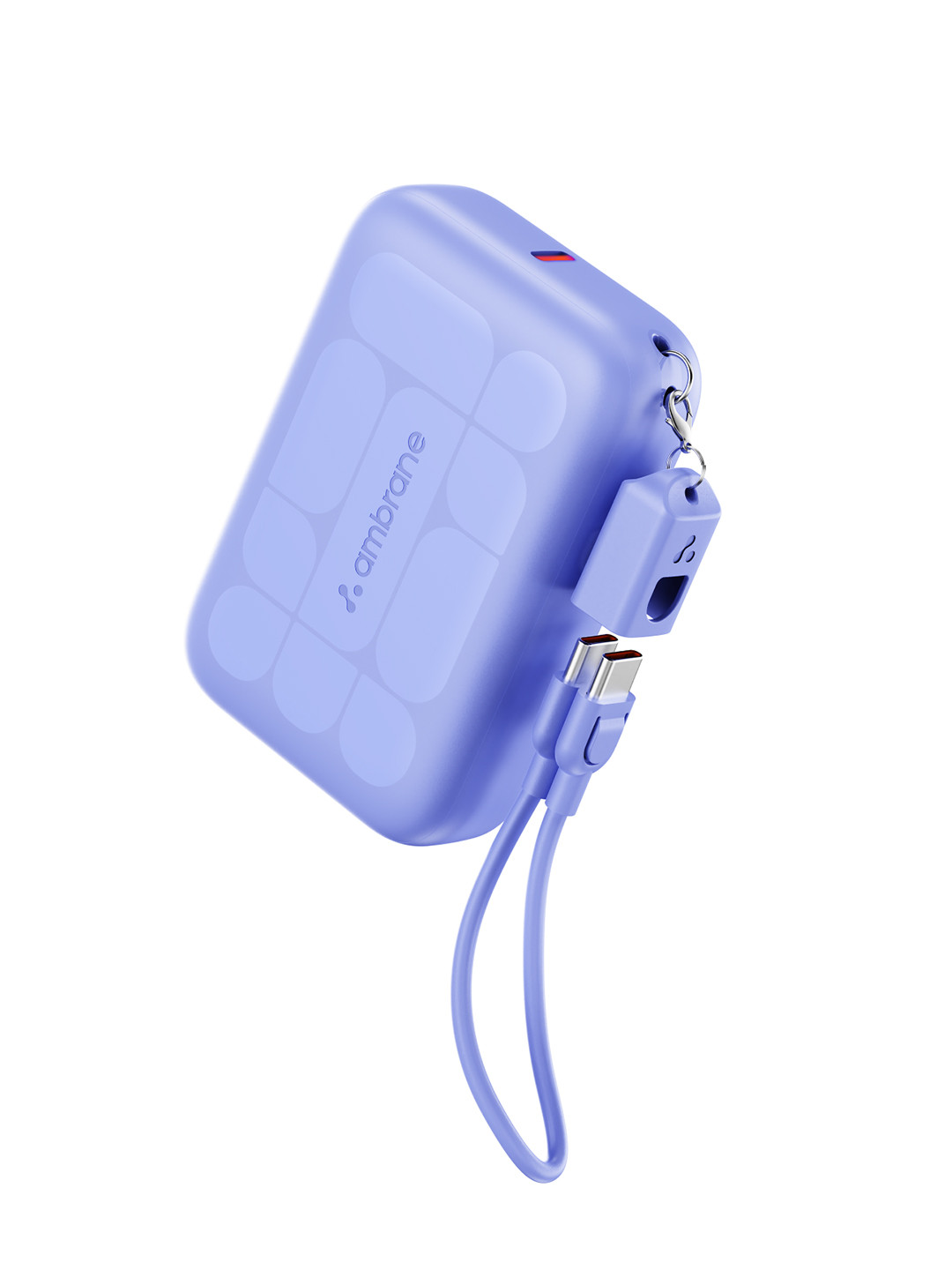
2. Ambrane 20000mAh Powerbank with in-Build Type C Cable
3. DailyObjects Loop Qi2 Certified Mag-Safe Compatible Aluminium Wireless Power Bank
4. Xiaomi Power Bank 4i 20000mAh 33W Super Fast Charging PD
5. Portronics Luxcell B 10K 10000 mAh 22.5W Fast Charging Power Bank
Cheap power banks often fail not because the idea is flawed, but because execution falls short. High capacity numbers lure buyers, while weak output, poor battery cells, and inadequate safety features quietly undermine performance.
Within three months, these hidden compromises surface. Charging slows, efficiency drops, and reliability disappears. What once felt like a bargain turns into a recurring expense.
A better approach focuses on balance, capacity paired with strong output, supported by quality components. Spending a little more up front often saves both money and frustration in the long run.
Next time a power bank promises massive capacity at a suspiciously low price, pause for a moment. Behind that shiny number, the real story may be very different.
(Disclaimer: This article may include references to or features of products and services made available through affiliate marketing campaigns. NDTV Convergence Limited (“NDTV”) strives to maintain editorial independence while participating in such campaigns. NDTV does not assume responsibility for the performance or claims of any featured products or services.)