Can A Wireless Keyboard Actually Fix Your Messy Desk Setup?
A cluttered desk can slow productivity and drain focus. Could switching to a wireless keyboard help clear the chaos? Discover how this simple upgrade can transform your workspace.

Tired of a Messy Desk Setup? How a Wireless Keyboard Can Transform Your Workspace.
Take a quick look at any typical work desk after a long day. A coffee mug rests beside a stack of notebooks. Charging cables snake across the surface like impatient commuters in rush hour traffic. Somewhere beneath that tangle sits a keyboard, half hidden under papers or tilted at an awkward angle.
Modern work habits encourage productivity, yet desk setups often tell a different story. Between laptops, external monitors, phones, and accessories, the humble desk turns into a battlefield of wires and clutter. In such chaos, focus slips away faster than a ₹10 coin from a loose pocket.
This growing frustration has pushed many people toward wireless accessories. Among them, the wireless keyboard stands out as a surprisingly popular upgrade. At first glance, it looks like a small change. Remove a cable, free up some space, and carry on with the day. Yet many users claim that this simple shift dramatically improves both workspace organisation and daily comfort.
But does it really work? Can a wireless keyboard genuinely rescue a cluttered desk, or does it merely swap one problem for another?
The answer lies somewhere between practicality, psychology, and a little bit of everyday convenience.
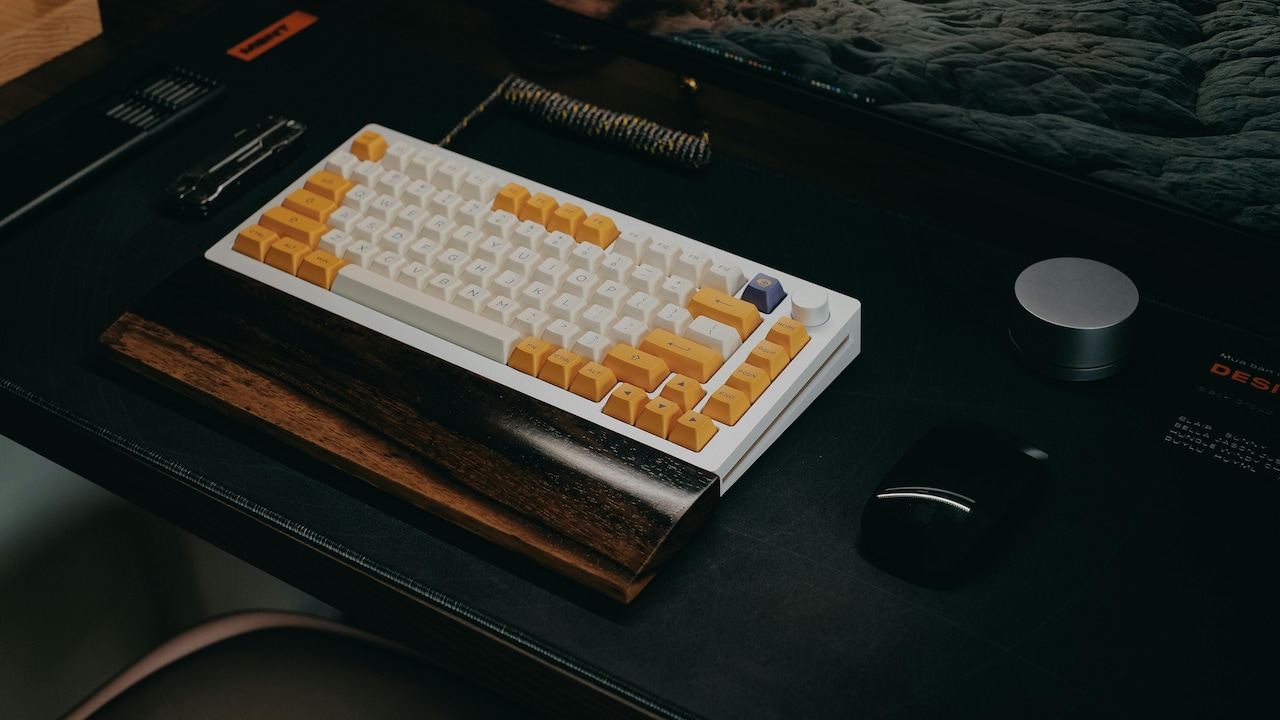
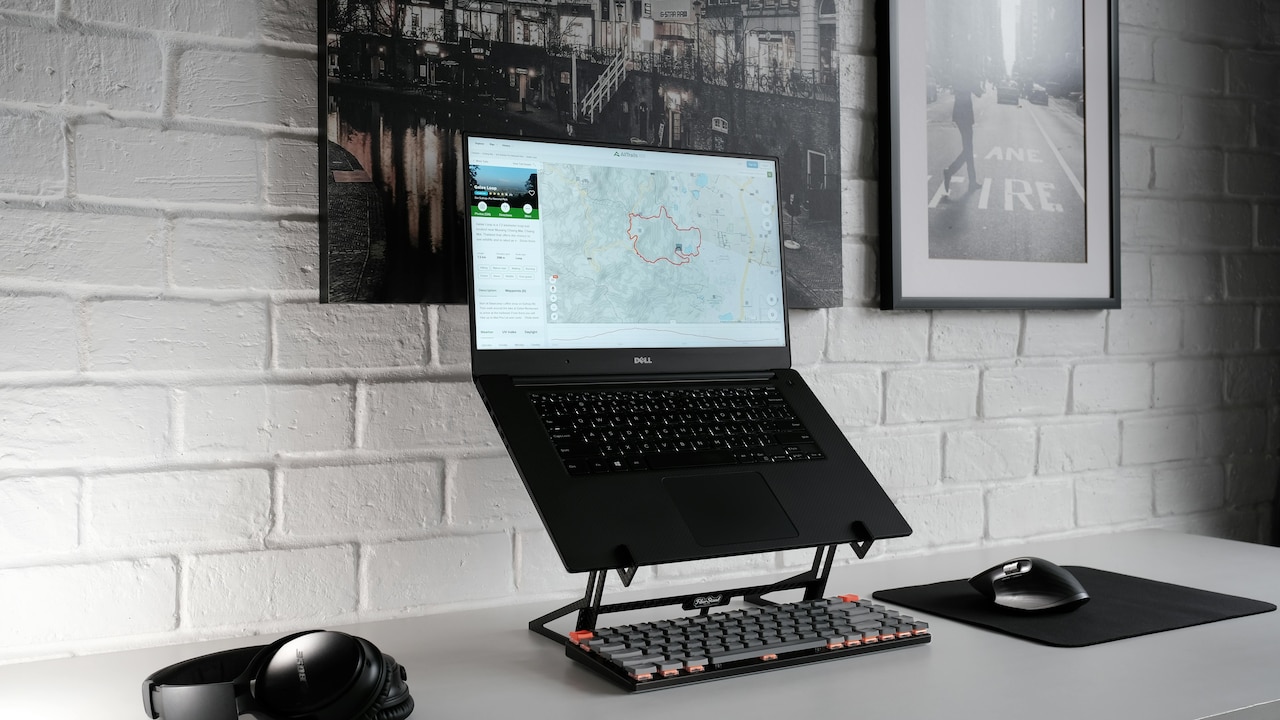
Can A Wireless Keyboard Actually Fix Your Messy Desk Setup?; Photo Credit: Pexels
Why A Wireless Keyboard Might Be The Simplest Desk Upgrade
The Hidden Chaos Of Cable Clutter
Cables rarely appear troublesome at first. They arrive neatly packed with gadgets, tied carefully with twist ties and folded with factory precision. The moment they reach a desk, however, that order vanishes.
A keyboard cable winds across the desk, then slips behind the laptop stand. It competes with phone chargers, earphone wires, and perhaps the occasional HDMI cable. Within weeks, the workspace resembles a small electronic jungle.
The real issue goes beyond aesthetics. Cable clutter disrupts movement. A notebook cannot slide freely across the desk. A mouse wire snags against a pen stand. Even cleaning becomes a chore that requires lifting devices and untangling cords.
In smaller homes where a desk might double as a dining table or study corner, this problem multiplies quickly. When a workspace must transform several times a day, tangled cables create unnecessary friction.
A wireless keyboard removes one of the most visible wires immediately. While it may sound minor, the visual difference often feels dramatic. A cleaner surface naturally encourages better organisation. Once one cable disappears, people tend to rearrange the rest of the desk as well.
That small step can spark a surprising chain reaction toward a tidier workspace.
Freedom To Position Your Keyboard Anywhere
Traditional keyboards behave like stubborn pets tied to a leash. Their cables dictate exactly where they must sit. Move the keyboard too far, and the wire pulls tight like a rope in a tug-of-war.
A wireless keyboard breaks that invisible constraint.
Suddenly, the keyboard no longer depends on the laptop's position. It can slide further back to create writing space. It can move closer to the edge for better typing comfort. Some users even shift it aside completely while reading documents or attending virtual meetings.
This flexibility matters more than it appears. Many desks struggle with limited space, especially when multiple gadgets compete for attention. A wireless keyboard allows quick adjustments without unplugging anything.
Consider a scenario during exam preparation or a work-from-home day. A textbook spreads across the desk. With a wired keyboard, that book competes with the cable's path. A wireless one simply moves aside for a moment, then returns when needed.
This freedom subtly changes how a desk functions. Instead of forcing the user to adapt, the workspace adapts to the user.
Over time, that flexibility encourages a cleaner and more comfortable setup.
Also Read: 5 Best Wireless Keyboards Under ₹1,500 for Seamless Work-from-Home Setup
A Cleaner Look Without The Snake Pit Of Wires
A tidy desk offers more than visual satisfaction. It influences mental clarity as well.
Designers often emphasise minimalism in workspaces for a reason. When the desk surface appears clean and organised, the mind tends to mirror that order. Tasks feel manageable rather than overwhelming.
Wireless keyboards contribute directly to that cleaner appearance. Removing a cable instantly reduces visual noise. Even if several other wires remain behind the monitor or laptop stand, the main workspace feels calmer.
Many people underestimate how much cables affect perception. One stray wire across the desk can make the entire setup look messy. Eliminate that single line, and the desk suddenly appears more deliberate and organised.
For anyone who frequently joins video meetings, the visual benefit becomes even clearer. A clean desk background sends a subtle message of professionalism. No one wants colleagues noticing a tangle of wires during a morning call.
Wireless keyboards help maintain that polished look without demanding a full desk makeover. Sometimes one small upgrade creates the illusion of a completely refreshed workspace.
More Space For The Things That Actually Matter
A desk should support productivity, not compete with it.
Yet many setups dedicate surprising amounts of space to cables and fixed accessories. When wires dictate placement, the keyboard occupies the same patch of desk permanently.
Wireless keyboards restore control over that real estate.
When the keyboard does not rely on a cable, it becomes a flexible tool rather than a permanent fixture. It can slide away while reviewing paperwork. It can shift aside during sketching or note-taking. It can even move to a lap during casual browsing.
That flexibility proves particularly valuable in compact apartments where space rarely feels generous. Many people share desks with family members or use the same table for both work and personal tasks.
A wireless keyboard helps that shared surface stay adaptable.
Instead of wrestling with cables each time the desk changes purpose, users simply move the keyboard wherever it suits the moment. The result feels less like a rigid workstation and more like a versatile workspace.
And that small difference often keeps clutter under control.
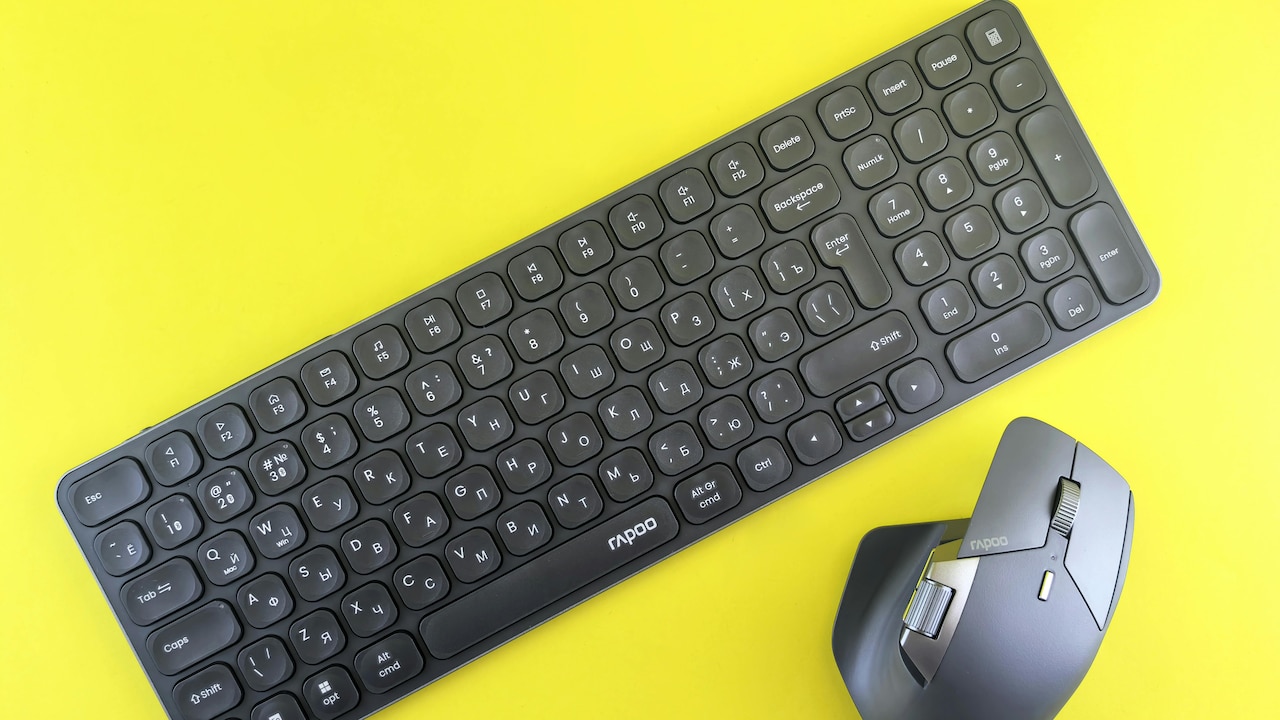
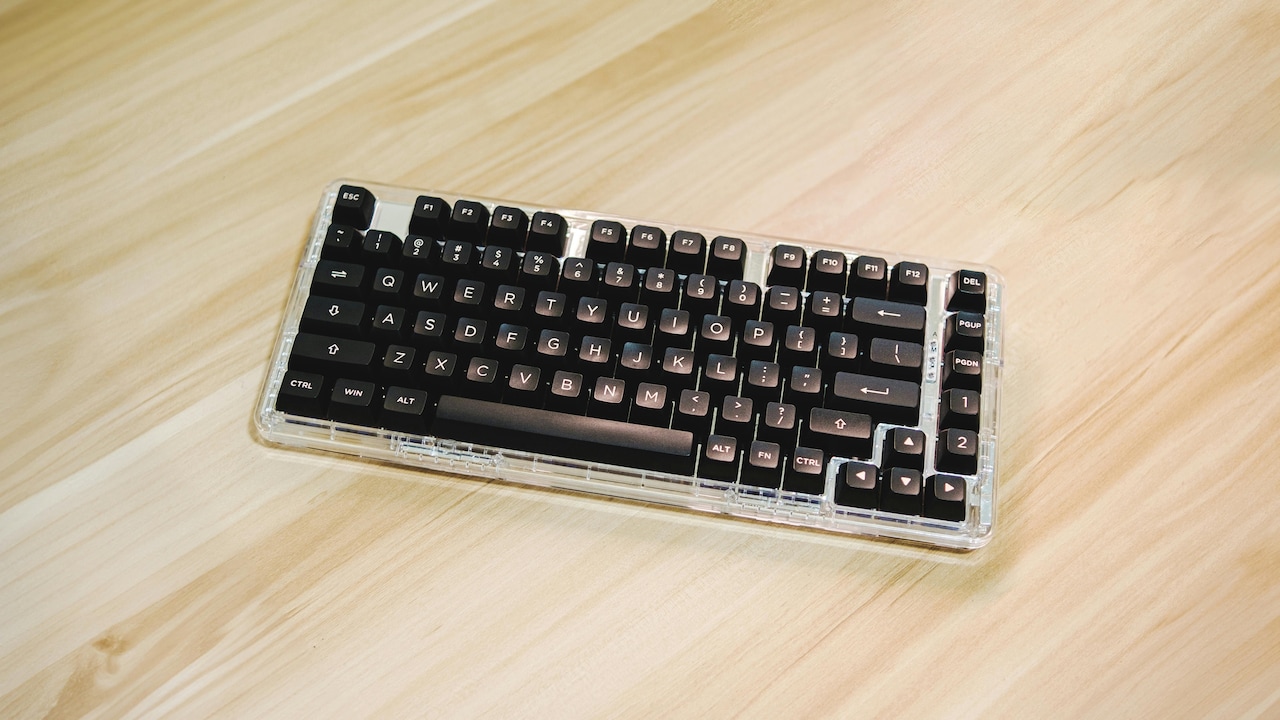
Can A Wireless Keyboard Actually Fix Your Messy Desk Setup?; Photo Credit: Pexels
The Psychological Boost Of A Tidy Workspace
Organisation often begins in the mind rather than the drawer.
A messy desk can quietly chip away at concentration. Papers pile up, devices crowd together, and cables form a visual reminder of unfinished tasks. Even when everything technically functions, the environment feels chaotic.
Psychologists frequently link tidy surroundings with improved focus and productivity. When the brain sees order, it processes information more calmly.
Wireless keyboards contribute to this sense of order in subtle ways. Removing a cable reduces visual clutter, which in turn makes the desk appear calmer. That calmer environment encourages better work habits.
People often report an interesting side effect after switching to wireless accessories. Once the desk looks neater, they begin maintaining it more carefully. Pens return to holders. Papers stack neatly instead of scattering across the surface.
It becomes a small ritual of control in a busy day.
While a wireless keyboard alone cannot transform productivity, it can nudge behaviour in the right direction. Sometimes the smallest environmental change creates the biggest psychological shift.
Portability Makes Workspaces More Flexible
Work rarely stays confined to one corner anymore.
A laptop might travel from the bedroom to the balcony during the day. A dining table might become a temporary office before dinner arrives. In such situations, portability becomes surprisingly valuable.
Wireless keyboards excel in this area.
Most models weigh very little and connect instantly through Bluetooth or a small USB receiver. This means the keyboard can move along with the laptop without dragging cables behind.
Imagine shifting work to a quieter room during an important call. With a wired keyboard, the entire setup requires unplugging and rearranging. A wireless one simply comes along for the ride.
Students especially appreciate this flexibility during long study sessions. One moment involves typing notes, the next involves reading textbooks spread across the table.
The keyboard moves effortlessly between those tasks.
This freedom makes the workspace feel dynamic rather than fixed. In homes where furniture must serve multiple purposes, such flexibility often proves invaluable.
Fewer Cables Mean Easier Cleaning
Dust behaves like an uninvited guest that refuses to leave.
Desks collect it constantly. Between books, electronics, and stationery, tiny particles gather quietly until someone finally wipes the surface.
Cables complicate that process.
Every wire becomes a small obstacle that must be lifted or moved during cleaning. Many people skip thorough cleaning simply because unplugging devices feels inconvenient.
Wireless keyboards simplify the process dramatically. Without a cable tethering it to the laptop, the keyboard lifts easily with one hand. The desk surface underneath becomes instantly accessible.
A quick wipe removes dust and crumbs without navigating around wires.
This convenience encourages more frequent cleaning. When a task takes only seconds, it becomes part of the regular routine rather than a dreaded weekend chore.
A clean desk not only looks better but also prolongs the life of devices. Dust often slips between keys and ports, causing gradual wear.
Removing unnecessary cables reduces these hiding spots, making maintenance far simpler.
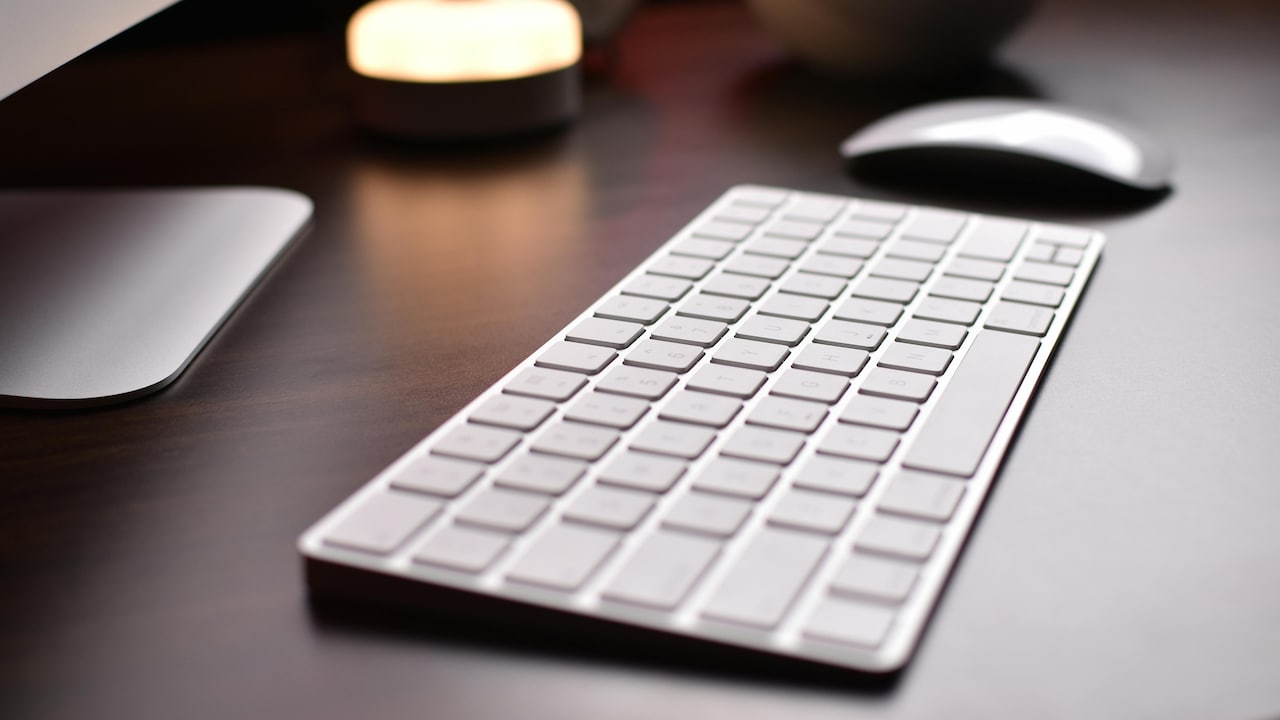
Can A Wireless Keyboard Actually Fix Your Messy Desk Setup?; Photo Credit: Pexels
Modern Wireless Keyboards Offer Reliable Performance
Older wireless gadgets once carried a reputation for lag and unreliable connections. Early models occasionally missed keystrokes or disconnected at inconvenient moments.
Modern wireless keyboards tell a very different story.
Bluetooth technology and improved wireless receivers now deliver performance nearly identical to wired models. Typing feels responsive, even during fast writing sessions or gaming.
Battery life has also improved significantly. Many keyboards now run for weeks or even months on a single charge. Some models include power-saving modes that activate automatically when the keyboard sits idle.
This reliability matters because productivity depends on consistency. No one wants a keyboard that stops working halfway through an important document.
Fortunately, technology has reached a point where wireless devices rarely struggle with such issues.
For everyday typing, browsing, or office work, most wireless keyboards perform smoothly. The difference between wired and wireless now lies more in convenience than capability.
And convenience often shapes daily habits far more than technical specifications.
A Small Upgrade With Big Long-Term Benefits
Workspace upgrades sometimes feel expensive or complicated. New desks, ergonomic chairs, and large monitors can cost thousands of rupees.
A wireless keyboard, however, sits comfortably at the more affordable end of the spectrum. Many reliable options cost somewhere between ₹1,200 and ₹4,000, depending on features and build quality.
That relatively modest investment can reshape how a desk functions.
Unlike decorative items that simply occupy space, a wireless keyboard actively improves usability. It frees up movement, reduces clutter, and encourages a cleaner arrangement.
Over months of daily use, those benefits accumulate quietly.
The desk stays tidier. Cleaning becomes quicker. Work sessions feel more comfortable.
These small improvements often deliver far more value than flashy gadgets. After all, the keyboard remains one of the most frequently used tools on any computer setup.
Improving that tool inevitably improves the workspace itself.
Sometimes the simplest upgrade delivers the most noticeable change.
Products Related To This Article
1. Logitech Pebble Keys 2 K380s, Multi-Device Bluetooth Wireless Keyboard with Customisable Shortcuts
2. Zebronics Wireless Keyboard, 2.4GHz, 104 Keys with 12 Multimedia Keys
3. HP K290 Wireless Keyboard
4. Portronics Bubble 3.0 Wireless Keyboard with Bluetooth
5. Dell KM3322W Wireless USB Keyboard and Mouse Combo
A wireless keyboard may seem like a modest piece of technology. It does not promise dramatic productivity hacks or futuristic features.
Yet its impact on a messy desk setup can be surprisingly powerful.
Removing cables, it reduces visual clutter and creates a cleaner workspace. By allowing flexible positioning, it frees the desk from rigid layouts. By improving portability and simplifying cleaning, it fits naturally into modern work habits.
Of course, no keyboard can magically organise scattered papers or forgotten coffee mugs. A tidy desk still requires a bit of discipline. But tools shape behaviour.
When a workspace becomes easier to manage, people naturally keep it organised. A wireless keyboard often acts as the first step toward that transformation.
So can it fix a messy desk setup? Not entirely.
But it might just be the simplest upgrade that nudges a cluttered workspace back toward calm, order, and a little breathing room.
(Disclaimer: This article may include references to or features of products and services made available through affiliate marketing campaigns. NDTV Convergence Limited (“NDTV”) strives to maintain editorial independence while participating in such campaigns. NDTV does not assume responsibility for the performance or claims of any featured products or services.)