Why Your Smart TV Slows Down Even With Good Wi-Fi: This Is What Is Happening And How To Fix It
Strong Wi-Fi does not always guarantee a fast Smart TV. Slow processors, app clutter, outdated software, and hidden cache often cause frustrating lag. Here is what slows your TV down and how to fix it.
Why Your Smart TV Slows Down Even With Good Wi-Fi: This Is What Is Happening And How To Fix It
Few things test patience quite like settling in after a long day, remote in hand, ready for a cricket match or favourite series, only for the Smart TV to move at the pace of a traffic jam during monsoon season. The Wi-Fi signal shows full bars, the broadband plan promises blazing speeds, but somehow the television struggles to keep up. This frustrating experience has become surprisingly common. Many assume the internet provider is at fault, but often the problem sits much closer, right inside the TV itself. Smart TVs now function more like oversized smartphones than traditional televisions. They run apps, process updates, manage storage, and juggle multiple tasks at once. Over time, just like any gadget, they can become bogged down. The good news is that a sluggish Smart TV does not always signal the need for an expensive replacement. In many cases, a few simple adjustments can dramatically improve performance. Knowing what slows these devices down can help households enjoy smoother streaming without unnecessary spending.
Why Your Smart TV Slows Down Even With Good Wi-Fi: This Is What Is Happening And How To Fix It
Photo Credit: Pexels
What Is Really Slowing Down Your Smart TV Despite Strong Wi-Fi
The Hidden Strain Of Smart TV Processors
Most Smart TVs look sleek on the outside, but inside, many rely on modest processors and limited RAM. Manufacturers often prioritise display quality over internal computing power, especially in budget and mid-range models. While this setup works well initially, the system can struggle as apps grow heavier and software demands increase.
Streaming platforms regularly update their features, adding richer interfaces, recommendations, and background functions. Over time, this puts extra pressure on ageing hardware. Even with excellent Wi-Fi, the television may lag because it cannot process commands quickly enough.
Imagine trying to run the latest smartphone apps on a five-year-old budget phone. The internet may work perfectly, but the device itself becomes the bottleneck. Smart TVs face a similar fate.
Regular restarts can help clear temporary memory. Switching off the TV completely rather than leaving it on standby also refreshes system resources. For older models, using external streaming devices can bypass sluggish built-in software and offer a faster experience at a fraction of the cost of a new television.
App Overload Can Quietly Slow Everything Down
Modern Smart TVs often come preloaded with numerous apps, many of which rarely get used. Add downloaded streaming platforms, music services, games, and miscellaneous software, and the system can quickly become cluttered.
Each installed app occupies storage space and may run background processes, even when not actively in use. This digital clutter can reduce available memory, slow menu navigation, and increase app launch times.
The issue resembles an overstuffed wardrobe. Finding anything useful becomes harder when unnecessary items pile up. Similarly, a Smart TV performs better when lean and organised.
Deleting unused applications can free valuable resources. Clearing the app cache also helps remove temporary files that may cause sluggishness. Many users overlook this step, yet it can significantly boost speed.
Checking storage settings every few months keeps the system tidy. If an app has not been opened in ages, it probably does not deserve precious space. A cleaner operating environment often leads to noticeably smoother performance.
Outdated Firmware Often Creates Performance Problems
Software updates can feel annoying, especially when they interrupt viewing plans, but ignoring them may worsen Smart TV performance. Firmware updates often include bug fixes, security patches, and performance improvements that optimise how the television handles newer apps.
Without these updates, compatibility issues can emerge. Streaming services may load poorly, interfaces may freeze, and system glitches can become more frequent.
Think of firmware as the engine tuning of the TV. Even a high-quality machine needs regular maintenance to run efficiently. Skipping updates can leave the system struggling with outdated instructions.
Checking for updates manually once a month ensures the device stays current. Automatic updates can also help, though some users prefer manual control to avoid inconvenient timing.
A few minutes spent updating software may resolve persistent lag issues and improve overall stability. In many cases, this simple fix restores a television's responsiveness more effectively than endlessly rebooting the router.
Cache Buildup Can Choke Performance
Every time apps stream shows, browse content, or save preferences, they generate cache files. These temporary files speed up certain processes initially, but excessive buildup can have the opposite effect over time.
When cache accumulates unchecked, it can clog storage and interfere with smooth app performance. This may result in slower loading times, freezing, or even app crashes.
It is similar to a kitchen drawer stuffed with takeaway menus, rubber bands, and mystery keys. Eventually, finding what matters becomes a chore.
Clearing cache periodically helps restore efficiency. Most Smart TVs allow cache management through app settings or device care menus. Though often hidden deep within settings, this maintenance task can make a dramatic difference.
For households that binge-watch frequently, monthly cache cleaning is worthwhile. It keeps apps lighter and reduces unnecessary digital baggage, ensuring the television remains responsive when entertainment calls.
Also Read: Why Portable Projectors Turn Blank Walls Into Home Theatre Screens
Weak Router Placement Still Matters More Than Expected
Even when broadband speed is excellent, physical Wi-Fi performance can suffer due to poor router placement. Walls, furniture, appliances, and even microwave ovens can weaken signal quality before it reaches the TV.
A router tucked behind furniture or placed in a distant corner may struggle to deliver stable connectivity. The result can mimic device slowness, with buffering and lower streaming quality.
Picture trying to hear someone clearly through several closed doors during a loud festival celebration. The message weakens despite strong intent.
Placing the router in a central, elevated location often improves signal consistency. For larger homes, mesh systems or Wi-Fi extenders can enhance coverage.
Where possible, using an Ethernet cable offers the most stable connection. While wireless convenience is appealing, wired connections remain superior for uninterrupted streaming, especially during major sports events or high-resolution content viewing.
Why Your Smart TV Slows Down Even With Good Wi-Fi: This Is What Is Happening And How To Fix It
Photo Credit: Pexels
Background Features Can Secretly Drain Resources
Many Smart TVs come packed with features such as voice assistants, personalised recommendations, motion smoothing, and automatic content previews. While these additions sound impressive, they often consume processing power.
Background analytics and promotional content can quietly occupy memory and bandwidth, reducing system responsiveness. Some televisions even collect viewing data continuously to improve recommendations or advertising.
Disabling unnecessary features can lighten system load. Turning off voice wake-up functions, reducing auto-play previews, and limiting data-sharing settings can improve speed.
This approach resembles decluttering a living room before Diwali. Removing distractions creates a cleaner, more functional space.
Exploring privacy and system settings may reveal surprisingly resource-heavy options. A few strategic adjustments can transform a sluggish interface into a smoother, more enjoyable experience.
Storage Limits Can Trigger Serious Slowdowns
Smart TVs have limited internal storage, and many users underestimate how quickly it fills. App downloads, cached files, firmware updates, and system data all consume space.
When storage nears capacity, the system may slow dramatically. App installations can fail, updates may stall, and everyday operations become sluggish.
This issue often catches users off guard because storage warnings are not always prominent. The television simply feels slower without an obvious explanation.
Checking available storage periodically is essential. Removing large unused apps, clearing downloads, and resetting rarely used services can free critical space.
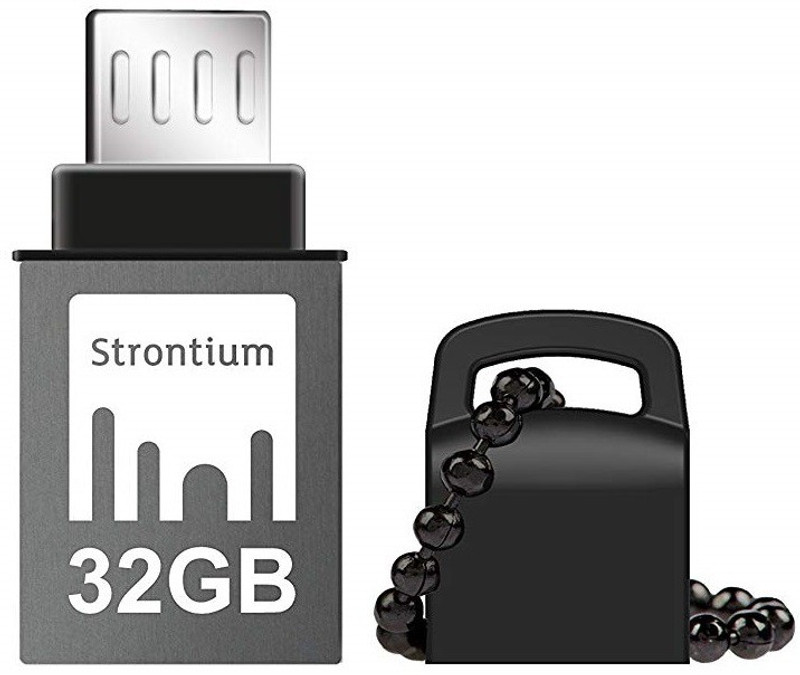
Some devices support USB storage expansion, though this varies by model. For those with limited built-in memory, external streaming devices often provide a more practical long-term solution.
Maintaining breathing room within system storage helps the TV operate efficiently and reduces frustrating performance dips.
Overheating Can Quietly Damage Speed
Heat affects electronics more than many realise. Poor ventilation, dust buildup, or prolonged heavy use can cause Smart TVs to overheat, which may reduce processing efficiency.
When internal temperatures rise, systems may throttle performance to protect components. This can lead to slower navigation, app crashes, or reduced responsiveness.
Dust accumulation behind the unit can worsen the problem, particularly in densely populated urban environments where particles gather quickly.
Ensuring proper airflow around the television is crucial. Avoid enclosing it tightly within cabinets. Cleaning vents regularly also helps maintain healthy operating temperatures.
It is much like expecting peak summer productivity without a fan or cooler. Even machines need breathing space.
A well-ventilated television often performs more consistently, especially during extended streaming sessions or festive binge-watching marathons.
Factory Resets Can Revive Tired Systems
When smaller fixes fail, a factory reset can often restore Smart TV performance. This process removes accumulated clutter, resets settings, and returns the system to a cleaner state.
Though reinstalling apps and logging in again requires effort, the speed improvement can be substantial. Years of digital buildup often vanish, leaving the TV noticeably faster.
A factory reset resembles giving a cluttered home a complete spring cleaning. It may feel inconvenient initially, but the refreshed result often justifies the hassle.
Before resetting, backing up important login details is wise. Once completed, reinstall only essential apps to avoid recreating old issues.
For many households, this step can extend the television's practical life by several years without spending ₹30,000 or more on a replacement.
External Streaming Devices May Be The Best Upgrade
Sometimes, built-in Smart TV software simply cannot keep pace with evolving demands. In such cases, external streaming devices such as Fire TV Stick, Chromecast, or Apple TV can offer a practical solution.
These devices often feature faster processors, better app support, and more frequent software updates than older television systems. They effectively bypass sluggish internal software while preserving the screen itself.
Rather than replacing an otherwise excellent display, adding a streaming device can deliver a modernised experience for a relatively modest investment, often between ₹3,000 and ₹15,000.
This strategy feels a bit like upgrading from a crowded local train to a smooth metro ride.
For users frustrated by persistent lag despite every optimisation effort, external devices often provide the simplest and most effective solution.
Why Your Smart TV Slows Down Even With Good Wi-Fi: This Is What Is Happening And How To Fix It
Photo Credit: Pexels
Products Related To This Article
1. TCL 139 cm (55 inches) 4K UHD Smart QD-Mini LED Google TV
2. Hisense 164 cm (65 Inches) 4K Ultra HD Smart QLED TV
3. Samsung 80 cm (32 inches) HD Smart LED TV
4. Xiaomi 80 cm (32 inch) F Series HD Ready Smart LED Fire
5. Philips 108 cm (43 inches) 6100 Series Frameless Full HD Smart LED Google TV
A slow Smart TV with strong Wi-Fi can feel confusing, but internet speed is rarely the sole issue. More often, sluggish performance stems from hardware limitations, software clutter, outdated systems, or environmental factors.
Fortunately, most problems have straightforward solutions. Clearing cache, removing unused apps, updating firmware, improving ventilation, and optimising settings can all breathe new life into ageing televisions.
Before rushing to replace a slow device, a little maintenance may save considerable money and frustration. And when built-in systems truly fall behind, external streaming devices offer an affordable performance boost.
In the end, Smart TVs require the same occasional care as any modern gadget. With the right attention, they can continue delivering seamless entertainment, whether for blockbuster films, family serials, or nail-biting final overs.
(Disclaimer: This article may include references to or features of products and services made available through affiliate marketing campaigns. NDTV Convergence Limited (“NDTV”) strives to maintain editorial independence while participating in such campaigns. NDTV does not assume responsibility for the performance or claims of any featured products or services.)