10 Reasons ANC Earbuds Don't Block Noise As Well As You Expected
ANC earbuds can reduce background noise, but they cannot silence everything. Poor fit, wind, voices, settings and unrealistic expectations can all make noise cancellation feel weaker than promised.
10 Reasons ANC Earbuds Don't Block Noise As Well As You Expected
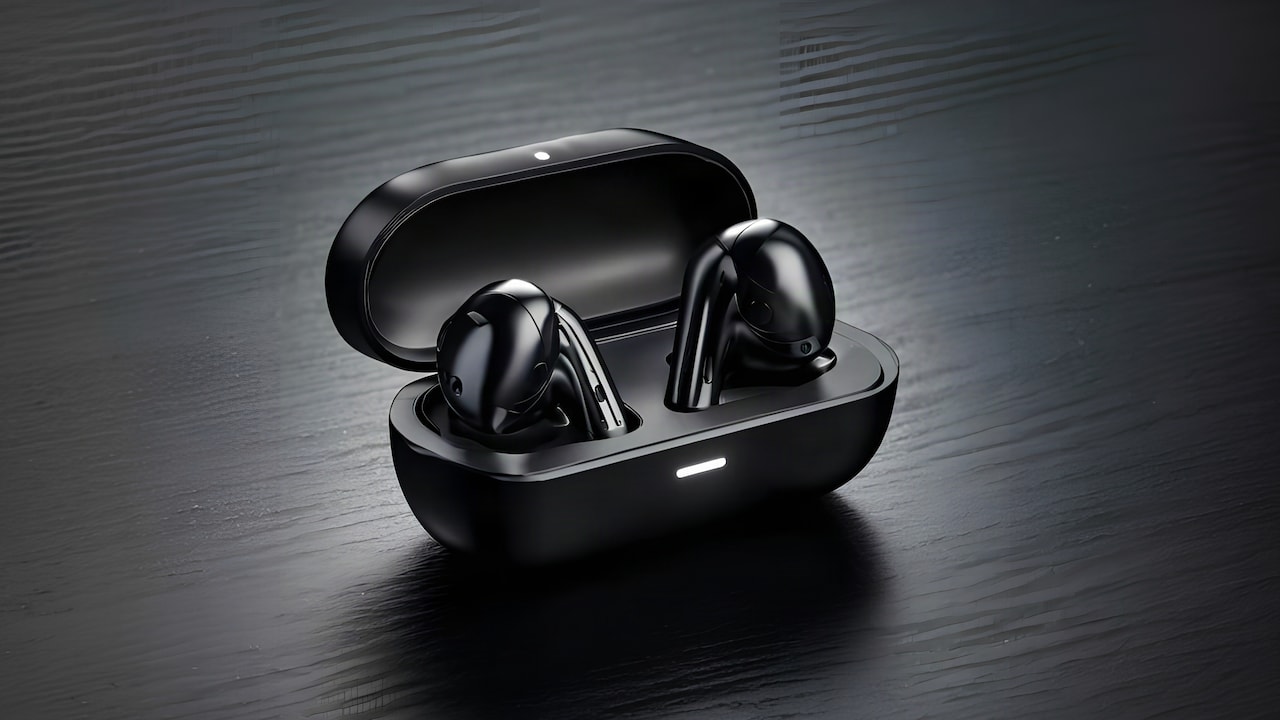
The first encounter with Active Noise Cancellation can create dangerously high expectations. Advertising videos often show a commuter slipping in a pair of earbuds before the surrounding chaos melts into peaceful silence. Anyone who has tried the same trick during a packed Metro ride or beside a lively family gathering knows reality has a few extra sound effects. ANC earbuds can reduce unwanted noise remarkably well, but they cannot create a soundproof bubble around your ears. Their tiny microphones, speakers and processors constantly analyse surrounding sounds and try to counter them. That process works brilliantly against certain noises and far less effectively against others.
10 Reasons Your ANC Earbuds Aren't Blocking Noise Properly
Photo Credit: Pexels
Sometimes the issue comes from the technology itself. At other times, something as simple as a loose ear tip quietly ruins the experience. Even premium earbuds costing ₹20,000 or more cannot escape the basic physics involved.
Before blaming the earbuds, the manufacturer or that suspiciously enthusiastic online review, it helps to understand what ANC can and cannot do. These ten reasons explain why the silence promised in your imagination may sound rather noisier in real life.
Why Your ANC Earbuds Aren't As Quiet As You Expected
1. ANC Works Better On Some Sounds Than Others
The biggest misunderstanding about ANC starts with the word “noise”. Not all noise behaves the same way.
Active Noise Cancellation performs particularly well against steady, low-frequency sounds. Think of the deep hum of an aircraft engine, the rumble of a bus, the whirr of an air conditioner or the constant drone inside a train carriage. These sounds remain relatively predictable, which gives the earbuds enough information to create an opposing sound wave.
Sudden and irregular noises cause more trouble. A child shouting nearby, someone dropping a steel plate in the kitchen or a colleague suddenly laughing can reach your ears before the ANC system fully reacts. Human speech also changes rapidly in pitch and volume, making it harder to cancel.
That explains the curious experience of sitting on a bus and barely noticing the engine while still hearing the conductor calling out stops.
ANC therefore reduces noise rather than deleting it. The distinction sounds small until expectations enter the picture. Anyone hoping for library-level silence in the middle of a wedding preparation session will discover that physics has declined the invitation.
2. A Poor Ear Tip Seal Lets Noise Sneak In
ANC technology receives plenty of attention, but a tiny piece of silicone often determines whether it works properly.
Earbuds need a reasonably tight seal inside the ear canal. That seal physically blocks outside sound before the electronic noise cancellation even begins. If the tips sit loosely, sound slips around them and reaches the ear directly. No clever processor can completely rescue a badly fitting earbud.
Ear canals also vary more than people realise. The medium tips fitted at the factory may suit one person perfectly and feel hopelessly loose for another. One ear may even need a different size from the other.
Try gently pressing the earbuds inward while ANC remains switched on. If outside noise suddenly drops, the fit probably needs attention. Testing the supplied small, medium and large tips can make a surprisingly dramatic difference.
Some companion apps also include an ear-tip fit test, which can help identify leaks.
Buying ₹15,000 earbuds and ignoring the spare tips in the box is rather like buying blackout curtains and leaving the window slightly open. The technology matters, but the seal gives it a fighting chance.
Also Read: Top 5 Wireless Earbuds With Clear Mics Under ₹1500
3. Human Voices Are Difficult To Cancel Completely
Few things expose ANC limitations faster than a nearby conversation.
A steady engine produces a repetitive sound pattern. Human speech refuses to behave so politely. Voices constantly change in frequency, volume and rhythm. Words contain sharp consonants, shifting vowels and sudden pauses, giving the cancellation system a moving target.
Modern premium earbuds can reduce voices, particularly deeper background chatter, but they rarely erase speech completely. Someone talking beside you in a café may sound quieter or more distant, yet individual words can still break through.
This often disappoints people who buy ANC earbuds mainly for offices, study spaces or shared flats. They expect the technology to silence every conversation around them. Instead, the air-conditioner disappears while the discussion about weekend plans remains annoyingly understandable.
Playing music adds another layer of masking, so voices often seem much less noticeable once audio starts. ANC alone, especially without music, will expose more background speech.
For study sessions, a combination of strong passive isolation, effective ANC and low-volume instrumental music usually works better than expecting noise cancellation to perform a disappearing act on every talkative person nearby.
4. Your Earbuds May Not Fit Your Ear Shape Properly
Choosing the correct silicone tip solves only part of the fit problem. The actual body of the earbud also needs to sit correctly.
Some earbuds have short stems, some use rounded shells and others fill much of the outer ear. A design that feels perfectly secure for one person may slowly work loose for someone else. Walking, chewing, smiling or simply turning your head can shift the position enough to weaken the seal.
This matters because ANC relies on consistency. If the earbud moves and creates a small air gap, outside noise suddenly gains an easy route inside.
People often notice this during workouts or long journeys. The cancellation seems impressive at first, then gradually becomes weaker. A quick adjustment restores it, only for the problem to return twenty minutes later.
No specification sheet can guarantee a perfect anatomical match. Reviews help with sound quality and features, but nobody else's ears have quite the same shape as yours.
Comfort deserves equal attention. Forcing oversized tips deeper into the ear may improve isolation briefly but create soreness later. The best fit should feel secure and sealed without making your ears count the minutes until freedom.
10 Reasons Your ANC Earbuds Aren't Blocking Noise Properly
Photo Credit: Pexels
5. Wind Can Confuse The ANC Microphones
Take excellent ANC earbuds outdoors on a breezy day and something strange can happen. Instead of peaceful silence, you may hear rumbling, fluttering or an odd booming sound.
The culprit is often wind hitting the external microphones.
ANC earbuds use microphones to listen to environmental noise. When moving air passes directly over those microphones, it creates turbulence. The system can interpret that turbulence as unwanted sound and attempt to cancel it. Unfortunately, the result may sound worse than simply leaving ANC off.
Cycling, travelling in an auto-rickshaw with open sides or walking along a windy road can expose this weakness quickly.
Manufacturers increasingly use wind-reduction algorithms and carefully positioned microphones, so newer premium models often cope better. Even then, strong gusts can overwhelm the system.
Some earbuds include a dedicated wind-noise reduction mode. Switching to it may help, while turning ANC down slightly can sometimes produce a more natural result.
This is one of those moments when maximum noise cancellation does not necessarily mean maximum comfort. Technology can battle engines, fans and traffic impressively, but a determined gust of wind still knows how to make tiny microphones reconsider their career choices.
6. Transparency Or Adaptive Mode May Be Active
Sometimes the disappointing ANC performance has a wonderfully simple explanation: full noise cancellation is not actually switched on.
Many modern earbuds offer several listening modes. Alongside standard ANC, you may find Transparency, Ambient, Adaptive, Awareness or similarly named options. Transparency deliberately feeds outside sounds through the earbuds so you can hear traffic, announcements or conversations without removing them.
Adaptive modes create more confusion because they automatically change the amount of cancellation according to your surroundings. The earbuds may reduce ANC when they detect speech, movement or environmental changes.
That behaviour can feel convenient, but it may also make the earbuds seem inconsistent.
Accidental touch controls add another possibility. Adjusting an earbud while walking can switch modes without you noticing. Suddenly the traffic sounds louder, and the natural reaction is to wonder whether the ANC has developed a fault.
Check the companion app and confirm which mode is active. Some brands also let you customise touch controls or disable automatic switching.
Before launching an angry support chat about faulty ₹10,000 earbuds, spending thirty seconds in the settings menu can save both money and blood pressure.
7. Very Loud Environments Can Overpower Tiny Earbuds
ANC earbuds perform impressive calculations, but they still operate inside tiny housings with equally tiny microphones and speakers.
Extremely loud environments can push that hardware towards its practical limits. Construction work, blaring horns, machinery, loud music systems and nearby drilling produce powerful sound waves across a wide range of frequencies. ANC may reduce some of the lower-frequency energy while leaving plenty of sharper noise behind.
That does not necessarily indicate poor-quality earbuds. Even excellent ANC cannot replace proper hearing protection in dangerously loud surroundings.
This distinction matters. Noise-cancelling earbuds primarily improve listening comfort; manufacturers do not generally design ordinary consumer ANC earbuds as certified industrial hearing protection.
Consider the familiar experience of working from home when renovation begins next door. The steady hum of machinery may soften considerably, but hammer strikes still arrive with impressive enthusiasm.
Increasing music volume to drown them out creates another problem. Excessive listening levels can put hearing at risk.
When the environment becomes extremely loud, physical isolation matters even more. A secure seal can complement ANC, but some situations simply demand specialised protective equipment rather than stronger playlists and optimistic faith in miniature electronics.
8. Your ANC Settings May Not Be At Maximum Strength
Not every pair of earbuds applies one fixed level of noise cancellation.
Many models allow users to adjust ANC intensity through a companion app. Some offer sliders, presets or automatic modes designed to balance comfort, awareness and battery consumption. If the setting sits below maximum strength, outside noise may remain more noticeable than expected.
Personalised ANC features can complicate things further. Certain earbuds analyse ear shape, atmospheric pressure or listening conditions before adjusting cancellation. These features sometimes improve performance, but an unsuitable setting can also make the result feel underwhelming.
Firmware updates occasionally change ANC behaviour too. Manufacturers may tune algorithms to reduce pressure sensations, wind interference or unwanted artefacts. That can alter how aggressive the cancellation feels.
Opening the app therefore deserves a place near the top of any troubleshooting routine. Check the ANC level, adaptive settings, personalised profiles and available firmware updates.
The difference may not transform a crowded railway platform into a meditation retreat, but it can restore performance that seemed mysteriously missing.
Earbuds have become small computers with speakers attached. As with most computers, sometimes the hardware is perfectly fine and one buried setting has simply decided to cause unnecessary drama.
10 Reasons Your ANC Earbuds Aren't Blocking Noise Properly
Photo Credit: Pexels
9. Battery Level Can Affect Noise Cancellation
ANC needs power. The microphones must monitor surrounding sound, processors must calculate the cancelling signal and the drivers must reproduce it almost instantly.
As battery levels fall, some earbuds change how aggressively they manage power. Depending on the model, certain features may become limited near critically low charge levels. Even when ANC remains available, other processing behaviour can change as the device tries to keep running.
Older batteries create another concern. Lithium-ion cells gradually lose capacity as they age. Earbuds that once delivered several hours of stable ANC may need charging far more often after years of regular use.
Charging cases can also create misleading situations. An earbud that failed to make proper contact with its charging pins may leave the case at a much lower battery level than expected.
If ANC suddenly feels inconsistent, checking the charge level takes only a moment. Cleaning the charging contacts can also help when one side regularly shows less battery than the other.
A low battery will not explain every weak ANC experience, but electronics rarely perform their best when the battery indicator looks as anxious as someone watching their phone hit 2% during an evening commute.
10. Your Expectations May Be Higher Than The Technology Allows
Marketing has done ANC technology one enormous favour and users one small disservice. It has made “noise cancellation” sound suspiciously close to “silence”.
The two are not the same.
Even the finest wireless earbuds cannot remove every sound reaching your ears. ANC reduces selected frequencies, while the physical ear tips block others. Some noises will always remain, especially nearby speech, sharp impacts and high-frequency sounds.
The effect can also seem less dramatic after a few weeks. When someone first switches on good ANC in a noisy room, the sudden reduction feels astonishing. Once that quieter background becomes normal, the brain adapts. The same performance may later feel less impressive even though nothing has changed.
Comparisons also distort expectations. A demonstration in a controlled shop or review studio tells little about performance on a crowded road at rush hour.
Good ANC should make travel, work and listening more comfortable. It should reduce the need to raise music volume and soften tiring background hum.
Expecting complete silence, however, sets even excellent earbuds up for failure. Sometimes the product needs fixing. Sometimes the expectation does.
Products Related To This Article
1. boAt Airdopes Prime 701 ANC, 46dB Hybrid ANC, 50Hr Battery
2. Noise Buds N2 Pro Truly Wireless Earbuds with ANC (Up to 32dB)
3. realme Buds T200x True Wireless Earbuds with 12.4mm Dynamic Bass Drivers
4. OnePlus Nord Buds 4 TWS Earbuds with 52dB Real-time ANC
5. GOBOULT Z40 True Wireless in Ear Earbuds with 60H Playtime
6. boAt Airdopes 141/8, Low Latency, ENx Tech, 42HRS Battery
7. Noise Buds N1 Truly Wireless Earbuds with Chrome Finish, 40H of Playtime
ANC earbuds remain one of the most useful developments in personal audio. They can turn the relentless rumble of a commute into something far more manageable, soften the drone of an air conditioner and make music easier to enjoy without pushing the volume unnecessarily high.
What they cannot do is suspend the laws of acoustics. Performance depends on the type of surrounding noise, the quality of the ear-tip seal, the shape of your ears, microphone conditions, software settings and even how the earbuds sit while you move. Sudden voices, wind and sharp sounds present much tougher challenges than predictable low-frequency rumbles.
Before deciding that a pair of ANC earbuds has failed to justify its price, check the fit, listening mode, app settings and battery level. A small adjustment can sometimes make a surprisingly large difference.
Most importantly, treat Active Noise Cancellation as noise reduction rather than portable silence. That shift in expectation makes the technology easier to appreciate for what it genuinely does well.
The world may not disappear when ANC switches on. Thankfully, it can become quiet enough to make the next commute, work session or long journey considerably less exhausting.
(Disclaimer: This article may include references to or features of products and services made available through affiliate marketing campaigns. NDTV Convergence Limited (“NDTV”) strives to maintain editorial independence while participating in such campaigns. NDTV does not assume responsibility for the performance or claims of any featured products or services.)