10 Setup Problems That Make Wireless Microphones Crackle, Drop Audio Or Lose Connection
Wireless microphones often crackle or drop audio because of simple setup mistakes. From frequency interference to poor antenna placement, these 10 common problems can weaken connections and disrupt clear sound.
10 Wireless Microphone Setup Mistakes That Cause Crackling And Audio Dropouts
A wireless microphone usually feels effortless when everything works. Clip on the transmitter, switch on the receiver, check the level and start speaking. Then, halfway through a wedding speech, college event, corporate presentation or stage performance, the audio suddenly crackles. A few seconds later, the microphone drops out completely. Cue the worried glance towards the sound desk. Wireless microphone problems can seem random, but they rarely are. Most dropouts, bursts of static and connection failures have a practical explanation. Radio interference, physical obstacles, weak batteries and poor receiver placement can all make an otherwise reliable system behave unpredictably.
10 Setup Problems That Make Wireless Microphones Crackle, Drop Audio Or Lose Connection
Photo Credit: Pexels
The tricky part is that several problems may produce similar symptoms. A microphone with a low battery can sound like a microphone struggling with interference. A poorly positioned antenna may behave like a transmitter operating too far away. Raising the volume will not solve either problem and may simply make the unpleasant noises louder.
Good wireless audio therefore begins long before somebody steps onto the stage. It starts with thoughtful setup. Here are ten common mistakes worth checking before blaming the microphone itself.
Common Wireless Microphone Setup Mistakes To Avoid
1. Choosing A Frequency Without Checking For Interference
Wireless microphones depend on radio frequencies, and those frequencies are rarely sitting in splendid isolation. Nearby wireless systems, communication equipment, television transmissions and other electronic devices may occupy parts of the same spectrum.
That makes randomly selecting a frequency risky. A microphone might appear perfectly stable during an empty-room sound check and begin crackling once the venue fills with equipment and additional wireless devices. This is particularly frustrating during conferences, wedding functions and large performances where several wireless microphone channels operate at the same time.
Frequency scanning should therefore become part of the setup rather than something done only after trouble appears. Many modern receivers can scan available frequencies and identify cleaner channels. Use that feature before pairing transmitters.
When several systems operate together, frequency coordination matters even more. Two channels do not necessarily need to share exactly the same frequency to interfere with one another.
Think of the radio spectrum like traffic near a busy railway station. Finding one empty patch of road is not enough. The surrounding traffic matters too.
A few minutes spent selecting clean frequencies can prevent an evening full of mysterious crackles.
2. Placing The Receiver In The Wrong Location
Wireless microphones may not need audio cables between performer and receiver, but they still need a healthy radio path.
That becomes difficult when the receiver sits under a metal table, behind a rack full of electronics or inside a closed cabinet. Such locations may look neat, yet they can weaken reception considerably.
Receivers generally perform better when positioned where their antennas have a reasonably clear path towards the transmitter. The equipment does not always need direct visual contact, but fewer large obstacles usually improve reliability.
Metal structures deserve particular attention. Stage frames, equipment racks and large structural elements can reflect or block radio signals. Even crowds can affect some wireless systems because the human body contains plenty of water, which absorbs radio-frequency energy.
Imagine a receiver positioned low behind the sound console while hundreds of people stand between it and a presenter. That setup may work during rehearsal in an empty hall and struggle once guests arrive.
Moving the receiver higher or closer can sometimes improve performance more dramatically than changing complicated settings.
Wireless freedom still has boundaries. Give the receiver a sensible place to listen.
Also Read: Grab 5 Best Microphones for Gaming And Podcasting On Flipkart
3. Keeping The Transmitter Too Far From The Receiver
Every wireless microphone system has an operating range, but the impressive number printed on packaging deserves some context.
Maximum range figures often assume favourable conditions. Real venues contain walls, people, lighting equipment, electrical systems and countless objects capable of affecting radio signals.
A transmitter that works perfectly at 40 metres in an open field may behave quite differently across a packed banquet hall.
Distance weakens the signal arriving at the receiver. Once that signal becomes too weak, brief audio interruptions can appear. Push things further and the connection may disappear altogether.
This becomes especially relevant when presenters walk through an audience or performers move between rooms. The microphone may operate beautifully near the stage before suddenly developing dropouts at the back of the venue.
Test the actual route the microphone will follow rather than checking it from one comfortable position beside the sound desk.
Walking the venue during setup can reveal troublesome areas before the programme begins.
Sometimes the solution is surprisingly simple: reposition the receiver, relocate its antennas or reduce the working distance.
Wireless microphones provide mobility, not magic. Radio signals still become weaker as distance increases.
4. Ignoring Obstacles Between The Transmitter And Receiver
Distance gets plenty of attention, but objects between the transmitter and receiver can cause just as much trouble.
Concrete walls, metal partitions, lift shafts, large LED displays and heavy stage structures may interfere with radio transmission. Even a performer standing in the wrong position can occasionally weaken the signal.
This explains why a wireless microphone can behave perfectly during testing and start dropping audio once the stage becomes crowded.
Consider a corporate event where the receiver sits backstage while the speaker presents from the opposite side of a large LED video wall. The distance might look reasonable, yet the structure between them can create a far more difficult radio environment.
Changing the receiver position often provides a better solution than increasing transmitter power.
Where possible, keep antennas away from large metal surfaces and avoid hiding receivers behind substantial structures. Remote antennas can also help when receivers must remain inside equipment racks located far from the performance area.
Pay attention to where the transmitter sits on the speaker as well. A bodypack trapped between the person's body and a thick object may not radiate its signal effectively.
Wireless audio works best when the radio signal has fewer things to fight through.
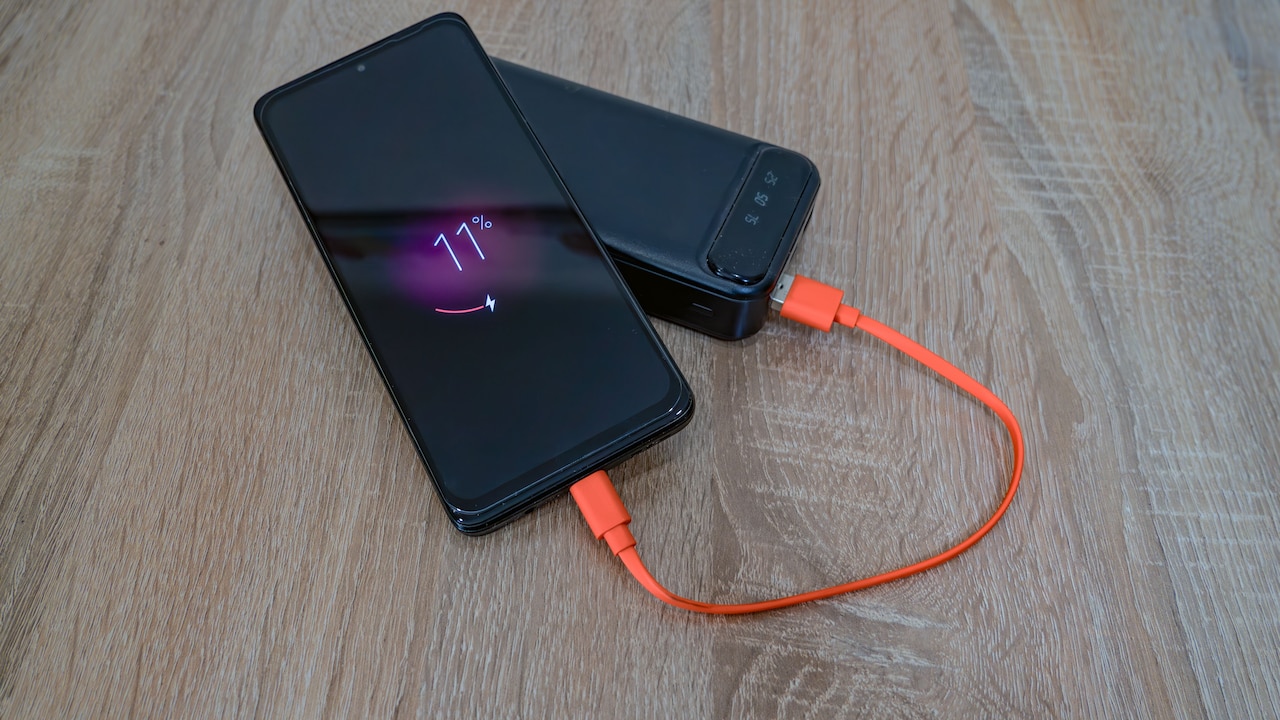
5. Using Weak Or Unreliable Batteries
Few microphone failures create more unnecessary panic than a tired battery.
Wireless transmitters rely on stable power. As a battery runs down, some systems provide plenty of warning. Others may continue working until performance becomes less predictable. Suddenly there is crackling, reduced range or a complete shutdown.
Checking the battery icon five minutes before an important programme is therefore not excessive caution. It is basic preparation.
Battery quality matters too. Cheap or damaged rechargeable cells may show encouraging voltage readings before dropping quickly under load. Mixing batteries of different ages can create further uncertainty.
For important events, freshly charged cells or dependable new batteries are usually a small expense compared with the embarrassment of losing the chief guest's microphone halfway through a speech.
Keep spare batteries nearby, but do not leave replacement until the transmitter is already dying.
Battery contacts also deserve attention. Dirt, corrosion or loose contacts can interrupt power when the microphone moves. A handheld unit may work while resting on a table and cut out the moment somebody starts waving it enthusiastically.
Sometimes the mysterious wireless problem is not wireless at all. It is two little batteries asking for retirement.

10 Setup Problems That Make Wireless Microphones Crackle, Drop Audio Or Lose Connection
Photo Credit: Pexels
6. Setting The Transmitter Gain Incorrectly
Not every crackle comes from radio interference. Sometimes the wireless connection is perfectly healthy while the audio entering the transmitter is overloaded.
That usually happens when transmitter gain is set too high.
A loud singer, enthusiastic presenter or speaker holding the microphone very close can overload the transmitter's audio input. The result may sound harsh, distorted or crackly, leading someone at the mixer to assume there is an RF problem.
Turning down the main sound-system volume does not fix this because the distortion has already occurred earlier in the signal chain.
Gain should match the person using the microphone. Ask them to speak or perform at realistic volume during the sound check. A quiet "testing, one, two" followed by full-volume singing five minutes later tells the technician very little.
Setting gain too low creates another problem. The engineer may compensate by boosting levels elsewhere, which can raise background noise.
The aim is healthy signal strength without clipping during louder moments.
This becomes especially important when one microphone passes between multiple speakers. The soft-spoken manager and the enthusiastic wedding emcee may produce dramatically different levels.
Good gain structure gives the wireless system room to breathe.
7. Positioning Or Orienting The Antennas Poorly
Antennas are easy to overlook because they rarely look exciting. Yet those small rods play a major role in connection reliability.
Folding them randomly against the back of a receiver or squeezing them against metal equipment can reduce performance.
Many wireless microphone receivers use diversity reception, with two antennas helping the system maintain a stronger signal as reflections and movement change conditions around the venue. Proper positioning allows that design to work effectively.
Receiver antennas should generally remain clear of unnecessary obstructions and follow the manufacturer's recommended orientation. When external antennas are used, careless positioning or incorrect cabling can create additional losses.
Transmitter antennas matter as well. On some bodypack units, stuffing the antenna tightly underneath clothing or wrapping it around the pack may reduce transmission quality.
The temptation to make everything invisible is understandable, particularly for theatre productions and formal events. Reliability, however, deserves equal consideration.
Treat antennas as working components rather than decorative pieces of plastic.
A tiny change in orientation can sometimes eliminate a troublesome dead spot that looked like a major equipment fault.
When wireless audio behaves strangely, look at the antennas before reaching for the screwdriver.
8. Allowing Other Electronic Devices To Sit Too Close
Wireless microphone receivers rarely operate alone. They often share tables or equipment racks with laptops, routers, digital mixers, lighting controllers and other electronics.
That electronic neighbourhood can become noisy.
Some devices generate radio-frequency energy capable of interfering with wireless systems, particularly when equipment sits extremely close together. Wi-Fi routers deserve attention when microphones operate in frequency ranges where other wireless technologies are also active.
Simply placing a receiver directly beside a router because both need power and network access may create avoidable problems.
Cable management matters as well. Poor-quality power supplies and badly arranged equipment can introduce electrical noise that sounds suspiciously similar to a wireless fault.
Create sensible separation between radio equipment where practical. Keep receiver antennas clear of dense clusters of electronics and power cables.
During troubleshooting, switch nearby devices off one at a time when possible. If the crackling suddenly disappears when a particular device loses power, the investigation has become much easier.
Event setups often grow organically. One laptop becomes three, somebody adds a router, a charger appears, then another adaptor joins the party.
Eventually the wireless receiver finds itself living inside an electronic traffic jam.
Give it some breathing room.
9. Using Too Many Wireless Systems Without Coordination
One wireless microphone is usually straightforward. Ten can become a puzzle.
Every additional system increases the need for careful frequency planning. Choosing frequencies individually may appear sensible, yet wireless transmitters can interact in ways that create unwanted signals called intermodulation products.
In practical terms, channels that look separate on paper can still interfere when several transmitters operate together.
Large events are particularly vulnerable. A stage may contain handheld microphones, bodypacks, wireless instrument systems and separate communication equipment. Add another microphone at the last minute and the carefully balanced radio environment can change.
This is why professional multi-channel systems often include frequency-coordination tools or preset channel groups designed to operate together.
Do not assume that adding a new microphone simply means finding any apparently empty frequency.
Switch on every transmitter that will be used and test the entire system together. Problems sometimes appear only when all units operate simultaneously.
A microphone working beautifully by itself proves very little about how it will behave among twelve electronic neighbours.
Planning might feel less exciting than mixing music or setting stage lights, but good frequency coordination often determines whether the audience hears smooth audio or an evening of random digital hiccups.
10. Skipping A Proper Walk Test Before The Event
A quick microphone check from beside the sound console cannot reveal every wireless problem.
The presenter probably will not spend the entire event standing two metres from the receiver. They may walk across the stage, step into the audience, turn their back or disappear behind a decorative structure.
That is why a proper walk test matters.
Once the system is configured, carry the transmitter through every area where it may realistically be used. Speak continuously while another person monitors the receiver and audio output. Watch for changes in RF strength as well as audible dropouts.
Pay particular attention to corners, wings, backstage passages and areas near large displays or metal structures.
Dead spots can be surprisingly specific. Moving half a metre may turn an unreliable position into a perfectly stable one.
Testing should also happen with the venue arranged as closely as possible to event conditions. Equipment added later can change the radio environment, while a room filled with people may behave differently from an empty hall.
The exercise may feel slightly silly while somebody walks around repeating "check, check" for the twentieth time.
That awkward minute is still preferable to discovering the dead spot during the best man's speech.
10 Setup Problems That Make Wireless Microphones Crackle, Drop Audio Or Lose Connection
Photo Credit: Pexels
Products Related To This Article
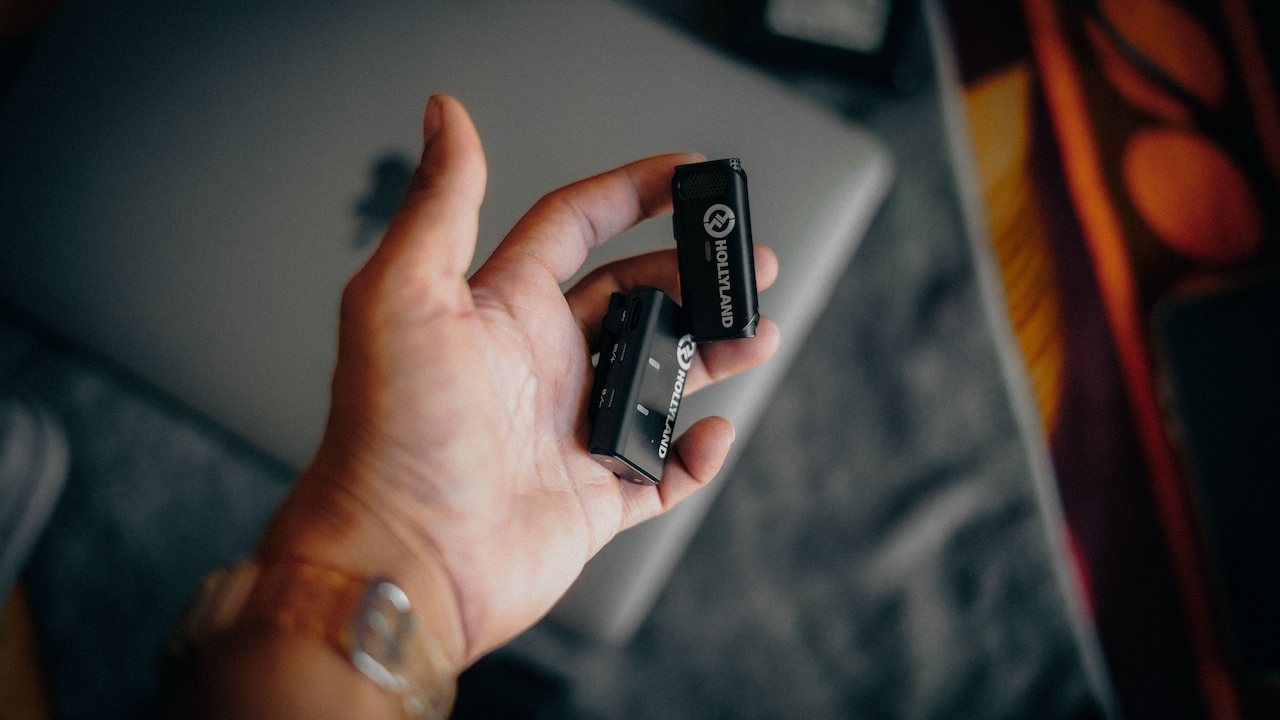
1. Hollyland Lark A1 Mini Duo Wireless Lavalier Microphone
2. Digitek DWM-116 Mic Wireless with Type-C & Lightning
3. BOYA Mini 2 | Wireless mic for YouTube
4. GRENARO Wireless Mic for Youtubers
5. K-8 Wireless Microphone, Collar Microphone for Type-C Android
6. UTECTION by VOOK Wireless Mic with AI Noise Cancellation
7. Portronics Dash 7 Omnidirectional Type C Wireless Microphone
Wireless microphone failures often sound dramatic, but the cause is frequently something ordinary: a crowded frequency, weak battery, badly placed receiver, obstructed antenna or missed sound check. The useful lesson is that reliable wireless audio depends less on luck and more on preparation.
Choose frequencies carefully. Keep receivers and antennas sensibly positioned. Give transmitters reliable batteries, set gain correctly and test every area where the microphone will travel. When several wireless systems operate together, coordinate them rather than treating each unit separately.
Most importantly, troubleshoot methodically. Changing five settings at once may make the problem disappear, but it also hides the real cause. Change one thing, test again and watch what happens.
A good wireless microphone should almost disappear from everyone's attention. Nobody in the audience should be thinking about frequencies, antennas or signal strength. They should simply hear the speaker clearly. That effortless result usually comes from plenty of careful work before the first word reaches the microphone.
(Disclaimer: This article may include references to or features of products and services made available through affiliate marketing campaigns. NDTV Convergence Limited (“NDTV”) strives to maintain editorial independence while participating in such campaigns. NDTV does not assume responsibility for the performance or claims of any featured products or services.)