10 Best Tips to Choose Comfortable Office Shoes That Don't Hurt Your Feet
Office shoes shouldn’t hurt. These smart fit and style rules help you choose work footwear that looks polished, feels comfortable, and survives long commutes and longer workdays.
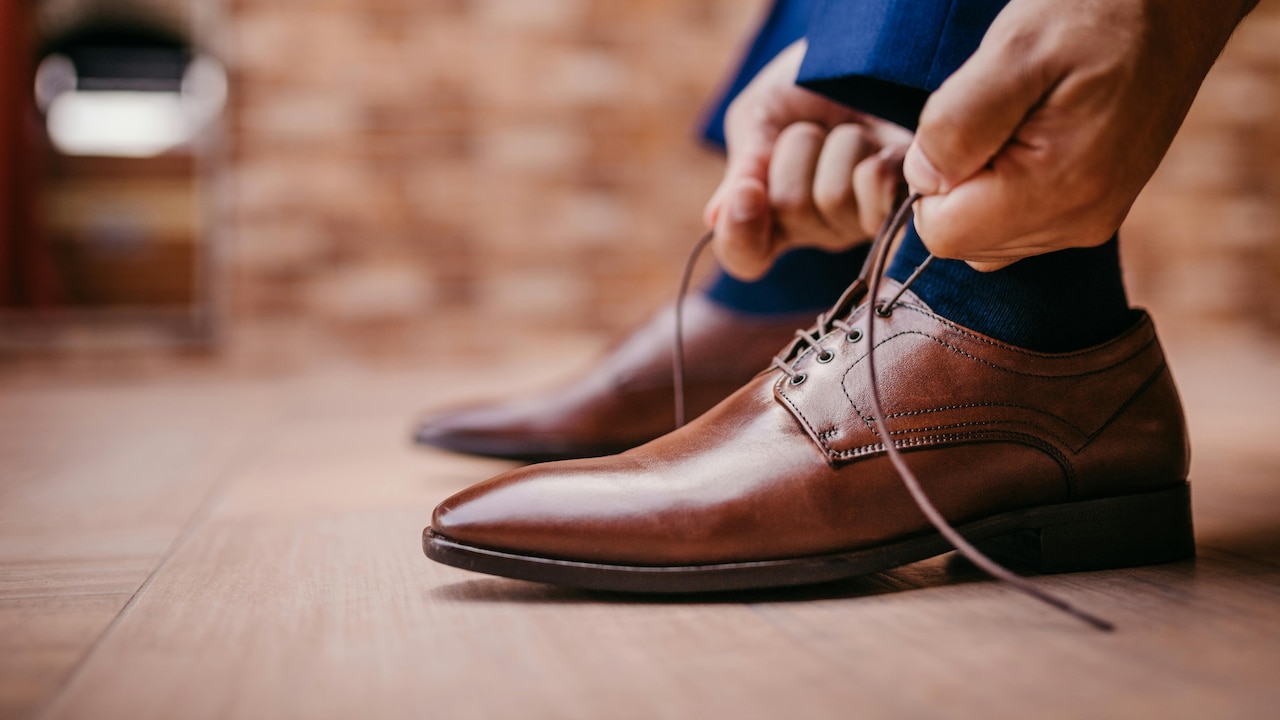
Always remember these top shopping rules to find good office shoes that do not hurt at all.
There's a specific kind of tired that lives in your feet after a full office day. Not the dramatic, “ran a marathon” kind. More like the slow, sneaky ache that builds between the morning cab ride and the last email.
And somehow, it always gets blamed on you. Maybe you “need to get used to it”. Maybe you “should break them in”. Maybe you “shouldn't have bought those office shoes just because they looked good”.
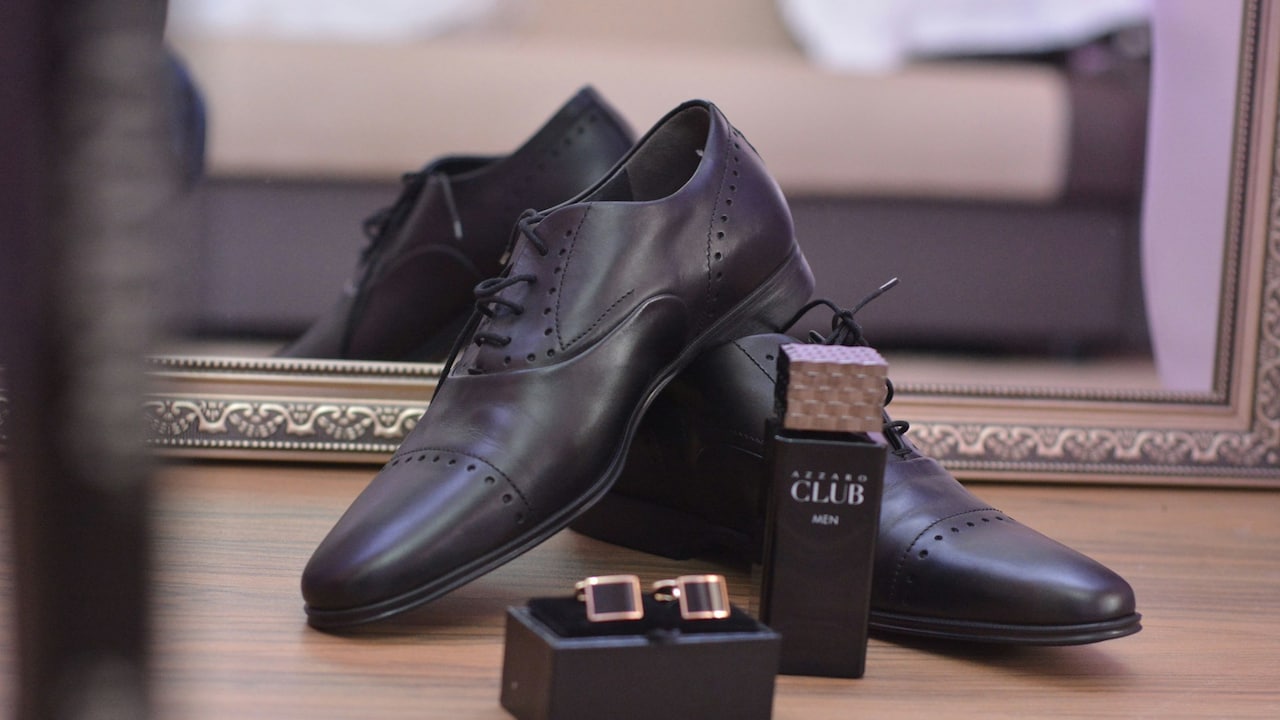
Always remember these fit and comfort related tips when shopping for office shoes; Photo Credit: Unsplash
But here's the truth: office shoes are often designed for looking respectable, not living a real life. The real life where you walk to the metro, stand in a queue for coffee, climb two flights of stairs because the lift is stuck, and sit for hours in air-conditioning that makes your feet swell slightly.
The good news is that you don't need a cupboard full of shoes to fix this. You need smarter rules. Not boring ones. Practical ones that let you look polished without paying for it in pain.
Also Read: Best Work Shoes to Prevent Blisters: Comfortable All-Day Picks for Office Wear
Follow These 10 Fit-And-Style Rules For All-Day Comfort
1) Respect your foot shape before you respect the trend
Most shoe pain starts with one basic mismatch: your foot shape and the shoe shape are not friends. Many office shoes, especially “sharp” ones, are built like narrow triangles. Meanwhile, most real feet are more like rectangles with opinions.
If you have wider toes, a narrow toe box will press your little toe inward all day. That can trigger corns, bunions, and that hot, angry sensation that makes you want to kick your own shoes off under the desk. If you have a higher instep, tight uppers can leave a deep mark across the top of your foot, like the shoe was personally offended by you.
A quick test helps: stand up in your shoes and wiggle your toes. If they can't move at all, you're wearing a foot prison. A proper toe box lets toes spread slightly when you walk. That tiny freedom reduces pressure and keeps feet calmer by evening.
Office style doesn't require suffering. It requires clean lines, good materials, and a fit that doesn't bully you.
2) Buy shoes in the evening, not in the morning
This sounds like a silly superstition, but it's one of the most practical rules. Feet swell throughout the day. Heat, walking, sitting, and even a salty lunch all contribute. By evening, your feet are closer to their “real working size”.
When people buy shoes in the morning, they often buy a size that fits perfectly for that moment. Then they wear the same shoes through a full day and wonder why everything feels tight and painful by 4 pm. It's not dramatic swelling, but it's enough to turn “comfortable” into “why is my big toe negotiating for space”.
If you shop after work or later in the day, you naturally choose a fit that accommodates that swelling. Your feet will thank you during long meetings and long commutes.
If you're ordering online, measure your feet in the evening too. Not once. Twice. Feet can be slightly different sizes, and many people unknowingly size down to match the smaller foot, which punishes the larger one daily.
3) Stop trusting the size number like it's a personality trait
Sizes are not consistent across brands. A size 7 in one brand can feel like a 6.5 in another and an 8 in a third. Yet many people treat the size label like a fixed identity, as if changing it means admitting defeat.
That mindset is how foot pain becomes a lifestyle.
The only thing that matters is the fit. Not the number. Not what you “usually wear”. Not what the salesperson says with too much confidence.
When you try on office shoes, pay attention to heel slip, toe pressure, and midfoot tightness. If your heel lifts while walking, you'll end up clawing your toes to hold the shoe in place. That leads to fatigue and weird aches in the arch. If the shoe pinches the ball of your foot, you'll feel it during any day of standing or walking.
A well-fitting office shoe should feel secure without squeezing. Think firm handshake, not aggressive hug. Your feet deserve dignity.
4) Choose a heel that supports you, not a heel that performs
Heels are not the villain. Bad heels are.
A very high heel forces your body weight forward. That piles pressure onto the ball of your foot. After a few hours, it can feel like you've been walking on hot coins. It also changes posture, strains calves, and can trigger knee discomfort.
For office wear, the sweet spot is usually a low to mid heel. Something stable enough that you can walk fast without wobbling like a newborn deer. Block heels and wedges often offer better support than thin stilettos, especially on uneven pavements or those office corridors where the floor suddenly becomes slippery for no reason.
If you love a sharp, formal look, try a small stacked heel instead of a high one. It keeps the silhouette polished but doesn't punish you.
The real flex is walking confidently into a meeting without secretly counting the minutes until you can sit down.
5) Pay attention to the sole like it's part of your salary package
Office shoes often come with soles that look elegant but behave like plastic trays. They're too thin, too hard, and too flat. This is a problem because your feet need shock absorption. You don't notice it when you're sitting, but you feel it when you walk to lunch, cross the road, or stand chatting after work.
A good sole has a bit of thickness and flexibility. Not floppy like a slipper, but not rigid like a board either. It should bend at the ball of the foot, not in the middle.
Grip matters too. Many people have had at least one moment where they nearly slid dramatically across a polished office floor. It's funny only when it happens to someone else. A sole with some texture saves you from that.
If you're spending ₹2,000 to ₹5,000 on office shoes, the sole should not feel like it was designed as an afterthought.
6) Treat cushioning like a secret weapon, not a compromise
There's an old myth that cushioned shoes look “less formal”. That might have been true years ago. Now, plenty of brands make sleek office shoes with proper padding, supportive insoles, and soft linings.
Cushioning helps in two main ways. It reduces impact when you walk, and it spreads pressure more evenly across the foot. This matters a lot if you have long commutes, stand often, or deal with plantar pain.
Look for a padded footbed under the heel and ball of the foot. Also, check the lining. A rough interior can cause blisters even if the shoe technically fits. Soft linings feel like a quiet luxury that no one sees, but your feet will notice all day.
If your office day includes walking to the metro, taking stairs, or standing for presentations, cushioning is not “extra”. It's survival.
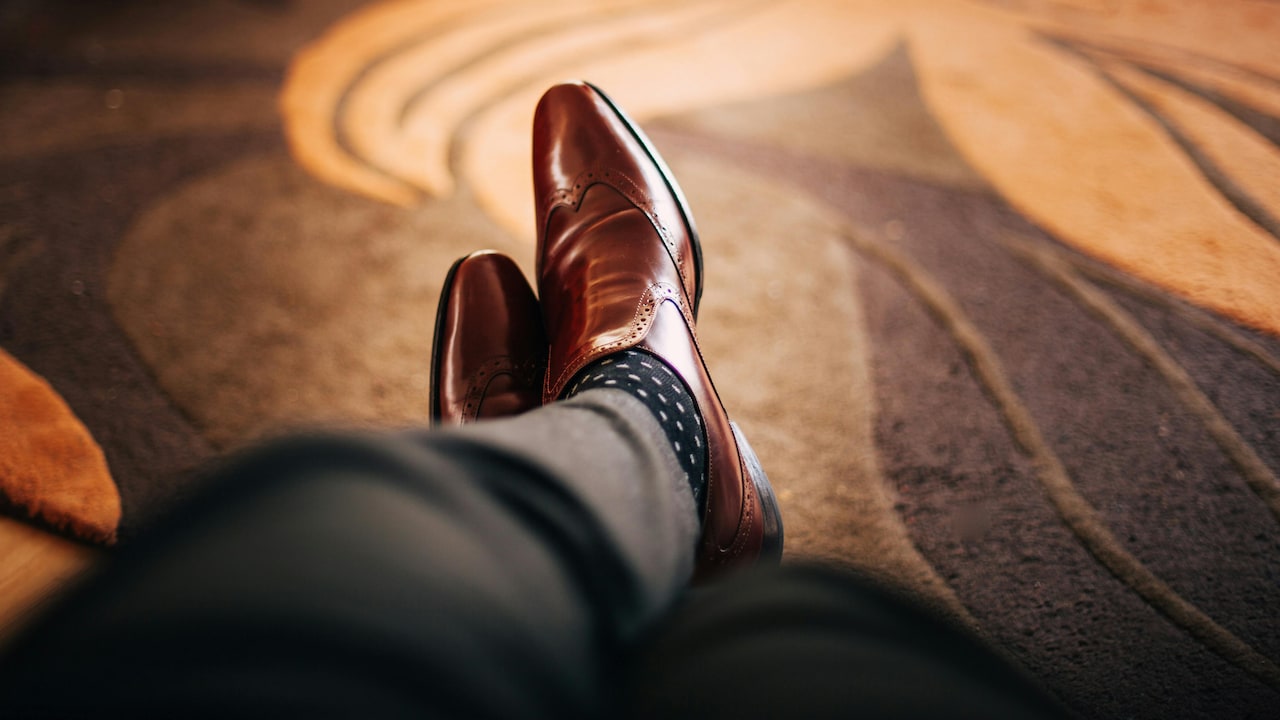
Always consider formal shoes with a good quality of padded footbed for extra comfort; Photo Credit: Pexels
7) Rotate shoes like you rotate work outfits
Wearing the same pair every day is a common mistake. Not because you need more shoes for fashion. Because shoes need recovery time.
When you wear a shoe all day, it absorbs sweat and compresses under your weight. If you wear it again immediately the next day, it stays slightly damp and the cushioning stays flattened. Over time, that leads to odour, faster wear, and less support. Your feet start working harder to compensate.
Rotating between two or three pairs gives each shoe time to dry and rebound. It also changes pressure points, which reduces the risk of blisters and soreness.
This doesn't mean you need a massive collection. Two solid office pairs and one backup can make a noticeable difference. Think of it like not eating the same meal every day. Even if it's your favourite, your body appreciates variety.
Your shoes will last longer too, which makes your wallet quietly happy.
8) Break in shoes the smart way, not the painful way
The phrase “break them in” has caused more suffering than it deserves. A shoe should not require weeks of pain to become wearable. Some softening is normal, but limping is not.
The smarter approach is gradual wear. Start with an hour at home, then a short outing, then half a day. Use socks if needed, especially for leather shoes that feel stiff initially. If the shoe rubs at one spot, that's a warning sign. Don't ignore it and hope it magically improves. It usually becomes a blister, then a scar, then a personal grudge against that shoe.
If a shoe feels tight across the toes or painful at the ball of the foot, it's unlikely to “break in” into comfort. It will simply break you.
Also, keep blister patches handy. Not because you plan to suffer, but because office life loves surprises, and your feet shouldn't pay the price.
9) Match shoes to your commute, not just your desk
Many people choose office shoes based on how they look at the desk. But the day doesn't start at the desk. It starts outside.
If your commute includes walking on uneven pavements, stepping into autos, climbing metro stairs, or navigating rainy streets, you need shoes that can handle movement. A sleek shoe that looks perfect in the lift but makes you limp on the road is not a good office shoe. It's a photo prop.
For rainy season, avoid suede and ultra-thin soles. Water plus slippery soles is a dangerous combination. Leather or treated materials work better, and a slightly raised sole helps keep water out.
If you do a lot of walking, loafers, low block heels, and supportive flats are often better than rigid formal pumps. You can still look sharp. You just won't feel like you've fought a small battle by the time you arrive.
A shoe that respects your commute respects your life.
10) Style tricks that look formal without hurting
The best part is you don't need to choose between comfort and looking professional. You just need smarter style choices.
Pointed-toe shoes look formal, but a slightly rounded or almond toe often looks just as polished while giving toes more room. A well-structured loafer can look powerful and clean, especially in black, tan, or deep brown. If you love heels, a block heel with a sleek upper keeps the silhouette office-ready without the wobble.
Minimal details help too. Simple stitching, clean leather, and subtle hardware make shoes look expensive even when they're not. A shoe that costs ₹1,800 can look far more premium than a ₹4,500 shoe with an awkward design.
Also, keep shoes clean. Dust and scuffs ruin the whole vibe faster than any outfit mistake. A quick wipe and occasional polish do more for your professional look than painful footwear ever will.
Comfort is not casual. Discomfort is just outdated.
Products Related To This Article
1. Bruton Men Sandals
2. Campus Lounge Sneakers Women
3. Purplehunt Women Heels
4. Evok Men Clogs
5. Aeonik Men Sandals
Office shoes shouldn't leave you counting hours until you can free your feet. They shouldn't make you dread the walk to the metro or feel cranky by evening for no reason.
The real secret is simple: good office shoes respect your foot shape, your commute, and your long day. They look neat, feel stable, and don't demand suffering as an entry fee to professionalism.
When you follow these smart fit and style rules, you stop treating foot pain like a normal part of working life. You start choosing shoes that work with you, not against you.
And honestly, that's a small daily upgrade that feels bigger than it sounds, because the moment your feet feel better, everything else gets easier too.
(Disclaimer: This article may include references to or features of products and services made available through affiliate marketing campaigns. NDTV Convergence Limited (“NDTV”) strives to maintain editorial independence while participating in such campaigns. NDTV does not assume responsibility for the performance or claims of any featured products or services.)