Stretch Jeans Losing Shape? 10 Simple Tricks to Prevent Sagging and Baggy Knees
Stretch jeans fit great at first, then sag by evening. This is why it happens, and the simple laundry, drying and buying tricks that keep your denim snug, sharp and comfortable for longer.
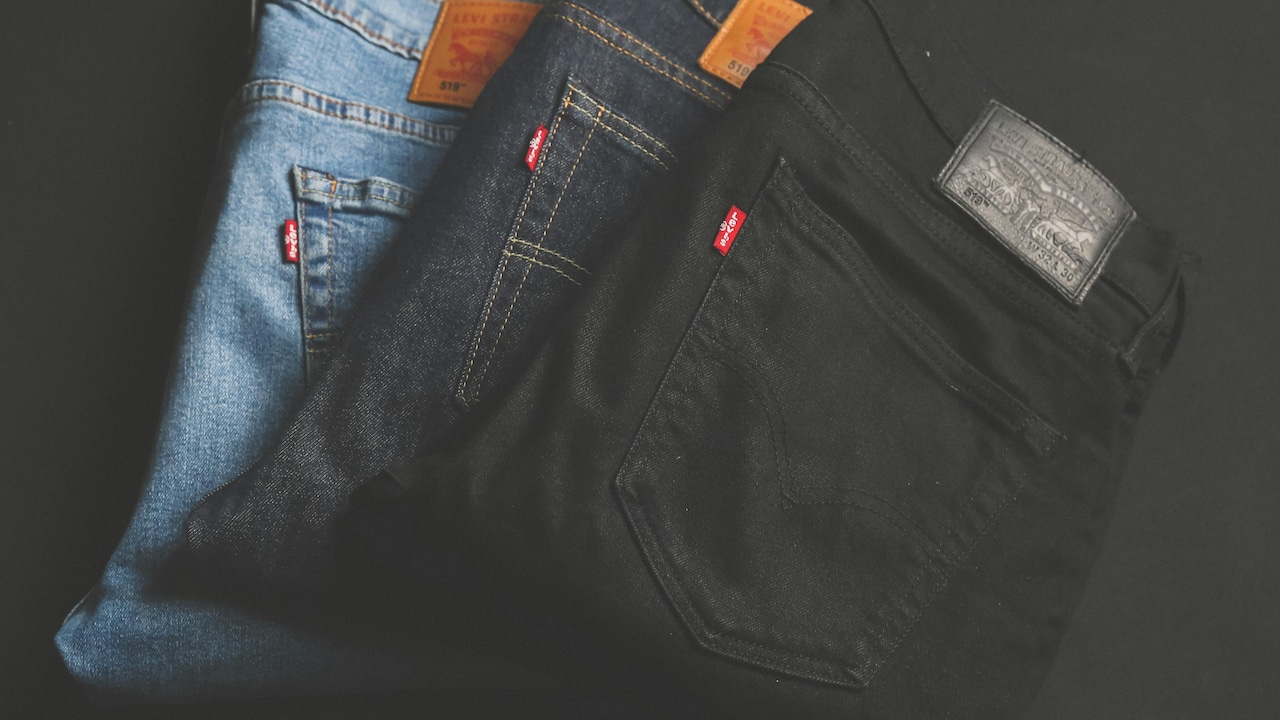
Stretch Jeans Losing Shape? 10 Simple Tricks to Prevent Sagging and Baggy Knees.
Stretch jeans are the modern wardrobe's peace treaty. They promise comfort and style in one neat package, and they usually deliver, at least for a while. They sit right, move well, and don't punish anyone for having lunch. They're the jeans that survive long office hours, bike rides, sudden rain, and the occasional “Let's go shopping” plan that lasts six hours.
Then one day, they don't. The knees develop those soft, droopy pouches. The thighs loosen. The waistband starts slipping down like it's trying to escape. By evening, the fit looks tired, like the jeans have attended three weddings back-to-back.
This is not a personal failure. It's how stretch fabric behaves when it's pushed, pulled, heated, washed, and worn repeatedly. The trick is understanding what causes the sag, then making small changes that actually work in real life. No complicated rituals. No dramatic rules. Just smart habits that keep stretch jeans in shape and stop them from turning into denim pyjamas.
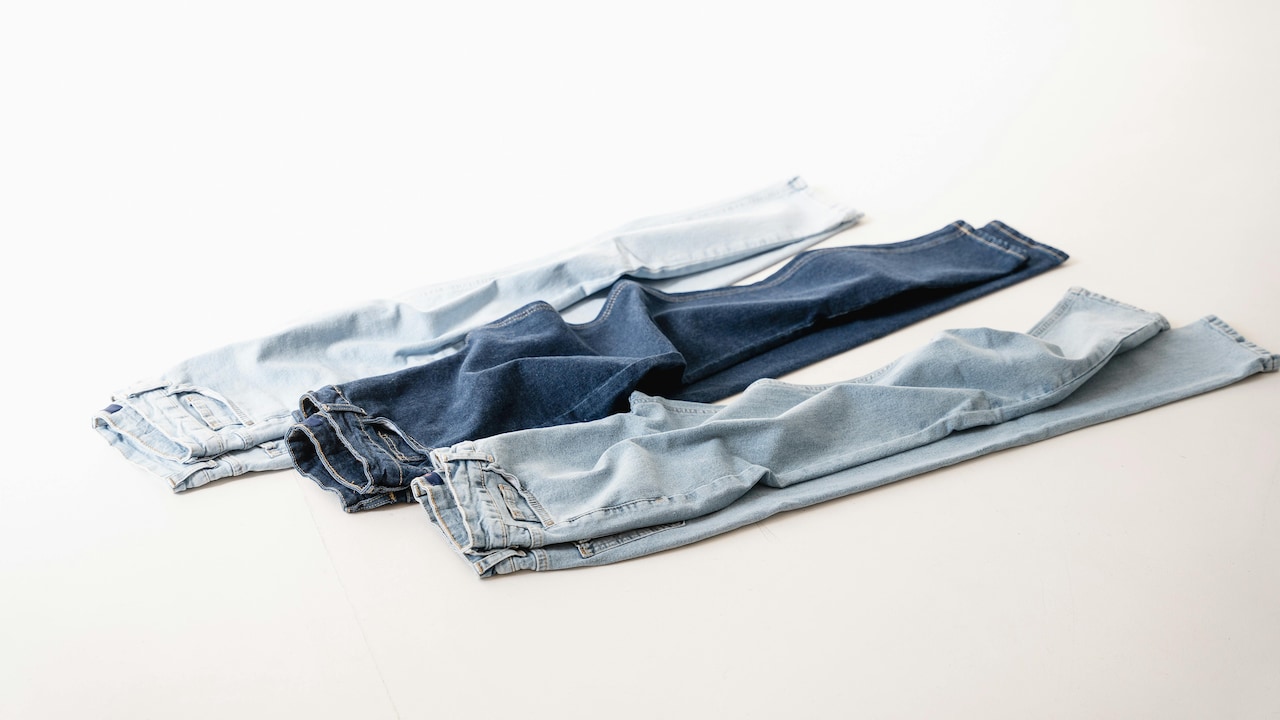
Why Stretch Jeans Start Sagging And The Smart Tricks That Help You Avoid It
Photo Credit: Pexels
Before You Blame the Brand, Read This
1) Stretch Fabric Isn't Magic, It's a Tug-of-War
Stretch jeans feel amazing because they contain elastane (also called spandex or Lycra). That tiny percentage, sometimes just 1% to 3%, acts like a rubber band inside the fabric. It allows the denim to expand and then snap back. But that “snap back” isn't unlimited. Every time the fabric stretches, it experiences stress. Over time, the elastane fibres get tired, just like a hair tie that has been used too many times.
Now add real life. Sitting cross-legged at home, climbing stairs, bending to pick up parcels, squatting at a roadside stall to check sandals, stretching denim handles, all of it. But those movements repeatedly pull the fabric at the knees and seat. That's why sagging often appears there first.
The smartest fix begins at purchase. Stretch jeans should fit snugly in the trial room, not “comfortably loose.” They will relax with wear. If they already feel relaxed at the start, they'll soon feel like they belong to someone else.
2) The Elastane Percentage Can Make or Break the Fit
Not all stretch jeans are built the same. Two jeans may look identical, but one can hold shape for months while the other starts sagging in a week. The difference often sits in the elastane percentage and the quality of the yarn blend.
A small amount of elastane helps the denim keep its structure. Too much elastane can make the fabric overly soft and “bouncy,” which sounds nice but often leads to faster bagging. It's like a mattress that feels luxurious at first but sags in the middle after a few weeks. On the other hand, jeans with almost no elastane feel rigid and take longer to loosen, but they can feel uncomfortable for long days.
For everyday wear, a sweet spot usually lies around 1% to 2% elastane. These jeans stretch enough for comfort but still behave like denim, not leggings pretending to be denim.
A practical tip: if the fabric feels thin and overly smooth, it often means the denim has been engineered for softness, not long-term structure. Softness is lovely, but shape retention is the real hero.
3) Cheap Stretch Denim Often Sags Faster (And It's Not Snobbery)
Sagging is sometimes a quality issue, not a care issue. Lower-cost stretch jeans often use lower-grade elastane fibres or weaker yarn construction. The denim may look good on the rack, but the internal structure can be fragile. After a few wears, the fabric stops bouncing back.
This is why two pairs that cost ₹1,299 and ₹2,499 can behave very differently even if they look similar. It isn't always about branding. It's about fabric quality, stitching, and how the denim has been woven. Some budget jeans are excellent, but many cut costs in the stretch component because elastane isn't cheap.
There's also the issue of “fake stretch,” where jeans feel stretchy in the shop but are designed to relax quickly for immediate comfort. That makes them feel great for the first week, and then suddenly the knees look like they've been through a cricket match.
A smart strategy: buy fewer pairs, but buy better ones. A well-made stretch jean costs more upfront, but it stays presentable longer.
4) Heat Is the Silent Killer of Stretch Jeans
If stretch jeans could speak, they would beg for one thing: less heat. Elastane hates high temperatures. Hot water, harsh sun, tumble drying, and ironing directly on the fabric all damage the stretch fibres. And once elastane breaks down, it doesn't recover. No amount of prayers, fabric softener, or “stretching it back” will bring it back.
Many households wash jeans in warm water because it feels cleaner. It does clean, but it also weakens the stretch. The same goes for drying jeans in direct sunlight during peak afternoon hours. That bright sun is fantastic for bedsheets, but stretch denim takes it personally.
Even sitting too close to a heater in winter can cause subtle damage if it's frequent. Heat makes elastane lose elasticity, which is the fancy way of saying it stops snapping back.
The best move is simple: wash in cold water and dry in shade. It sounds boring, but it saves the fit. The jeans will thank you by not turning into saggy trousers.
5) Overwashing Causes Sagging Faster Than Most People Realise
There's a common habit: wear jeans once, wash immediately. It feels hygienic and tidy. But stretch jeans don't need that level of attention. In fact, overwashing speeds up sagging.
Every wash cycle creates friction. The denim fibres rub against each other, and the elastane gets pulled and stressed. Add detergent, water movement, and spinning, and the fabric experiences a full workout. If jeans are washed after every single wear, the stretch breaks down much sooner.
Stretch jeans also absorb water and become heavier. That weight pulls on the fabric, especially if they're hung in a way that stretches them. That's when the waistband and thighs start loosening.
Unless the jeans are visibly dirty or smell unpleasant, they can easily handle multiple wears. Many people get five to eight wears out of stretch jeans before washing, especially in air-conditioned offices or during cooler months.
A practical compromise: spot clean stains and air the jeans after wearing. It keeps them fresh without punishing the fabric.
6) The Wrong Detergent Can Turn Stretch Denim Lazy
Detergent isn't just about cleanliness. It affects fabric structure. Harsh detergents strip fibres, weaken elastane, and leave jeans feeling tired. Strong powders designed for heavy cotton loads can be too aggressive for stretch denim, especially if used in large amounts.
Fabric softener is another sneaky villain. It coats the fibres and makes the fabric feel smooth, but it can reduce the denim's ability to bounce back. Over time, softeners can make stretch jeans feel floppy, like the fabric has lost its backbone.
The best approach is a gentle detergent, less quantity, and no softener. It doesn't need to be fancy. It just needs to be mild. If the water is hard, using a little less detergent helps prevent residue buildup, which also affects how jeans sit on the body.
Also, avoid soaking stretch jeans for long periods. A quick wash is enough. Long soaks are like leaving elastane in a stressful situation and expecting it to come out fresh.
7) How You Dry Jeans Matters More Than You Think
Many jeans start sagging because of drying habits. When stretch jeans are wet, they become heavy. If they're hung by the waistband with clips, gravity pulls the fabric down. That gentle tug may not look dramatic, but repeated often, it changes the shape.
The knees and thighs can also get stretched if jeans are hung folded over a thick rope. That fold creates tension at odd points, which leads to weird bagging later. Then the jeans dry into that shape, like they have memorised the wrong posture.
A better way is to dry jeans flat on a towel or hang them from the lower part, such as the hems, so the weight distributes differently. Shade drying is key, but airflow matters too. A damp, poorly ventilated drying area can leave jeans stiff and odd, which encourages people to tug and stretch them while wearing.
If jeans must be hung normally, give them a gentle shake before drying and smooth them out with your hands. It helps them dry in their intended shape rather than in a crumpled, stretched state.
8) The Fit You Choose Decides Where Sagging Shows Up
Different fits sag in different ways. Skinny stretch jeans often sag at the knees and calves because that's where the fabric is under constant tension. Slim-fit jeans tend to loosen around the thighs and seat. High-rise jeans can start slipping at the waist if the waistband elastics weaken.
Then there's the classic situation: the jeans fit beautifully when standing, but after two hours of sitting, they feel looser. That's because sitting stretches the seat and knees repeatedly. Some fits handle that better than others.
If sagging is a regular frustration, switching fits can solve it without changing anything else. A slim-straight stretch jean often holds shape better than an ultra-skinny one. It gives the body room to move without forcing the fabric to do all the work.
Also, avoid buying jeans that are too long and bunch at the ankle. That extra fabric shifts and pulls, affecting how the jeans sit at the knees. Small details like length and rise quietly influence how the fabric behaves over time.
9) Storage Habits Can Ruin Shape (Yes, Even in the Cupboard)
It sounds dramatic, but how jeans are stored can contribute to sagging. Stretch jeans left crumpled in a heap stay in that stretched, twisted shape. Over time, the fabric “sets” slightly, especially in humid weather. Then they feel odd when worn, and people tug at them to fix the fit, which stretches them more.
Hanging jeans by the waistband for months can also pull the fabric down, particularly if the jeans are heavy. Some wardrobes are packed tightly, which forces jeans into awkward folds. That can create permanent creases in strange places, which makes the fit look sloppy even when the jeans technically still fit.
The simplest fix is to fold jeans neatly and stack them without crushing them. If hanging is preferred, fold them over a hanger bar rather than clipping them by the waistband. It reduces stress.
Also, keep jeans away from the damp corners of cupboards. Moisture affects fibres and encourages that limp, tired feel. A dry, airy storage space helps denim keep its structure.
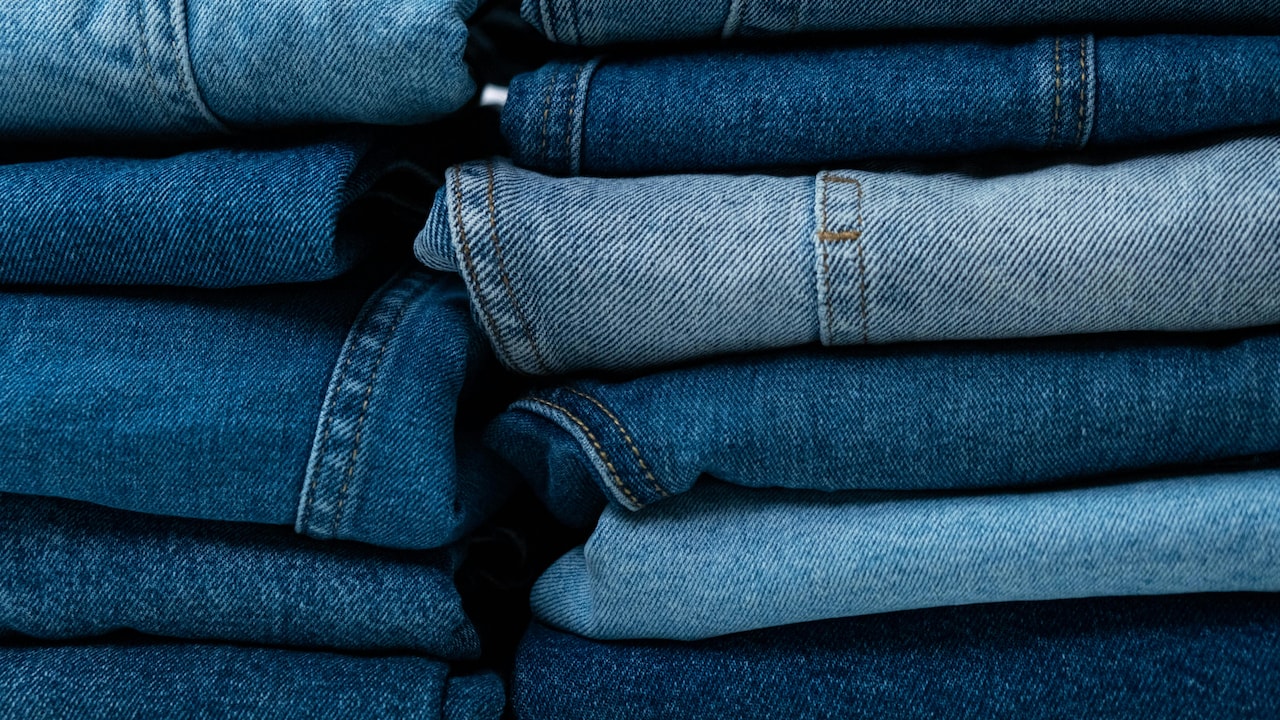
Why Stretch Jeans Start Sagging And The Smart Tricks That Help You Avoid It
10) Smart Fixes When Sagging Starts (Without Giving Up on the Jeans)
Once stretch jeans start sagging, the goal is damage control. Some sagging is reversible, but only if elastane isn't fully broken. Washing in cold water and air drying can help the fibres tighten slightly. It won't restore brand-new stiffness, but it can improve the fit.
If jeans have become too loose, avoid trying to “shrink” them with heat. That might tighten them briefly, but it often destroys the elastane further. The jeans may tighten today and sag even worse tomorrow. It's like fixing a loose button with glue, satisfying for five minutes, tragic later.
Tailoring is a real solution. Many people forget this. Taking in the waist or seat can extend a pair's life by months. A basic alteration often costs far less than buying a new pair, and it brings back that confident fit.
Another trick is rotating jeans. Wearing the same pair daily doesn't give the fabric time to recover. A rest day between wears helps elastane bounce back. Jeans need recovery as people do.
Products Related To This Article
1. Moudlin Regular Men Dark Grey Jeans
2. 4wrd Dressberry Boot Leg Women Blue Jeans
3. Estella Regular Women Blue Jeans
4. Angelfab Straight Fit Women Blue Jeans
5. Guti Flared Women Blue Jeans
Stretch jeans are not unreliable. They're just misunderstood. They feel easy because they're doing a lot of hidden work, stretching, holding, snapping back, and surviving daily movement. When they start sagging, it's rarely sudden bad luck. It's usually heat, overwashing, harsh detergent, low-quality stretch, or a fit that asks too much from the fabric.
The smartest way to avoid sagging isn't a complicated routine. It's small, practical changes: buy a snug fit, choose better fabric, wash less, keep water cold, avoid heat, dry in shade, and rotate pairs. These habits don't demand perfection. They just require consistency.
And if sagging still happens? No shame. Jeans live a hard life. With a little care and the occasional tailor visit, stretch denim can stay sharp, flattering, and ready for everything from office days to late-night pani puri runs without losing its dignity by dinner time.
(Disclaimer: This article may include references to or features of products and services made available through affiliate marketing campaigns. NDTV Convergence Limited (“NDTV”) strives to maintain editorial independence while participating in such campaigns. NDTV does not assume responsibility for the performance or claims of any featured products or services.)