10 Common Wallet Mistakes That Damage Your Debit and Credit Cards
Your cards arent failing randomly; your wallet habits are ruining them. Avoid these 10 common mistakes to prevent bends, scratches, chip damage and sudden payment failures. Always avoid these mistakes when storing debit and credit cards in your wallet.
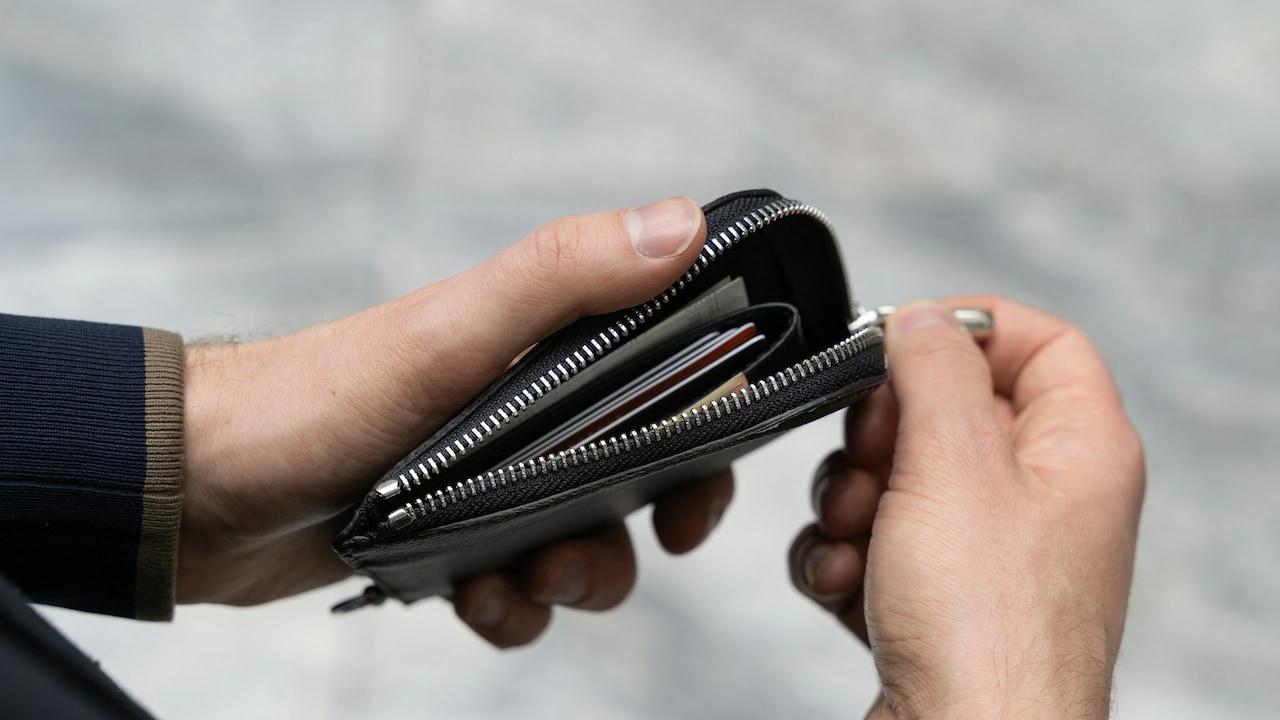
Worried About Damaging Debit and Credit Cards In Your Wallet? Avoid These 10 Mistakes.
Cards have become everyday essentials. Debit cards, credit cards, metro cards, office access cards, fuel cards, and even those loyalty cards that promise a free coffee after the tenth stamp (and somehow never get used). They all live together in one small, busy space: the wallet.
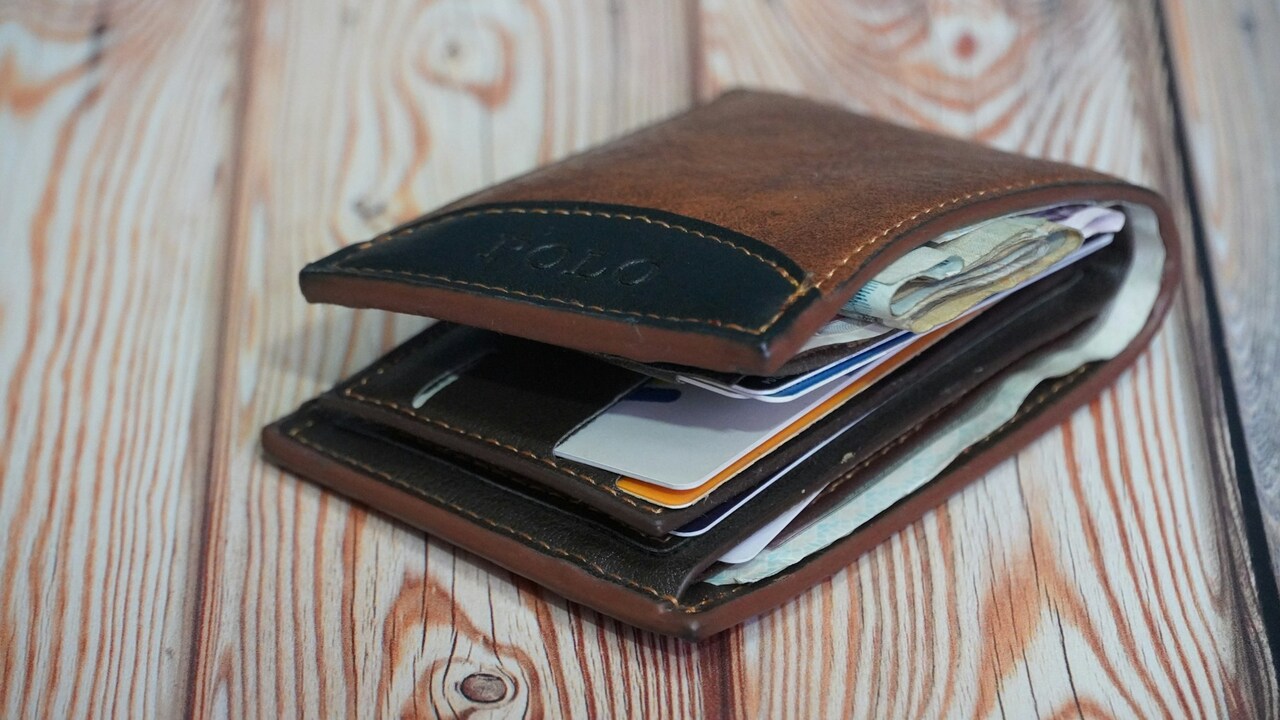
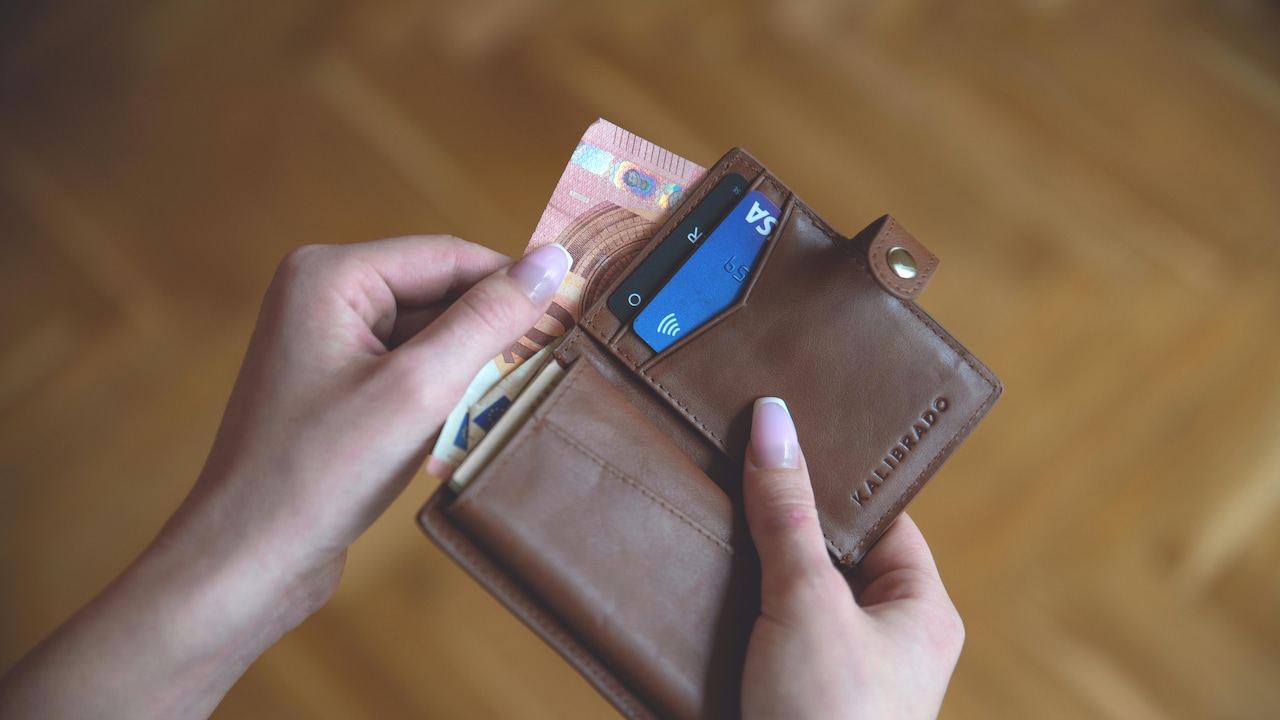
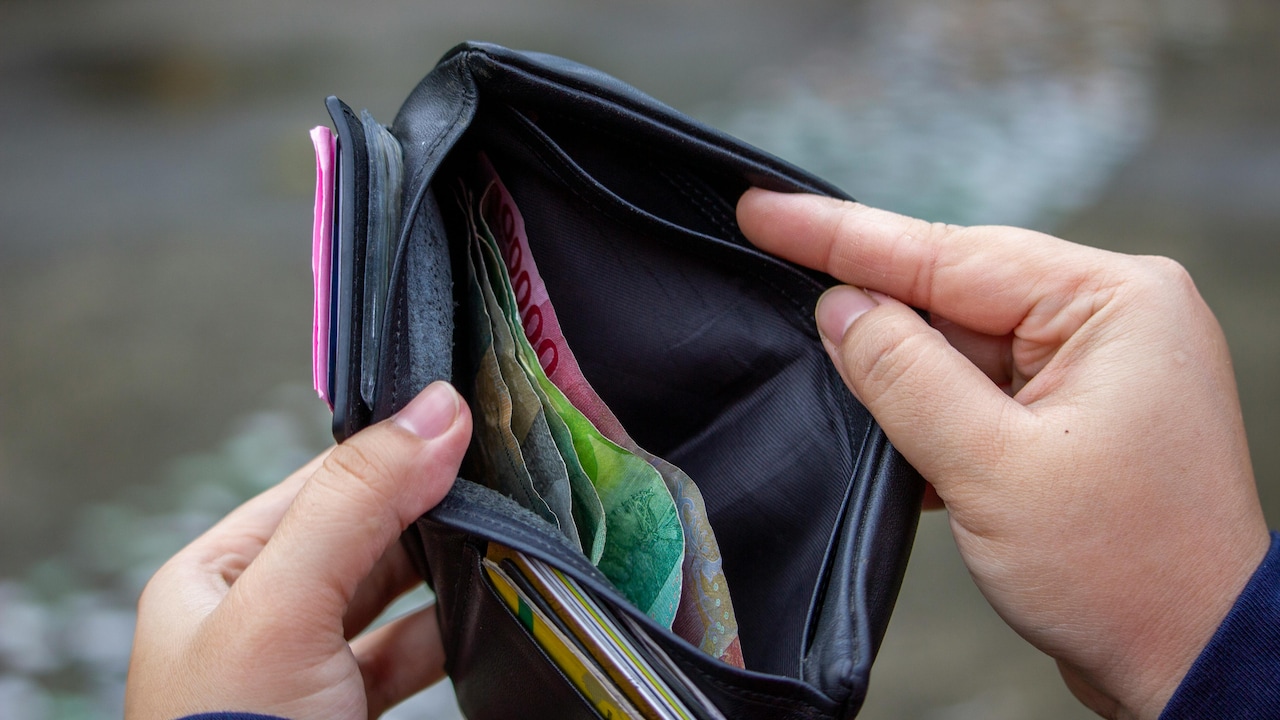
Tips to prevent your cards from getting damaged in the wallet; Photo Credit: Unsplash
And wallets, let's be honest, are not always gentle places. They get sat on, squeezed into jeans, tossed into bags, exposed to heat, and occasionally used as a makeshift coaster at a chai stall. Then one day, a card stops working, and everyone acts surprised, like it didn't spend the last six months being treated like a stress ball.
The truth is, cards are tougher than they look, but not indestructible. Most damage comes from daily habits. Fix those habits, and your cards last longer, work better, and save you from replacement fees, bank visits, and those irritating “your new card will arrive in 7–10 working days” messages.
Also Read: Top 5 Slim Wallets That Fit Small Bags Without Losing Essentials
Common Wallet Habits That Damage Cards Faster Than You Think
1) Stuffing Your Wallet Like a Storage Unit
A wallet is not a suitcase. Yet many people treat it like one, cramming in 10 cards, 3 old receipts, a couple of visiting cards from 2018, and that mysterious paper slip no one remembers. The result? Constant pressure on every card inside.
Cards are made from layered plastic. They can handle normal use, but they don't love being squeezed. When a wallet becomes too thick, cards start bending slightly, especially near the edges. Over time, that bend becomes permanent. The chip area can also get stressed, and once that chip becomes unreliable, payments start failing at the worst possible moments.
A common scene: standing at the billing counter, the machine beeps, the cashier tries again, and the queue behind starts sighing like it's a group meditation session gone wrong.
The fix is simple: reduce the load. Keep only the cards used weekly. Everything else can live at home. A slim wallet isn't just stylish, it's a safety feature.
2) Sitting on Your Wallet (Yes, It's a Real Problem)
The back pocket wallet habit is legendary. It's also one of the fastest ways to destroy cards. When someone sits on a wallet, the pressure doesn't just flatten the wallet. It bends the cards inside, repeatedly, with body weight added.
This is especially common with office ID cards and metro cards. They look fine, but slowly warp. A slight curve can make them harder to read in machines. The chip or magnetic stripe may also become unreliable.
There's also a second issue: sitting on a wallet can affect posture and cause back discomfort. So, the wallet isn't only damaging your cards, it's quietly annoying your spine too.
If a back pocket feels convenient, consider shifting the wallet to the front pocket or using a cardholder. It may feel odd for a day or two. After that, it becomes normal, and your cards will thank you by continuing to work.
3) Letting Coins and Keys Scratch Up Your Cards
A card may look smooth and shiny, but it's not scratch-proof. Coins, keys, and even metal zip pulls can create tiny scratches. Over time, those scratches build up and interfere with card readers.
Magnetic stripes are particularly vulnerable. A deep scratch can affect how the stripe is read. Chips are tougher, but not immune. Scratches around the chip area can cause connection problems when inserted into terminals.
And contactless cards? They can fail too if the internal antenna gets stressed by repeated pressure and abrasion.
The worst part is that scratches creep in slowly. One day, the card looks “slightly used.” Then it starts failing randomly. It becomes the kind of problem that makes people blame the machine, the bank, the shop, and possibly the entire economy.
Keep cards in dedicated slots. Don't let them roam free in the same compartment as keys and coins. Your wallet isn't a mixed-grill platter.
4) Exposing Cards to Heat (The Silent Card Killer)
Heat damages cards more than most people realise. Leaving a wallet in a parked car, placing it near a laptop vent, or keeping it too close to a kitchen counter can warp the plastic.
In peak summer, a parked car can feel like an oven. Cards left inside may bend, soften, or develop slight waves. Even if they look okay, the internal layers can get compromised. The chip may loosen. The contactless antenna may degrade. The card becomes moody, sometimes working, sometimes refusing.
Another sneaky heat source: keeping a wallet pressed against a phone that heats up during charging. Many people do it casually, especially in a bag. Over time, the warmth adds up.
The solution is mostly awareness. Keep the wallet away from heat sources. If it must be stored in a bag, keep it in an inner pocket away from gadgets. Cards prefer cool, calm, and boring, like a librarian.
5) Storing Cards Next to Magnets (And Blaming “Bad Luck”)
Magnetic stripes still exist on many cards. And magnets can wipe them out. It's not superstition. It's physics.
Where do magnets appear in daily life? Surprisingly often. Phone cases with magnetic flaps. Handbags with magnetic buttons. Earphone cases. Some laptop sleeves. Even those fancy wallet covers with magnetic closures.
When a card's magnetic stripe sits next to a strong magnet repeatedly, it can lose data. Suddenly, the swipe fails. The chip might still work, but some machines still rely on swipe as backup.
Then comes the classic moment: “It was working yesterday!” Yes, because yesterday the magnet hadn't fully done its job.
Avoid storing cards in magnet-based phone covers or bags with strong magnetic closures. If that's unavoidable, keep cards in a separate section. Magnetic stripes are like delicate egos. Too much pressure and they stop cooperating.
Always avoid storing cards in magnet-based phone covers or bags; Photo Credit: Pexels
6) Keeping Your Wallet in the Same Pocket as Your Phone
This one is incredibly common. Wallet and phone together. Easy, convenient, and quietly harmful.
Phones aren't just slabs of glass. They emit heat, contain magnets (especially newer models with magnetic accessories), and add pressure when stuffed into tight pockets. When both sit together, cards get squeezed between hard surfaces. That can lead to bending, scratching, and even damage to the chip.
Contactless cards can also suffer. Many phones use NFC, and while it usually doesn't “damage” cards, constant proximity plus pressure can wear things out faster. Also, if a wallet has multiple contactless cards stacked together, the phone may struggle to read the right one during tap payments, leading to confusion and awkward fumbling.
A better approach: separate pockets. Phone in one, wallet in another. It's a small change that reduces wear dramatically. Plus, it lowers the risk of losing both at once, which is a nightmare nobody deserves.
7) Using Cheap, Tight Card Slots That Peel and Crack Cards
Not all wallets are equal. Some look great but have card slots tighter than a packed local train. Every time a card is pulled out, it rubs against rough edges. Over weeks, the card's surface starts peeling. Printed numbers fade. The signature strip gets damaged. The edges crack.
This isn't only cosmetic. A damaged surface can interfere with machine reading, especially for older terminals. Also, if the chip area starts peeling or the card layers separate, the chip can become unreliable.
A wallet should hold cards snugly, not aggressively. If pulling a card out feels like a workout, the wallet is the problem.
Choose wallets with smooth inner linings and properly sized slots. A good wallet protects cards. A bad wallet slowly eats them. And no, “It was on discount for ₹299” is not a strong defence.
8) Washing Cards by Accident (Yes, It Happens More Than You Think)
A wallet going into the washing machine is a classic disaster. It usually happens during rushed mornings, travel chaos, or after a long day when pockets aren't checked.
Water itself isn't always fatal to cards, but the combination of water, detergent, and heat is brutal. Chips can corrode. Magnetic stripes can degrade. Contactless antennas can get damaged. Even if a card survives, it may start failing randomly later.
And the wallet? It often comes out looking like it went through emotional trauma.
The best prevention is a habit: check pockets before tossing clothes into the laundry basket. It takes five seconds and saves hours of frustration.
If a card gets wet, dry it immediately. Don't use a hair dryer on high heat. Pat it dry, keep it in a cool place, and avoid using it until fully dry. If it starts acting weird, replace it early rather than waiting for a public embarrassment.
9) Stacking Too Many Contactless Cards Together
Tap-to-pay is brilliant. But stacking multiple contactless cards in one slot can cause issues. The cards can interfere with each other when tapped, confusing the payment terminal. Sometimes the wrong card gets detected. Sometimes none do.
People then start tapping harder, bending the wallet, pressing it against the machine like it's a stubborn remote control. That extra pressure can stress the cards, especially the contactless antenna inside.
There's also the issue of wear. When cards are tightly stacked, they rub against each other every time the wallet moves. Over time, the surfaces scratch, and the edges get rough.
The simplest fix: separate contactless cards into different slots, or carry only one or two for daily use. If you use a cardholder, choose one with individual sleeves.
Tap payments should feel smooth and effortless, not like wrestling a vending machine.
10) Ignoring Early Warning Signs Until the Card Fully Dies
Cards rarely fail suddenly. They give warnings. People just ignore them.
The chip starts working only on the second attempt. Tap works sometimes, not always. Swipe fails in one store but works in another. The card gets stuck in a machine slightly longer than usual. The magnetic stripe needs multiple swipes. These are not “normal quirks.” They are warning signs.
Many wait until the card completely fails, usually during an urgent moment. Like paying for groceries with a queue behind. Or at a petrol pump with the attendant watching. Or at a restaurant when friends are already teasing.
Replacing a card early avoids stress. Banks usually make it simple through apps. And yes, a replacement may cost ₹100–₹300 depending on the card type, but that's cheaper than repeated failed payments and time wasted.
Treat cards like tools. When a tool starts malfunctioning, fix it before it becomes a full-blown mess.
Products Related To This Article
1. Lino Perros Women Brown Solid Three Fold Wallet
2. Tommy Hilfiger Men Black Solid Genuine Leather Two Fold Wallet
3. MIRAGGIO Ellie Ivory Zip Around Wallet With Detachable Wrist Strap
4. Allen Solly Men Colourblocked Leather Two Fold Wallet
5. Fastrack Women Brown Solid Two Fold Wallet
6. TEAL BY CHUMBAK Women Floral Printed Canvas Zip Around Wallet
7. Allen Solly Men Coffee Brown Solid Two Fold Leather Wallet
8. ZOUK Women Ethnic Motifs Printed Zip Around Wallet
Cards are small, but they carry a surprising amount of daily life. They pay bills, open doors, get through metro gates, and save people from carrying bundles of cash. Yet they're often treated carelessly, bent, scratched, overheated, squeezed, and drowned like they're disposable.
Most card damage doesn't happen because of bad manufacturing. It happens because of normal habits: overstuffed wallets, tight pockets, keys rubbing against plastic, and the legendary back pocket sit-down.
The good news is that prevention is easy. A slimmer wallet, better storage, less clutter, and a bit of awareness go a long way. And honestly, it feels nice when everything works smoothly, no declined payments, no awkward counters, no last-minute bank calls.
Cards may not have feelings, but if they did, they'd probably beg for one thing: a little breathing space.
(Disclaimer: This article may include references to or features of products and services made available through affiliate marketing campaigns. NDTV Convergence Limited (“NDTV”) strives to maintain editorial independence while participating in such campaigns. NDTV does not assume responsibility for the performance or claims of any featured products or services.)