10 Fashion Myths That Waste Money While Shopping And What Actually Works
Fashion advice often encourages overspending. This article busts 7 common fashion myths that drain money and explains what actually works for smarter, long-lasting style choices.

Shopping Assumptions: Before Buying Anything New, Rethink These 7 Common Fashion Myths.
Every wardrobe tells a story. Some pieces whisper confidence and comfort. Others sit untouched, tags intact, silently judging poor decisions. Fashion myths play a huge role in those regrets. They promise instant style, higher status, or “timeless” value, yet often deliver clutter, guilt, and a lighter bank balance. Fashion does not need blind spending or constant upgrades. With rising prices and changing lifestyles, it makes sense to question old shopping beliefs. Especially the ones that encourage buying more instead of buying better.

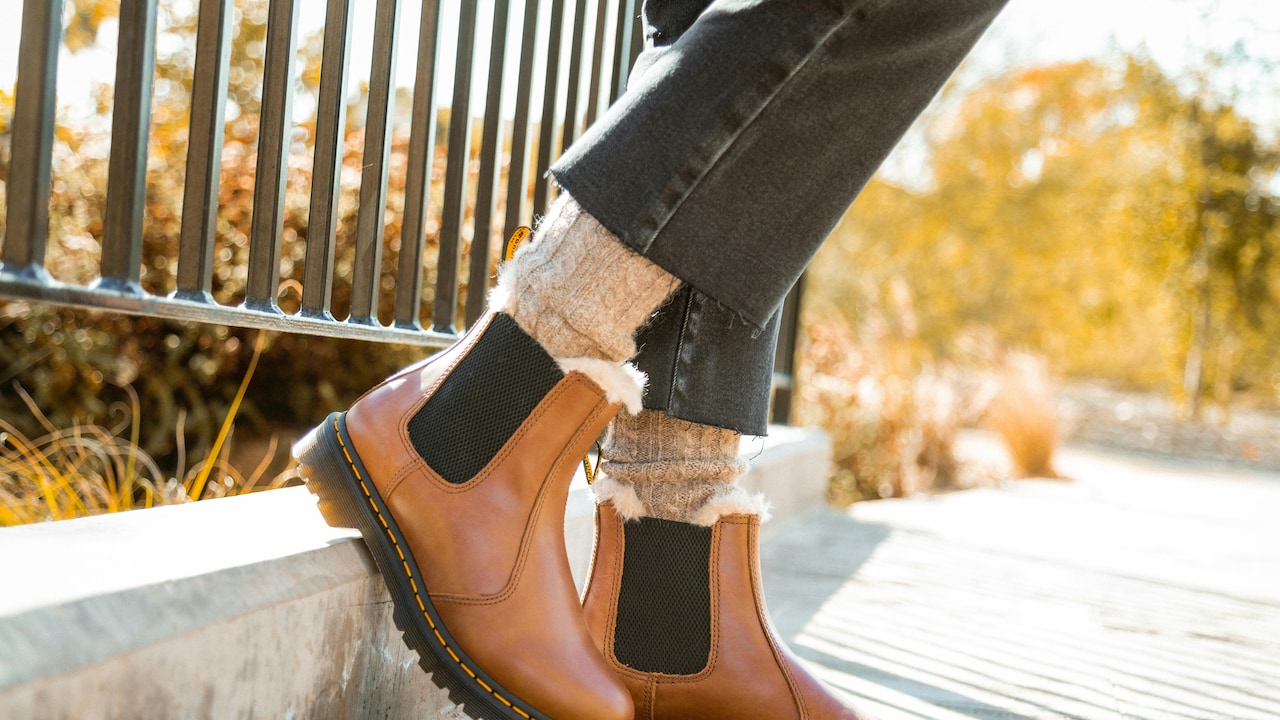
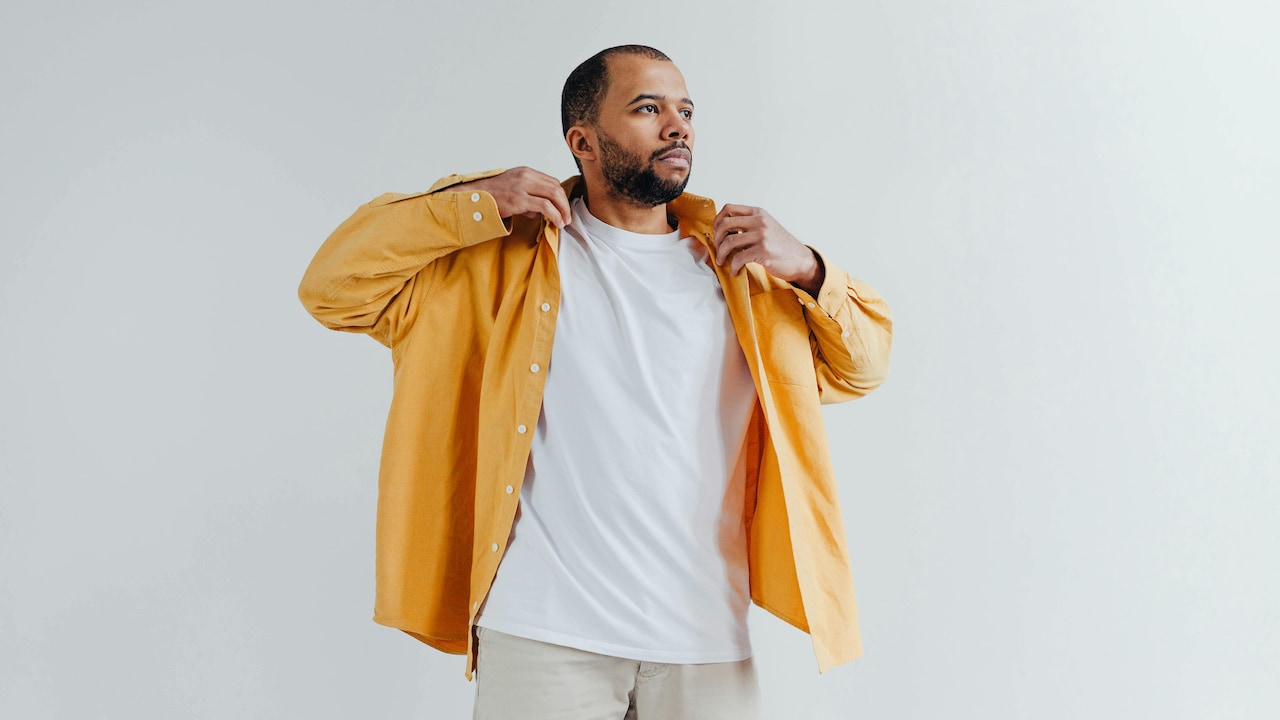
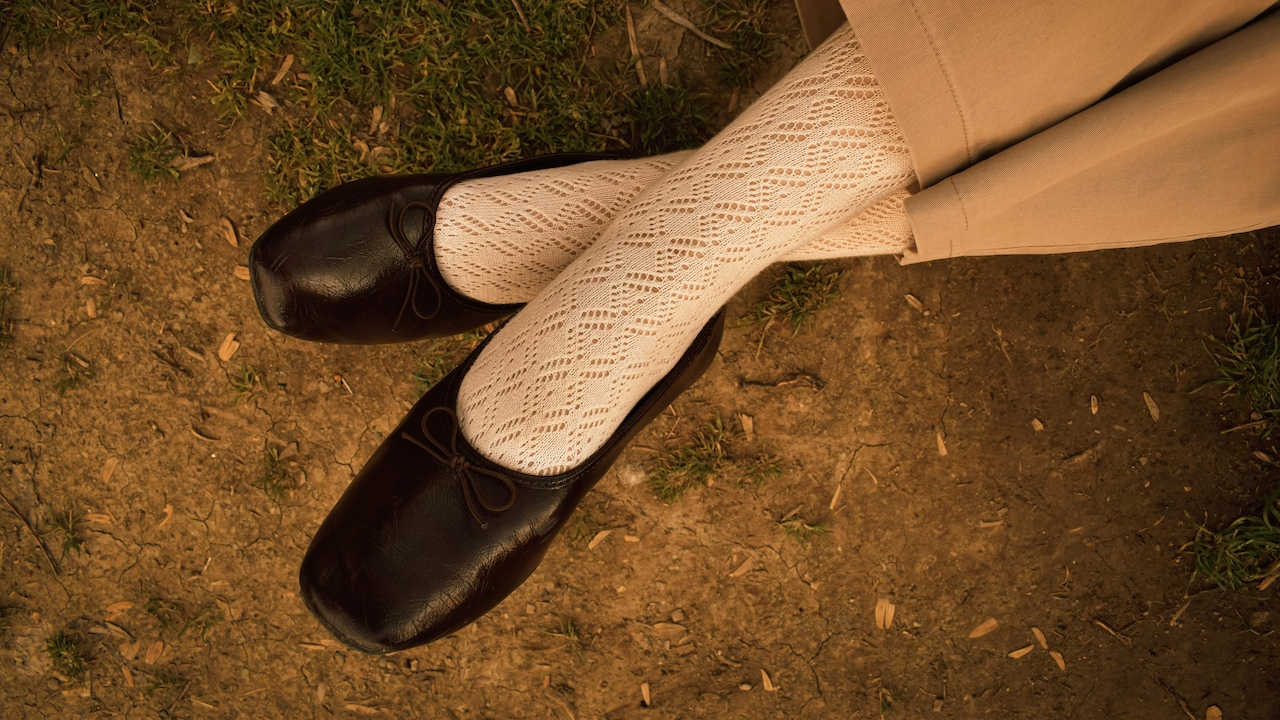
Explore common fashion myths before buying new styles this season; Photo Credit: Unsplash
This article tackles 10 widely believed fashion myths that quietly waste money. Each myth gets replaced with practical advice that fits everyday life, work routines, festivals, weddings, and weekend chai runs. No runway nonsense. No unrealistic rules. Just what actually works.
The Costly Fashion Wisdom That Deserves a Second Look
1. Expensive Clothes Automatically Mean Better Quality
Price tags often look convincing. A ₹12,000 shirt feels like it should last forever. Sadly, that is not always true. Many expensive clothes charge more for branding, marketing, and fancy stores rather than for better fabric or stitching.
Quality lives in details. Stitch density, fabric composition, lining, and seam finish matter more than logos. A ₹2,500 cotton kurta with tight stitches and breathable fabric often outperforms a ₹10,000 designer one that loses shape after three washes.
Smart shoppers check labels and touch fabrics. They tug seams gently, inspect buttons, and look inside garments. Local boutiques and small labels often offer excellent quality without inflated prices. Street markets and factory outlets hide gems, too.
What actually works: learning basic fabric knowledge. Cotton for heat, wool blends for structure, linen for airflow. Spending wisely on material rather than brand names keeps wardrobes durable and budgets calm.
2. Trendy Pieces Are Essential to Look Stylish
Every season brings a new “must-have”. Neon shades for one month. Cargo pants are the next. Buying trends feel exciting, but often lead to clothes that age faster than milk left in summer heat.
Trends fade quickly, especially those driven by social media. That ₹4,000 micro-bag or ultra-ripped jeans may feel current today and awkward next year. Many end up buried at the back of cupboards.
Style lasts longer than trends. Well-fitted basics, classic colours, and familiar silhouettes survive changing seasons. A crisp white shirt, tailored trousers, and a good pair of sandals never look outdated.
What actually works: choosing one or two trends per year, not ten. Mixing a trendy scarf or footwear with classic outfits keeps looks fresh without draining money. Trends should decorate wardrobes, not dominate them.
3. Branded Logos Elevate Any Outfit
Big logos promise instant status. Sadly, they often shout instead of speaking with confidence. Loud branding rarely improves fit, comfort, or versatility. It mostly advertises spending habits.
Many logo-heavy pieces restrict styling options. That oversized logo tee may clash with formal trousers or festive wear. It becomes a one-trick outfit rather than a flexible staple.
Minimal design ages better. Subtle details, clean cuts, and neutral tones blend into multiple looks. They suit offices, casual dinners, and travel days equally well.
What actually works: investing in fit rather than flash. Tailoring elevates even affordable clothes. A ₹800 alteration can make a ₹2,000 outfit look custom-made. Quiet confidence always beats loud labels.
4. More Clothes Mean More Outfit Options
Cupboards packed tight often hide a strange problem: nothing to wear. Too many similar pieces create confusion, not creativity. Duplicate tops, mismatched colours, and impulse buys block visibility.
A cluttered wardrobe wastes money twice. First, during purchase. Then, through neglect, when good pieces go unworn. Many forget what they own.
What actually works: a smaller, intentional wardrobe. Clothes that mix and match easily create more outfits than random collections. Neutrals paired with a few accent colours work wonders.
Regular wardrobe edits help. Removing unused items every six months keeps collections fresh. Clothes should serve daily life, not storage shelves.
5. Shopping During A Sale Always Saves Money
Sales feel irresistible. Red tags scream urgency. Yet, many sale purchases never leave the house. Buying something just because it costs less still means spending money.
End-of-season sales push unsuitable sizes, awkward colours, or impractical styles. That ₹1,200 jacket marked down from ₹4,000 may never suit the local weather or lifestyle.
What actually works: shopping sales with a list. Searching for specific items rather than browsing blindly prevents regret. Quality winter wear, footwear, and basics often make sense during discounts.
Asking one simple question helps: “Would this have been bought at full price?” If the answer feels unsure, walking away saves more than any discount.
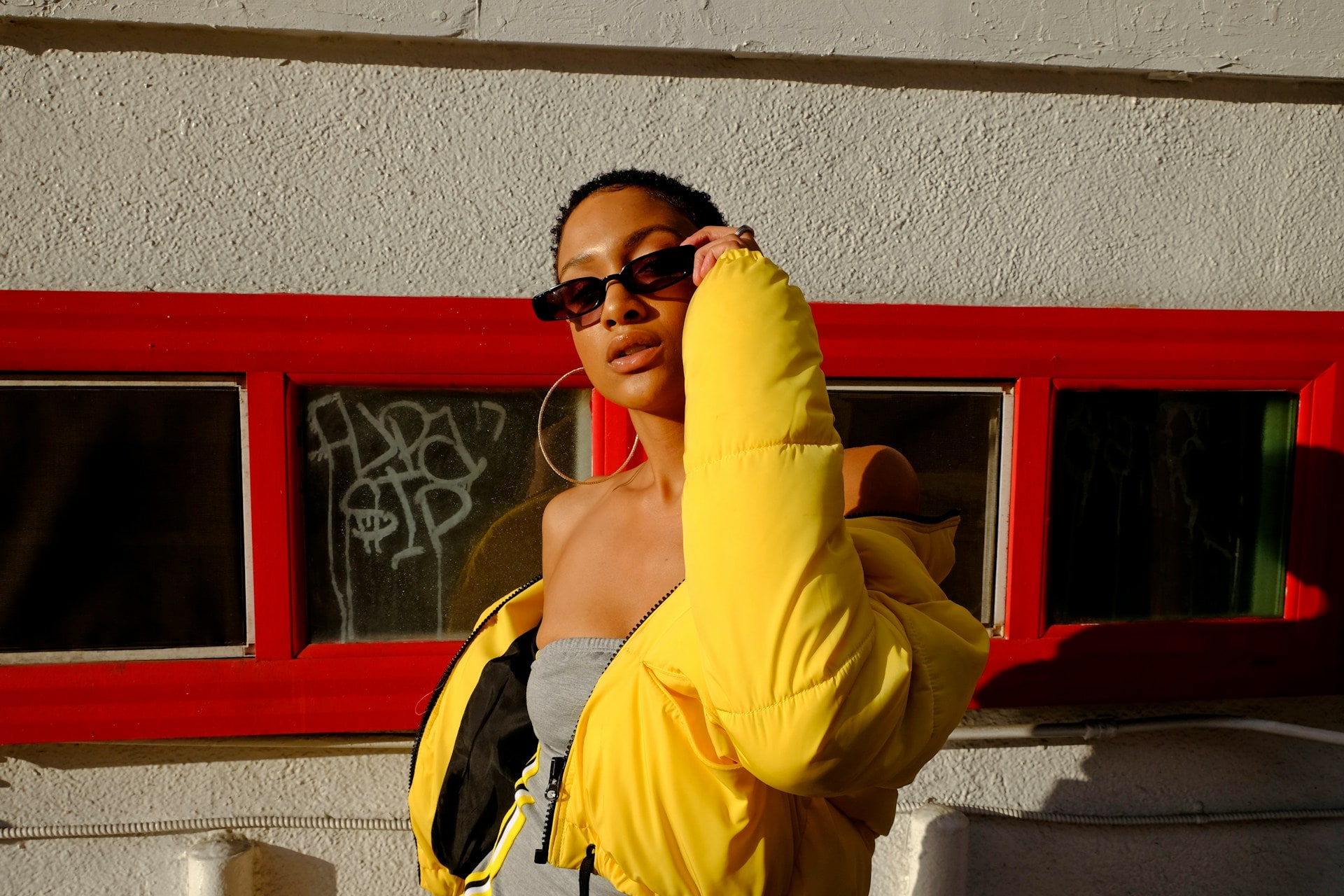
Always buy things you actually need and not what is on sale; Photo Credit: Unsplash
6. Designer Wear Is a Long-Term Investment
Designer clothing gets marketed as investment pieces. In reality, most lose resale value quickly unless they come from rare collections or luxury markets.
Fashion changes. Body shapes change. Occasions change. That ₹40,000 lehenga worn once for a cousin's wedding often gathers dust. Renting or borrowing could have saved a fortune.
What actually works: investing selectively. High-quality shoes, classic bags, and outerwear offer better longevity. Occasion-heavy outfits make more sense when rented or tailored affordably.
Personal style matters more than labels. Clothes that get worn repeatedly deliver real value. Cost-per-wear always beats price tags.
7. Dry Cleaning Is Essential for Most Clothes
Dry cleaning feels like premium care. Unfortunately, it often damages fabrics over time and costs a small fortune monthly. Many clothes labelled “dry clean only” survive gentle home washing.
Over-cleaning weakens fibres and fades colours. Frequent dry cleaning shortens garment life and empties wallets.
What actually works: learning basic garment care. Cold washes, mild detergents, and air drying preserve clothes. Steamers replace irons and reduce damage.
Dry cleaning suits, structured jackets, silk sarees, and heavy embroidery. Everything else benefits from simpler care. Clothes last longer when treated kindly.
8. Fast Fashion Is Cheaper in the Long Run
Fast fashion offers low prices and instant gratification. Sadly, it often costs more over time. Cheap fabrics pill, fade, and tear quickly. Replacing them repeatedly adds up.
A ₹999 top bought four times costs more than a ₹2,500 well-made one worn for years. Fast fashion also creates clutter and guilt.
What actually works: buying fewer, better pieces. Mid-range brands, local tailors, and homegrown labels balance affordability and durability. Repairing minor issues extends life further.
Slow fashion saves money quietly. It reduces impulse buying and builds a wardrobe that grows with time.
9. Comfort Means Compromising on Style
Many believe stylish clothes must feel uncomfortable. Tight fits, stiff fabrics, and painful footwear get tolerated in the name of fashion.
Uncomfortable clothes rarely get worn. They remain reserved for “special occasions” that never arrive.
What actually works: prioritising comfort first. Breathable fabrics, flexible fits, and supportive footwear enhance confidence. Comfort shows on the face and posture.
Style flows naturally when clothes feel good. Easy silhouettes often look more elegant than forced ones. Confidence becomes the best accessory.
10. Fashion Rules Apply to Everyone
Rules like “black suits everyone” or “horizontal stripes make you look wider” get repeated endlessly. They rarely consider body diversity, climate, or lifestyle.
Blindly following rules leads to frustration and wasted spending. Clothes that look great on mannequins may feel wrong in daily life.
What actually works: personal experimentation. Understanding proportions, colours, and comfort builds authentic style. Mirrors, not rules, give the best feedback.
Style remains personal. Fashion advice should guide, not restrict. Breaking rules often creates the most memorable looks.
Products Related To This Article
1. Forever New Women Embellished Halter Neck Sheath Maxi Dress
2. Bebe Self Designed Top With Skirts
3. Vero Moda Women Ethnic Motifs Printed Tiered Belted Fit & Flare Midi Dress
4. Honey Curvytude by Pantaloons Fit & Flare Midi Dress
5. U.S. Polo Assn. Women Round Neck Relaxed Fit T-Shirt With Trousers Co-Ords
6. Globus Bodycon Mini Dress
7. H&M Draped One-Shoulder Dress
8. Trendyol Women One Shoulder Top
Fashion myths thrive because they sound convincing. What truly works feels simpler. Knowing fabrics. Choosing fit. Buying less but better. Dressing for real life rather than imaginary occasions. A thoughtful wardrobe saves money, time, and stress. Fashion should feel enjoyable, expressive, and kind to budgets. Let go of myths while shopping. Keep what works.
(Disclaimer: This article may include references to or features of products and services made available through affiliate marketing campaigns. NDTV Convergence Limited (“NDTV”) strives to maintain editorial independence while participating in such campaigns. NDTV does not assume responsibility for the performance or claims of any featured products or services.)