10 Leather Wallet Care Tips Most Men Ignore That Keep It Looking New For Years
Most men replace their leather wallets too soon. The real problem isn't quality, it's neglect. These simple, often ignored care tips will keep your wallet looking sharp, structured, and stylish for years. Read these tips to increase the lifespan of your leather wallet.
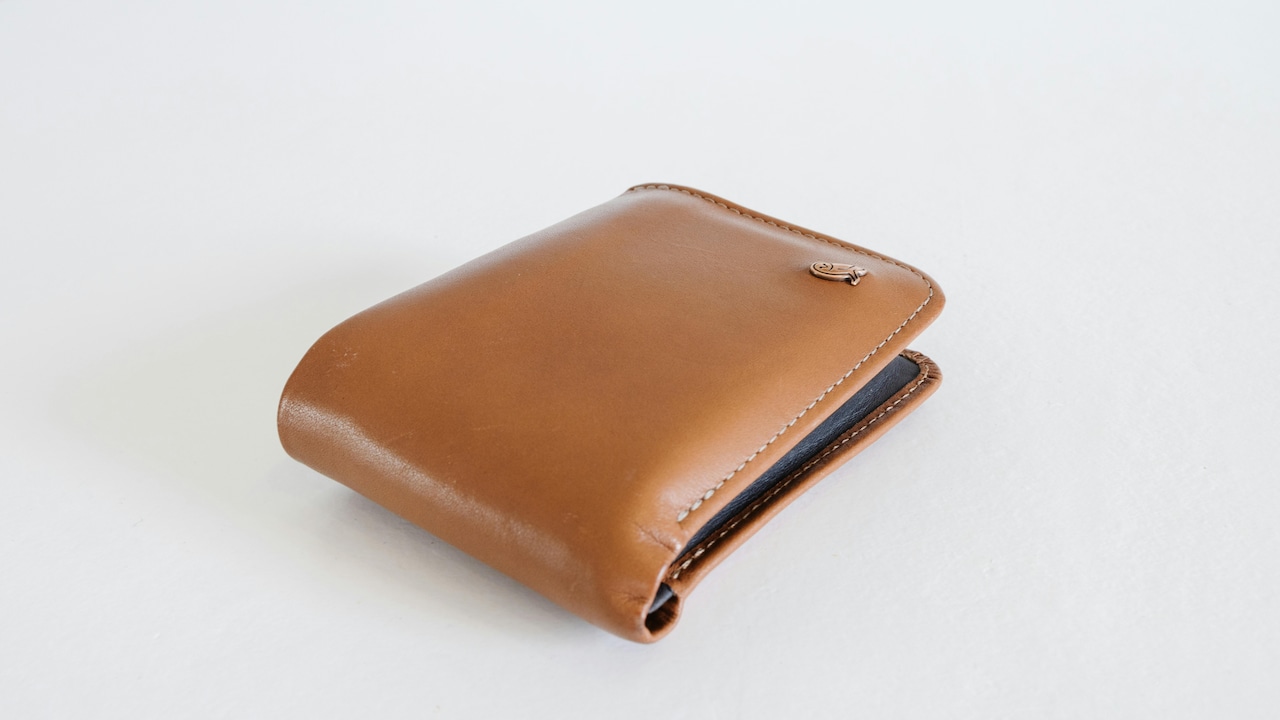
Leather Wallet Care Tips Most Men Ignore But Should Follow to Keep It Looking New.
A good leather wallet often costs anywhere between ₹1,500 and ₹6,000, sometimes more if it carries a premium label. Yet many treat the leather wallet as if it costs ₹150. It gets stuffed, bent, sweated on, and forgotten in back pockets during long bike rides or crowded train journeys. Over time, the leather cracks, fades, and loses shape.
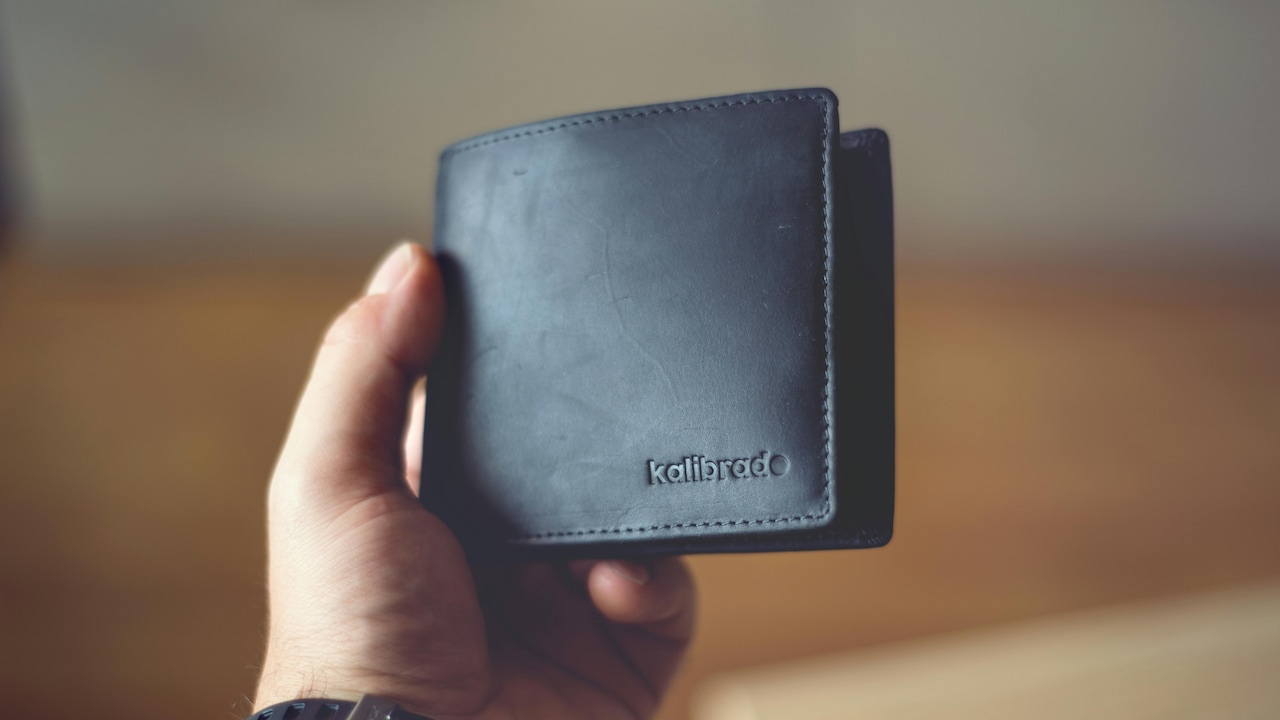
Explore helpful tips to care for your leather wallets and make them last longer; Photo Credit: Pexels
Leather, however, responds beautifully to care. It develops character when treated well. The rich patina, the soft feel, and the subtle sheen come from mindful use. The problem lies not in poor quality but in poor habits. Small, consistent actions make the difference between a wallet that looks worn out in a year and one that still looks elegant after five.
Also Read: Top 5 Men's Wallets With Smart Compartments For Better Daily Organisation
Leather Wallet Care Tips Most Men Ignore But Should Follow to Keep It Looking New
Stop Overstuffing It Like A Mini Locker
A wallet should carry essentials, not the entire archive of life. Many men treat their wallets like portable storage units. Old bills, expired debit cards, visiting cards from that networking event in 2018, and even passport-sized photos find a permanent home inside.
Overstuffing stretches leather beyond its natural capacity. Once stretched, leather rarely returns to its original shape. The clean, slim silhouette turns bulky and uneven. The stitching starts to strain, and corners begin to curl.
Keep only what matters. Two or three essential cards, ID, a small amount of cash, and perhaps one emergency contact note. Remove unnecessary items weekly. This simple habit preserves structure and prevents permanent stretching.
A slim wallet also feels more comfortable in pockets. It improves posture and avoids that awkward tilt while sitting. Less truly does more when it comes to leather longevity.
Avoid Sitting On Your Wallet For Hours
The back pocket might feel convenient, but it slowly damages leather. Sitting on a wallet for hours compresses it under body weight. Heat and pressure combine to distort its shape.
Long commutes, office chairs, car seats, and café benches add constant pressure. The leather fibres weaken, flatten, and crease deeply. Over time, cracks form along stress points.
Shift the wallet to a front pocket or carry it in a small crossbody pouch. During long drives or work hours, remove it from the pocket altogether. These small changes prevent unnecessary strain.
Apart from preserving leather, this habit also helps posture and back alignment. Doctors often point out how uneven sitting positions affect spinal balance. A wallet may seem harmless, yet daily compression causes visible and invisible damage.
Clean It Gently But Regularly
Dust, sweat, and pollution settle on leather every day. In humid climates, moisture adds another layer of stress. Without cleaning, dirt seeps into pores and dulls the finish.
A quick wipe with a soft, dry cloth once a week makes a noticeable difference. For deeper cleaning, use a slightly damp cloth and mild soap diluted in water. Avoid soaking the wallet. Excess water stiffens leather.
After cleaning, allow it to air dry naturally. Never use a hairdryer or place it under direct sunlight to speed up drying. Heat strips natural oils and causes cracks.
Regular cleaning maintains colour and texture. It also prevents unpleasant odours caused by trapped sweat. A clean wallet feels fresh and looks cared for, even after years of use.
Condition: The Leather-Like Skin
Leather behaves much like skin. Without moisture, it dries out and loses flexibility. Conditioning replenishes lost oils and keeps the material supple.
Use a quality leather conditioner every three to four months. Apply a small amount with a soft cloth and rub gently in circular motions. Allow it to absorb fully before use. Avoid excessive product. Too much conditioner makes leather sticky.
In regions with dry winters or extreme summers, conditioning becomes even more important. Climate changes affect leather significantly. Air-conditioned offices also reduce natural moisture.
A well-conditioned wallet develops a beautiful sheen over time. It resists cracking and feels soft to the touch. Spending ₹500 on a good conditioner saves the cost of replacing a ₹4,000 wallet too soon.
Keep It Away From Water And Sweat
Rain showers, accidental spills, and sweaty pockets pose serious threats to leather. Water stains often leave permanent marks if ignored.
If the wallet gets wet, pat it dry immediately with a clean cloth. Do not rub aggressively. Let it dry at room temperature. Stuffing it with tissue paper helps retain shape while drying.
Avoid placing it near heaters or under harsh sunlight. Quick drying methods shrink leather and cause stiffness.
During monsoon months, consider carrying it inside a bag rather than directly in a pocket. Sweat also damages leather over time. Gym sessions with a wallet in track pants create the perfect environment for moisture buildup.
Moisture control remains one of the simplest yet most ignored steps in wallet care.
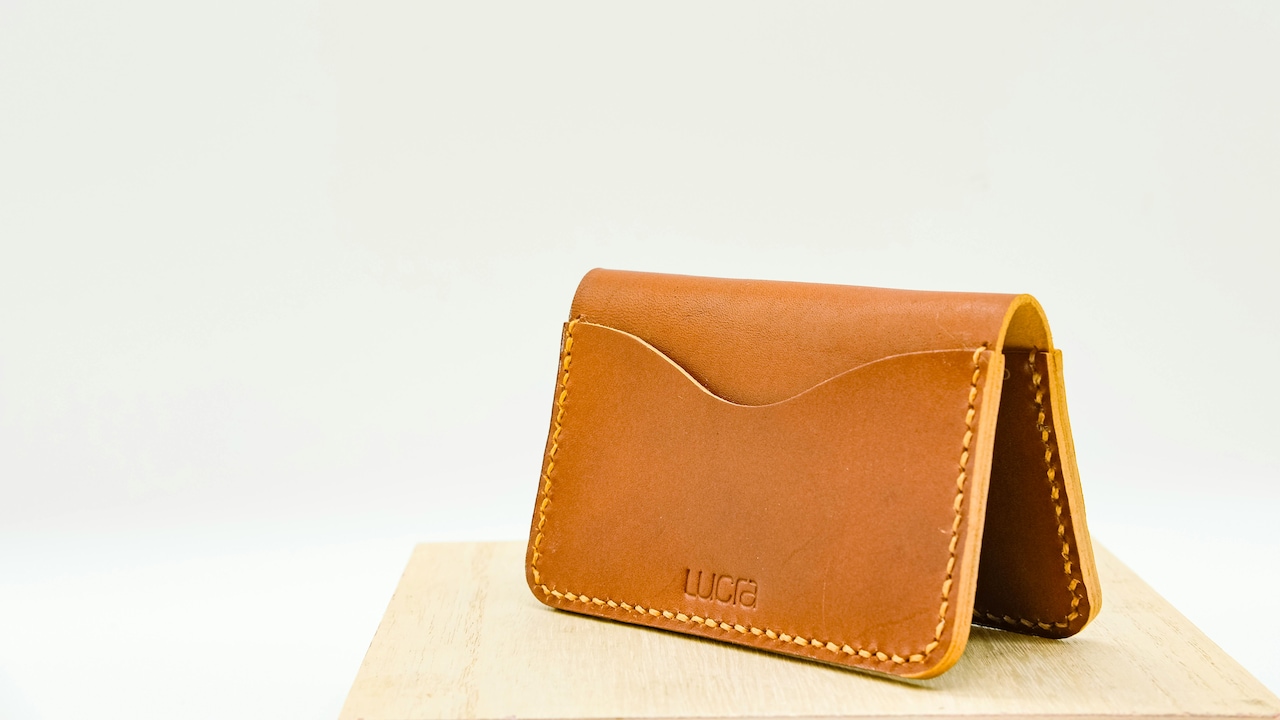
Keep your leather wallet away from water and sweat; Photo Credit: Pexels
Rotate Between Two Wallets
Using the same wallet every single day gives it no rest. Constant friction, folding, and handling accelerate wear.
Consider owning two wallets and rotating them. While one rests, the other takes daily duty. Resting allows leather to breathe and regain shape.
Rotation works especially well for professionals who switch between formal and casual outfits. A slim brown wallet for office wear and a darker, rugged one for weekends create variety while extending lifespan.
The initial investment may seem higher, perhaps ₹3,000 extra, yet it doubles longevity. Over time, this approach saves money and preserves appearance.
Leather, like good shoes, benefits from downtime. Continuous pressure shortens its life far more than most realise.
Store It Properly When Not In Use
When not in use, storage matters. Tossing a wallet into a drawer with coins, keys, and chargers invites scratches.
Store it in a breathable cotton pouch or its original box. Avoid plastic covers. Plastic traps moisture and encourages mould growth in humid conditions.
Keep it in a cool, dry place away from direct sunlight. Prolonged exposure fades colour and dries the surface.
If storing for months, empty it completely. Insert soft paper to maintain shape. This prevents creases from forming while it rests.
Proper storage preserves finish and structure. A wallet stored well looks almost new even after long breaks.
Be Mindful Of Sharp Objects And Keys
Keys and coins scratch leather easily. Many carry everything in one pocket without thinking twice. The friction creates scuff marks that dull the surface.
Designate separate pockets for keys and wallets. If carrying in a bag, use different compartments. Even minor scratches accumulate over time and affect the overall appearance.
Some men embrace scratches as character. While minor marks add charm, deep cuts ruin the finish.
Mindfulness during daily use reduces avoidable damage. Leather rewards careful handling. It does not demand luxury treatment, only awareness.
Simple separation habits maintain the smooth finish and clean look that first attracted attention.
Choose Quality From The Start
Care works best when the foundation is strong. Low-quality bonded leather peels regardless of maintenance. Genuine full-grain or top-grain leather ages better and responds well to conditioning.
When buying, check stitching, edges, and lining. Even threads should feel tight and consistent. Uneven stitching signals weak construction.
Spending ₹2,500 to ₹5,000 on a well-crafted wallet often proves wiser than buying a ₹800 option every year. Over time, the better piece costs less and looks superior.
Quality leather develops patina rather than cracks. It darkens slightly and tells a story. Cheap leather flakes and loses its dignity quickly.
Selecting quality from the beginning reduces half the maintenance struggle later.
Handle It With Clean Hands
Hands carry oil, sweat, dust, and sometimes traces of food. Handling a wallet after eating street snacks or applying hair oil transfers residue onto leather.
Over time, stains form around frequently touched areas. Dark patches appear unevenly and affect the appearance.
Washing hands before handling might sound excessive, yet small awareness goes far. Even wiping hands with a tissue helps.
During festivals or weddings, when hands carry sweets or fragrances, extra care prevents accidental stains.
Leather absorbs what touches it. Clean handling preserves uniform colour and prevents unwanted marks. This subtle habit rarely receives attention but significantly impacts long-term appearance.
Products Related To This Article
1. Hayes London Men Wallets Genuine Leather with RFID Blocking
2. AQUATAN Men Wallets
3. Steve Jhonson Men Wallets
4. CONTACTS Men Beige Leather Wallets With RFID
5. Teakwood Leathers Men Solid Brown Wallets with RFID Features
A leather wallet may seem like a simple accessory, yet it reflects personality and habits. It sits quietly in daily life, accompanying office meetings, family functions, travel adventures, and casual evenings out. Despite constant use, it rarely receives conscious care.
The truth remains simple. Leather lasts when treated with respect. Avoid overstuffing, reduce pressure, clean regularly, condition occasionally, and protect from moisture. Rotate usage, store properly, and choose quality at the start. These habits require minimal effort but deliver visible results.
A well-maintained wallet does more than hold currency. It develops character, softens gracefully, and retains elegance. Instead of replacing it every year, nurture it. The difference shows not only in appearance but also in the quiet satisfaction of owning something that ages beautifully.
Small actions today ensure that a favourite wallet continues to look refined for years, proving that care always outperforms neglect.
(Disclaimer: This article may include references to or features of products and services made available through affiliate marketing campaigns. NDTV Convergence Limited (“NDTV”) strives to maintain editorial independence while participating in such campaigns. NDTV does not assume responsibility for the performance or claims of any featured products or services.)