10 Reasons Mulmul Cotton Kurtas Feel Softer And More Comfortable Than Regular Cotton
Mulmul cotton kurtas feel softer, lighter, and more breathable than regular cotton. Discover how fine yarn, airy weaving, and traditional craftsmanship make this fabric a favourite for effortless everyday comfort.
10 Reasons Why Mulmul Cotton Kurtas Feel Softer And More Comfortable Than Cotton.
Every wardrobe carries a few pieces that never disappoint. Among them, mulmul cotton kurtas often stand out. They slip effortlessly into daily life, whether worn during humid afternoons, festive gatherings, or relaxed evenings at home. The comfort feels immediate, almost familiar, like stepping into a cool, shaded veranda after walking under the sun.
At first glance, mulmul looks like ordinary cotton. Yet the moment it touches the skin, the difference becomes clear. The fabric feels airy, soft, and soothing, while regular cotton sometimes feels heavier or slightly stiff. Many people describe mulmul as fabric that “breathes with you,” and that description comes surprisingly close to reality.
The secret lies in how mulmul cotton gets made, how its fibres behave, and how generations of textile traditions refined its texture. Comfort does not happen by accident; careful weaving, finer yarns, and thoughtful finishing create the experience people love.
Understanding why mulmul cotton kurtas feel softer than cotton reveals more than textile science. It uncovers a story of climate, craftsmanship, and everyday practicality shaped by real life and real comfort needs.
10 Reasons Why Mulmul Cotton Kurtas Feel Softer And More Comfortable Than Cotton
Photo Credit: Pexels
What Makes Mulmul Cotton Kurtas Softer And More Comfortable?
Finer Yarn Creates A Naturally Softer Texture
Mulmul cotton begins with extremely fine yarn. Unlike regular cotton fabric, which often uses thicker threads for durability, mulmul relies on delicately spun fibres. These finer yarns produce a smoother surface that feels gentle against the skin from the first wear.
Thicker cotton threads create small ridges within the fabric. Those ridges may not appear obvious, yet the skin senses them instantly. Mulmul avoids this roughness because the weave uses lightweight strands placed closely together. The result feels almost cloud-like without becoming fragile.
Touch plays a powerful role in clothing comfort. During hot weather, coarse textures can irritate skin, especially around sleeves and collars. Mulmul reduces friction and allows movement without resistance. That softness explains why many reach for a mulmul kurta after a long day instead of structured outfits.
The softness also improves with time. Washing does not stiffen the fabric; instead, it relaxes the fibres further. Each wear enhances comfort, turning the kurta into something personal rather than simply practical clothing.
Breathable Weave Allows Constant Airflow
Comfort depends heavily on airflow, particularly in warm climates where humidity often lingers throughout the day. Mulmul cotton features a loose yet balanced weave that allows air to circulate freely.
Regular cotton fabrics sometimes trap heat because dense weaving blocks ventilation. Mulmul avoids this issue. Tiny gaps between threads encourage airflow while still maintaining coverage. This design helps body heat escape quickly, keeping the wearer cool even during crowded commutes or outdoor markets.
Air circulation also reduces that sticky feeling many experience in synthetic or heavier fabrics. Sweat evaporates faster, which keeps the fabric dry and pleasant. A mulmul kurta rarely clings uncomfortably, even after hours of wear.
This breathability transforms daily routines. Running errands, cooking meals, or attending daytime celebrations feels easier when clothing supports natural cooling. Mulmul works with the body instead of against it, making comfort feel effortless rather than engineered.
Lightweight Structure Reduces Physical Fatigue
Clothing weight influences comfort more than most people realise. Heavy fabrics pull slightly on shoulders and restrict movement over time. Mulmul cotton feels almost weightless, which reduces physical strain during long days.
The fabric drapes softly without pressing down on the body. That quality proves especially helpful during busy schedules filled with movement. Whether climbing stairs, travelling across the city, or managing household tasks, lightweight clothing prevents unnecessary discomfort.
Many notice that heavier cotton kurtas feel tiring by evening. Mulmul maintains freshness because the body expends less energy carrying the garment itself. The difference may seem subtle at first, yet it becomes obvious after several hours.
Lightweight fabric also folds easily and adapts to body movement. Sitting cross-legged, walking quickly, or stretching arms never feels restricted. This flexibility contributes to the relaxed charm associated with mulmul kurtas and explains why they often become travel favourites.
Superior Moisture Absorption Keeps Skin Dry
Heat and humidity demand fabrics that handle moisture well. Mulmul cotton absorbs sweat quickly while allowing it to evaporate just as fast. This balance keeps skin dry and comfortable.
Standard cotton absorbs moisture effectively but sometimes holds onto dampness longer. That lingering wetness causes heaviness and irritation. Mulmul's fine fibres distribute moisture evenly across the surface, speeding up evaporation.
Dry skin means fewer rashes and less discomfort, particularly during long outdoor days. Many people notice reduced stickiness around elbows, necklines, and waist areas when wearing mulmul. Comfort becomes consistent rather than temporary.
This quality also explains why mulmul kurtas feel refreshing even after repeated wear during warm seasons. The fabric manages perspiration quietly, without demanding attention. Instead of adjusting clothing constantly, wearers focus on conversations, work, or celebrations without distraction.
Gentle Fabric Prevents Skin Irritation
Sensitive skin reacts quickly to rough textiles. Mulmul cotton offers relief because its smooth fibres minimise friction. The fabric glides over the skin rather than rubbing against it.
Regular cotton sometimes feels slightly abrasive, especially when new. Mulmul skips that uncomfortable breaking-in period. From the first wear, it feels soft enough for extended use. Children, elderly family members, and those with delicate skin often prefer mulmul for this reason.
Comfort extends beyond physical sensation. Clothing that does not irritate allows confidence to grow naturally. Adjusting sleeves or scratching collars disappear from daily habits. That freedom creates a relaxed state of mind.
Many dermatologists recommend breathable, natural fabrics for maintaining skin health. Mulmul fits this advice perfectly. Its softness reduces redness and overheating, making it suitable for long summer afternoons or restful evenings at home.
Traditional Weaving Techniques Enhance Comfort
Mulmul cotton carries centuries of textile knowledge shaped through careful craftsmanship. Skilled artisans developed weaving methods that prioritised softness and breathability rather than stiffness.
Hand-guided weaving techniques control thread tension precisely. Balanced tension prevents harsh textures and creates uniform softness across the fabric. Even modern production continues to follow these principles, preserving comfort as the main goal.
Craftsmanship influences emotional connection as well. Wearing mulmul often feels nostalgic, reminding many of childhood summers, family gatherings, or simple cotton garments drying under the sun. These associations deepen the sense of comfort beyond physical touch.
Unlike mass-produced fabrics designed solely for durability, mulmul reflects thoughtful design. Every thread contributes to ease of wear. The result feels intentional, proving that comfort often emerges from tradition refined through experience.
Natural Fibres Adapt To Body Temperature
Mulmul cotton responds quickly to changing temperatures. Natural fibres expand slightly in heat and relax in cooler conditions, helping regulate body warmth.
Synthetic fabrics trap heat because they lack this adaptability. Even heavier cotton struggles to adjust quickly. Mulmul's lightweight fibres react almost instantly, creating a balanced microclimate around the body.
During hot afternoons, the fabric allows excess heat to escape. In cooler evenings, it provides gentle insulation without feeling heavy. This adaptability explains why mulmul kurtas work across seasons, not just during peak summer.
Temperature regulation also improves sleepwear comfort. Many choose mulmul nightwear because the fabric maintains a steady feeling throughout the night. No sudden chills, no overheating, only consistent softness that supports restful sleep.
Repeated Washing Makes Mulmul Even Softer
Most fabrics lose charm after frequent washing. Mulmul behaves differently. Each wash softens the fibres further, enhancing comfort instead of reducing it.
Water relaxes tightly spun yarns, allowing them to settle into a smoother structure. Detergents remove residual stiffness from manufacturing, revealing the fabric's true softness. Over time, the kurta moulds gently to the wearer's habits.
This evolving texture creates emotional attachment. A well-worn mulmul kurta often becomes irreplaceable, even when newer clothes sit nearby. The fabric remembers movement patterns and adapts accordingly.
Maintenance also remains simple. Gentle washing and air drying keep mulmul fresh without complicated care routines. Comfort grows naturally, rewarding consistent use rather than careful preservation.
Elegant Drape Enhances Freedom Of Movement
Mulmul cotton drapes gracefully without clinging or stiffening. This fluid movement allows clothing to follow the body naturally. Walking feels effortless, and the fabric sways softly instead of restricting motion.
Structured cotton garments sometimes hold shape too firmly. While structure suits formal wear, daily comfort benefits from flexibility. Mulmul balances elegance with ease, making it suitable for both casual outings and festive moments.
The drape also improves airflow around the body. Loose folds encourage ventilation, adding to the cooling effect. Even simple kurta designs appear refined because the fabric falls smoothly along natural lines.
Movement shapes daily comfort more than appearance alone. A kurta that flows easily supports confidence and relaxation, allowing attention to shift from clothing to experiences.
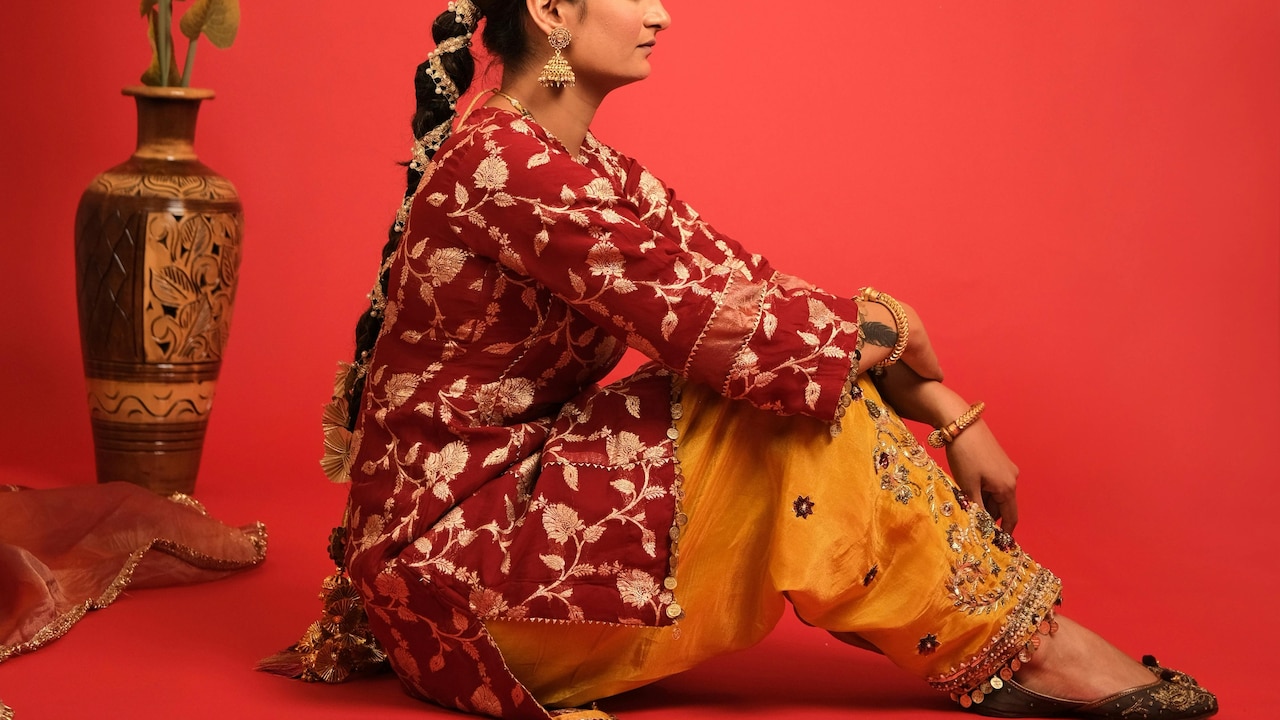
10 Reasons Why Mulmul Cotton Kurtas Feel Softer And More Comfortable Than Cotton
Photo Credit: Pexels
Emotional Comfort And Cultural Familiarity
Comfort extends beyond texture and temperature. Mulmul cotton carries emotional warmth tied to shared memories and everyday living. Many associate the fabric with simplicity, care, and home-like ease.
Clothing often reflects mood. Mulmul kurtas create a sense of calm because they feel unpretentious and honest. They suit morning chai on balconies, relaxed conversations, or spontaneous gatherings with friends.
The softness encourages slower moments in a fast-paced world. Wearing mulmul feels like choosing comfort without sacrificing style. That emotional reassurance explains why wardrobes continue to welcome new mulmul pieces year after year.
Fashion trends change rapidly, yet mulmul remains relevant because it prioritises how clothing feels rather than how loudly it speaks. Its charm lies in quiet reliability.
Products Related To This Article
1. SCAKHI Geometric Embroidered Mirror Work Cotton Mulmul Kurti With Palazzos & Dupatta
2. Mulmul Women Red Ethnic Motifs Pure Cotton Kurta Palazzos & With Dupatta
3. Poshak Chikan Studio Women Chikankari Mulmul Kurta
4. Mulmul Women Grey Pure Cotton Kurta with Palazzos & With Dupatta
5. PARAMOUNT CHIKAN Floral Embroidered Chikankari Mulmul Straight Kurta
Mulmul cotton kurtas feel softer and more comfortable than regular cotton for many interconnected reasons. Fine yarns create smooth texture, breathable weaving allows airflow, and lightweight construction reduces fatigue. Moisture management keeps skin dry, while gentle fibres prevent irritation. Traditional craftsmanship, temperature adaptability, and improved softness with washing further enhance everyday wear.
Beyond technical qualities, mulmul delivers emotional comfort. It connects practicality with familiarity, offering relief during warm days and calm during busy routines. Comfort becomes both physical and psychological, turning a simple garment into a trusted companion.
In a world filled with fast fashion and synthetic blends, mulmul cotton stands as proof that true luxury often feels light, breathable, and quietly dependable. A mulmul kurta does not demand attention; it earns affection through comfort that lasts season after season.
(Disclaimer: This article may include references to or features of products and services made available through affiliate marketing campaigns. NDTV Convergence Limited (“NDTV”) strives to maintain editorial independence while participating in such campaigns. NDTV does not assume responsibility for the performance or claims of any featured products or services.)