Why Synthetic Blends Feel Softer And More Comfortable Than 100% Cotton
Synthetic blends often feel softer and more comfortable than pure cotton. From better stretch to improved moisture control, these fabrics are designed to suit everyday wear in warm, humid conditions.

10 Reasons Synthetic Blends Are Softer, Lighter, And More Comfortable Than Pure Cotton.
Step into any clothing store today and run a hand across a rack of T-shirts. Chances are, the softest one will not be pure cotton. That might sound surprising, especially when cotton has long held the crown as the gold standard of comfort. Yet, synthetic blends have steadily earned a loyal following, not through loud claims but through everyday experience.
Comfort, after all, does not come from labels. It comes from how a fabric feels at 2 pm in peak summer, or during a crowded local train ride, or while lounging at home after a long day. Modern blends, those clever combinations of cotton with fibres like polyester, elastane, or modal, have been engineered to improve what cotton does well and fix what it does not.
The result feels familiar yet noticeably better. Softer against the skin. Lighter in movement. Less clingy when humidity rises. More forgiving after multiple washes.
This shift is not about replacing cotton but enhancing it. The science behind these blends may sound technical, yet the outcome feels simple: clothes that behave the way people wish they would.

Why Synthetic Blends Feel Softer And More Comfortable Than 100% Cotton
Photo Credit: Pexels
Breaking Down The Comfort Advantage Of Synthetic Blends
The Science Of Fibre Structure
At the heart of fabric comfort lies something rarely considered during a quick shopping decision: fibre structure. Cotton fibres, while natural and breathable, have a somewhat rigid structure. They can feel soft, but their softness depends heavily on processing and quality.
Synthetic fibres, on the other hand, are engineered. Manufacturers can control their thickness, smoothness, and flexibility at a microscopic level. When blended with cotton, these fibres fill in the gaps, literally and figuratively. They smooth out rough edges, reduce stiffness, and create a more uniform texture.
Think of it like mixing coarse flour with fine flour to get a smoother dough. The blend becomes easier to work with and more pleasant to handle. Similarly, synthetic fibres help cotton fabrics feel silkier without losing their familiar touch.
This careful balance explains why a ₹700 blended T-shirt can often feel softer than a ₹1,200 pure cotton one. It is not just about cost; it is about design. Modern textiles no longer rely solely on nature. They improve upon it.
Moisture Management Matters
Humidity has a way of testing every fabric's patience. Pure cotton absorbs sweat well, but it holds onto moisture. That damp feeling that lingers on a hot afternoon often comes from cotton refusing to let go.
Synthetic fibres change the game here. They are designed to wick moisture away from the skin and spread it across the fabric's surface, where it evaporates faster. When blended with cotton, they create a fabric that still absorbs but does not cling.
The difference becomes obvious during a long commute or a walk through a bustling market. Clothes feel lighter, less sticky, and more breathable, even when the temperature refuses to cooperate.
This moisture-wicking quality explains why sportswear relies heavily on blends. Yet, it is not limited to gyms anymore. Everyday wear now benefits from the same technology, making comfort a constant companion rather than a luxury.
Stretch And Flexibility Enhance Comfort
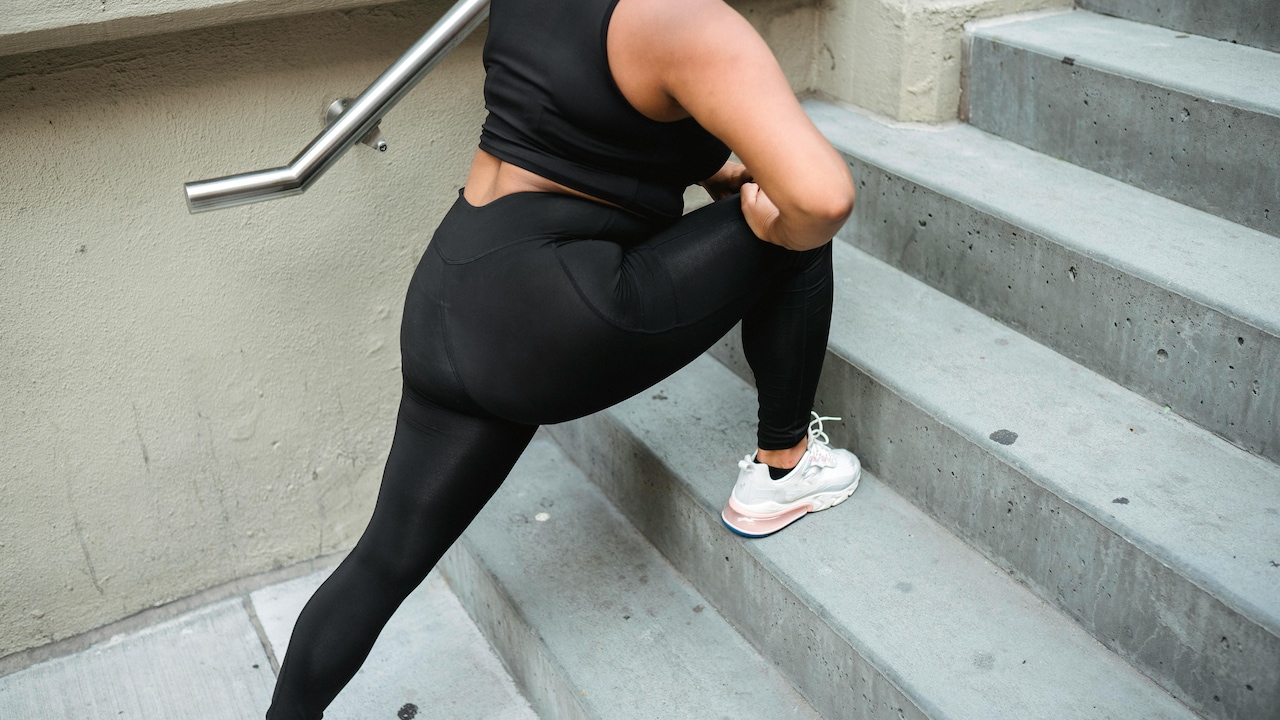
Pure cotton has a limitation that becomes apparent the moment movement increases: it does not stretch much. Sit, bend, or reach, and the fabric either tightens or loses shape over time.
Blends often include fibres like elastane, which introduce flexibility. This stretch allows clothes to move with the body instead of resisting it. The result feels less restrictive and more natural.
Consider a long day filled with errands, work, and travel. A fabric that adapts to movement reduces discomfort without drawing attention to itself. It simply works in the background.
This flexibility also helps garments maintain their shape. A blended shirt or pair of trousers does not sag as easily, even after multiple wears. Comfort, in this sense, extends beyond feel; it includes how the fabric behaves throughout the day.
Durability Plays A Hidden Role
Softness is often associated with delicacy, but synthetic blends challenge that idea. While cotton can wear out, fade, or lose structure over time, blends tend to last longer.
This durability comes from synthetic fibres reinforcing the fabric. They reduce pilling, resist tearing, and maintain colour better after repeated washes. The softness stays consistent instead of fading with each laundry cycle.
There is also a practical advantage here. Clothes that last longer offer better value. Spending ₹1,000 on a garment that holds up for years feels far more satisfying than replacing a ₹700 one every few months.
Durability might not be the first thing noticed when touching a fabric, but it becomes clear over time. And comfort that lasts often feels more meaningful than comfort that fades.
Lightweight Feel Makes A Difference
Weight plays a subtle yet powerful role in how fabric feels. Cotton, depending on its weave, can feel heavier, especially when it absorbs moisture.
Blends reduce this weight without sacrificing coverage. Synthetic fibres are naturally lighter, and when combined with cotton, they create fabrics that feel almost weightless.
This lightness becomes especially noticeable during long hours of wear. Clothes do not feel like a burden. Instead, they feel like a second skin, present but unobtrusive.
Even a slight reduction in weight can change how comfortable a garment feels. It affects posture, movement, and overall ease. Over time, this lightness contributes to a more relaxed experience, whether at work or at home.
Smooth Texture Against The Skin
Texture matters more than most realise. Cotton can sometimes feel slightly rough, especially in lower-quality fabrics. Blends smooth out this texture by introducing fibres with naturally silky surfaces.
This smoother finish reduces friction against the skin. It feels gentler, especially during extended wear. For those with sensitive skin, this difference can be particularly noticeable.
The sensation is subtle yet impactful. Clothes glide instead of rubbing. They sit comfortably without causing irritation.
This improvement in texture explains why many premium-feeling garments rely on blends. The goal is not just softness but consistency. A fabric that feels smooth from morning to evening creates a sense of effortless comfort.
Resistance To Wrinkles Adds Ease
Wrinkles may not seem directly related to comfort, yet they influence how clothing feels throughout the day. Pure cotton wrinkles easily, and those creases can create uneven surfaces against the skin.
Synthetic blends resist wrinkling. They maintain a smoother appearance and feel, even after hours of wear. This consistency adds to overall comfort.
There is also a psychological aspect. Clothes that look neat often feel better to wear. There is less fuss, less need for constant adjustment, and more confidence in appearance.
In a fast-paced routine, where ironing every outfit feels unrealistic, wrinkle-resistant fabrics offer both convenience and comfort. They simplify daily choices without compromising on feel.
Temperature Regulation Improves Wearability
Temperature control is where blends truly shine. Cotton breathes well but can struggle when conditions shift between hot and slightly cooler environments.
Synthetic fibres help regulate temperature by improving airflow and moisture management. The fabric adapts more effectively, keeping the body cooler when needed and comfortable when temperatures drop slightly.
This adaptability proves useful during unpredictable weather or long indoor-outdoor transitions. A single garment feels suitable across different settings.
Comfort, in this case, comes from stability. The fabric does not overreact to changes. It maintains a balanced feel, which reduces the need for constant adjustments or layering.
Easy Maintenance Reduces Stress
Comfort extends beyond wearing clothes. It includes how easy they are to care for. Cotton often requires careful washing and ironing to maintain its feel and appearance.
Blends simplify this process. They dry faster, resist shrinking, and hold their shape better after washing. This ease of maintenance reduces effort and saves time.
There is a certain relief in knowing that a favourite shirt will come out of the wash ready to wear. No extra steps, no surprises.
In busy routines, this reliability adds to overall satisfaction. Clothes become less of a chore and more of a dependable part of daily life.

Why Synthetic Blends Feel Softer And More Comfortable Than 100% Cotton
Photo Credit: Pexels
Modern Innovation Meets Everyday Needs
Synthetic blends represent a shift in how fabrics are designed. They combine traditional comfort with modern innovation, creating materials that align with current lifestyles.
Advancements in textile technology have made these blends more refined. They no longer feel artificial or overly synthetic. Instead, they strike a balance that feels natural yet improved.
This evolution reflects changing expectations. Comfort is no longer about compromise. It is about optimisation.
Whether lounging at home, navigating crowded streets, or attending a casual gathering, blended fabrics adapt seamlessly. They meet the demands of everyday life without drawing attention to themselves.
Products Related To This Article
1. DL Woman Crepe Shirt Style Top
2. her by invictus Striped Crepe Top
3. DressBerry Women Self Design V-Neck Top
4. KERI PERRY Paisley Printed Puff Sleeves Cuban Collar Georgette High-Low Top
5. Clobug Floral Printed Shirt Style Top
6. Roadster The Lifestyle Co Embroidered Round Neck A-Line Party Fusion Top
7. Roadster The Lifestyle Co Printed Shirt Collar Tops
The appeal of synthetic blends lies not in replacing cotton but in enhancing it. They take a familiar fabric and refine its qualities, addressing limitations that once felt unavoidable.
Softness, flexibility, durability, and ease come together in a way that feels almost intuitive. Clothes behave better, last longer, and require less effort. The result is comfort that feels consistent rather than occasional.
Pure cotton still holds its place, especially for those who value its natural origins. Yet, blends offer something different, a version of comfort shaped by both nature and innovation.
In the end, the choice comes down to experience. And increasingly, that experience favours fabrics that do more than just feel good for a moment. They continue to feel right, hour after hour, day after day.
(Disclaimer: This article may include references to or features of products and services made available through affiliate marketing campaigns. NDTV Convergence Limited (“NDTV”) strives to maintain editorial independence while participating in such campaigns. NDTV does not assume responsibility for the performance or claims of any featured products or services.)