10 Reasons Why Your Jewellery Is Turning Dull And Simple Ways To Make It Shine Again
Jewellery dulls faster than expected because of humidity, sweat and everyday habits. This guide explains why it happens and shares simple, practical ways to restore shine and keep pieces looking new for years. Find out 10 reasons behind your favourite jewellery losing its colour.

Your Jewellery Is Dulling Faster Than It Should: This Is How To Fix That.
Jewellery carries stories. A wedding ring worn through every season. Bangles were bought after a promotion. Statement earrings gifted during a festival. When these pieces begin to dull, it feels personal, almost unfair. After all, precious metals and gemstones should last forever, right? In reality, jewellery faces constant exposure to sweat, humidity, dust, pollution and chemicals. With a few mindful habits, better storage and simple cleaning techniques, jewellery can regain its glow and keep it longer. Here are the 10 reasons why your jewellery is turning dull and how to revive its shine.

Explore 10 common reasons that can make your jewellery turn dull easily; Photo Credit: Pexels
The Hidden Enemies Of Jewellery Shine Lurking In Daily Life
1. Humidity: The Silent Shine Thief
Humidity does not knock on the door before entering. It slips into cupboards, drawers and jewellery boxes without warning. Warm weather mixed with moisture creates the perfect environment for tarnish, especially for silver and gold alloys.
During monsoon months, jewellery absorbs moisture from the air. Sweat adds another layer of trouble, especially when necklaces rest on the skin for hours. Earrings and rings suffer quietly, too. Over time, surfaces lose their brightness and develop a dull film.
The fix begins with awareness. Airtight storage helps more than decorative boxes. Silica gel packets, often tossed aside, work wonders when placed near jewellery. Even storing pieces in zip-lock pouches can slow down tarnish dramatically.
Avoid leaving jewellery out overnight, especially near windows or bathrooms. That dressing table may look elegant, but it exposes pieces to constant humidity. A simple shift in storage can add years of sparkle, without spending a single rupee.
2. Everyday Chemicals Are Not Jewellery-Friendly
Perfume feels harmless. So does moisturiser, sunscreen and hairspray. Yet these everyday essentials contain chemicals that react badly with metals and gemstones. A quick spritz before stepping out often lands directly on necklaces and earrings.
Gold jewellery may resist corrosion, but alloys mixed into it react over time. Silver tarnishes even faster. Pearls and soft stones absorb chemicals like sponges, leading to permanent dullness.
The solution follows a simple rule: jewellery comes last. Apply skincare, makeup and fragrance first. Allow products to settle for a few minutes before reaching for accessories. This small pause saves hours of cleaning later.
Remove jewellery before swimming, cleaning or cooking. Chlorine, detergents and even steam speed up damage. Jewellery thrives when treated like a finishing touch, not an all-day companion through every task.
3. Storage Mistakes That Cost You Shine
Many jewellery boxes look beautiful but fail at protection. Piling necklaces together leads to tangles and scratches. Rings knocking against each other lose polish faster than expected. Soft stones suffer the most.
Each piece needs space. Soft cloth pouches prevent friction. Separate compartments keep metals from reacting with each other. Silver and gold stored together can speed up tarnishing.
Avoid storing jewellery in cardboard boxes or plastic containers not meant for storage. These materials trap moisture and chemicals. A lined box or fabric pouch works far better.
Even daily-wear jewellery deserves respect. Tossing earrings into handbags or leaving rings on shelves invites damage. A small tray or pouch near the bedside keeps things organised and protected. Good storage feels boring, but dull jewellery feels worse.
4. Sweat and Skin Oils Play a Bigger Role Than Expected
Jewellery sits close to the skin, especially in warm weather. Sweat contains salt and acids that slowly eat away at metal surfaces. Skin oils create a sticky layer that traps dust and pollution.
Necklaces, bangles and rings suffer the most. Over time, shine fades and texture changes. Many mistake this for ageing, but regular cleaning can reverse much of it.
Wipe jewellery gently with a soft cloth after each wear. This habit takes seconds and removes sweat and oils before they settle. Avoid tissues or rough fabrics, which scratch surfaces.
During workouts or long outdoor days, remove jewellery where possible. The gym does not need gold chains or gemstone rings. Giving jewellery a break during high-sweat moments preserves both comfort and shine.
5. Cleaning Too Little, or Too Much, Damages Jewellery
Neglect dulls jewellery, but over-cleaning causes damage too. Scrubbing with toothpaste or harsh cleaners may seem effective, yet these methods scratch surfaces and loosen settings.
Each material needs a different approach. Gold responds well to warm water, mild soap and gentle brushing. Silver benefits from specialised polishing cloths. Pearls need nothing more than a damp cloth and patience.
Avoid ultrasonic cleaners unless recommended by a professional. These devices loosen stones and damage delicate pieces. Home remedies found online often cause more harm than good.
Regular, gentle cleaning works best. Once every few weeks, keep jewellery bright without stress. Treat cleaning like skincare, consistent, careful and never aggressive.
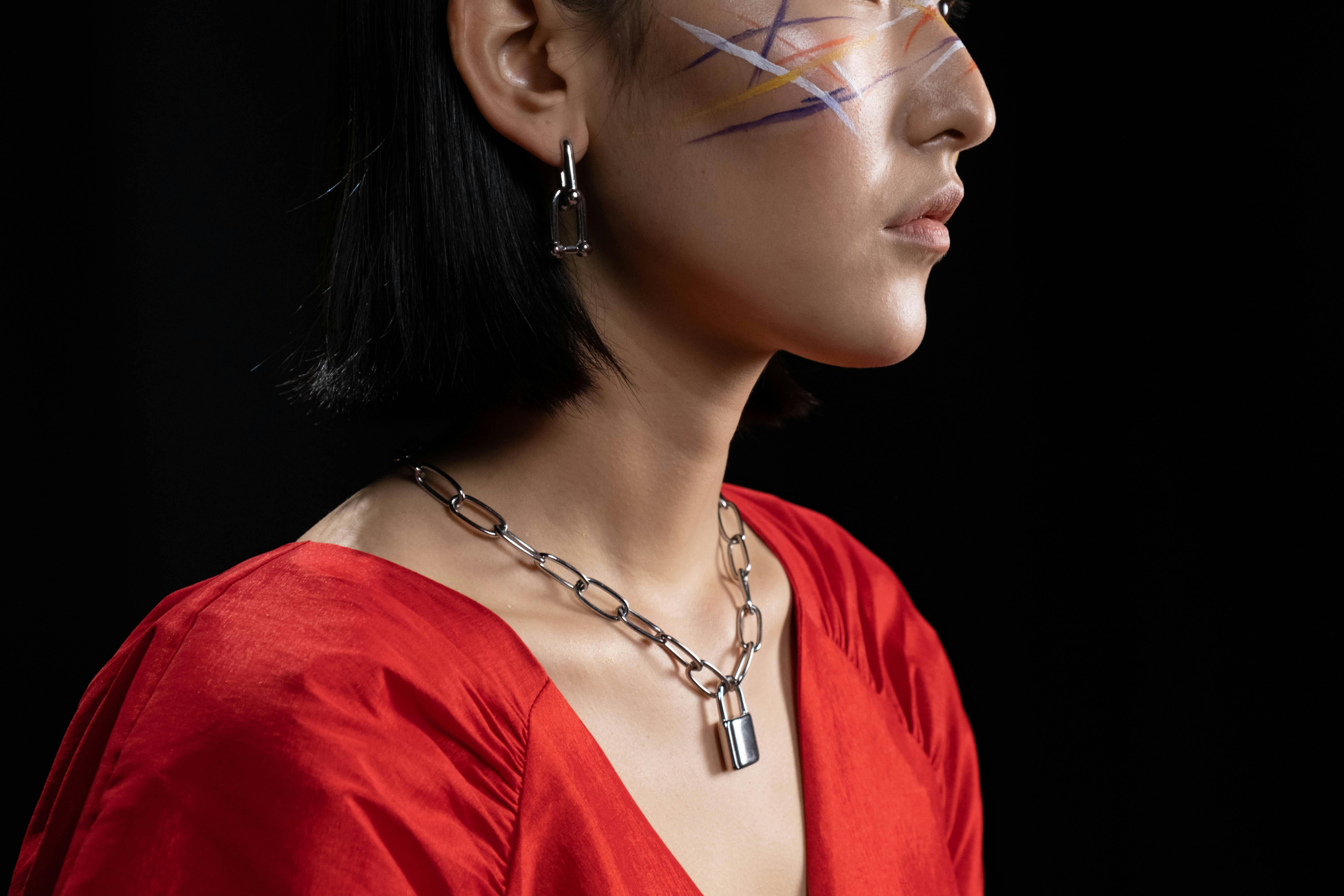
Cleaning too little or too much can make the jewellery lose its original colour; Photo Credit: Pexels
6. Wearing Jewellery All the Time Is Not a Flex
Sleeping in jewellery feels convenient, but it shortens its life. Chains twist. Rings knock against surfaces. Earrings bend under pressure. Over time, settings loosen, and metal weakens.
Jewellery needs rest. Removing pieces before bed prevents accidental damage and keeps shapes intact. The same applies during travel. Long journeys expose jewellery to friction and loss.
Reserve fine jewellery for specific occasions. Daily-wear pieces still need breaks. Even gold benefits from downtime.
Think of jewellery as a guest, not a permanent resident. Invite it out, enjoy the moment, then tuck it away safely. That balance keeps both style and shine intact.
7. Pollution and Dust Settle Faster Than Expected
Urban air carries dust, smoke and pollutants that settle on jewellery surfaces. Over time, this layer dulls the shine and alters the colour. Jewellery worn outdoors frequently shows this effect sooner.
Regular wiping helps, but deeper cleaning becomes necessary. Leaving jewellery exposed on shelves or tables allows dust to settle continuously.
Cover jewellery when not in use. Even a soft cloth draped over a tray reduces exposure. Avoid placing jewellery near windows or kitchens.
Pollution may feel unavoidable, but protection reduces its impact. Jewellery deserves a cleaner environment, even when the outside world feels chaotic.
8. Not All Metals Behave the Same Way
Understanding materials changes how jewellery ages. Pure gold resists tarnish, but most jewellery contains alloys for strength. These alloys react with air and moisture.
Silver tarnishes faster but cleans easily. White gold needs periodic rhodium plating to maintain brightness. Platinum dulls but does not lose metal, developing a soft patina instead.
Gemstones vary, too. Diamonds handle daily wear well. Emeralds and opals demand gentle care. Pearls need special attention due to their organic nature.
Knowing what sits in the jewellery box helps set realistic expectations. Shine fades differently for each piece. Treating everything the same leads to disappointment.
9. Seasonal Care Makes a Noticeable Difference
Jewellery care changes with the seasons. Summer brings sweat and humidity. Monsoon adds moisture and mould risks. Winter introduces dryness and static.
Rotate jewellery based on the weather. Heavier pieces suit cooler months. Lightweight designs feel better in the heat. Store off-season jewellery with extra protection.
Clean jewellery before storing it for long periods. Trapped dirt causes long-term damage. Check pieces every few months, even if not worn.
Seasonal care feels like extra effort, but it saves money and heartbreak later. Jewellery that survives weather changes keeps its beauty longer.
10. Professional Check-Ups Are Not Just for Repairs
Jewellers offer more than repairs. Periodic inspections catch loose stones, weak clasps and early tarnish. Professional cleaning restores shine without damage.
Annual check-ups work well for frequently worn pieces. Heirlooms deserve extra care. Spending a small amount on maintenance prevents costly repairs later.
Choose trusted jewellers with transparent pricing. Avoid aggressive polishing that removes metal. Ask questions. A good jeweller explains, not intimidates.
Jewellery lasts generations when cared for properly. Professional help complements home care, not replaces it.
Products Related To This Article
1. GIVA 925 Silver Jewellery|Gifts for Women & Girls|Wedding and Christmas Gifts
2. SALTY Anti Tarnish Magnetic Heart Clover Pendant Necklace for Women
3. Clara 925 Sterling Silver Agda Pendant Earring Chain Jewellery Set
4. ZENEME Rhodium-Plated with Silver-Toned White Cubic Zirconia
5. PALMONAS Golden Orb Necklace & Earring Jewellery Set For Women
Jewellery dulls faster than expected because life happens. Humidity, sweat, chemicals and rushed habits leave their mark. The sparkle fades quietly, often unnoticed until one day it feels gone. Yet shine returns with care. Small changes, better storage, gentle cleaning, mindful wearing, make a visible difference. Jewellery responds well to attention, much like anything cherished. With thoughtful habits and a little patience, jewellery can shine brightly, season after season, story after story.
(Disclaimer: This article may include references to or features of products and services made available through affiliate marketing campaigns. NDTV Convergence Limited (“NDTV”) strives to maintain editorial independence while participating in such campaigns. NDTV does not assume responsibility for the performance or claims of any featured products or services.)