5 Reasons Some Hoodies Feel Better the More You Wear Them
Some hoodies get better with age. Softer fabric, a relaxed fit, and familiar comfort turn them into everyday favourites. Here's why certain hoodies feel more comfortable every time they're worn.

Here Is What Makes Certain Hoodies Softer, Better And More Comfortable Over Time.
Across cities and small towns alike, hoodies play a role beyond fashion. They shield against surprise winter winds, double as pillows on overnight trains, and offer emotional cover on tiring days. While new hoodies promise warmth, older ones deliver comfort. Some hoodies improve with every wash and wear, while others never quite reach that sweet spot. The difference lies in fabric choices, design decisions, and how daily life shapes clothing.
This article unpacks why certain hoodies feel better over time. From fabric behaviour to emotional familiarity, each reason connects comfort with lived experience. Expect practical insights, relatable moments, and a few gentle laughs along the way.
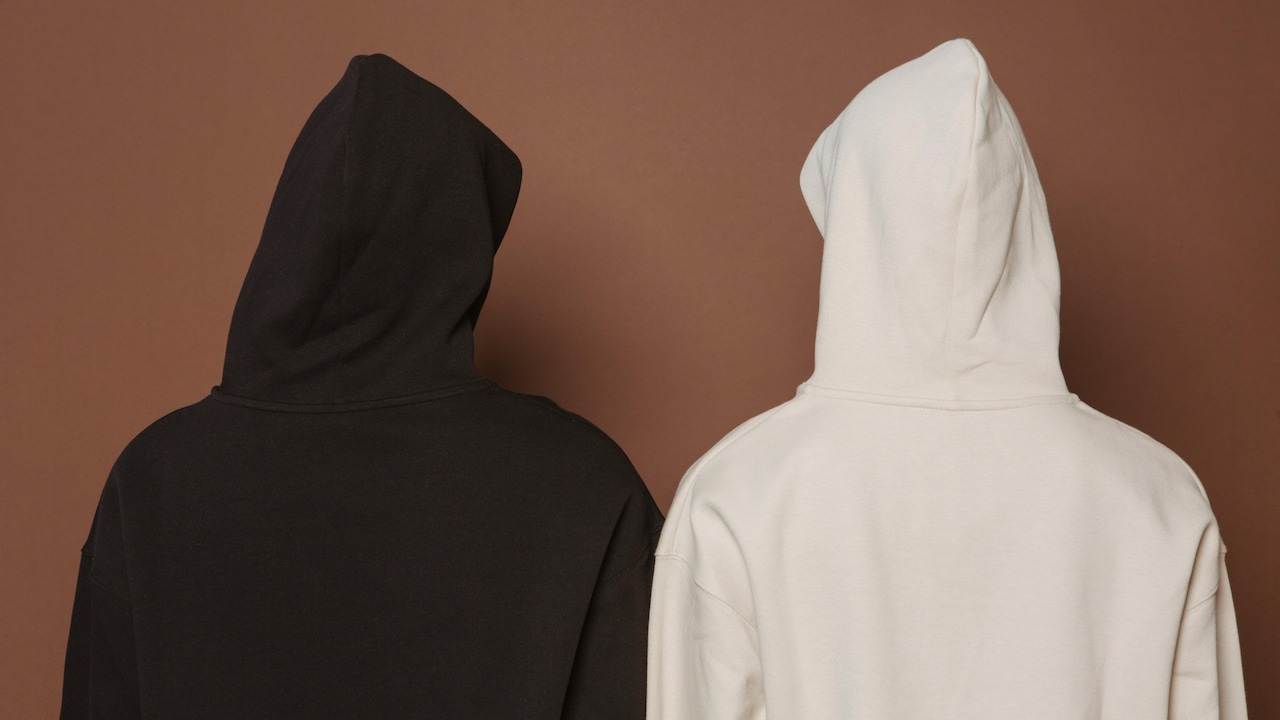
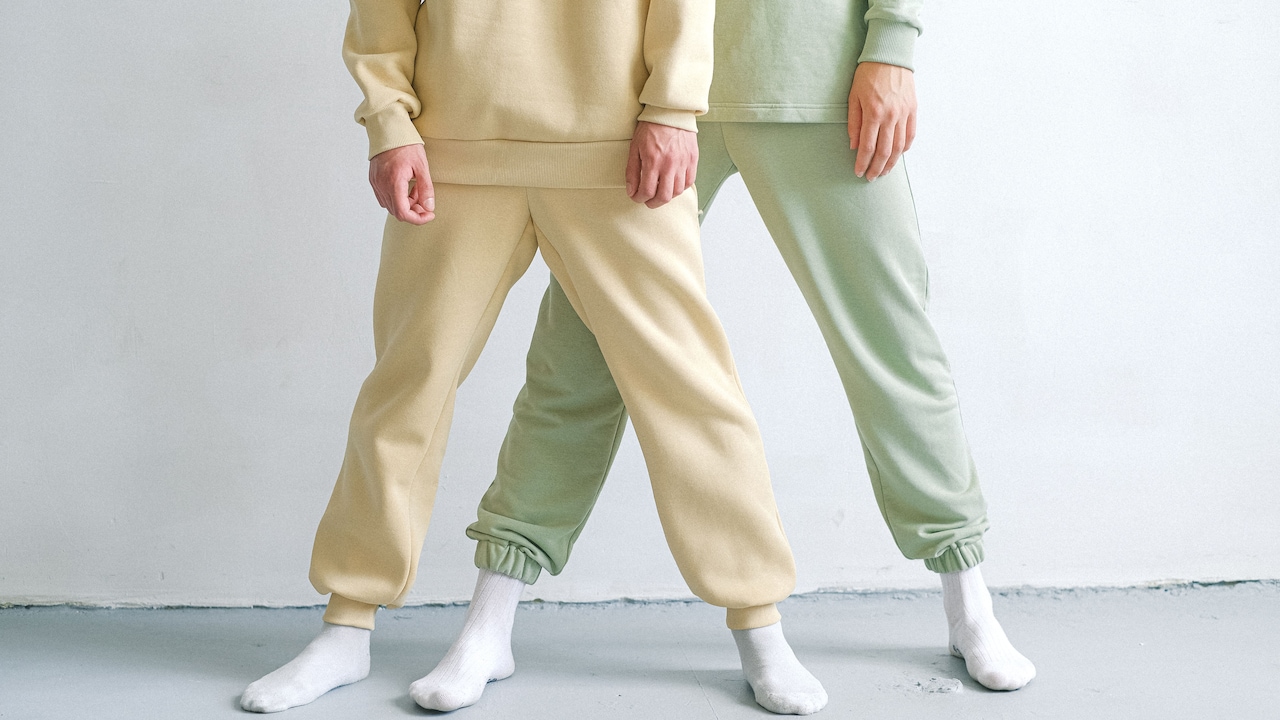
5 Reasons Some Hoodies Feel Better the More You Wear Them; Photo Credit: Pexels
What Makes Certain Hoodies More Comfortable Over Time
1. Fabric That Learns Your Shape
Good hoodies adapt. Quality cotton blends soften and stretch slightly with movement, moulding themselves around shoulders, elbows, and backs. Over time, the fabric responds to posture and daily habits. The result feels almost custom-made.
Cheap synthetics resist change and often fight the body. Better materials relax instead. They move when the wearer moves and settle when the day slows down. This flexibility reduces friction and adds ease, especially during long hours of wear.
Think of a hoodie worn through exam seasons or work-from-home phases. The fabric learns where arms rest and how the torso bends. Each movement leaves a subtle mark, not visible but deeply felt. That familiarity brings comfort no brand-new garment can match.
2. Softness That Grows With Every Wash
Many hoodies start stiff. Factory finishes often coat fabrics to hold shape during transport and display. Washing strips those finishes away and allows fibres to breathe. With each cycle, the fabric feels gentler against the skin.
Cotton fibres fluff slightly over time, creating a plush texture. This change explains why older hoodies feel warmer without added weight. The softness comforts on cool evenings and early mornings alike.
Detergent choice and water quality also play a role. Mild soaps and air drying preserve fibre integrity. Over time, the hoodie develops a lived-in softness that feels familiar, like a well-used blanket pulled out during winter.
Also Read: Top 5 Oversized Hoodies Under ₹2,000 For A Trendy Winter Look
3. Perfectly Broken-In Fit
New hoodies often feel awkward. Sleeves sit too long, hems cling oddly, and necklines feel stiff. Wear changes all that. The fabric loosens where movement occurs most, creating a balanced fit.
This break-in period mirrors the comfort of old footwear. Once the hoodie adapts, it slips on easily and sits right. No tugging, no adjusting. Just effortless comfort.
That ease matters during busy days. A hoodie that fits well saves small mental energy. It allows focus on conversations, commutes, or quiet moments with a book. Over time, that ease builds affection for the garment.
4. Breathability Improves Over Time
Dense fabrics often trap heat at first. As fibres relax, tiny gaps form between threads. Air flows better, regulating temperature more effectively. This change proves useful in unpredictable weather.
A hoodie worn across seasons learns balance. It keeps warmth during chilly mornings and releases heat during sunny afternoons. This adaptability suits daily routines that stretch from dawn to dusk.
Better airflow also reduces that sticky feeling after long wear. The hoodie stays comfortable during walks, errands, or casual meet-ups. Over time, the garment works with the body rather than against it.

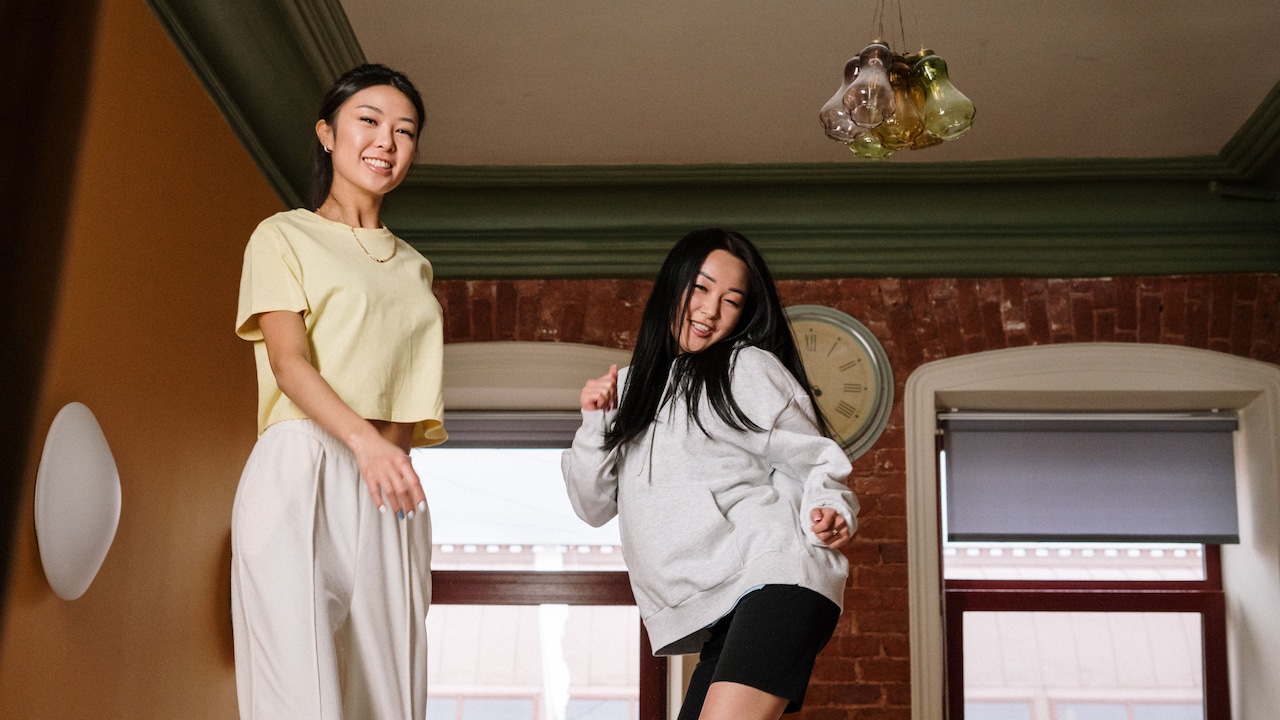
5 Reasons Some Hoodies Feel Better the More You Wear Them; Photo Credit: Pexels
5. Emotional Familiarity Adds Comfort
Clothing holds memory. A hoodie worn during late-night study sessions or weekend trips absorbs moments of calm, stress, and joy. That emotional layering adds comfort beyond fabric science.
Pulling on a familiar hoodie often brings reassurance. The mind associates it with safety and ease. This connection explains why people reach for older hoodies on difficult days.
This comfort costs nothing and grows naturally. No price tag matches the value of familiarity. Over time, the hoodie becomes a small anchor, offering quiet support during everyday chaos.
6. Reduced Skin Irritation Over Time
New garments sometimes irritate skin. Stiff seams, tight cuffs, or rough inner surfaces cause discomfort. Wear softens these trouble spots.
Friction areas smooth out with movement and washing. Tags curl less, seams relax, and cuffs stretch gently. This change benefits sensitive skin, especially during long wear.
An older hoodie rarely distracts. It sits comfortably, allowing focus on the day. That absence of irritation plays a big role in why worn hoodies feel better than new ones.
7. Personal Style Settles In
Fashion trends change quickly, but personal style evolves slowly. A hoodie worn often becomes part of daily identity. It pairs easily with jeans, joggers, or even layered over kurtas during winter.
Over time, the hoodie finds its place in outfits without effort. It stops feeling like a statement and starts feeling like home. This ease adds to its appeal.
That settled style reduces decision fatigue. When comfort and confidence meet, the hoodie becomes a reliable choice for countless occasions, from grocery runs to casual dinners.
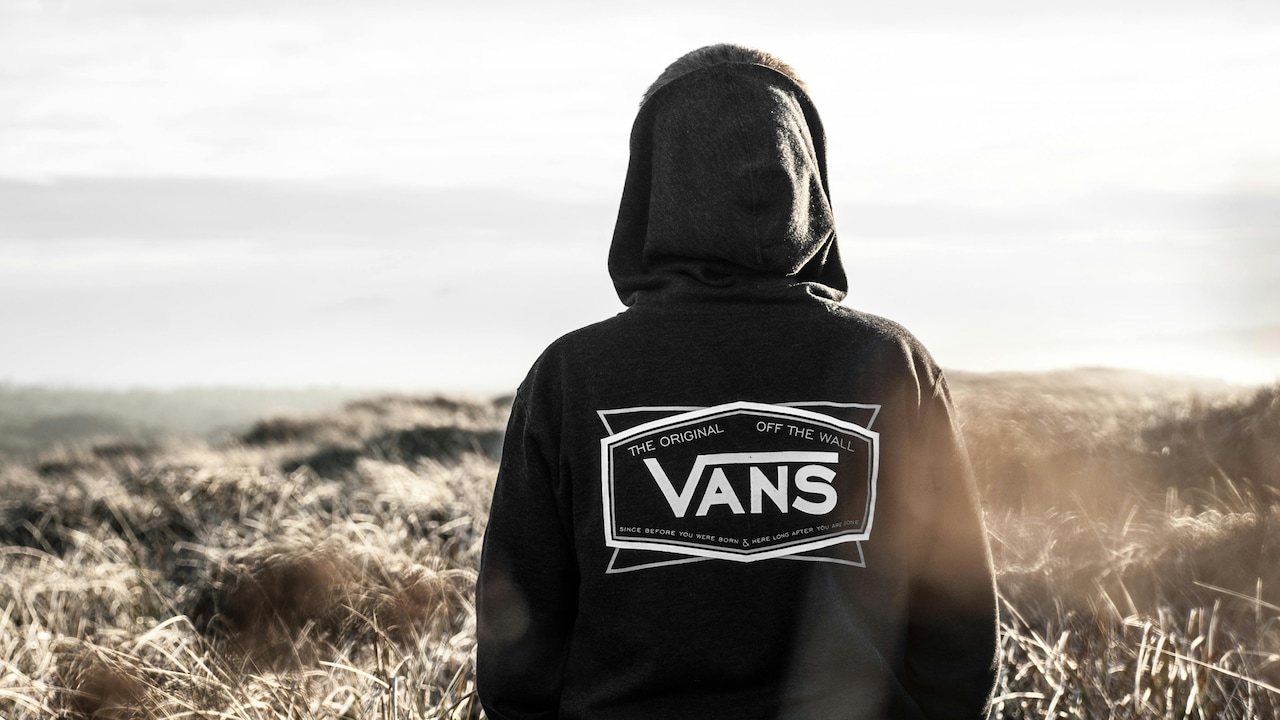
5 Reasons Some Hoodies Feel Better the More You Wear Them; Photo Credit: Pexels
8. Temperature Memory Builds Comfort
Certain fabrics retain heat patterns. A hoodie worn repeatedly in similar climates adjusts subtly to temperature needs. The inner surface warms faster and holds heat efficiently.
This temperature memory explains why older hoodies feel instantly cosy. They warm up quickly during cold evenings and stay comfortable during extended wear.
That immediate warmth feels reassuring, especially during sudden weather changes. Over time, the hoodie becomes a dependable shield against cold breezes and unexpected drizzles.
9. Durability Signals Quality
A hoodie that improves with wear often starts strong. Reinforced seams, dense stitching, and quality yarns handle repeated use. Instead of wearing out, the garment wears in.
This durability builds trust. Each year of use confirms the hoodie's reliability. That trust enhances comfort, knowing the garment won't lose shape or tear easily.
Spending ₹2,500 on a hoodie that lasts five winters often feels better than replacing cheaper ones every season. Over time, value reveals itself through consistent comfort.
10. Comfort Becomes Habit
Habit shapes preference. Wearing the same hoodie during relaxed moments trains the mind to associate it with comfort. That habit deepens with repetition.
Soon, the hoodie feels like the default choice for winding down. Movie nights, evening walks, or quiet mornings often begin with reaching for that familiar garment.
This habitual comfort explains why older hoodies feel irreplaceable. They integrate into routines and daily rhythms, becoming more than clothing. They become part of life's softer moments.
Products Related To This Article
1. The rich state Men Full Sleeve Graphic Print, Printed Hooded Sweatshirt
2. Organic Chics Men & Women Full Sleeve Self Design Sweatshirt
3. PIDI CLORI Men & Women Full Sleeve Printed Hooded Sweatshirt
4. Detour Men Full Sleeve Printed Hooded Sweatshirt
5. Alan Jones Men Full Sleeve Solid Hooded Sweatshirt
Some hoodies age gracefully. They soften, adapt, and collect memories with every wear. Fabric science explains part of the magic, but daily life completes the story. A well-loved hoodie offers warmth beyond temperature. It brings ease during long days and quiet reassurance during uncertain ones. While new hoodies shine briefly, older ones stay loyal. The next time a faded hoodie feels better than a fresh purchase, remember this: comfort matures.
(Disclaimer: This article may include references to or features of products and services made available through affiliate marketing campaigns. NDTV Convergence Limited (“NDTV”) strives to maintain editorial independence while participating in such campaigns. NDTV does not assume responsibility for the performance or claims of any featured products or services.)