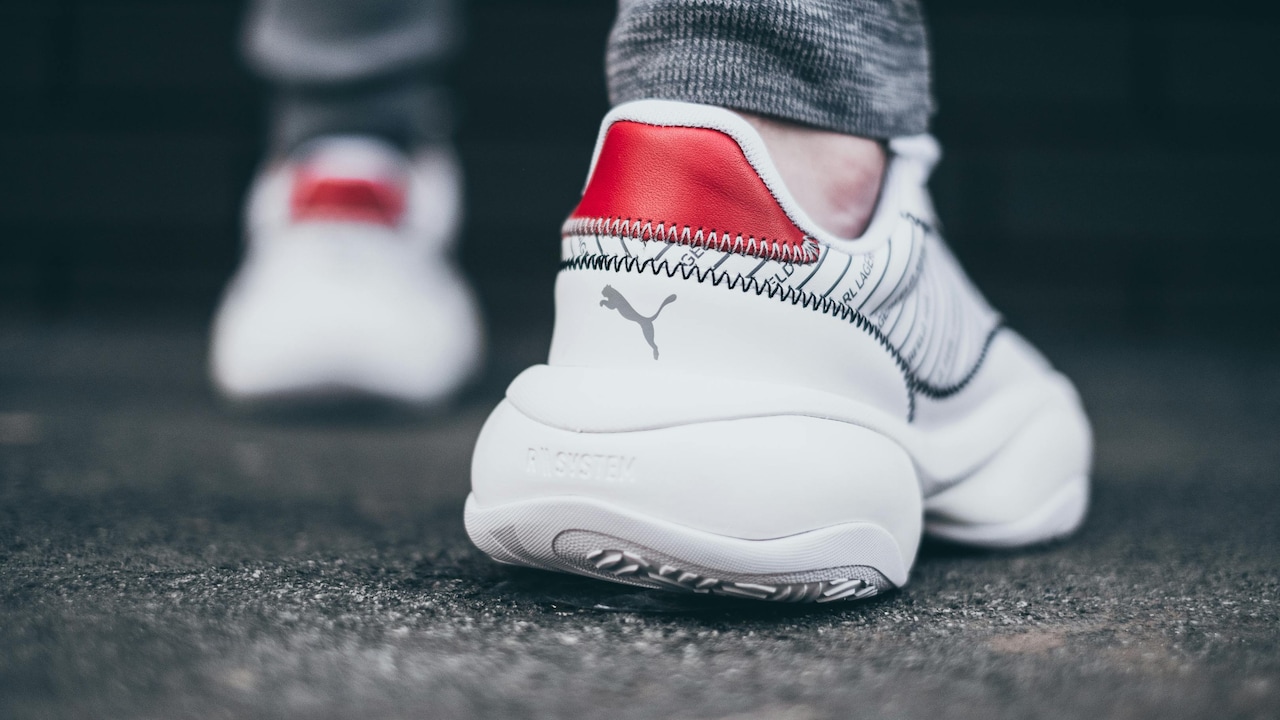
7 Photography Tricks Online Stores Use To Make Clothes Look Better Than They Are
Ever noticed clothes online looking far better than when they arrive? Smart lighting, styling, angles and editing can transform ordinary garments into irresistible products. Here are seven photography tricks that quietly enhance fashion images.
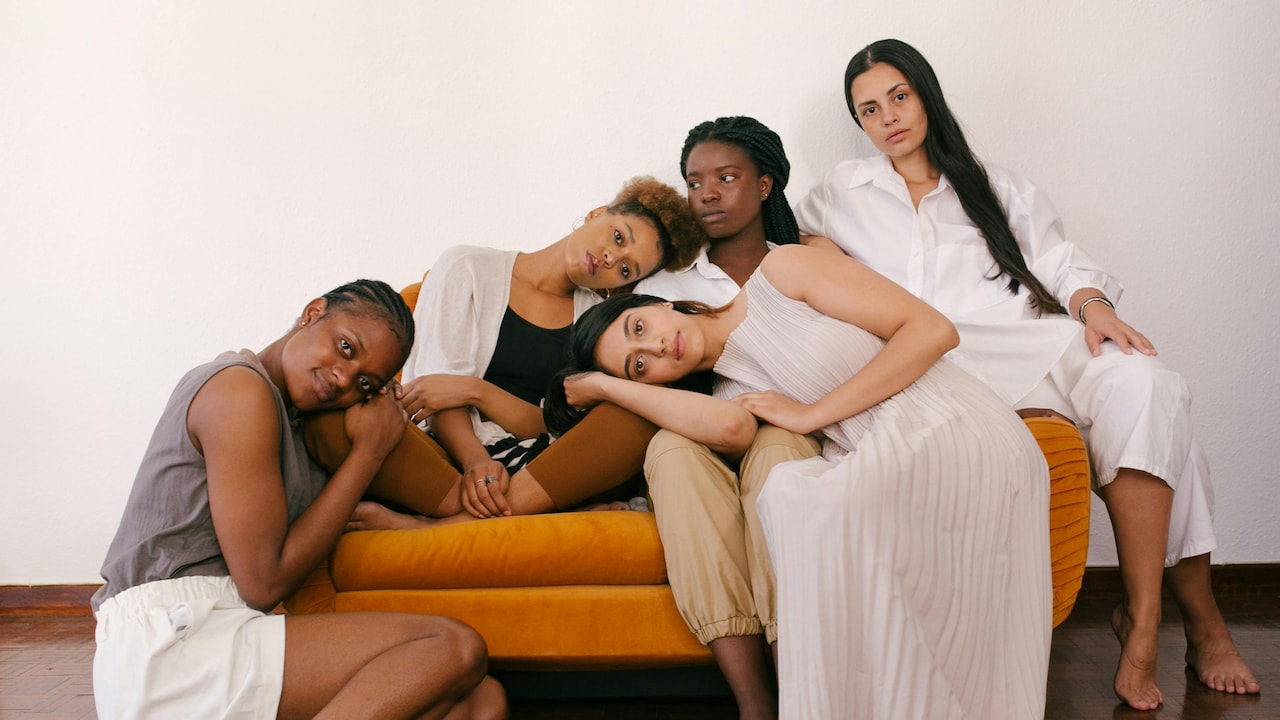
7 Photography Tricks That Make Clothes Look Better Online Than They Are.
Scrolling through an online clothing store can feel strangely hypnotic. Crisp white shirts glow under soft lighting. Cotton kurtas appear airy and luxurious. A simple ₹799 dress somehow looks like something spotted in a glossy magazine.
Yet when the parcel finally arrives, the magic sometimes fades faster than monsoon sunshine. The colour feels slightly duller. The fabric appears thinner. The fit does not quite match the dreamy photograph.
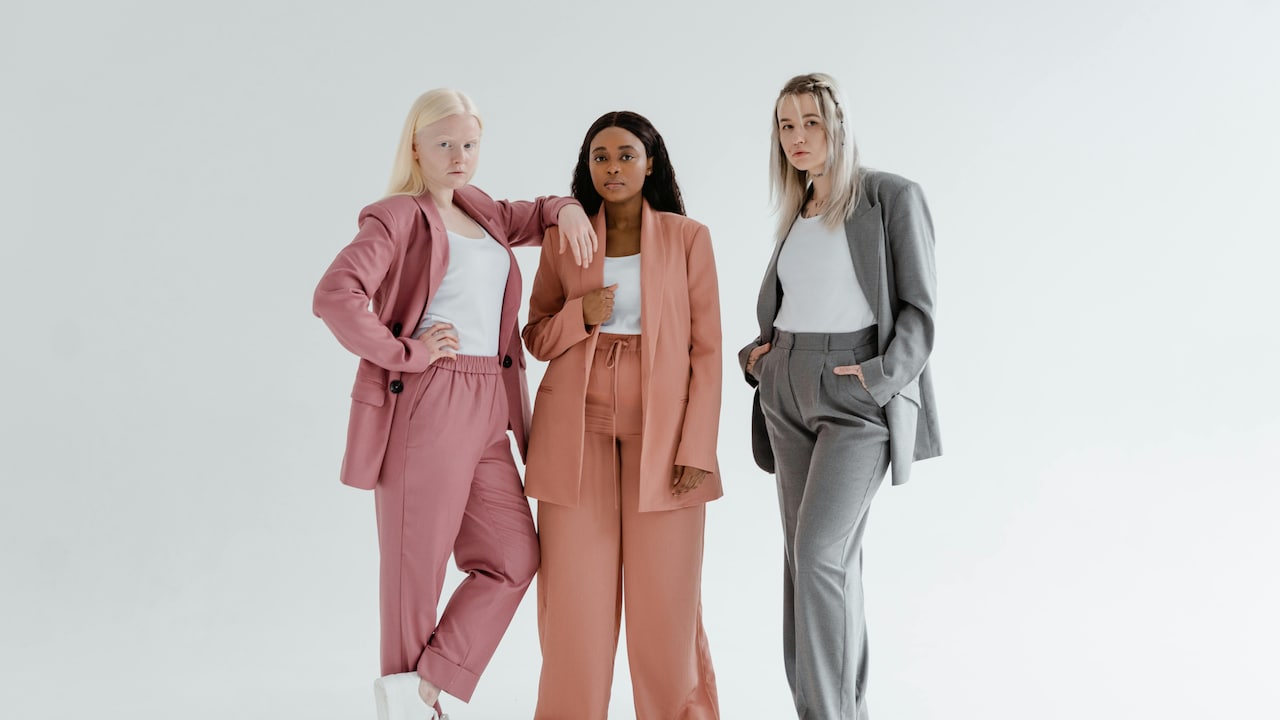
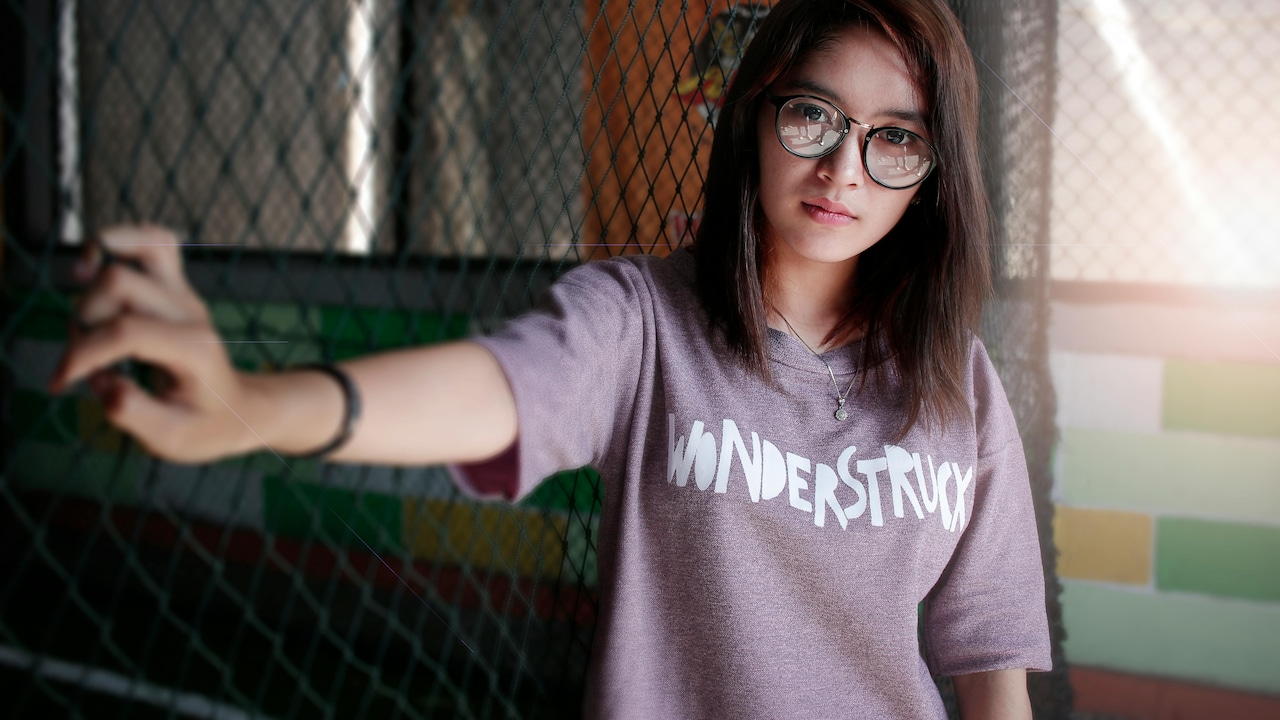
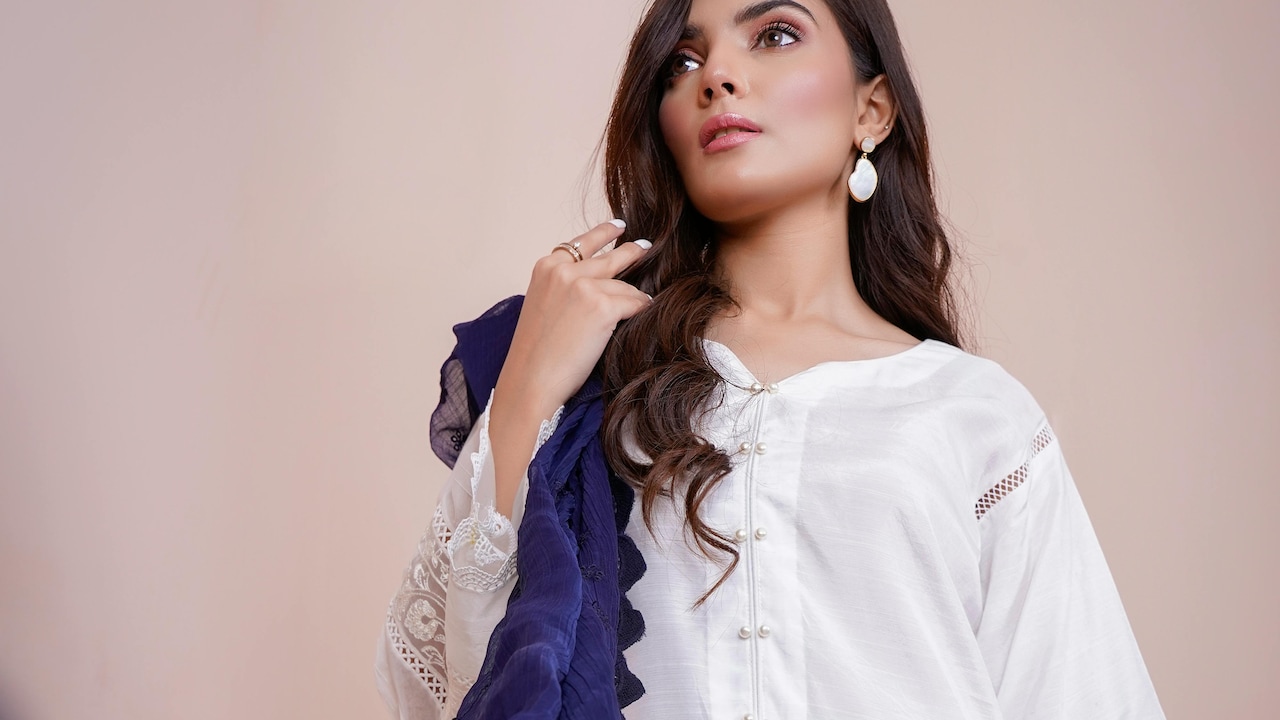
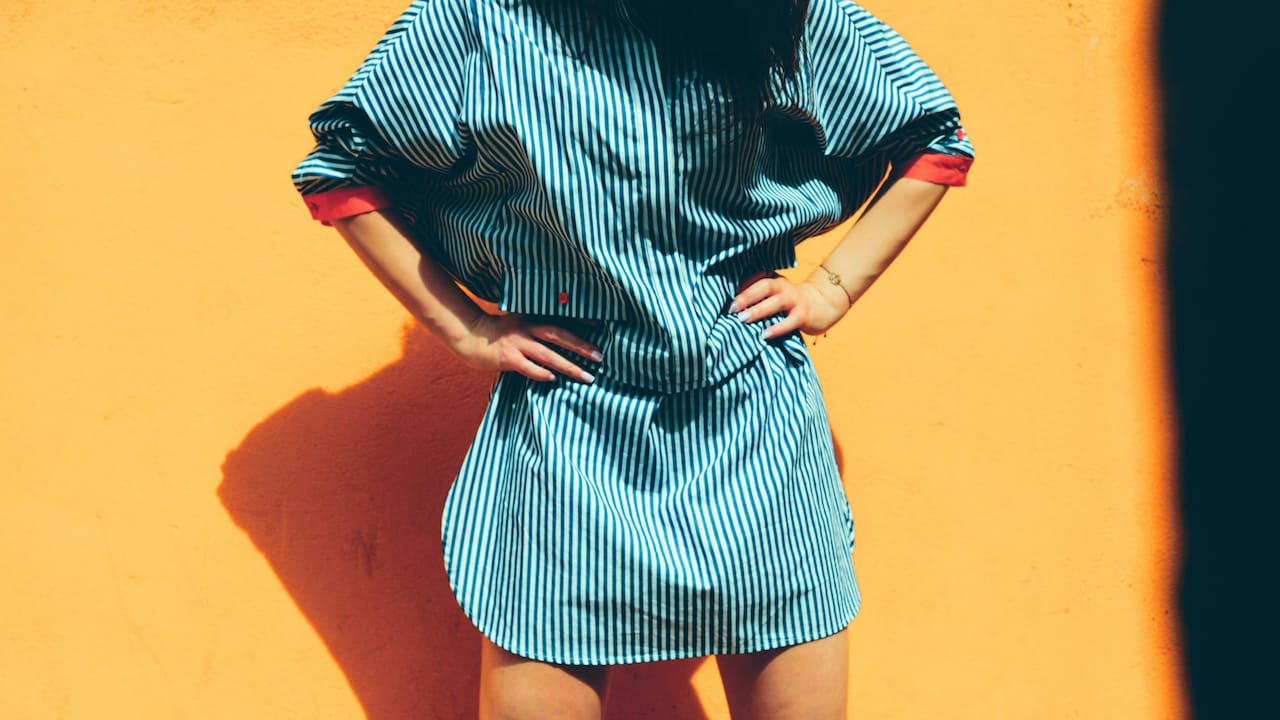
7 easy tips that make online clothing look perfect; Photo Credit: Pexels
This gap rarely happens by accident. E-commerce photography relies on carefully designed techniques that highlight the most flattering features of clothing. Skilled photographers, stylists, and editors collaborate to create images that persuade shoppers within seconds.
None of these methods breaks the law. However, they stretch visual perception in subtle ways. Lighting softens creases. Camera angles sculpt silhouettes. Editing tools refine colour and texture until garments appear richer than reality.
Understanding these tricks does not ruin the joy of online shopping. Instead, it helps shoppers view product images with sharper eyes. The next time a ₹1,499 shirt looks suspiciously perfect, these behind-the-scenes tactics may explain why.
Also Read: Affordable Fashion: Bewakoof To Allen Solly, 5 Best Women's Tees Under ₹399
How Fashion Photography Quietly Enhances Online Clothing
Flattering Lighting That Hides Fabric Flaws
Lighting sits at the heart of clothing photography. Good lighting does far more than brighten a product. It transforms how fabric texture, thickness, and colour appear on screen.
Professional studios often use large softbox lights that spread light evenly across the garment. This soft illumination reduces harsh shadows and smooths tiny wrinkles. Polyester blends can suddenly look as rich as premium cotton.
Soft lighting also hides uneven stitching or slight puckering near seams. Shadows normally reveal these details. Diffused light removes them from view.
Another clever method involves lighting from several directions at once. This technique removes depth and creates a smooth surface appearance. The garment then looks crisp, structured, and flawless.
Outdoor brands sometimes photograph clothes during golden hour. Warm sunset tones add a natural glow that makes colours appear deeper and more luxurious.
Shoppers rarely notice this trick consciously. The brain simply reads the image as polished and premium. That ₹999 shirt seems worth twice the price.
Lighting does not change the fabric itself. Yet it shapes how the eye perceives every fibre.
Strategic Posing That Improves The Fit
Clothing rarely drapes perfectly on every body shape. Skilled posing helps create the illusion that it does.
Models rarely stand straight in product photos. Instead, photographers guide subtle posture adjustments that enhance the garment's shape. A slight twist at the waist narrows the torso. A lifted shoulder sharpens the jacket's structure.
Even arm placement affects how clothing appears. Bent arms pull fabric taut across the chest, removing wrinkles that might otherwise suggest poor tailoring.
Long dresses often look more elegant when the model steps forward slightly. Movement creates flowing lines that hide stiffness in the fabric.
Stylists sometimes clip excess material behind the model using hidden pins. The front view appears perfectly fitted while the back gathers extra fabric out of sight.
These small tricks transform an average garment into something that appears custom-tailored. When shoppers see the photograph, their minds assume the clothing will create the same flattering shape.
Real life rarely involves studio pins and perfect posture.
High-End Styling That Elevates Simple Clothes
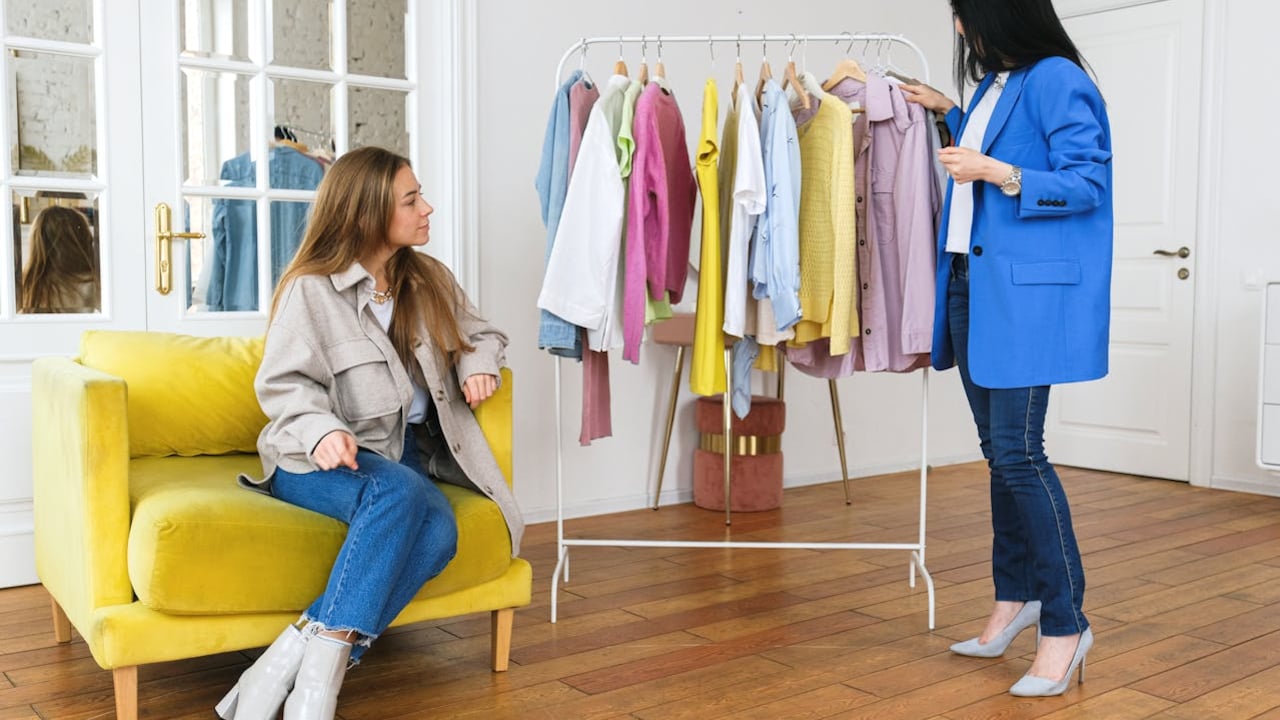
Clothing rarely appears alone in online product photos. Stylists build an entire visual story around the garment.
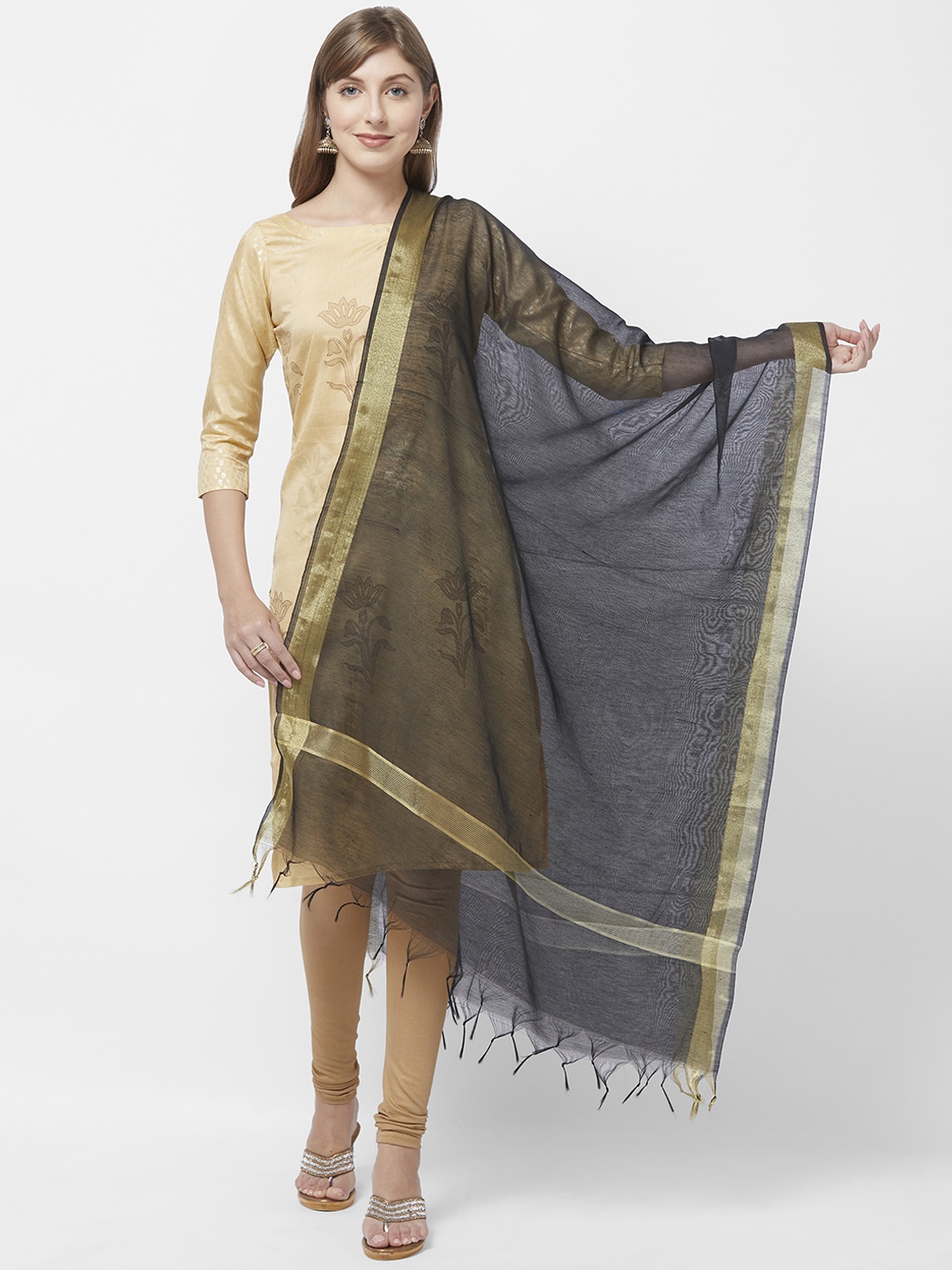
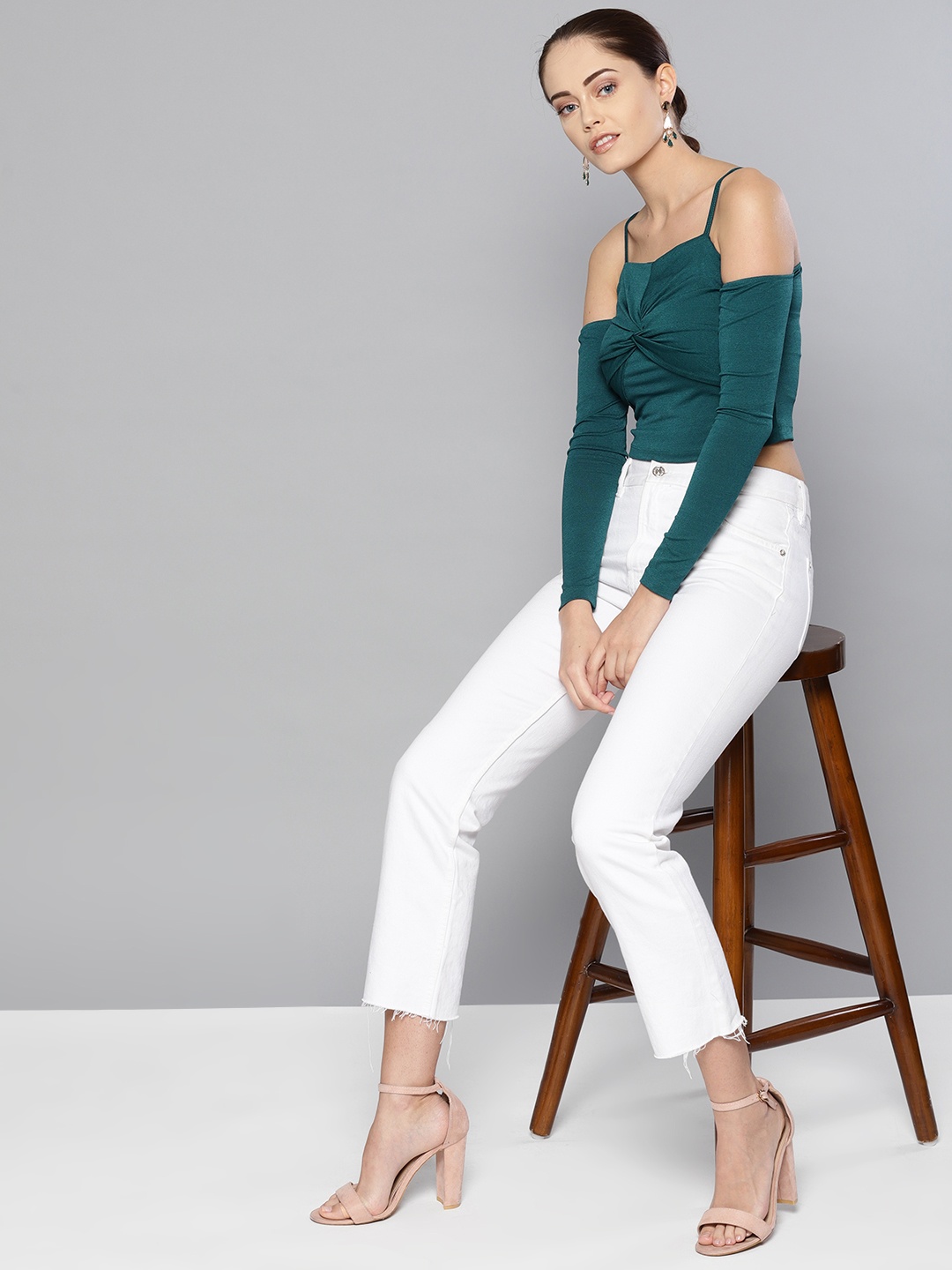
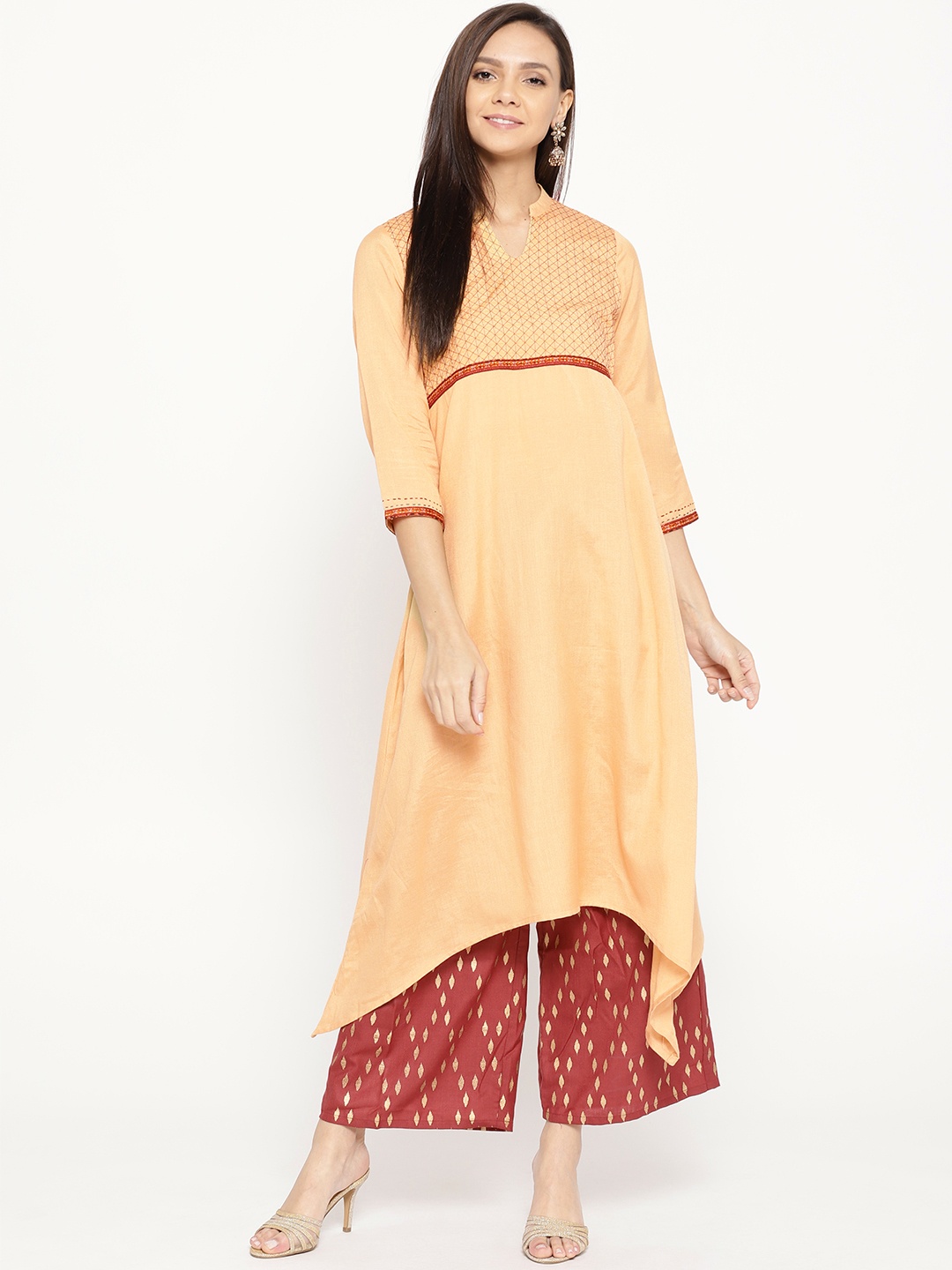
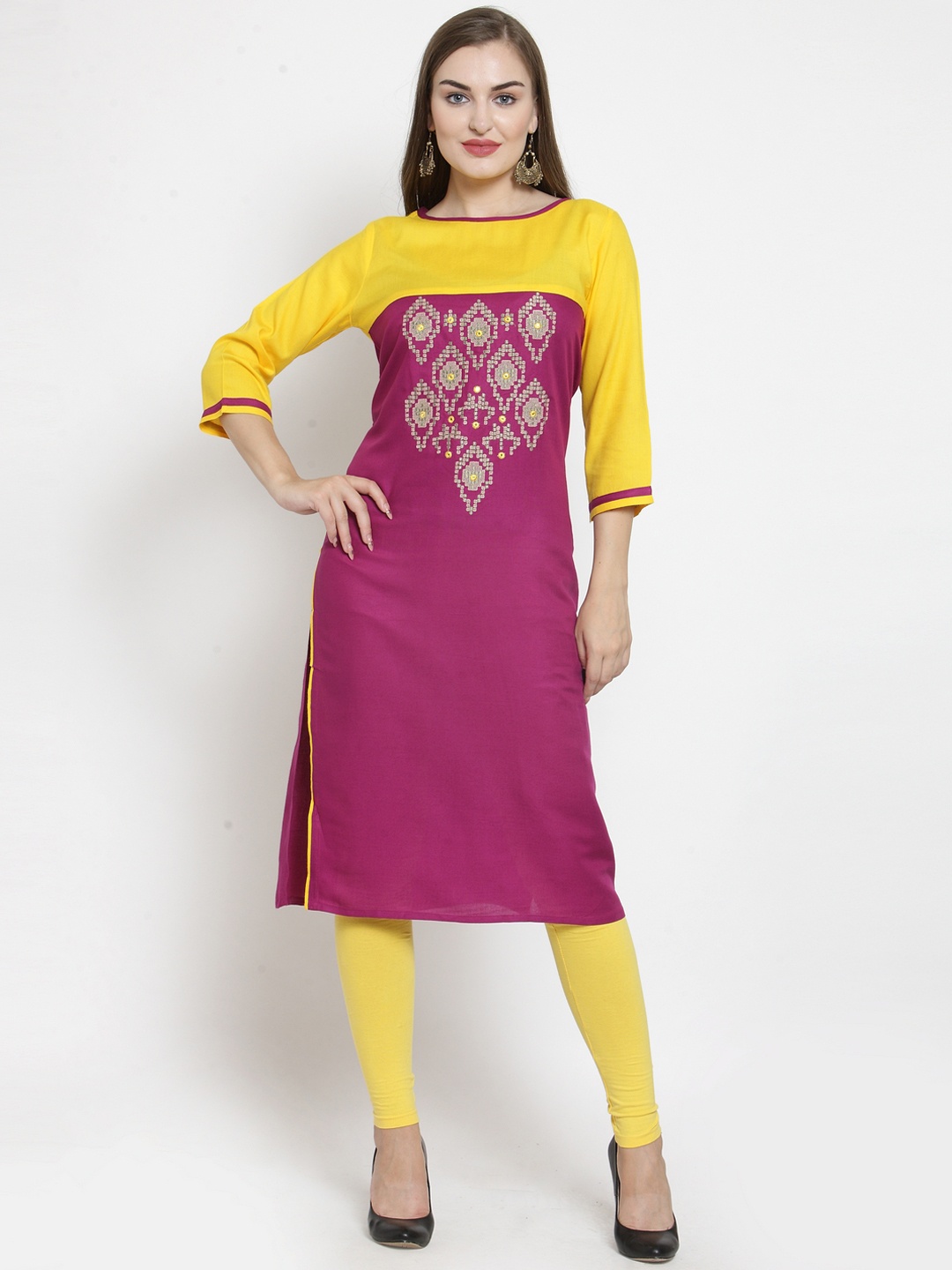
A plain ₹1,299 kurta suddenly looks sophisticated when paired with statement earrings, polished sandals, and layered bangles. These accessories draw attention to the overall aesthetic rather than the fabric itself.
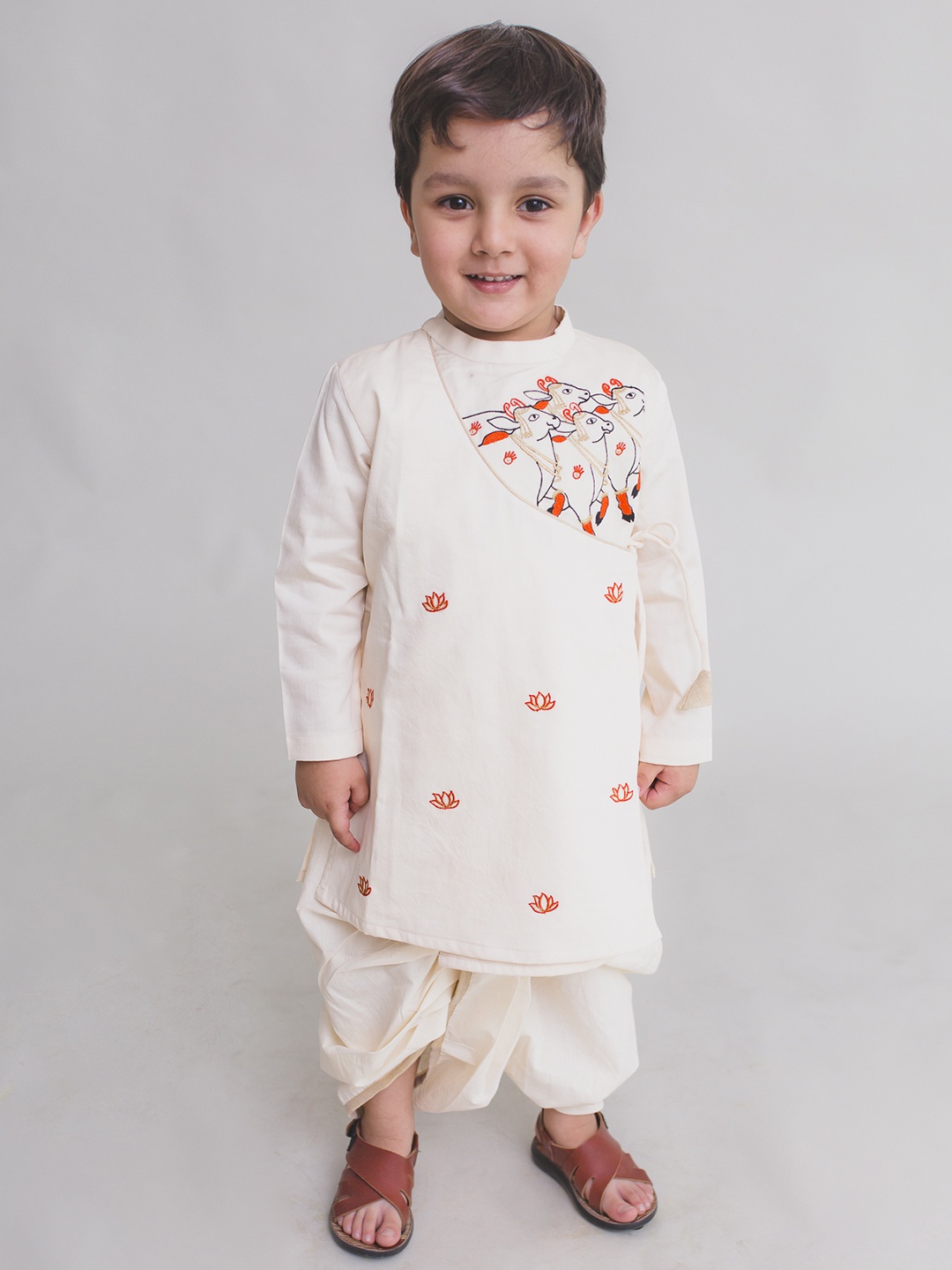
Professional stylists also pay close attention to grooming. Perfectly ironed clothing, carefully arranged sleeves, and subtle folds give garments a refined look.
Hair and makeup also influence perception. Clean makeup and glowing skin help create a polished mood that enhances the clothing.
Even background colours matter. Neutral tones allow bright fabrics to stand out while darker backgrounds make light colours appear richer.
Many shoppers focus on the entire look instead of the garment alone. The brain connects the stylish presentation with the product's quality.
Yet the kurta that looked runway-ready online might arrive looking far simpler when paired with everyday footwear and a quick mirror glance before work.
Clever Camera Angles That Shape The Silhouette
Camera angles can completely transform how clothing appears.
Photographers often shoot from slightly below the model. This angle elongates the body and creates the illusion of height. Long dresses appear more graceful while trousers look sharply tailored.
A slight side angle can also hide loose fabric around the waist or hips. The garment appears structured, even if the fit feels average in reality.
Close-up shots often focus on flattering sections of the garment. Embroidery near the collar or delicate sleeve details takes centre stage while less impressive areas remain out of frame.
Wide lenses sometimes exaggerate movement and flow. A swirling skirt photographed mid-spin can appear light and luxurious.
Angle selection rarely happens randomly. Each shot aims to highlight the garment's strongest feature.
The final image looks effortless. Behind the scenes, the photographer may have taken dozens of photos before finding that perfect perspective.
Fabric Movement That Suggests Premium Quality
Still clothing can look lifeless in photographs. Movement brings energy and elegance.
Photographers often ask models to walk, twirl, or toss their hair during a shoot. These movements create dynamic folds in the fabric.
Flowing shapes suggest softness and breathability. Even synthetic fabrics can appear airy when caught mid-motion.
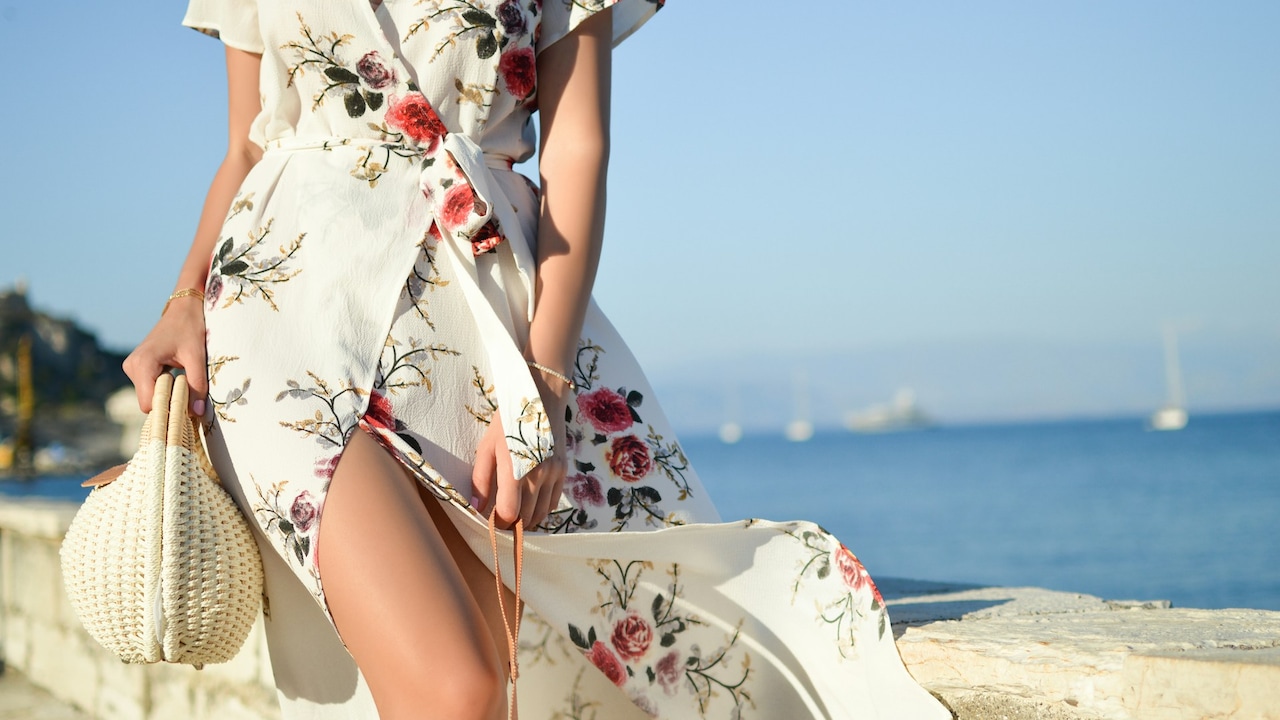
Long skirts benefit the most from this trick. A dramatic swirl gives the impression of luxurious drape and volume.
Sometimes assistants gently toss sections of the garment just before the camera clicks. The fabric lifts briefly, creating natural-looking motion.
These moments last only seconds, yet they capture a sense of life that static photos cannot.
Shoppers subconsciously associate flowing movement with high-quality materials. A ₹1,799 dress suddenly appears delicate and premium.
In reality, that same dress may feel stiff when hanging quietly inside a wardrobe.
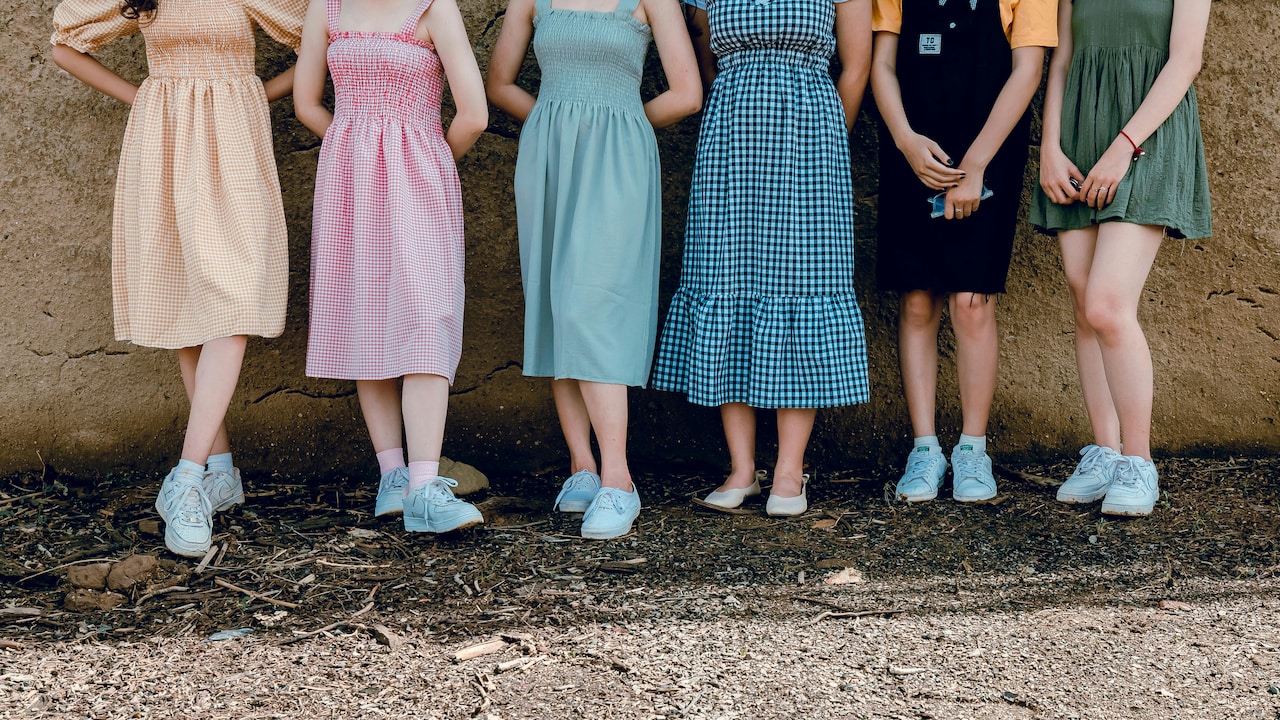
Long skirts give the impression of luxurious drape and volume in pictures; Photo Credit: Pexels
Colour Editing That Enhances Vibrancy
Digital editing quietly reshapes the colours seen in product photos.
Camera sensors rarely capture colours exactly as the human eye sees them. Photo editors adjust brightness, contrast, and saturation to make garments appear more vibrant.
Deep reds become richer. Blues look sharper. Pastel shades glow softly.
Even subtle adjustments can dramatically improve a garment's appeal. A slightly faded shirt suddenly looks fresh and lively.
Editing also helps maintain colour consistency across an entire product catalogue. Every item appears polished and visually pleasing.
However, these adjustments sometimes stretch reality. The colour that looked bold on screen may appear softer under everyday lighting at home.
Many shoppers experience this moment of confusion after opening a parcel. The garment looks familiar yet slightly different.
The difference often comes down to a few careful digital tweaks.
Background Choices That Create Luxury
Background selection plays a surprisingly powerful role in clothing photography.
A clean white backdrop emphasises simplicity and elegance. The garment becomes the hero of the image.
Lifestyle backgrounds create a different effect. A dress photographed inside a stylish café or modern apartment instantly feels more aspirational.
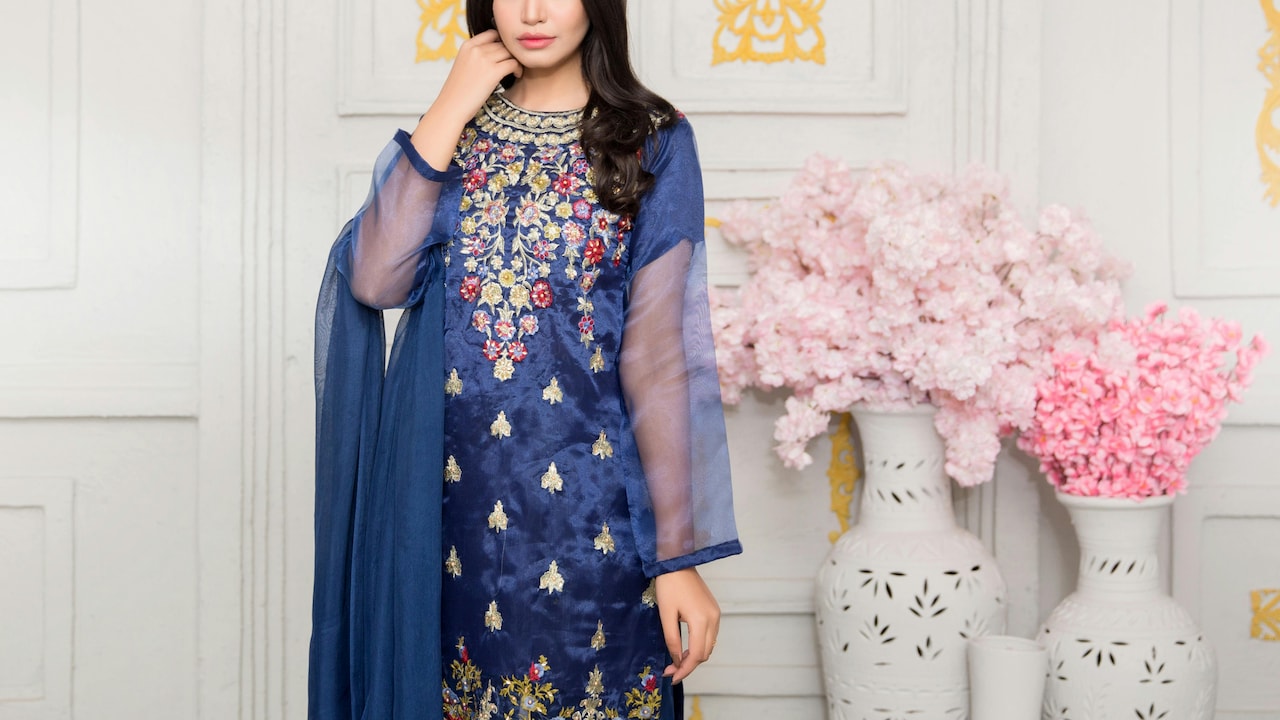
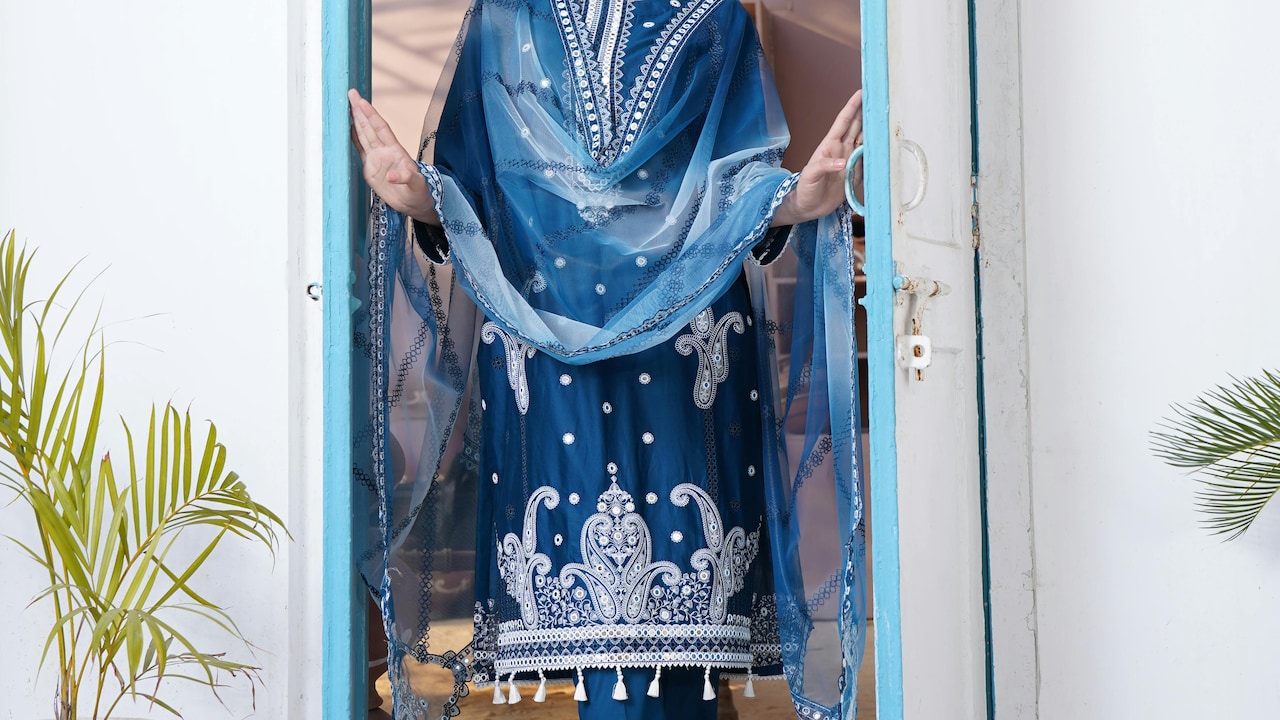
Even outdoor scenes influence perception. A flowing kurta photographed near a heritage building or leafy street suggests sophistication and cultural charm.
Textures matter as well. Marble floors, wooden benches, or soft linen curtains add visual richness.
These surroundings elevate the garment's perceived value. A ₹899 shirt suddenly looks like something worth twice that price.
Yet the shirt itself has not changed. The environment simply frames it in a more appealing story.
Shoppers often remember the atmosphere of the photograph as much as the clothing.
Hidden Pins And Clips That Perfect The Shape
Behind many product photos hides a small army of styling tools.
Stylists frequently use pins, clamps, and clips to shape garments on the model's body. Excess fabric gathers discreetly at the back or sides.
From the front, the clothing appears perfectly fitted.
This method works especially well for loose garments that might otherwise look bulky. Jackets appear tailored. Dresses hug the waist. Shirts sit smoothly across the shoulders.
Photographers carefully position the model to ensure these adjustments remain invisible.
Once the photo session ends, the garment returns to its original shape. Without the hidden clips, the fit may feel noticeably looser.
Shoppers rarely realise that the sleek silhouette they admired depended partly on clever styling tricks rather than the garment's natural cut.
Close-Up Shots That Highlight Premium Details
Close-up photography draws attention to craftsmanship. At least, it creates that impression.
Photographers zoom in on embroidery, buttons, or delicate stitching. These details appear crisp and luxurious on screen.
Macro lenses reveal textures beautifully. Cotton fibres look soft and plush. Silk threads shimmer under studio lights.
However, close-ups show only selected areas. The rest of the garment may not receive the same visual attention.
A collar with neat stitching might appear in three separate photographs while the inner seams remain unseen.
Shoppers naturally assume that the entire garment reflects the same quality.
These images work because the brain fills in missing details automatically.
A few polished close-ups can persuade buyers that the overall product feels premium.
Professional Editing That Smooths Every Imperfection
The final stage of clothing photography happens on a computer screen.
Photo editors refine images using professional software. Small wrinkles disappear. Uneven folds soften. Colours balance perfectly.
Even background distractions vanish with a few quick adjustments.
Editing also sharpens the garment's edges and improves clarity. The fabric appears smooth, structured, and almost flawless.
Some editing techniques subtly reshape the clothing itself. Minor distortions can make a jacket look more structured or a dress slightly more fitted.
These changes remain subtle enough to appear natural. Most shoppers never suspect digital alterations.
The finished image looks clean, elegant, and highly persuasive.
By the time the photograph reaches a shopping app, it represents a carefully polished version of reality.
Products Related To This Article
1. STREET 9 Conversational Printed Acrylic Pullover Sweater
2. ESPYR By Tokyo Talkies Tokyo Talkies Women Colorblocked Laye Wide Leg Jumpsuit
3. QUIERO Printed Basic Jumpsuit
4. Berrylush Women Shoulder Straps with Layered Playsuit
5. Roadster The Life Co. Washed Effect Pleated Detail Pure Cotton Wrap-Style Denim Shirt
Online shopping thrives on visual appeal. A single photograph often decides whether someone adds a garment to the cart or keeps scrolling.
Behind those polished images lies a blend of creative styling, clever lighting, strategic posing, and thoughtful editing. None of these techniques change the garment itself. Yet together they shape how shoppers perceive quality, colour, and fit.
Understanding these photography tricks encourages smarter shopping decisions. Zooming into product photos, checking customer reviews, and viewing multiple angles can reveal clues that glossy images hide.
That stunning ₹1,299 outfit might still be a great purchase. However, recognising the visual magic behind online clothing photos helps manage expectations.
After all, in the world of e-commerce, a little studio lighting can make even the simplest fabric look ready for a fashion magazine cover.
(Disclaimer: This article may include references to or features of products and services made available through affiliate marketing campaigns. NDTV Convergence Limited (“NDTV”) strives to maintain editorial independence while participating in such campaigns. NDTV does not assume responsibility for the performance or claims of any featured products or services.)