How To Pick Padded Sports Bras That Offer Support Without Tight Compression
Finding a padded sports bra that supports without suffocating compression can feel tricky. The right fit balances comfort, breathability, and stability so workouts feel easier and more natural.
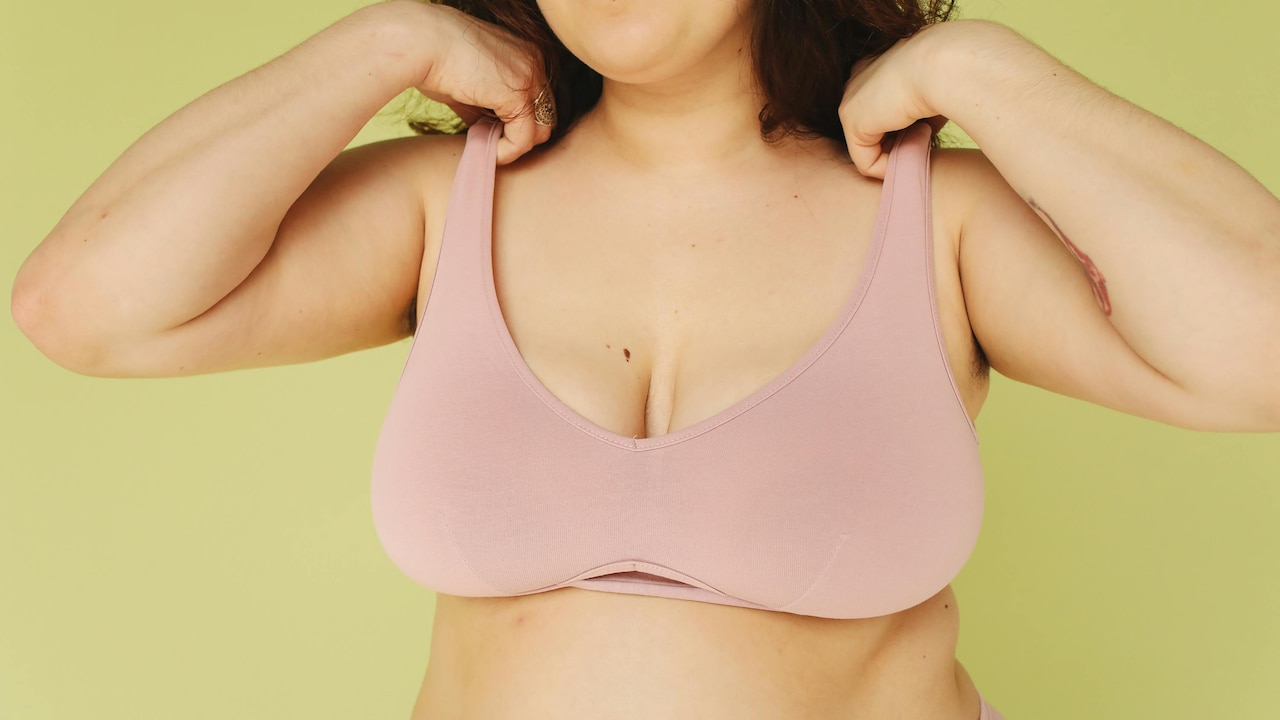
A Guide To Picking Padded Sports Bras That Support Movement Without Tight Compression.
Morning jogs along the promenade, weekend badminton matches in the park, yoga sessions in the living room, or a crowded gym class after work, physical activity has become a daily ritual for many. Comfortable clothing makes that experience better. At the centre of that comfort sits a surprisingly important piece of clothing: the sports bra.
Many padded sports bras promise support but deliver a tight, suffocating squeeze. That compression may reduce bounce, yet it often leaves wearers gasping for breath midway through a workout. The goal is balance. The right sports bra should stabilise movement without turning the chest into a tightly wrapped parcel.
Finding that balance can feel confusing. Shelves display dozens of options, each claiming advanced technology, ultimate support, or “perfect sculpting.” Price tags range from around ₹600 to ₹3,500 or more. With so many choices, selecting the right one can resemble guessing in a crowded market.
Fortunately, a few practical considerations can make the process easier. From fabric choices to strap design, several subtle features influence comfort and support. Understanding these details helps identify padded sports bras that hold everything in place without tight compression.

How To Pick Padded Sports Bras That Offer Support Without Tight Compression
Photo Credit: Pexels
What Really Matters When Choosing A Comfortable Sports Bra
Understand The Difference Between Support And Compression
Support and compression often appear together in marketing descriptions, yet they mean different things. Compression presses the chest against the body to reduce movement. Support, however, focuses on stabilising each breast and distributing weight across the shoulders and band.
Many padded sports bras rely heavily on compression because it offers a simple design. Unfortunately, excessive compression can feel restrictive. Deep breathing during cardio becomes difficult, and the ribcage may feel squeezed.
Supportive bras take a smarter approach. They combine padding, shaped cups, and firm bands that hold the bust without flattening it completely. Instead of pressing everything down, they gently lift and stabilise.
Consider a typical gym session. During jumping jacks or treadmill runs, the body moves in multiple directions. A bra designed purely for compression restricts movement but sacrifices comfort. A supportive design, however, reduces bounce while allowing natural breathing.
When shopping, try bending, stretching, and raising the arms in the trial room. If the bra stays secure without digging into the ribs or shoulders, that piece likely offers real support rather than excessive compression.
Choose The Right Padding Type
Padding influences both comfort and shape. Not all padded sports bras feel the same, and the type of padding can change the entire wearing experience.
Some bras use thick foam inserts that create a structured look. These may work for certain outfits but often feel heavy during workouts. Sweat builds quickly, and the bra may trap heat.
Lightweight moulded padding offers a better balance. These cups follow the natural curve of the chest while maintaining breathability. They provide modest coverage without unnecessary bulk.
Removable pads remain another popular option. Many prefer them because they allow flexibility. During intense workouts, the pads can come out for lighter wear. On casual days, the padding adds shape under fitted tops.
Imagine a humid summer workout session. A thick padded bra can feel like wearing a small cushion on the chest. Lightweight moulded padding, however, stays breathable and comfortable.
Checking the padding thickness and flexibility during purchase can prevent discomfort later. A sports bra should feel supportive yet almost forgettable once the workout begins.
Pay Attention To Fabric Breathability
Fabric determines whether a sports bra feels comfortable or suffocating. During workouts, the body generates heat and sweat. Breathable materials help manage that moisture and prevent irritation.
Modern sports bras often feature blends of nylon, elastane, and polyester designed to wick moisture away from the skin. These fabrics dry quickly and reduce the sticky feeling that sometimes appears halfway through a workout.
Cotton may feel soft initially but tends to absorb sweat and remain damp. That dampness can create friction and discomfort during longer exercise sessions.
Mesh panels offer another clever design feature. Many padded sports bras include small mesh sections around the sides or back. These areas allow airflow, which keeps the body cooler.
Consider a crowded evening gym where fans struggle to keep the air moving. A breathable sports bra prevents overheating and keeps the wearer comfortable through the entire workout.
Fabric choice also affects durability. High-quality moisture-wicking materials maintain shape even after repeated washing. Spending around ₹1,200 to ₹2,000 on a well-constructed bra often saves money in the long run because the garment lasts longer.
Focus On Band Fit Rather Than Tight Cups
Many people assume that tight cups provide better support. In reality, the band plays the most important role. Around 70 to 80 per cent of a sports bra's support comes from the band beneath the bust.
A band that sits snugly but comfortably keeps the bra anchored during movement. If the band rides up the back, the bra may lack proper support. If it digs painfully into the ribs, the size may be too small.
Testing the band is simple. Raise both arms overhead and stretch sideways. The band should stay in place without sliding upward.
Cups should simply contain the bust without squeezing it. Tight cups can create pressure points and discomfort. They may also flatten the chest excessively, leading to that dreaded compressed feeling.
Think of the band as the foundation of a house. When the foundation stays stable, everything above it works better. A well-fitted band allows the cups and padding to perform their supportive role without unnecessary pressure.
Taking time to check the band fit often leads to a far more comfortable sports bra.
Look For Wide Adjustable Straps
Straps might appear like a small detail, yet they significantly influence comfort. Thin straps concentrate weight on a narrow section of the shoulders. Over time, this pressure can create soreness and red marks.
Wide straps distribute weight more evenly. They help support the bust without digging into the skin. Adjustable straps add another layer of comfort because they allow minor adjustments depending on the activity.
A yoga session may require slightly looser straps for flexibility, while a high-intensity workout might benefit from a firmer fit.
Some sports bras also feature cross-back or racerback designs. These styles prevent straps from slipping off the shoulders during movement.
Picture an early morning run where constant strap adjustments disrupt rhythm. A sports bra with wide, stable straps eliminates that distraction.
Good strap design often signals thoughtful construction. When straps feel sturdy and comfortable, the entire bra usually provides better support.
Consider Impact Level For Different Activities
Not every workout demands the same level of support. A brisk walk, a yoga class, and a high-energy dance session place different demands on the body.
Low-impact activities require gentle support. Soft padded bras with flexible fabrics often work well here. They allow natural movement without feeling restrictive.
Medium-impact workouts such as cycling or strength training benefit from slightly firmer designs. These bras typically include moulded cups and stronger bands.
High-impact exercises like running, aerobics, or sports require more structured support. Padded sports bras designed for high impact often combine shaped cups, wider bands, and reinforced straps.
Choosing the wrong impact level can create discomfort. Wearing a low-impact bra during a sprint session may cause excessive bounce. Wearing a high-compression bra during gentle yoga may feel unnecessarily tight.
Reading product labels carefully helps identify the intended activity level. Matching the bra to the workout ensures both comfort and performance.
Check Seam Placement And Stitching
Seams rarely receive attention during shopping, yet they influence comfort more than expected. Poorly placed seams can rub against the skin and cause irritation, especially during repetitive movement.
Flatlock seams often appear in high-quality sports bras. These seams lie flat against the fabric rather than protruding outward. This reduces friction and prevents chafing.
Stitching quality also reveals the overall durability of the bra. Loose threads or uneven seams may indicate weaker construction.
Imagine a long treadmill session where a seam constantly rubs against the skin. That small irritation can quickly turn into a painful distraction.
Inspecting the inside of the bra before purchasing can prevent such issues. Smooth interior stitching and neat seams usually signal thoughtful design.
Good seam placement works quietly in the background, allowing workouts to continue without discomfort or distraction.
Ensure Easy Movement And Flexibility
A sports bra should move with the body rather than restrict it. Stretching, twisting, and bending should feel natural while wearing it.
Flexible fabrics containing elastane help maintain this freedom of movement. These materials stretch during activity and return to their original shape afterwards.
Trying simple movements in the fitting room can reveal whether the bra supports flexibility. Reach forward, twist sideways, and simulate a few jumping movements. The bra should stay in place without pulling or tightening.
Comfort during movement matters because workouts rarely follow predictable patterns. One moment might involve lifting weights, the next moment stretching or bending.
A bra that restricts movement can interrupt that flow. On the other hand, a flexible design allows seamless transitions between exercises.
Many padded sports bras balance flexibility with support by combining stretch fabrics with reinforced bands. This thoughtful design keeps the wearer comfortable through varied workouts.
Evaluate Moisture Control And Odour Resistance
Sweat remains inevitable during workouts. However, modern sports bras often include technology that helps manage moisture and odour.
Moisture-wicking fabrics draw sweat away from the skin and spread it across the fabric surface. This allows quicker evaporation and keeps the skin feeling dry.
Some fabrics also include anti-odour treatments that reduce bacterial growth. This feature becomes especially useful during longer workouts or travel.
Consider a busy day that includes a morning gym session followed by errands across the city. A sports bra with good moisture control stays comfortable and fresh throughout the day.
Proper washing also helps maintain these features. Gentle detergents and air drying often preserve fabric quality better than high-heat drying.
Selecting a bra with reliable moisture control improves comfort significantly, particularly in warm weather or during intense workouts.
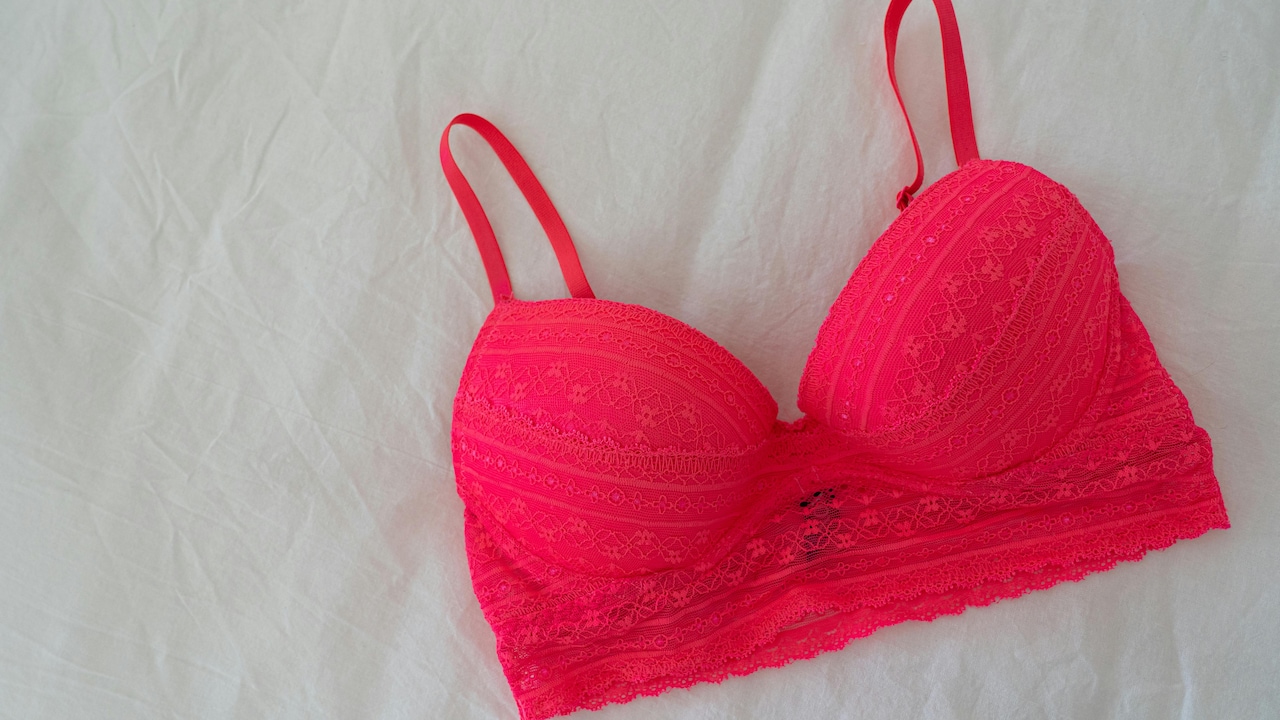
How To Pick Padded Sports Bras That Offer Support Without Tight Compression
Photo Credit: Pexels
Balance Budget With Long-Term Comfort
Sports bras come in a wide price range. While budget options around ₹500 may seem attractive, extremely low prices sometimes indicate lower fabric quality or weaker stitching.
Mid-range options between ₹1,000 and ₹2,500 often provide better durability and comfort. These bras usually incorporate stronger elastic bands, breathable fabrics, and improved stitching.
However, expensive does not always mean better. Some premium brands charge higher prices mainly for design and branding rather than functional benefits.
Trying different styles helps identify what works best for the body. A slightly higher investment in a comfortable bra often proves worthwhile because it lasts longer and improves the workout experience.
Think of it as an investment in comfort. When clothing supports movement and prevents irritation, exercise becomes more enjoyable and consistent.
Products Related To This Article
1. DressBerry Grey Melange Solid Non-Wired Non Padded Sports Bra DB-TS-BRA
2. Decathlon DOMYOS - Women Black Low Support Padded Sports Bra
3. Puma Womens Longline Padded Sports Bra
4. Amante Black Solid Non-Wired Lightly Padded Sports Bra ABR17115
5. Friskers Women Pack Of 2 Full Coverage Lightly Padded Sports Bra
A padded sports bra should feel supportive yet liberating. It should stabilise movement without turning the ribcage into a tightly wrapped package. Achieving that balance requires attention to several subtle details: padding type, breathable fabrics, band fit, strap design, and overall flexibility.
When these elements work together, the result feels almost effortless. The bra stays secure during workouts while allowing the body to breathe and move naturally. No constant adjustments, no uncomfortable squeezing, and no distractions during exercise.
Selecting the right padded sports bra may take a little patience in the fitting room, but the reward appears during every workout that follows. Comfortable support encourages confidence, better posture, and smoother movement.
And sometimes, the best sports bra is the one barely noticed once the workout begins, quietly doing its job while the body focuses on the rhythm of movement.
(Disclaimer: This article may include references to or features of products and services made available through affiliate marketing campaigns. NDTV Convergence Limited (“NDTV”) strives to maintain editorial independence while participating in such campaigns. NDTV does not assume responsibility for the performance or claims of any featured products or services.)