Are Pointed-Toe Heels Causing Toe Cramming Because Of Poor Sizing Or Bad Design?
Pointed-toe heels look elegant, but often leave toes cramped and sore. Is the issue poor sizing or flawed design? A closer look reveals why style and comfort rarely meet in this footwear classic.
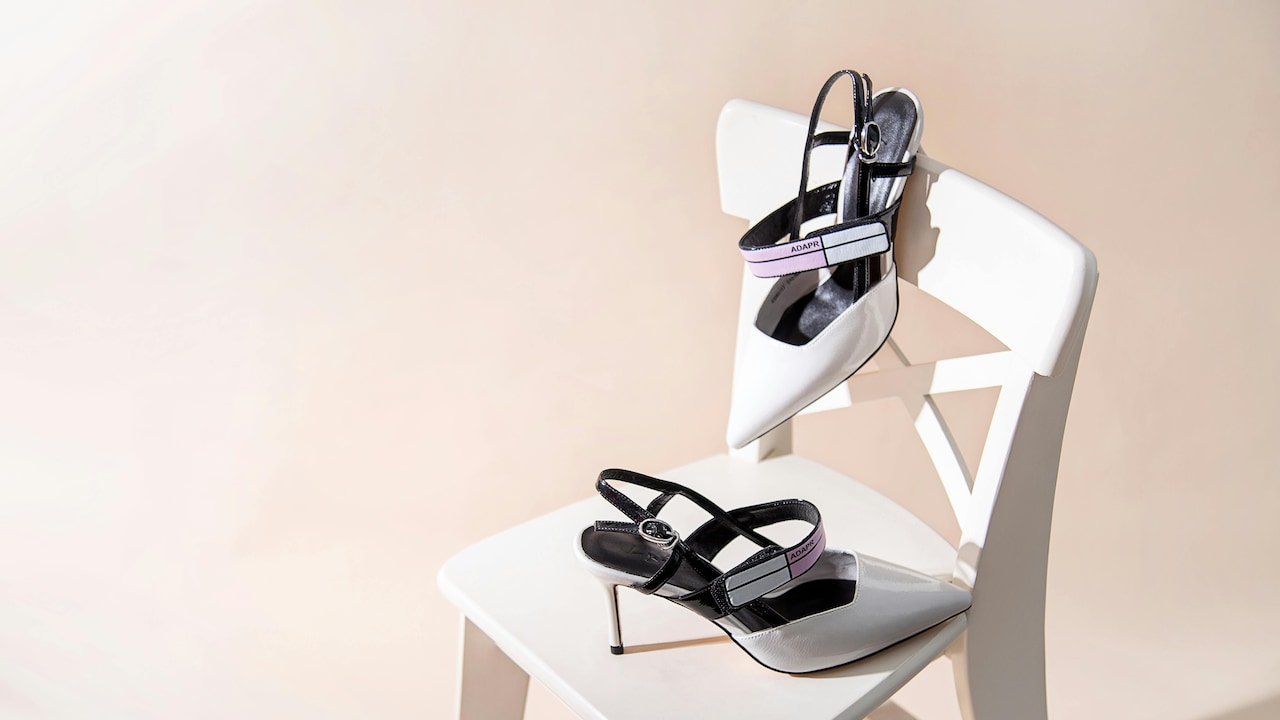
Are Pointed-Toe Heels Causing Toe Pain? Here We Explain Sizing Mistakes Vs Design Flaws.
A pair of pointed-toe heels can transform an outfit instantly. Whether it's a boardroom meeting, a wedding reception, or a festive dinner, they carry an air of confidence that few other styles match. Yet, by the end of the evening, many find themselves discreetly slipping off their shoes under the table, flexing sore toes, or silently vowing never to wear them again.
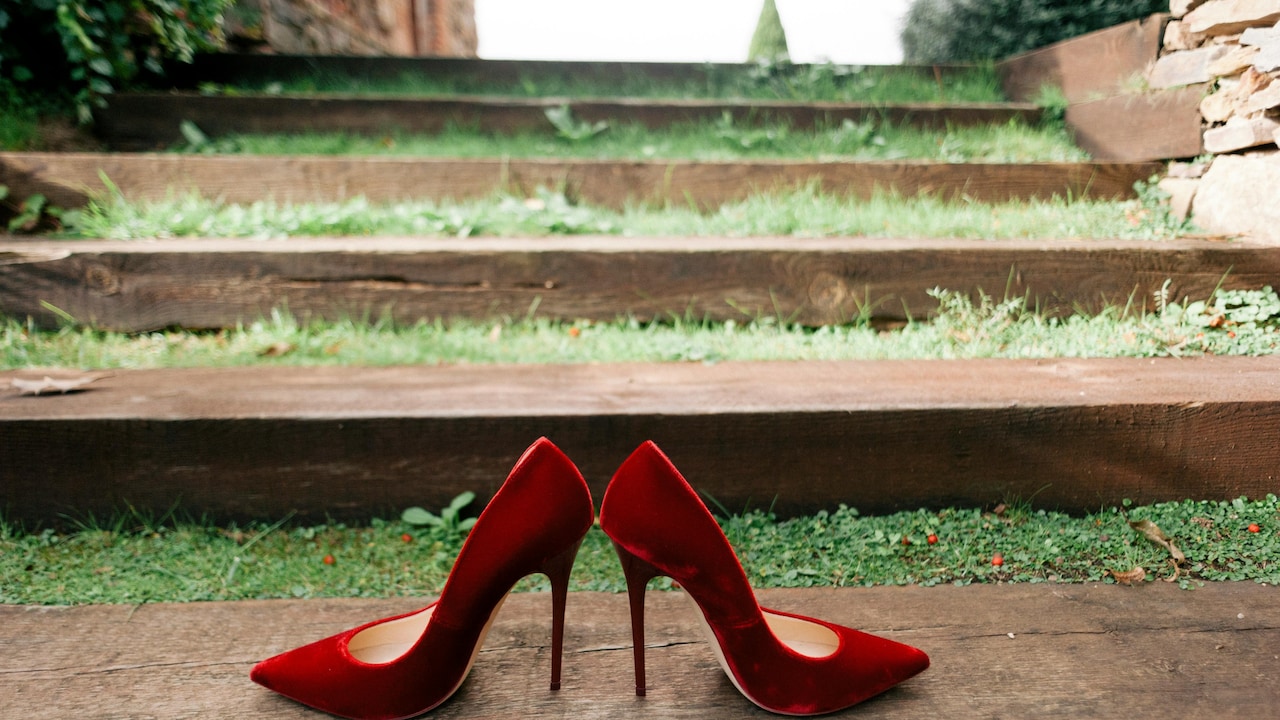
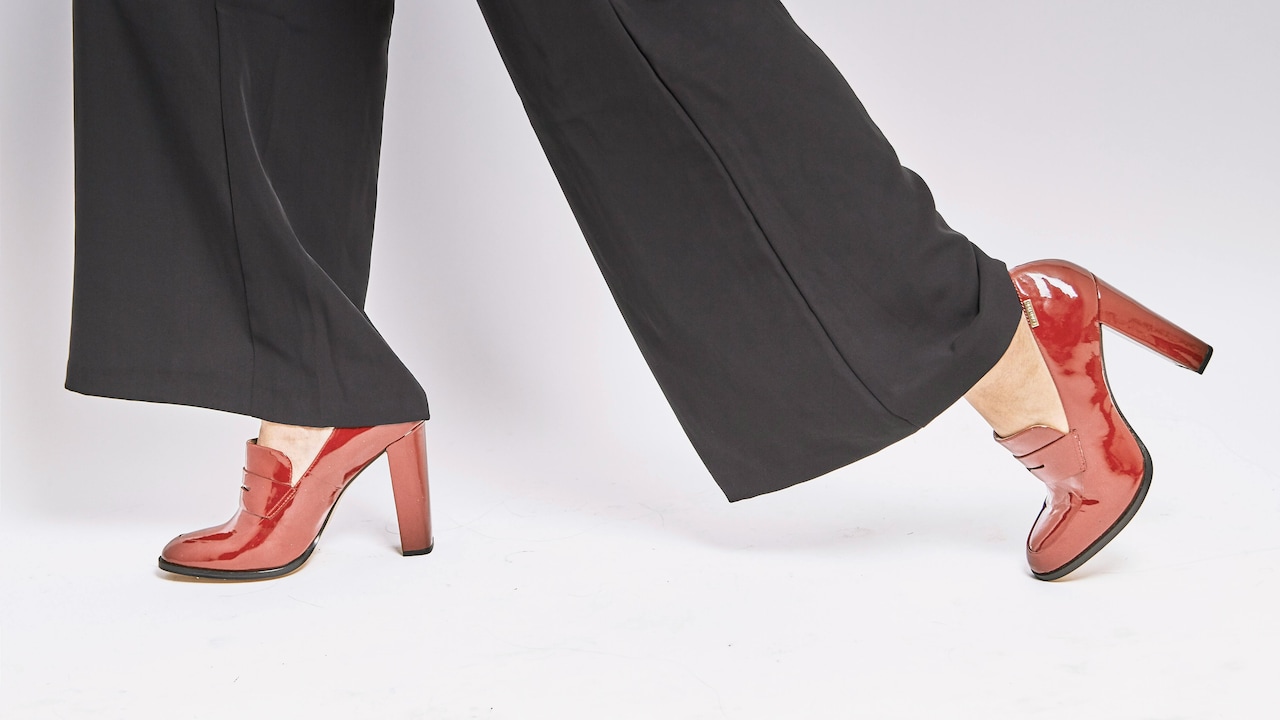
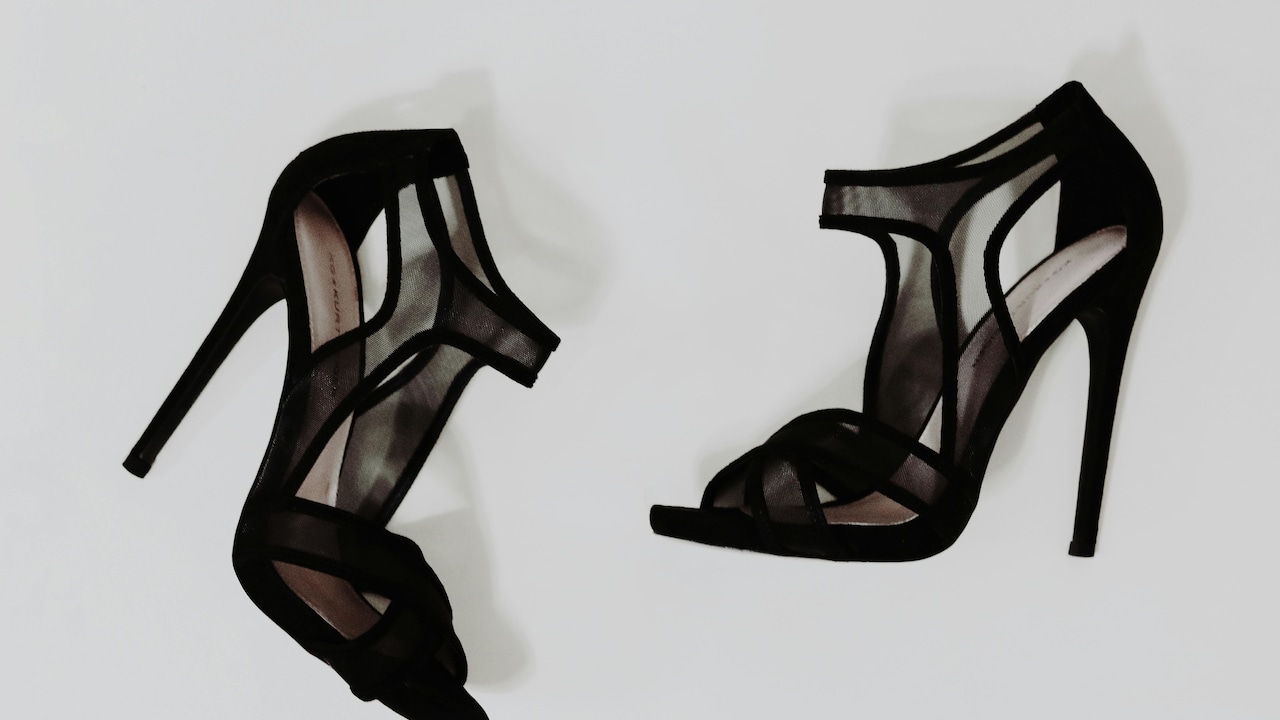
Why do pointed heels hurt; Photo Credit: Pexels
Toe cramming has become a familiar grievance. Some blame incorrect sizing, choosing style over fit, or buying a half-size too small during a tempting ₹2,999 sale. Others argue the issue runs deeper, pointing fingers at the design itself. After all, how natural can it be to compress five toes into a narrow tip?
The truth sits somewhere in between. Footwear choices reflect habits, expectations, and social pressures, while design trends often prioritise aesthetics over anatomy. Understanding this balance offers more than comfort; it helps reshape how style and wellbeing coexist.
Also Read: Best Budget Peephole Heels Under ₹1500 That Look Designer
Unpacking The Real Reasons Behind Toe Discomfort
The Allure Of Pointed-Toe Heels
There's something undeniably striking about pointed-toe heels. They elongate the leg, sharpen the silhouette, and add a refined edge to even the simplest outfit. Fashion culture has embraced them for decades, from corporate corridors to festive gatherings.
The appeal often begins early. A first pair might feel like a rite of passage—sleek, grown-up, and slightly intimidating. Over time, they become a wardrobe staple, especially for those navigating professional spaces where appearance still carries weight.
Yet this elegance comes with compromise. The pointed shape, while visually slimming, narrows dramatically at the front. This design leaves little room for natural toe spread, forcing toes into positions they wouldn't normally occupy. Still, many accept this discomfort as part of the package, much like enduring humid evenings in heavy festive wear.
Fashion's pull is strong. When a pair promises confidence and compliments, discomfort often takes a back seat—at least until the walk home reminds otherwise.
Understanding Toe Anatomy And Natural Space
To grasp why toe cramming happens, it helps to consider how feet naturally function. Toes are not meant to sit tightly packed. They spread slightly when walking, helping balance weight and maintain stability.
Each toe plays a role. The big toe anchors movement, while the smaller toes assist with balance and grip. When confined, this natural coordination gets disrupted. Pressure builds, leading to discomfort that ranges from mild irritation to sharp pain.
The human foot also expands during the day. Heat, activity, and standing for long hours cause slight swelling. That snug fit in the morning can feel restrictive by evening, especially in warmer climates where swelling tends to be more noticeable.
Ignoring this natural behaviour creates a mismatch between design and biology. Shoes that fail to accommodate these subtle changes inevitably lead to cramping. Understanding this basic anatomy sheds light on why even the most stylish heels can feel unforgiving after a few hours.
The Role Of Incorrect Sizing Choices
Sizing plays a significant role in toe discomfort. Many buyers unknowingly choose the wrong size, influenced by brand variations, sale pressure, or the hope that shoes will “stretch with time”.
A common mistake involves opting for a smaller size to achieve a snug, elegant fit. While it may look better initially, this decision often leads to excessive pressure at the toe box. Conversely, choosing a larger size without considering width can cause sliding, pushing toes forward into the narrow tip.
Footwear shopping habits also contribute. Trying shoes briefly in a showroom rarely reflects real-world conditions. Standing under bright lights for five minutes does not replicate hours of walking through crowded streets or attending long events.
Price tags influence decisions, too. A discounted pair at ₹1,999 may seem irresistible, leading to compromises in fit. Over time, these small choices accumulate, reinforcing discomfort as an unavoidable part of fashion.
Sizing, while seemingly simple, requires attention to detail. Ignoring it often turns a stylish purchase into a painful experience.
When Design Prioritises Style Over Comfort
While sizing matters, design cannot escape scrutiny. Pointed-toe heels are crafted primarily for visual appeal. The sharp taper at the front creates a sleek line but often sacrifices space where it matters most.
Designers face a constant tension between aesthetics and practicality. A wider toe box might offer comfort, but could dilute the signature look that defines the style. As a result, many designs lean towards form rather than function.
Materials further complicate the issue. Stiff leather or synthetic fabrics limit flexibility, preventing the shoe from adapting to the foot's natural shape. Even premium pairs priced at ₹5,000 or more can feel rigid if design ignores ergonomics.
Heel height adds another layer. As the heel rises, body weight shifts forward, increasing pressure on the toes. In a pointed design, this pressure concentrates in an already narrow space, intensifying discomfort.
Design choices, therefore, play a crucial role. When aesthetics dominate, comfort often becomes an afterthought, leaving wearers to manage the consequences.
The Impact Of Cultural And Social Expectations
Footwear choices rarely exist in isolation. Social settings often dictate what feels appropriate, influencing decisions in subtle yet powerful ways.
Formal occasions, workplace norms, and celebrations often come with unspoken dress codes. Pointed-toe heels frequently fit these expectations, symbolising polish and professionalism. Choosing comfort over style may sometimes feel like breaking an invisible rule.
This pressure can lead to compromises. Enduring discomfort becomes part of meeting expectations, whether it's standing through long ceremonies or navigating crowded events. Conversations around footwear rarely prioritise comfort, focusing instead on appearance.
Cultural narratives also romanticise endurance. There's a quiet admiration for those who manage long hours in heels without complaint. This mindset normalises discomfort, making it seem like a necessary trade-off.
Such expectations shape behaviour over time. When style consistently outweighs comfort, issues like toe cramming become widespread, accepted rather than questioned.
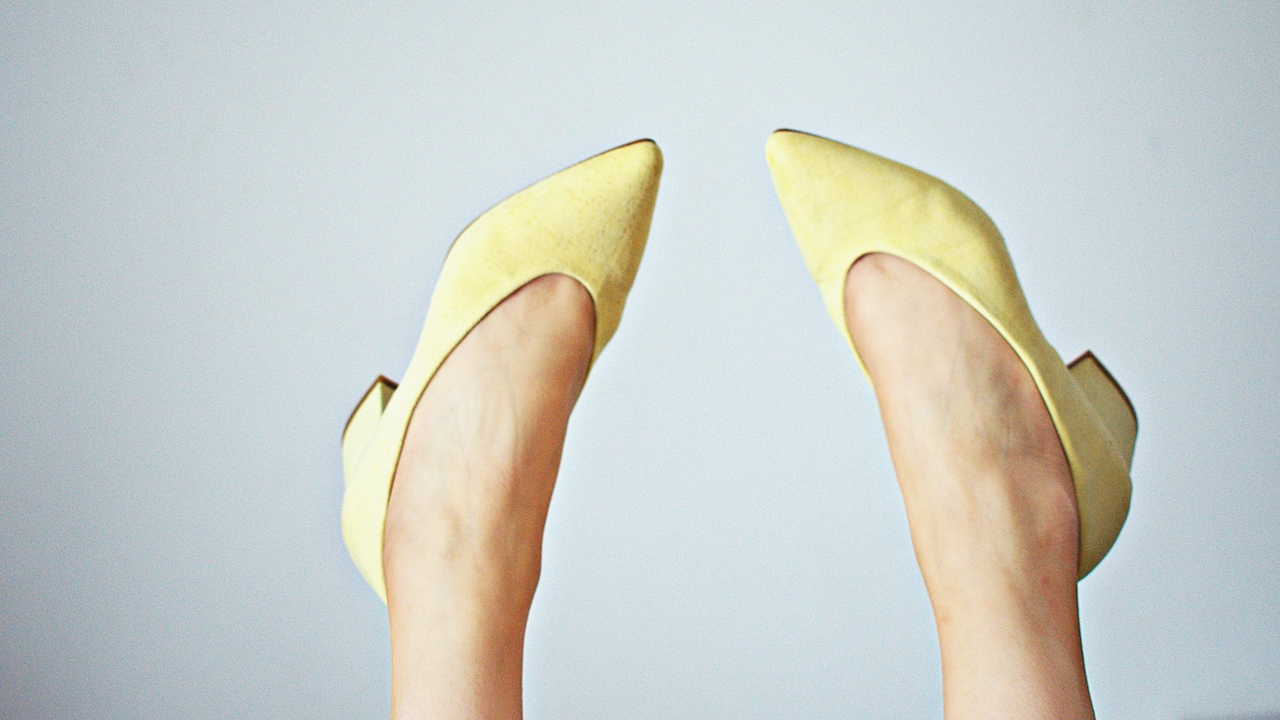
Top reasons for foot pain in pointed heels; Photo Credit: Pexels
How Foot Shape Influences The Experience
Not all feet respond to pointed-toe heels in the same way. Foot shape varies significantly, affecting how a shoe fits and feels.
Some individuals have wider forefeet, making narrow designs particularly challenging. Others may have longer toes or unique arch structures that alter pressure distribution. These variations mean a design that feels manageable for one person can be uncomfortable for another.
Standard sizing systems often fail to capture these nuances. Shoes labelled with the same size may differ in width, depth, and overall structure. Without options that cater to diverse foot shapes, many end up adjusting to the shoe rather than the other way around.
This mismatch often goes unnoticed during purchase. It becomes evident only after prolonged wear, when pressure points emerge, and discomfort intensifies.
Recognising individual foot characteristics is essential. It highlights that toe cramming is not solely about sizing or design but also about how well a shoe accommodates natural diversity.
The Hidden Consequences Of Toe Cramming
Beyond immediate discomfort, prolonged toe cramming can lead to more serious issues. Conditions such as bunions, corns, and calluses often develop from sustained pressure and friction.
These problems may start subtly, a slight redness or mild ache, but can escalate over time. Ignoring early signs often results in chronic discomfort that affects daily activities, not just occasional outings.
Posture also suffers. When toes are cramped, balance shifts, causing strain on the ankles, knees, and even the lower back. This chain reaction highlights how a small design issue can influence overall body alignment.
The financial impact can add up too. Spending ₹3,000 on a pair that causes discomfort often leads to additional costs—orthopaedic consultations, foot care products, or replacement footwear.
Understanding these consequences encourages a more thoughtful approach. Footwear should support long-term health, not compromise it for short-term style.
Material Matters More Than Expected
The choice of material significantly affects comfort. Soft, flexible materials tend to adapt better to the foot, reducing pressure points. In contrast, rigid materials restrict movement, intensifying cramping.
Leather often performs better due to its ability to mould over time. However, not all leather is equal. Lower-quality variants may remain stiff, offering little relief. Synthetic options, while affordable, often lack breathability and flexibility.
Padding and lining also play a role. A well-cushioned interior can distribute pressure more evenly, making a noticeable difference during extended wear. Even small details, such as seam placement, can influence comfort.
Price does not always guarantee quality. A ₹4,500 pair might still feel uncomfortable if materials are poorly chosen. Conversely, a thoughtfully designed ₹2,200 pair can offer surprising comfort.
Material choices, therefore, deserve attention. They bridge the gap between design and wearability, shaping the overall experience.
Can Better Design Solve The Problem?
Design innovation offers hope. Some brands have begun experimenting with wider toe boxes, ergonomic shapes, and adaptive materials without compromising style.
Subtle adjustments can make a significant difference. A slightly rounded interior within a pointed exterior can provide more room for toes. Strategic cushioning and improved weight distribution can reduce pressure.
Technology also plays a role. Advanced manufacturing techniques allow for more precise shaping, catering to different foot types. Customisation, though still limited, is gradually gaining traction.
However, widespread adoption remains a challenge. Market demand often prioritises traditional aesthetics, making radical design changes risky for brands.
Still, progress is visible. As awareness grows, more consumers seek comfort alongside style, encouraging designers to rethink conventional approaches.
Better design alone may not eliminate toe cramming, but it can certainly reduce its impact, making pointed-toe heels more wearable.
Practical Ways To Reduce Toe Discomfort
While design and sizing evolve, practical steps can ease discomfort. Choosing the right size remains fundamental, but timing also matters. Trying shoes in the evening, when feet are slightly swollen, offers a more realistic fit.
Using gel inserts or cushioned pads can help distribute pressure. These small additions often make a noticeable difference during long events. Opting for slightly lower heels can also reduce forward pressure on the toes.
Rotating footwear is another simple yet effective strategy. Wearing pointed-toe heels occasionally rather than daily allows feet to recover, minimising long-term impact.
Stretching shoes professionally can create additional space, though results vary depending on the material. Paying attention to early signs of discomfort and addressing them promptly prevents more serious issues.
These adjustments may seem minor, but they collectively improve the experience, allowing style and comfort to coexist more harmoniously.
Products Related To This Article
1. Hitway Women Heels Sandal
2. DELY BELY Women Heels Sandal
3. Diva looks Women Heels Sandal (Maroon , 5)
4. Froh Feet Women Heels Sandal
5. SHOETOPIA Women Heels Sandal
The question of whether toe cramming stems from poor sizing or flawed design does not have a single answer. Both factors intertwine, shaped further by individual foot structure, material choices, and social expectations.
Pointed-toe heels, for all their elegance, demand a careful balance. Ignoring fit leads to immediate discomfort, while overlooking design flaws creates long-term issues. Add to this the influence of cultural norms and personal habits, and the picture becomes even more complex.
Yet change is underway. Growing awareness encourages more thoughtful choices, from selecting better-fitting pairs to supporting brands that prioritise comfort. Small shifts in design and behaviour can transform the experience, making style less of a sacrifice.
Ultimately, fashion should not come at the cost of well-being. A pair of heels should enhance confidence, not undermine comfort. When that balance is achieved, the appeal of pointed-toe heels becomes not just visual, but truly wearable.
(Disclaimer: This article may include references to or features of products and services made available through affiliate marketing campaigns. NDTV Convergence Limited (“NDTV”) strives to maintain editorial independence while participating in such campaigns. NDTV does not assume responsibility for the performance or claims of any featured products or services.)