How To Stop Sunglasses From Leaving Red Nose Marks: A Complete Fit Guide
Tired of red nose marks from sunglasses? The problem is usually a poor fit. This guide shows how to choose the right frames and make simple adjustments for all-day comfort without sacrificing style.
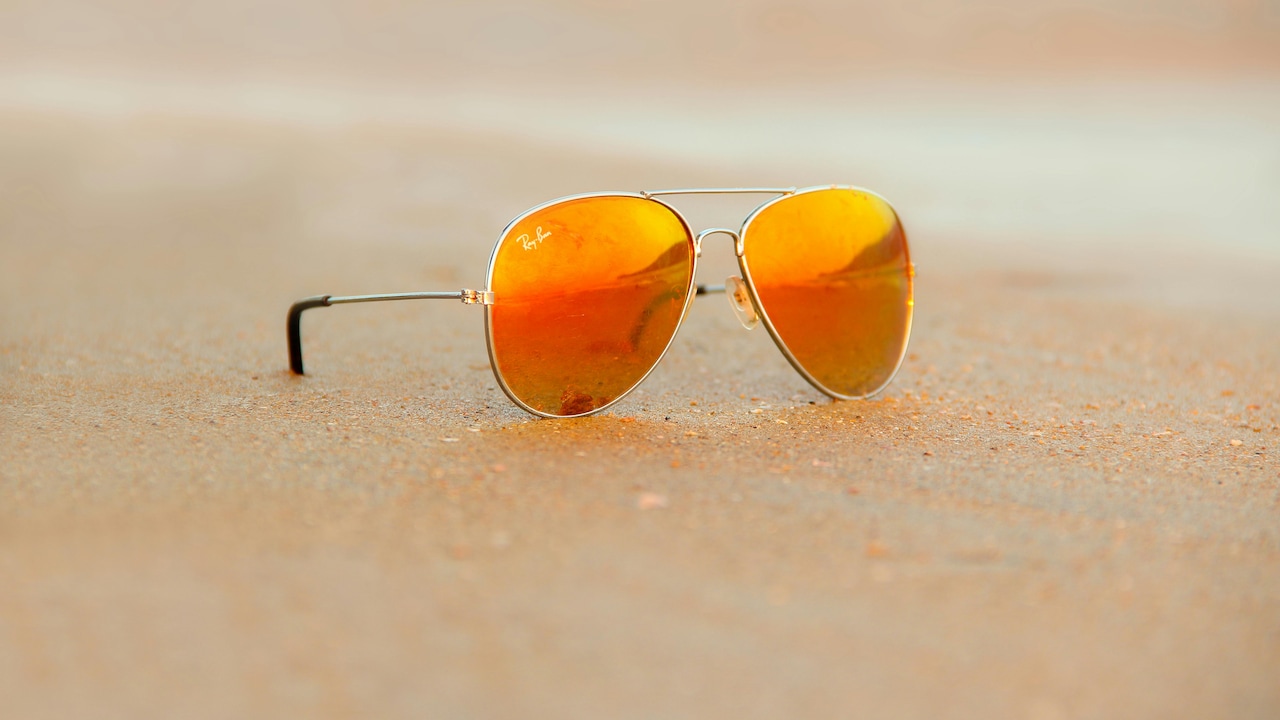
Stop Your Sunglasses From Leaving Red Nose Marks By Following This Frame Fit Guide.
A pair of sunglasses can transform a look instantly. They add polish, protect the eyes, and carry a certain effortless charm. Yet, many people know the small annoyance that follows a long day outdoors, the faint red imprint across the bridge of the nose. It may seem minor, but it speaks volumes about how well those frames truly fit.
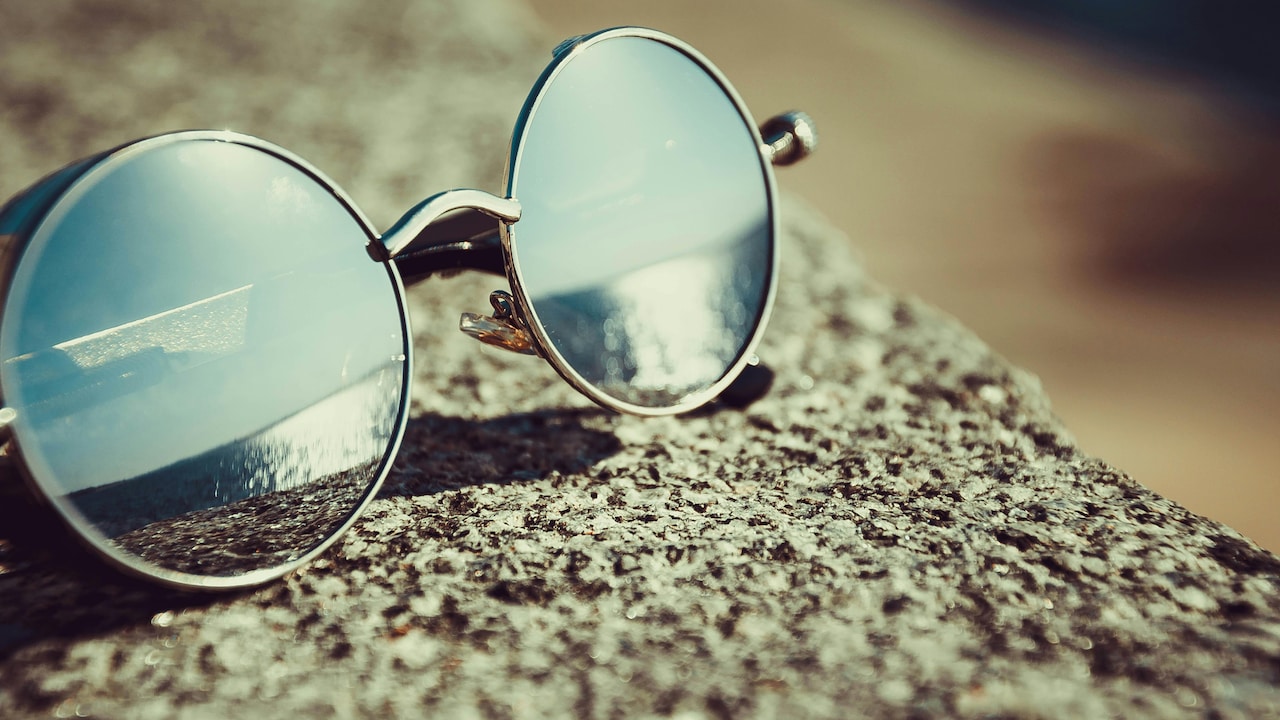
How to prevent sunglasses from leaving red marks on nose; Photo Credit: Pexels
In a climate where the sun rarely takes a day off, sunglasses are not just an accessory; they are a daily companion. From morning commutes to weekend outings, they rest on their faces for hours. That makes comfort just as important as style. The good news is that those stubborn red marks are not inevitable. With the right fit and a few thoughtful adjustments, sunglasses can feel almost weightless.
This guide explores practical, easy-to-follow ways to prevent those marks while keeping style intact. Think of it as a small upgrade to everyday comfort, one that makes a noticeable difference.
Also Read: Sun Out, Shades On: Stylish Sunglasses For Every Look
Simple Ways To Keep Your Sunglasses Comfortable All Day
Understand Why Red Nose Marks Happen
Red nose marks often result from a simple mismatch between frame design and face structure. When sunglasses press too tightly against the bridge of the nose, they restrict blood flow slightly. Over time, this pressure creates visible indentations and redness.
Weight also plays a role. Heavier frames, especially those with thick lenses or metal construction, tend to rest more heavily on the nose. If the nose pads are not well-designed or properly aligned, the pressure becomes concentrated in a small area. That is when discomfort begins to show.
Weather conditions add another layer. Heat and humidity increase sweat, making frames slip and slide. To compensate, people unconsciously push them back into place, increasing friction and pressure. It becomes a cycle that ends with marks that linger longer than expected.
Understanding this root cause is essential. Once the problem is clear, the solution becomes less about trial and error and more about choosing wisely. Comfort begins with awareness, and in this case, a small shift in understanding can prevent a daily irritation.
Choose The Right Frame Size For Your Face
Frame size is not just about aesthetics; it directly affects comfort. Oversized sunglasses may look dramatic and stylish, but if they are too large for the face, they often slide down. That constant slipping leads to frequent adjustments, increasing pressure on the nose.
On the other hand, frames that are too small can pinch. They grip tightly around the temples and rest heavily on the nose bridge. This tightness may feel secure at first, but quickly becomes uncomfortable during extended wear.
A well-fitted frame should sit evenly without sliding or squeezing. It should feel stable when walking or bending slightly forward. When trying on sunglasses, a simple test helps: wear them for a few minutes and notice any pressure points. Even a slight discomfort can become significant over hours.
Many eyewear stores now offer sizing guides, and investing time in finding the right size makes a noticeable difference. A well-sized frame does not demand attention; it simply sits comfortably, almost unnoticed.
Pay Attention To Nose Pad Design
Nose pads may seem like a minor detail, but they play a crucial role in comfort. Poorly designed or hard nose pads concentrate pressure in a small area, leading to those familiar red marks.
Softer silicone pads distribute weight more evenly. They adapt slightly to the shape of the nose, reducing pressure points. Adjustable nose pads offer even more flexibility, allowing subtle tweaks to achieve the perfect fit.
Plastic frames often come without separate nose pads, relying on the frame itself to rest on the nose. In such cases, the shape of the bridge becomes critical. A poorly contoured bridge can create uneven pressure.
A quick adjustment by an optician can make a significant difference. Even a slight repositioning of nose pads can transform how the sunglasses feel. It is a small step, but one that often gets overlooked.
Comfort often hides in these small details. Paying attention to them ensures that sunglasses feel as good as they look.
Opt For Lightweight Materials
Material choice influences more than style. It directly affects how sunglasses feel throughout the day. Heavier frames tend to press down on the nose, especially during long wear.
Lightweight materials such as acetate or certain modern polymers offer a comfortable alternative. They reduce the overall load on the face without compromising durability. Even metal frames now come in lighter variations that balance strength and comfort.
Spending ₹2,000 to ₹4,000 on a well-made lightweight pair can often feel more comfortable than a heavier, cheaper option. It is an investment that pays off in daily ease.
Light frames also adapt better to movement. They stay in place without needing constant adjustment, reducing friction on the nose. Over time, this small advantage becomes a noticeable improvement in comfort.
Choosing lightweight sunglasses is not just about avoiding marks; it is about making everyday wear feel effortless.
Ensure Proper Bridge Fit
The bridge of the sunglasses must match the natural shape of the nose. This is one of the most overlooked aspects of choosing eyewear. A mismatch here leads directly to discomfort.
A narrow bridge on a wider nose causes pinching. A wider bridge on a narrow nose leads to slipping. Both scenarios create pressure points that result in marks.
Trying different bridge styles helps identify what works best. Some frames sit higher, while others rest lower on the nose. The goal is to find a position where the frame feels stable without pressing too hard.
A good bridge fit distributes weight evenly. It allows the sunglasses to sit naturally, without constant adjustment. When the bridge fits well, the entire frame feels balanced.
This balance reduces strain and prevents marks from forming. It is a simple adjustment with a significant impact on comfort.
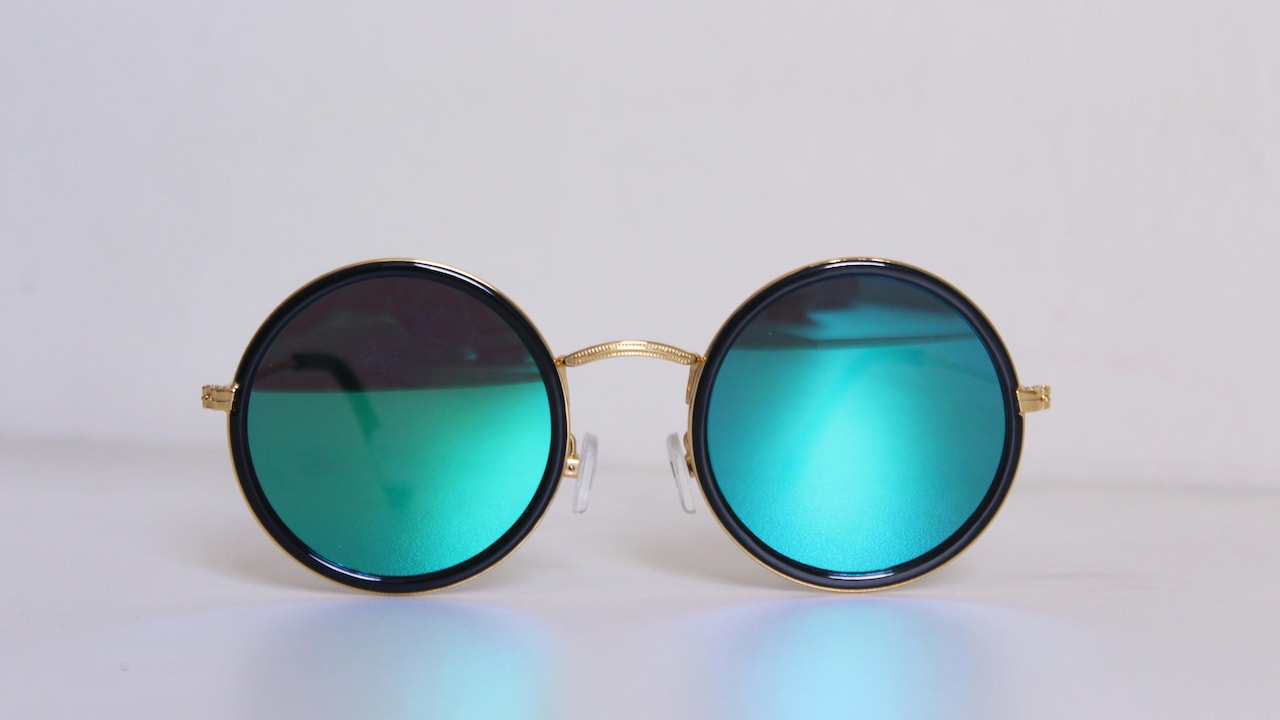
Ensure that the sunglasses provide a snug fit; Photo Credit: Pexels
Adjust Your Frames Regularly
Even the best sunglasses may need occasional adjustments. Over time, frames can shift slightly due to daily wear. This subtle change can alter how they sit on the face.
Visiting an optician for periodic adjustments helps maintain the original fit. A quick tweak, often done in minutes, can restore comfort. Many stores offer this service at no cost.
At home, small adjustments can also help. Gently bending the arms or repositioning nose pads can improve fit. However, care is essential to avoid damaging the frame.
Regular adjustments ensure that sunglasses continue to sit comfortably. They prevent the gradual buildup of pressure that leads to marks.
It is a simple habit that keeps sunglasses feeling new and comfortable, even after months of use.
Keep Your Skin And Frames Clean
Cleanliness plays a surprisingly important role in comfort. Sweat, oil, and dust accumulate on both the skin and the frames. This buildup increases friction, making sunglasses more likely to cause marks.
Regularly cleaning nose pads and frames removes this residue. A simple wipe with a soft cloth or mild cleanser keeps them fresh. Clean frames glide more smoothly on the skin.
Skin care also matters. Keeping the nose area clean and moisturised reduces irritation. However, overly oily skin can cause slipping, so balance is key.
During hot days, a quick wipe can make a noticeable difference. It reduces both friction and pressure, helping prevent marks.
This small routine adds to overall comfort. It ensures that sunglasses feel pleasant, even during long hours outdoors.
Avoid Wearing Sunglasses Too Tight
A tight fit may feel secure, but it often leads to discomfort. Sunglasses that grip too firmly around the temples push the frame down onto the nose. This added pressure creates marks over time.
The ideal fit should feel stable yet relaxed. The arms should rest comfortably without squeezing. If removing the sunglasses leaves noticeable pressure marks on the sides of the head, they are likely too tight.
Adjusting the arms slightly can ease this pressure. An optician can make these changes quickly and safely. It is a simple fix that improves comfort significantly.
A relaxed fit allows the sunglasses to sit naturally. It reduces strain on the nose and prevents marks from forming.
Comfort should never be sacrificed for a snug fit. The right balance ensures both stability and ease.
Take Breaks During Extended Wear
Even perfectly fitted sunglasses can cause marks if worn continuously for long hours. The skin needs occasional relief from constant pressure.
Taking short breaks allows the nose to recover. Removing sunglasses for a few minutes every hour can prevent marks from forming. It also gives the eyes a brief rest.
This habit is especially useful during long drives or outdoor events. A quick pause can make a noticeable difference in comfort.
Breaks also help identify any discomfort early. If a slight pressure is noticed, adjustments can be made before it becomes a problem.
It is a simple practice that adds to overall comfort. Small pauses ensure that sunglasses remain a pleasure to wear, not a source of irritation.
Invest In Quality Over Trends
Trendy sunglasses often prioritise style over comfort. While they may look appealing, they do not always offer the best fit. Poorly designed frames can lead to discomfort and marks.
Investing in a well-crafted pair ensures better materials, design, and fit. A quality pair may cost more initially, perhaps around ₹3,000 to ₹8,000, but it offers long-term comfort and durability.
Good sunglasses balance style and function. They sit comfortably, stay in place, and protect the eyes effectively. Over time, they prove more reliable than cheaper alternatives.
Choosing quality does not mean sacrificing style. It means selecting frames that feel as good as they look.
A thoughtful purchase leads to a better everyday experience. It turns sunglasses into a reliable companion rather than a source of annoyance.
Products Related To This Article
1. VINCENT CHASE by Lenskart UV Protection Rectangular Sunglasses (53
2. STYLISH GUYS UV Protection, Night Vision, Polarized Aviator, Rectangular, Wayfarer
3. Fastrack UV Protection Wayfarer Sunglasses (Free Size) (For Men, Blue)
4. VOYAGE UV Protection Round Sunglasses (51) (For Men & Women, Black, Silver)
5. Fastrack UV Protection Wayfarer Sunglasses (54) (For Men, Green)
Sunglasses should enhance comfort, not compromise it. Those small red marks on the nose may seem trivial, but they often indicate a deeper issue with fit or design. Addressing them transforms the experience of wearing sunglasses.
From choosing the right size and material to making small adjustments and maintaining cleanliness, each step contributes to overall comfort. These changes are simple yet effective. They ensure that sunglasses sit naturally, without pressure or irritation.
Comfort and style can coexist. With the right approach, sunglasses become more than just an accessory, they become an effortless part of daily life.
A well-fitted pair does not demand attention. It simply works, allowing the focus to remain on the day ahead, not on the marks left behind.
(Disclaimer: This article may include references to or features of products and services made available through affiliate marketing campaigns. NDTV Convergence Limited (“NDTV”) strives to maintain editorial independence while participating in such campaigns. NDTV does not assume responsibility for the performance or claims of any featured products or services.)