Are Thermals Safe For Kids? What Parents Must Check Before Buying
Thermals keep children warm, but not all are safe or suitable. From fabric and fit to breathability and skin safety, heres what parents should check before buying winter thermals for kids. Here is all the important information to know before using thermal wear for kids.
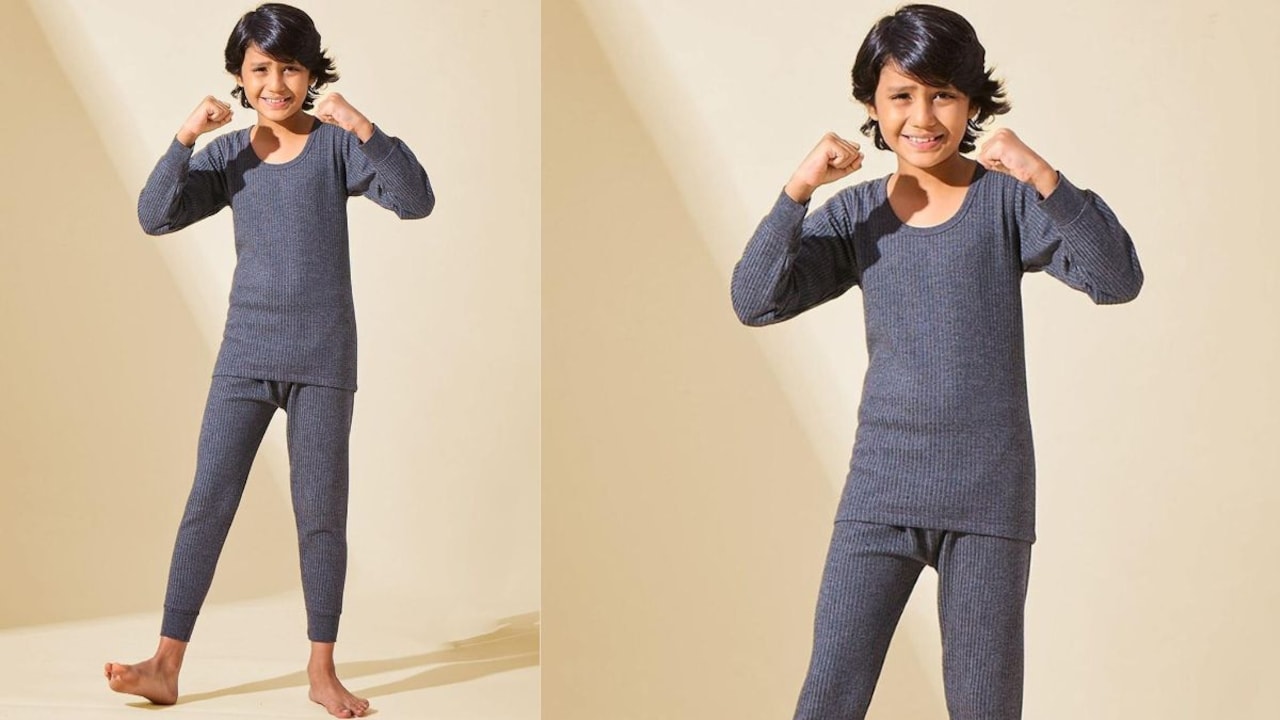
Are Thermals Safe for Kids? A Parents Guide to Choosing the Right Winter Wear.
Winter brings its own rhythm. Steam rises from cups of chai, fog settles on school grounds, and children resist leaving warm blankets. Thermals quietly become a wardrobe staple during this season. Parents often buy them in bulk, sometimes without much thought. A quick look at size, a glance at price, and the purchase feels done. Yet children do not experience cold the same way adults do. Their skin reacts faster, their bodies regulate temperature differently, and discomfort often shows up as irritation or restlessness rather than clear complaints. A thermal that feels fine to an adult may feel itchy, suffocating, or too warm for a child. So, here we answer the question: are thermals safe for kids?
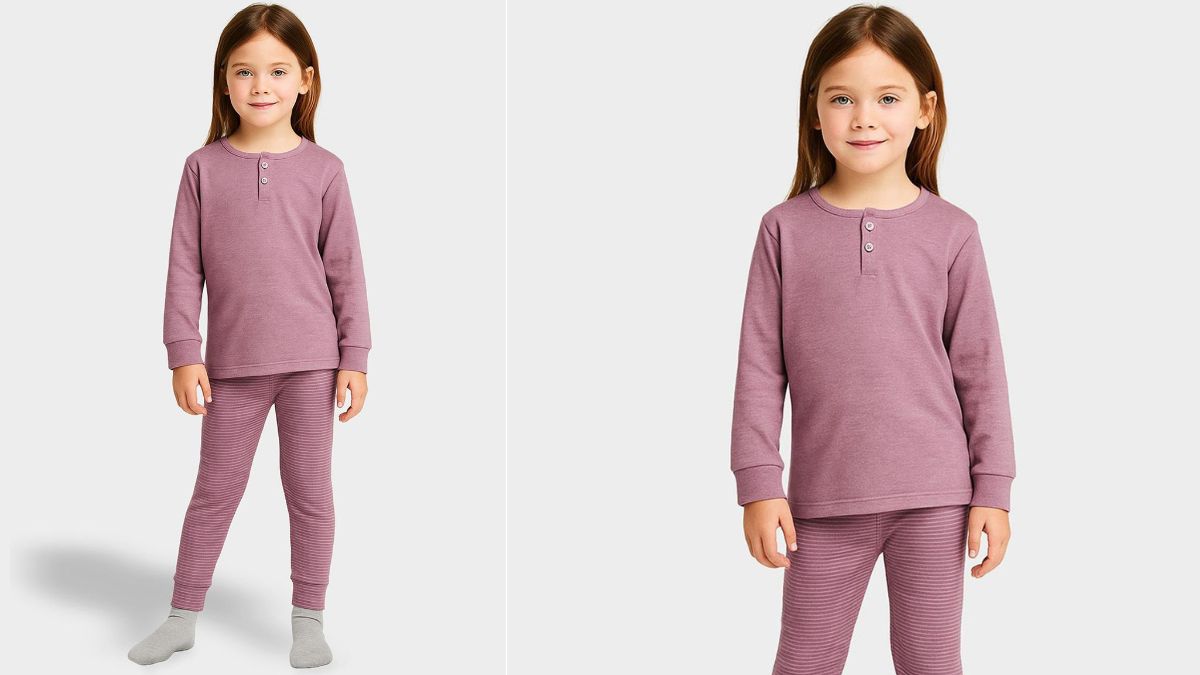
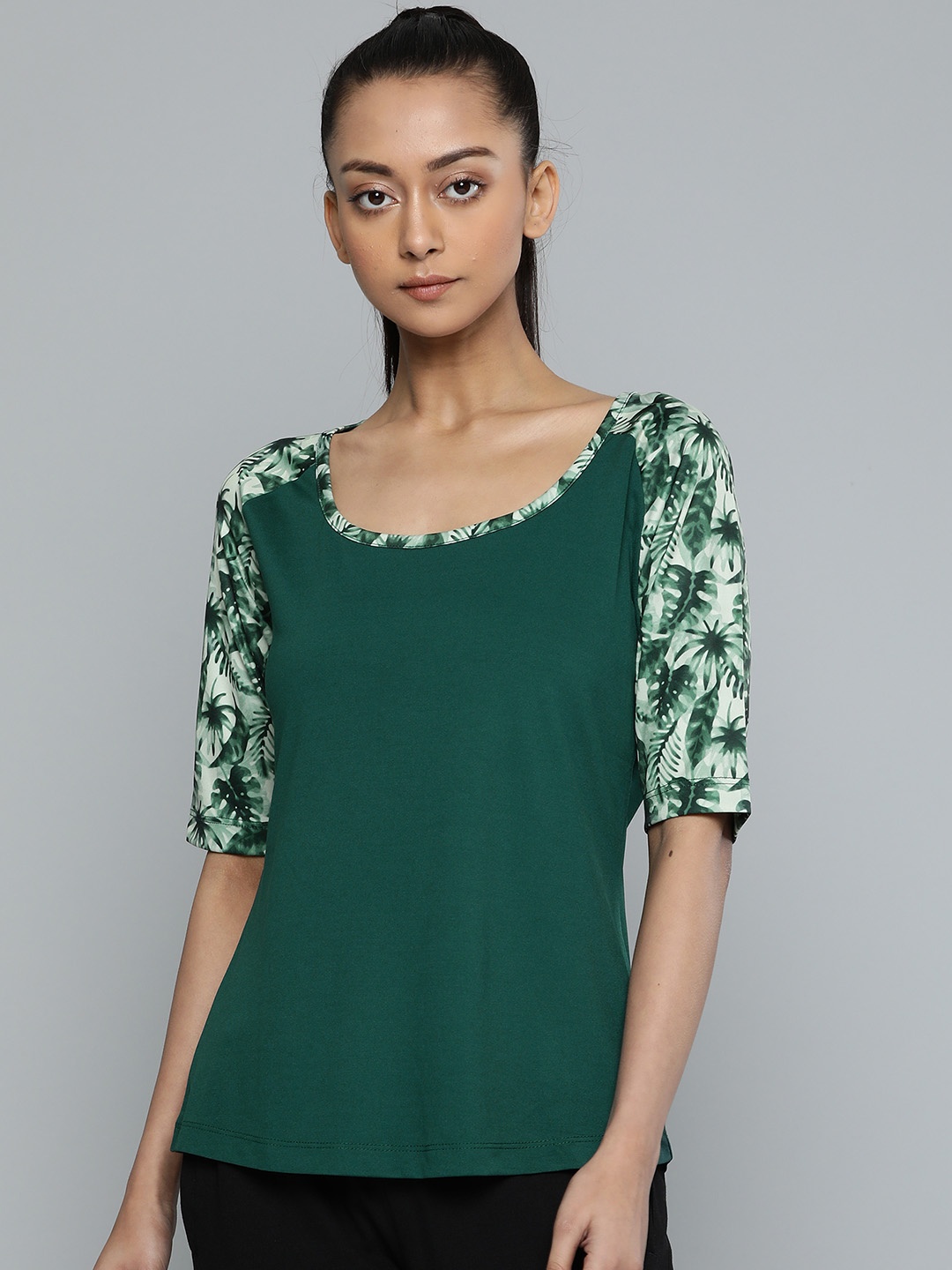
Read the truth about using thermal wear for kids; Photo Credit: Myntra
This article looks beyond brand labels and discounts. It focuses on safety, comfort, and smart choices that help children stay warm without causing trouble. Because winter wear should protect childhood, not complicate it.
Key Checks Parents Must Make When Buying Thermals for Kids
1. Fabric Comes First: Why Material Matters More Than Thickness
Many parents assume thicker thermals mean better warmth. That belief often leads to overheating, rashes, and discomfort. Fabric matters far more than bulk. Children's skin remains delicate, especially during winter when dryness increases.
Cotton-rich thermals work well for daily wear. They breathe, absorb moisture, and reduce the risk of itching. Wool blends offer warmth but may irritate sensitive skin if worn directly. Synthetic fabrics like polyester trap heat effectively, yet they may cause sweating if worn for long hours.
A school day includes assembly, outdoor play, and packed classrooms. Thermals must adapt to these changes. Breathable fabrics help regulate temperature rather than locking heat inside. Always check fabric labels and avoid materials that feel plasticky or stiff.
Softness matters too. A child fidgeting all day because a thermal scratches the skin will focus less on lessons and more on discomfort. Choosing fabric carefully sets the foundation for safety and comfort.
2. Right Fit, Real Comfort: Why Size Makes a Big Difference
Buying thermals one size bigger often feels practical. Children grow fast, and winter wear seems forgiving. However, oversized thermals bunch up, create folds, and rub against skin. That friction leads to redness, especially around the waist, elbows, and knees.
Tight thermals bring another set of problems. Restricted movement affects play, posture, and circulation. Children run, bend, and stretch constantly. Clothing should move with them, not fight against their energy.
The best thermals fit snugly without clinging. They sit smoothly under uniforms or sweaters and allow free movement. Always check stretch quality. A good thermal springs back to its shape after stretching.
If shopping online, rely on detailed size charts rather than age labels. Body shapes vary widely. A well-fitted thermal feels invisible during the day, which is exactly how winter wear should feel.
3. Breathability and Sweat Control: Keeping Colds at Bay
Winter does not stop children from sweating. Running during recess, playing cricket after school, or simply sitting in a crowded classroom raises body temperature. Poor-quality thermals trap sweat, leaving skin damp and cold later.
That cycle increases the risk of chills, coughs, and skin irritation. Breathable thermals manage moisture by allowing sweat to evaporate. Cotton blends perform well here, while advanced fabric mixes offer moisture-wicking benefits.
Parents often notice children removing sweaters repeatedly. That habit often signals discomfort rather than mischief. Thermals that regulate heat reduce this constant layering and de-layering.
Dry skin stays healthier and warmer. A breathable thermal creates a micro-climate that adapts throughout the day. The result feels comfortable during lessons, playtime, and travel. Winter warmth works best when it breathes.
4. Skin Sensitivity and Allergies: Listening to Silent Signals
Children rarely describe irritation clearly. Instead, they scratch, squirm, or complain vaguely. Thermals made with harsh dyes or chemical finishes may trigger reactions, especially on sensitive skin.
Red patches, itching, or small bumps often appear where thermals sit close to skin. Always wash new thermals before first use to remove residual chemicals. Mild detergents help too.
Look for thermals labelled hypoallergenic or made with natural dyes. Flat seams reduce rubbing and prevent marks. Tags stitched inside may irritate the neck or waist. Tagless designs solve this small yet persistent issue.
Parents who notice repeated skin trouble during winter should reconsider thermal choices rather than blaming the weather alone. Comfort leaves clues. Paying attention early prevents bigger problems later.
5. Safety at School and Outdoors: Freedom Without Risk
Children climb, run, and explore without fear. Clothing should support that freedom. Thermals that feel bulky under uniforms may restrict movement or cause overheating during sports periods.
Lightweight thermals suit school hours better than heavy winter layers. They provide warmth without interfering with activity. For outdoor play or hill trips, layering remains safer than relying on one thick garment.
Avoid thermals with loose threads, drawstrings, or decorative elements. These pose risks during play. Simple designs work best for daily use.
Children forget to adjust layers when the temperature changes. Smart thermal choices reduce the need for constant supervision. Safety means allowing children to focus on learning and play, not clothing discomfort.
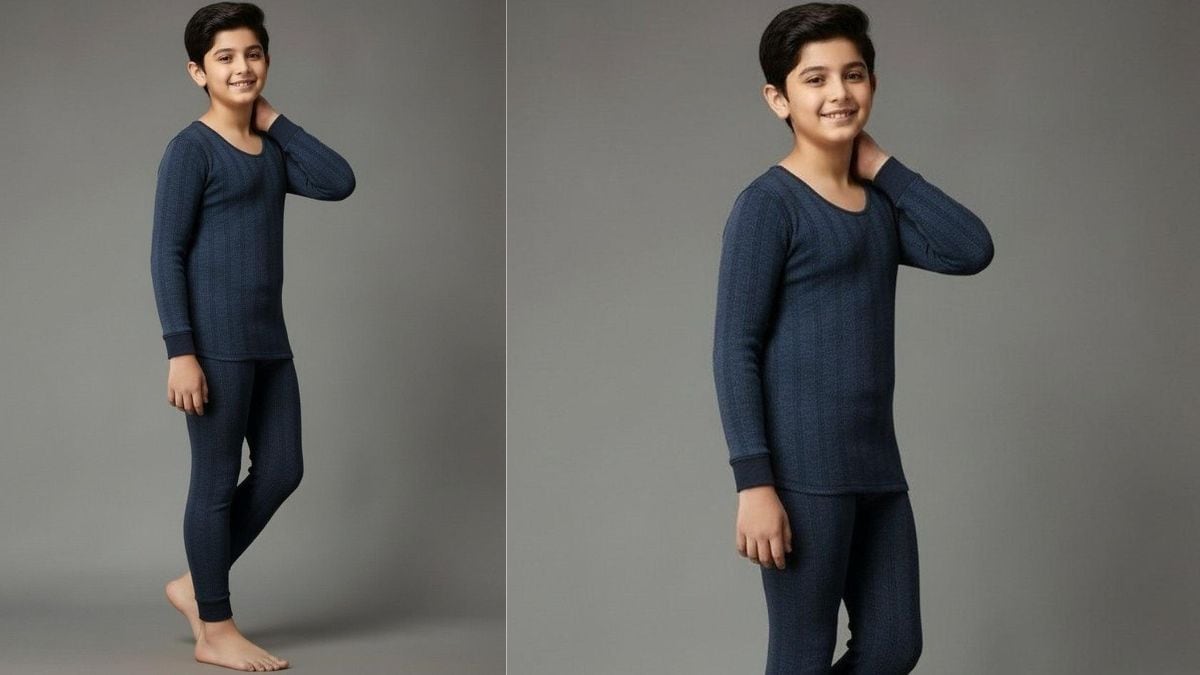
Always choose lightweight thermals that don't restrict movement; Photo Credit: Myntra
6. Temperature Ratings: Choosing According to Climate, Not Trends
Winter temperatures vary widely across regions. A thermal suited for hill stations may feel unbearable in milder cities. Marketing labels often exaggerate warmth levels without clarity.
Parents should consider average daytime temperatures, not just early mornings. A thermal worn for eight hours needs balanced insulation. Too warm causes sweating, too light invites chills.
Medium-weight thermals work well for most school routines. Reserve heavy options for travel or outdoor excursions. Layering offers flexibility as the weather shifts through the day.
Smart choices align with real conditions rather than seasonal hype. Comfort comes from suitability, not maximum warmth.
7. Ease of Dressing: Making Mornings Smoother
Winter mornings already test patience. Thermals that roll up, twist, or feel tight add stress to routines. Children resist clothes that feel uncomfortable from the start.
Elastic waistbands should stretch without digging into skin. Necklines should slide easily over the head. Smooth interiors reduce resistance during dressing.
Independent dressing builds confidence. Easy-to-wear thermals encourage children to dress themselves, saving time and tears. Parents notice calmer mornings when clothing cooperates.
Simple comfort creates smoother routines. When children start the day happy, everything else follows more easily.
8. Washing and Hygiene: Keeping Warm Without Germs
Thermals sit closest to the skin and absorb sweat. Daily washing becomes essential, especially for school-going children. Poor-quality thermals lose shape, pill, or shrink after a few washes.
Durable fabrics maintain softness and elasticity. Always follow care instructions. Avoid harsh detergents and hot water that weaken fibres.
Quick-drying thermals help during busy weeks. Parents juggling laundry appreciate fabrics that dry overnight. Hygiene remains crucial during winter when infections spread easily.
Clean, well-maintained thermals support health and comfort. They also last longer, making them cost-effective.
9. Price vs Value: Spending Wisely, Not Excessively
Winter shopping often stretches budgets. Thermals range widely in price, from roadside bargains to premium brands. Higher cost does not always guarantee better quality.
Value lies in fabric, fit, and durability. A ₹400 thermal that lasts two seasons beats a ₹150 option that loses shape in weeks. Check stitching, elasticity, and softness before buying.
Seasonal sales offer opportunities to invest wisely. Buying one or two high-quality pieces works better than stocking many poor ones.
Smart spending focuses on long-term comfort and health rather than instant savings.
10. Listening to Children: The Most Reliable Test
Children provide honest feedback through behaviour. Complaints, restlessness, or constant adjustments signal discomfort. Parents who listen early prevent winter struggles.
Encourage children to express how clothes feel. Simple questions after school reveal a lot. Comfort supports focus, play, and mood.
A thermal that works well becomes unnoticed. Children forget they wear it. That invisibility marks success.
Trust observations over assumptions. Every child responds differently. Personal comfort always outweighs trends.
Products Related To This Article
1. YK Basics Kids Pack Of 2 Grey & Blue Striped Thermal Set
2. TINY HANDS Kids Solid Round Neck Thermal Set
3. Bodycare Kids Assorted Cotton Thermal Set
4. Charm n Cherish Kids Striped Thermal Set
5. BAESD Kids Pack Of 3 Cotton Round Neck Thermal Set
6. T.T. Kids Girls Round Neck Long Sleeves Thermal Set
7. MiArcus Kids Striped Thermal Set
Thermals play a quiet yet powerful role in winter comfort. They protect children from cold while supporting daily routines. Safety comes from thoughtful choices, not blind habits. When thermals feel comfortable, children stay active, focused and happier through winter days. Parents who pause before buying thermals make winter easier for everyone.
(Disclaimer: This article may include references to or features of products and services made available through affiliate marketing campaigns. NDTV Convergence Limited (“NDTV”) strives to maintain editorial independence while participating in such campaigns. NDTV does not assume responsibility for the performance or claims of any featured products or services.)