The Art Of Wearing Ethnic Wear In Winter Without Compromising On Warmth
Want to style ethnic wear in winter but don't know how to get warmth and comfort? Here are some practical ways to wear your favourite traditional outfits comfortably in colder months.
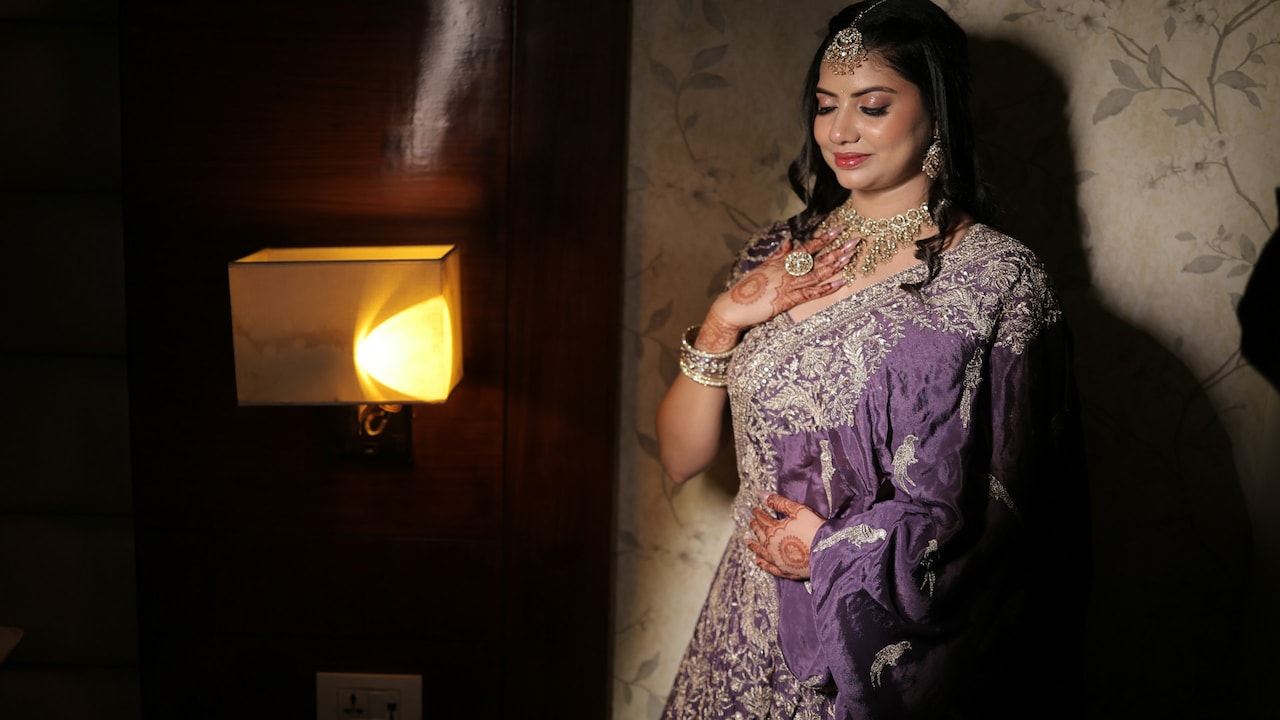
Practical tips to wear ethnic outfits in winter
The unexpected cold winds and temperature drops make sweaters, jackets, and thermals an indispensable part of everyone's winter wardrobe. While they are sufficient for everyday casual and formal dressing, special occasions like weddings and festivals need something more elegant and sophisticated. This is where ethnic wear comes in. Featuring rich fabrics, bold colours, stunning embroidery, and beautiful silhouettes, nothing matches the charm of ethnic wear for winter celebrations. But despite its unmatched beauty, ethnic wear doesn't always feel practical when the temperature drops.
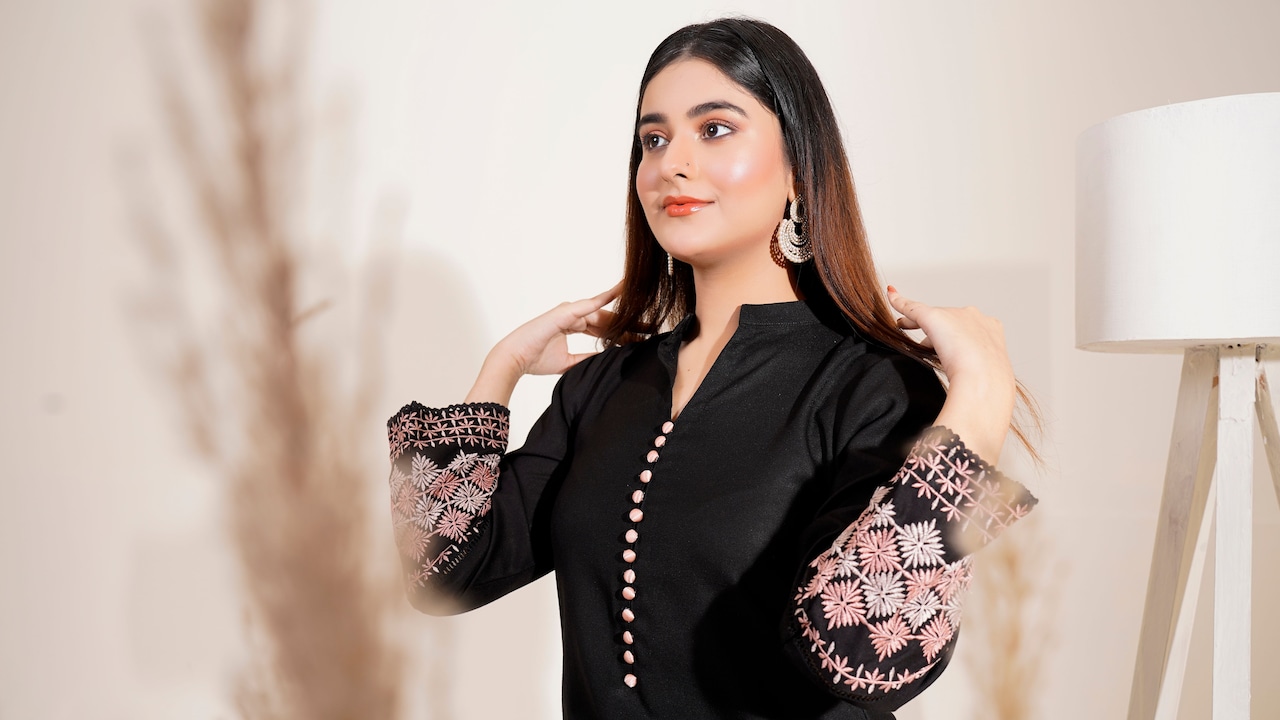
How to style your ethnic ensembles in winter
Photo Credit: Pexels
Luckily, the solution is no longer covering yourself in bulky jackets that ruin the entire aesthetic of your outfit. Instead, it lies in the right blend of winter-appropriate fabrics, designs, and strategic layering. If you wish to wear elegant kurta sets or dramatic shararas, here are a few tips that can help you elevate the art of winter ethnic dressing.
Also Read: Saras Food Festival 2026: Comfortable And Stylish Outfit Ideas For Women
How To Enjoy Ethnic Wear In Winter
1. Start With Winter-Friendly Fabrics
While cotton, georgette, and linen rule summer dressing, winter clothes need something different for insulation, warmth, and comfort. Velvet is one of the most sought-after options for winter. Whether stitched into a kurta set, a blouse, or a lehenga, velvet offers adequate warmth and comfort for long celebrations. Moreover, it feels soft, has a luxe appeal, and photographs beautifully.
Silk is another excellent option, often seen in kurta sets, Banarasi silk sarees, and dupattas. Silk garments offer sophistication and comfort for winter celebrations. Moreover, they feel lighter than velvet and offer a graceful look.
Beyond velvet and silk, woollen fabrics and pashmina remain timeless and traditional choices for cold winter months. They are extremely warm and look beautiful for different occasions.
2. The Power of Smart Layering
While regular thermals work perfectly for layering casual outfits, ethnic ensembles need strategic and smart layering. Gone are the days when layering meant ruining your stunning outfit. Today, the range of options ensures superior comfort and warmth while adding to the overall appeal of your look.
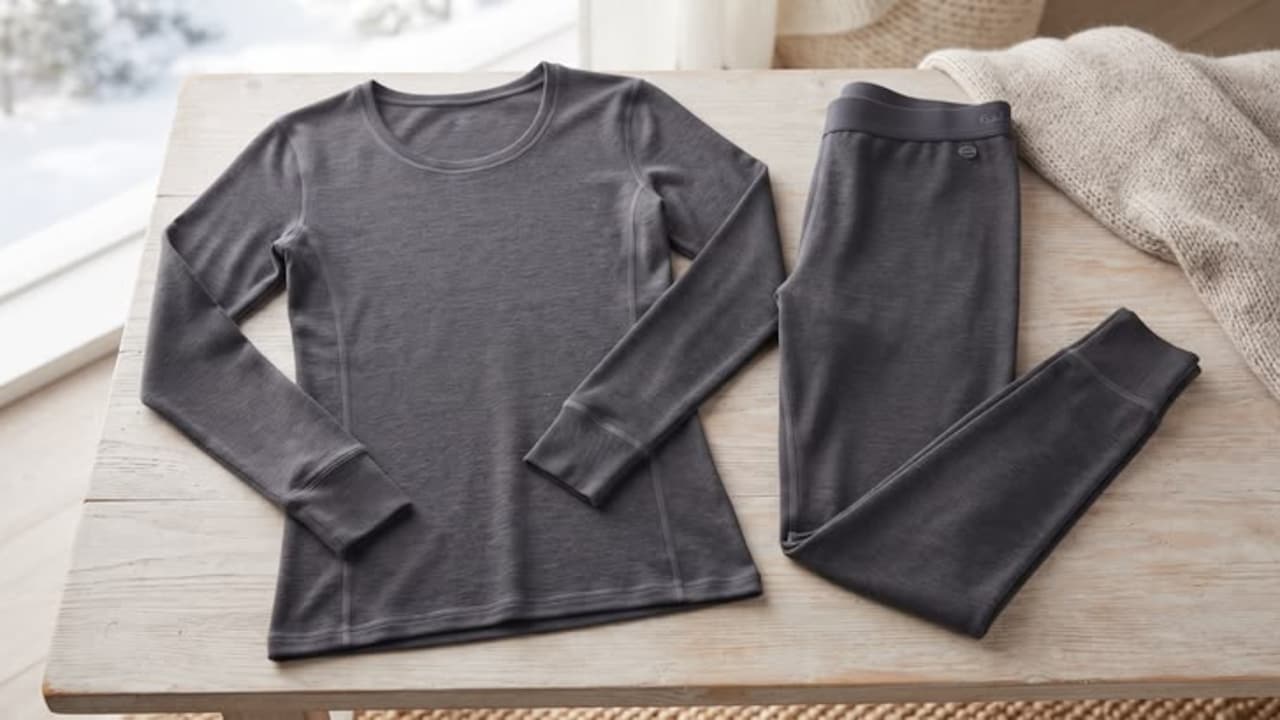
For base layers, fleece-lined leggings can hide easily under your palazzos, shararas, or ethnic bottoms. They come in black and skin tones, helping you wear thermals confidently without worrying about them ruining your look. For outer layers, a short embroidered jacket or an ethnic coat can offer a more refined appearance than random denim or puffer jackets.
3. Make Sarees Winter-Friendly
Many people think that sarees are difficult to wear in winter, particularly because of their light layers and breezy silhouettes. But with a few adjustments, you can make sarees winter-friendly. The secret lies in fabric selection.
Instead of cotton, linen, or georgette, opt for heavier fabrics such as Banarasi silk, Kanjeevaram silk, and velvet. These fabrics drape beautifully and offer reliable warmth in winter. Similarly, ditch sleeveless and deep-neck designs for full-sleeved blouses and high-neck styles. For customisable warmth, shawls, stoles, and ethnic jackets can enhance the overall appeal without dulling the traditional look of a saree.
4. Keep A Good Shawl Or Stole Handy
Shawls and stoles are some of the most versatile winter accessories. Whether paired with denim jeans and a high-neck top or a kurta set, they look elegant and sophisticated. Moreover, they are easy to remove or layer on depending on changes in temperature. When not in use, shawls and stoles can be tucked into handbags or carried by hand without adding unnecessary bulk.
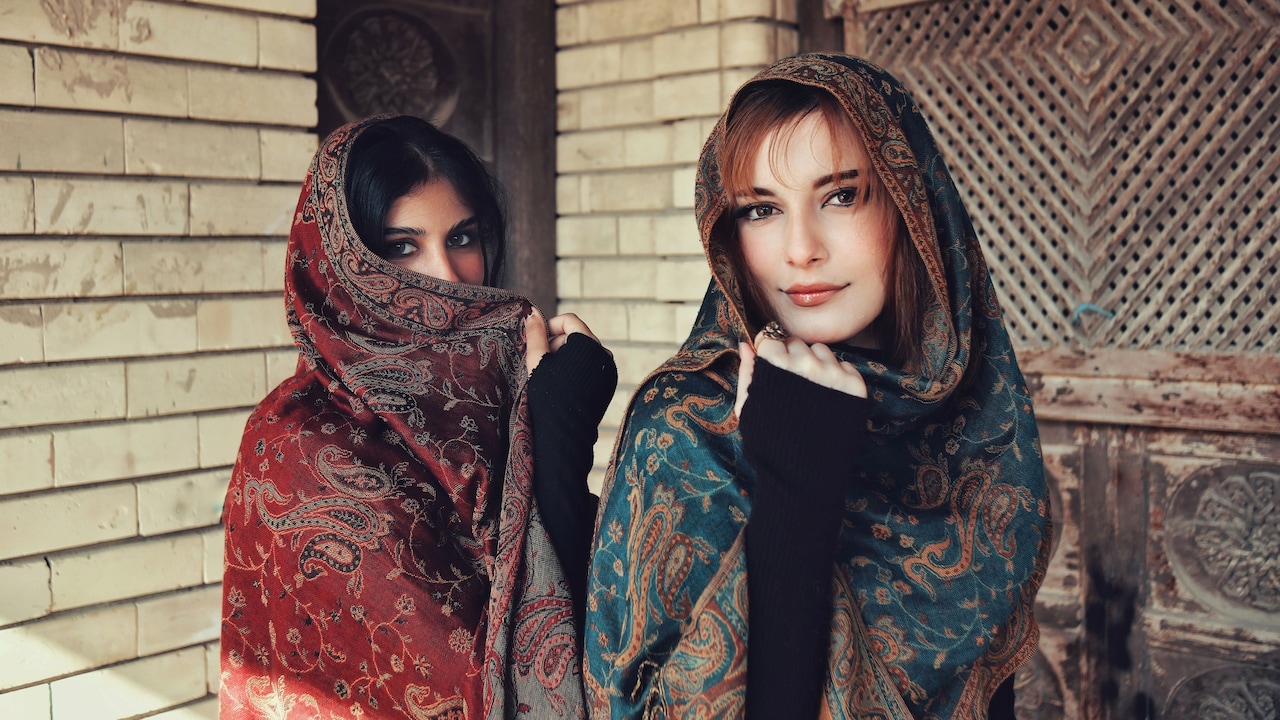
Keep a shawl or stole handy to add another layer to your outfit
Photo Credit: Pexels
5. Experiment With Different Bottoms
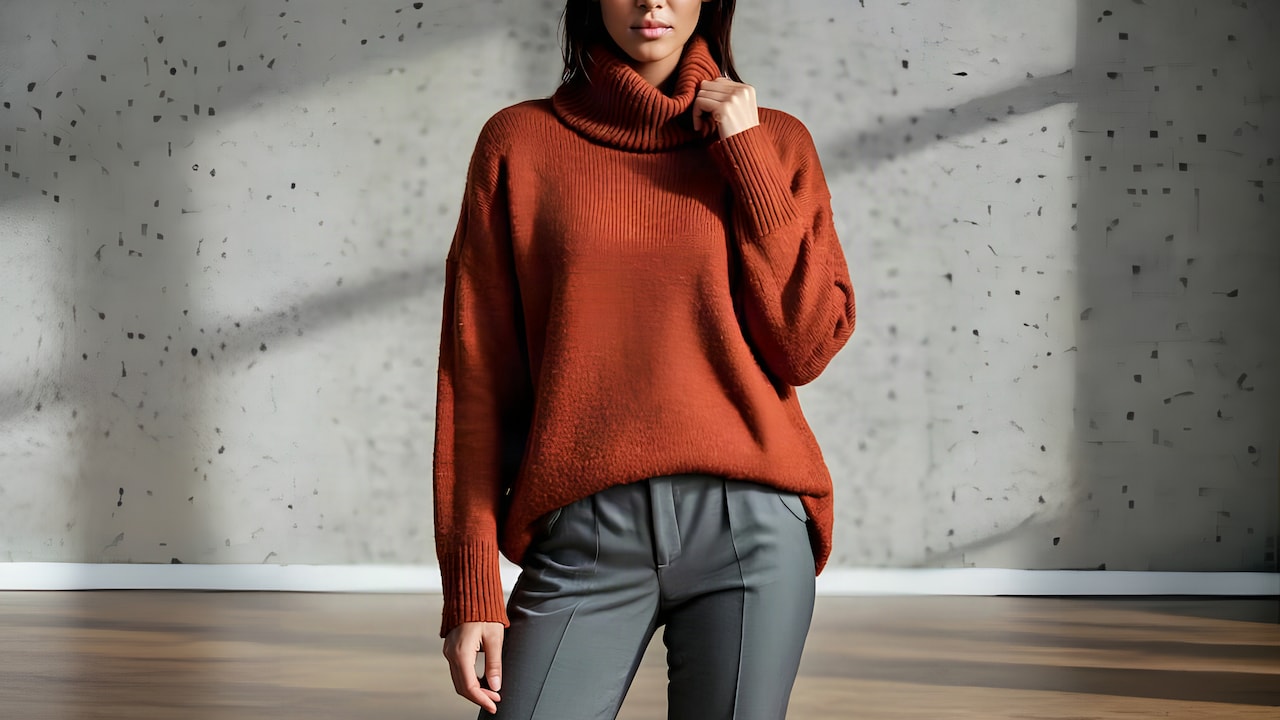
Kurta sets are often accompanied by palazzo pants, shararas, and farshi salwars. While these bottoms look undeniably elegant, they can also impact your comfort in winter. Their loose silhouettes can allow cold air to circulate around your legs. Instead, try straight-fit trousers, lined ethnic bottoms, or cigarette pants to add a modern touch to your outfit. These bottoms also provide room for layering and offer excellent comfort.
6. Kurtis And Kurta Sets For Daily Wear
Whether you're heading to college, work, or shopping, short kurtis and kurta sets are among the best options. Constructed from wool, wool blends, silk, and velvet, these outfits offer warmth without feeling bulky. They retain heat, feel soft against the skin, and remain comfortable throughout the day. Moreover, they can be accessorised with a matching ethnic jacket or shawl to make them look even more elegant.
7. Velvet Lehengas For One And Done Solution
For weddings, receptions, and other special occasions in winter, velvet lehengas stand out as one of the best options. They feature a thick yet soft and comfortable fabric that prevents body heat from escaping and offers excellent warmth. But what truly makes them a suitable choice is their regal appearance and stunning drape that looks straight out of a Bollywood movie.
Velvet lehengas also carry a subtle sheen that stands out beautifully in photographs. However, since they are more structured than organza or georgette options, velvet lehengas can feel a little heavy during long celebrations. Nonetheless, they offer excellent warmth in winter. Their rich colour palettes in purple, maroon, and green also complement the wedding season beautifully.
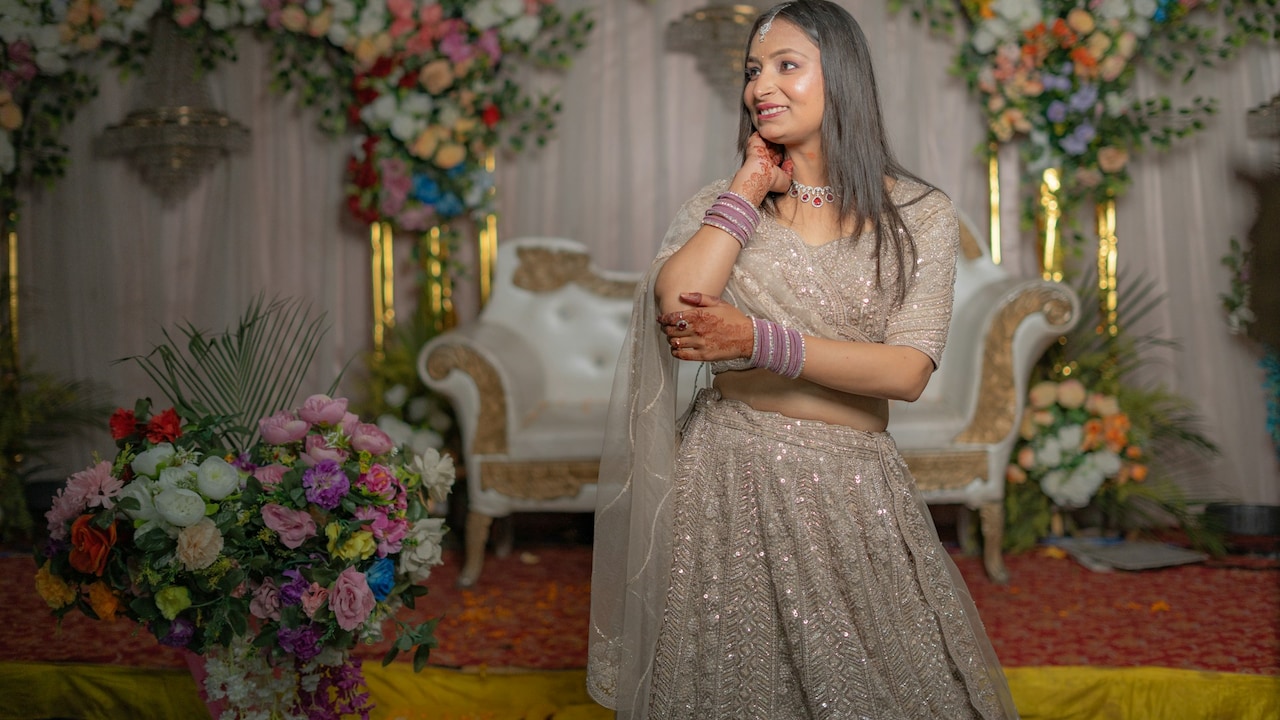
Velvet lehengas are a great option for winter weddings and celebrations
Photo Credit: Pexels
Wearing beautiful ethnic outfits in winter doesn't mean sacrificing their aesthetics with random coats and jackets. With a few tweaks, such as thoughtful fabric selection, strategic layering, and winter-appropriate designs, you can enjoy ethnic outfits without shivering in the cold. Additionally, accessories like ethnic jackets, shawls, and stoles help you add or remove layers depending on temperature fluctuations.
Products Related To This Article
1. SUPPAR SLEAVE Embroidered Semi-Stitched Lehenga & Unstitched Blouse With Dupatta
2. Trendmalls Embroidered Sequinned Semi-Stitched Lehenga & Unstitched Blouse With Dupatta
3. Anouk Women Ethnic Motifs Embroidered Regular Thread Work Velvet Kurta Set
4. Nayam By Lakshita Women Ethnic Motifs Embroidered Regular Velvet Kurta with Trousers & With Dupatta
5. Nayam By Lakshita Women Ethnic Motifs Embroidered Regular Thread Work Velvet Kurta with Trousers
6. rarethread Women Floral Embroidered Thread Work Raw Silk Kurta
7. Wool's Kart Women Floral Embroidered Thread Work Floral Woollen Kurta
8. Monte Carlo Ethnic Motifs Printed Keyhole Neck Straight Kurta
9. Shae by SASSAFRAS Floral Embroidered Thread Work Grandeur & Majestic Artwork Velvet Kurta
10. Qalabella Women Ethnic Motifs Embroidered Velvet Shawl
Frequently Asked Questions (FAQs)
1. Which fabric is most suitable for winter wear?
Wool, velvet, and wool blends are some of the best fabrics for winter. They offer excellent insulation, retain body heat, and feel comfortable against the skin.
2. What to wear in ethnic wear in winter?
You can wear velvet kurta sets, lehengas, wool kurtis, or heavy silk sarees to look stylish in winter without sacrificing warmth.
3. Is georgette fabric good for winter?
Georgette is a lightweight fabric and, therefore, not an ideal choice for winter. However, it can be worn in mild winter when layered with warm shawls or thermal innerwear.
4. Which fabrics to avoid in winter ethnic wear?
When choosing ethnic outfits for winter, avoid lightweight cotton, linen, and thin polyester fabrics, as they do not provide adequate insulation or warmth.
5. How to style ethnic wear in winter?
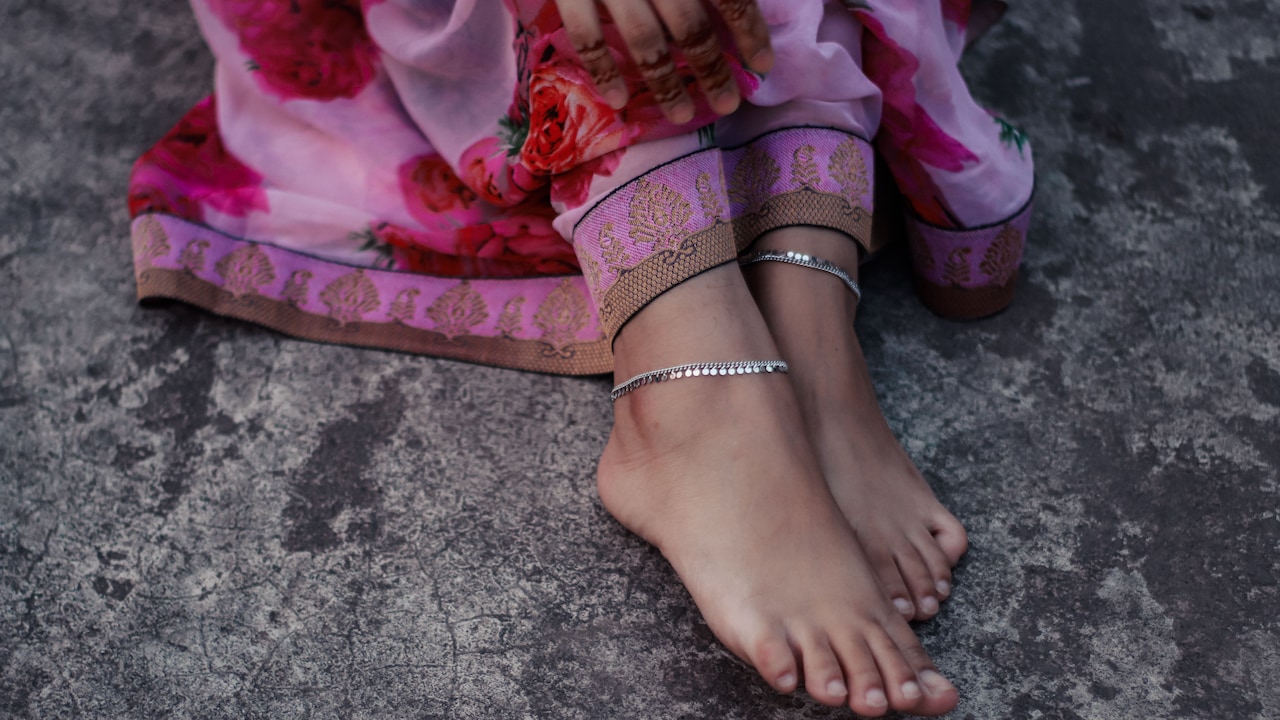
The best way to style ethnic wear in winter is to choose winter-friendly fabrics, avoid overly loose silhouettes, opt for full-sleeved designs, and pair them with closed-toe footwear to stay warm.
(Disclaimer: This article may include references to or features of products and services made available through affiliate marketing campaigns. NDTV Convergence Limited (“NDTV”) strives to maintain editorial independence while participating in such campaigns. NDTV does not assume responsibility for the performance or claims of any featured products or services.)