How To Pick Loafers That Do Not Shred Your Heel In Week One
Avoid painful blisters and heel bites. Learn how to choose loafers that fit right, feel soft, and stay comfortable from day one, without compromising on style or spending blindly.
How To Pick Loafers That Do Not Shred Your Heel In Week One
Loafers have quietly become the backbone of modern wardrobes. They slip on with ease, pair well with everything from crisp trousers to relaxed denims, and strike that sweet balance between formal and casual. Yet, behind their polished appearance often lurks an uncomfortable truth. A fresh pair can feel like a punishment device, especially when the heel begins to protest by day two. Many have experienced that awkward limp after a long commute or the subtle wince during a meeting. It's frustrating, especially after spending anywhere between ₹2,000 and ₹10,000 on what seemed like a perfect purchase. The problem, however, rarely lies in bad luck. More often, it stems from overlooking small but crucial details while choosing the pair.
How To Pick Loafers That Do Not Shred Your Heel In Week One
Photo Credit: Pexels
This guide unpacks those details with clarity and a conversational touch. From material choices to fit quirks, each section aims to help readers make smarter decisions. The goal is simple: find loafers that feel broken-in from day one, without sacrificing style.
What To Look For Before Buying Your Next Pair Of Loafers
Prioritise Soft, Flexible Leather
The first touch tells a story. Stiff leather might look premium on the shelf, but it often translates into harsh friction against the heel. Soft, flexible leather adapts faster to foot shape and reduces the dreaded break-in period.
When shopping, gently press the upper material. If it resists too much, it may take weeks to soften. That's where trouble begins. Suede and full-grain leather tend to be kinder on the skin, offering both durability and comfort. Synthetic materials, on the other hand, often feel rigid and trap heat, making matters worse during long hours.
Think of it like choosing a mattress. Appearance matters, but comfort decides everything. A pair priced at ₹5,000 that feels soft immediately will likely outperform a ₹9,000 pair that feels like cardboard. The key lies in trusting touch over shine.
Check The Heel Construction Carefully
The heel area often becomes the villain in most loafer stories. A poorly constructed heel counter can dig into the skin, causing irritation within hours. This part deserves close inspection before purchase.
Run a finger along the inner heel. Rough stitching or hard edges signal trouble ahead. A well-designed loafer will have a padded or lined heel area that cushions the foot rather than attacking it. Even a slight padding can make a noticeable difference during long walks or daily commutes.
A quick trick involves bending the shoe slightly. If the heel feels excessively rigid while the rest of the shoe flexes, discomfort is likely. Balance matters. The heel should provide support without becoming a rigid wall.
Focus On The Right Fit, Not Just Size
Numbers on a box rarely tell the full story. Two brands marked as size 9 can feel completely different. That's why relying solely on size often leads to regret.
A proper fit means the heel sits snug without slipping, while the front offers enough room to wiggle toes. Too tight, and the friction increases. Too loose, and the heel rubs repeatedly. Both scenarios lead straight to blisters.
Trying shoes later in the day helps, as feet tend to swell slightly. This offers a more realistic sense of fit. Walking around the store for a few minutes also reveals potential discomfort. If there's even a hint of rubbing, it rarely improves magically at home.
Pay Attention To Inner Lining
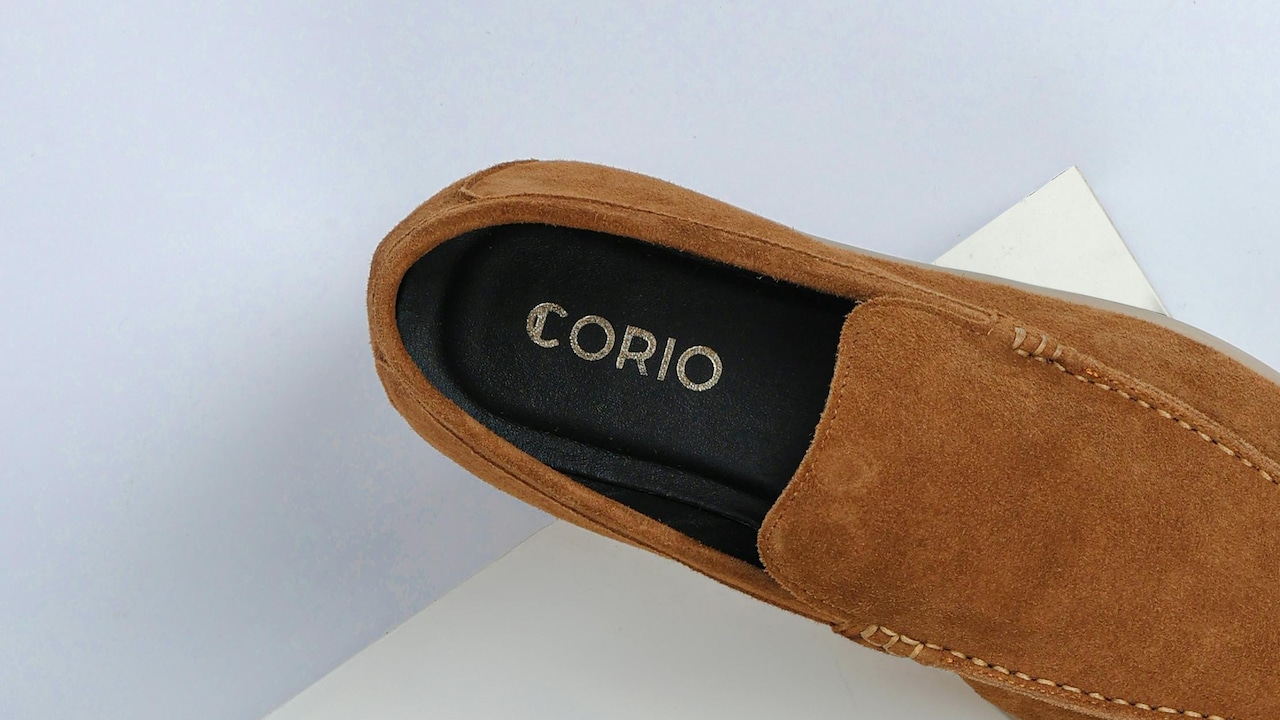
The inside of a loafer plays a silent but powerful role. A rough lining can feel like sandpaper against the heel, especially during humid days.
Look for shoes with smooth, breathable linings. Leather interiors often outperform synthetic ones in comfort. They allow better airflow and reduce sweat build-up, which otherwise increases friction.
Imagine wearing a cotton shirt versus a stiff polyester one on a warm day. The difference is immediate. The same principle applies here. A well-lined loafer feels gentle from the first wear, saving both skin and patience.
10 Expert Tips To Pick Loafers That Don't Hurt Your Heel
Photo Credit: Pexels
Consider Slightly Cushioned Insoles
Cushioning often gets overlooked in loafers, but it plays a key role in overall comfort. A thin, unforgiving insole can amplify pressure on the heel, especially during long hours on foot.
Opt for loafers with lightly cushioned insoles that absorb impact. This doesn't mean overly soft or spongy, but just enough padding to ease pressure points. Memory foam or padded leather insoles often strike the right balance.
For those who walk a lot, this feature can be the difference between a pleasant day and a painful evening. Spending a little extra for better cushioning often proves worthwhile in the long run.
Test Flexibility Before Buying
A good loafer moves with the foot, not against it. Flexibility ensures that the shoe bends naturally while walking, reducing stress on the heel.
Hold the shoe at both ends and gently flex it. If it feels too stiff, it may resist natural movement. That resistance often transfers to the heel, causing discomfort.
Think of it like dancing with a partner. If one refuses to move smoothly, the experience quickly turns awkward. A flexible loafer keeps every step fluid and comfortable.
Also Read: Leather Loafers Vs Sneakers For Semi-Formal Events: Know Which One Works
Avoid Overly Narrow Designs
Slim silhouettes may look elegant, but they often compromise comfort. Narrow designs tend to squeeze the foot, pushing the heel against the back with extra force.
A slightly roomier design allows natural movement and reduces friction. This doesn't mean opting for bulky shoes, but rather choosing balanced proportions that suit foot shape.
Fashion should never feel like a punishment. A well-designed loafer can look sharp without pinching or pressing unnecessarily.
Break Them In Gradually
Even the best loafers benefit from a gentle introduction. Wearing them for a full day right away often leads to discomfort, regardless of quality.
Start with short outings. An hour at a café or a quick errand allows the shoe to adapt slowly. This gradual approach helps the material mould to the foot without causing damage.
It's similar to starting a new workout routine. Jumping straight into intense sessions rarely ends well. A steady approach builds comfort and longevity.
Use Protective Measures Early
A little prevention goes a long way. Applying heel guards or wearing invisible socks can reduce friction during the initial wears.
These small additions act as a buffer, protecting the skin while the shoe adjusts. They're especially useful for those with sensitive skin or past blister troubles.
Think of it as insurance. It may seem unnecessary at first, but it proves invaluable when discomfort tries to creep in.
Invest In Quality Over Trend
Trends come and go, but comfort remains constant. A well-made pair of loafers often outlasts multiple cheaper alternatives.
Higher-quality shoes usually feature better materials, thoughtful construction, and improved comfort. While the upfront cost may feel steep, the long-term value often justifies it.
Spending ₹7,000 on a reliable pair that lasts years beats replacing ₹2,500 pairs every few months. Comfort, durability, and style rarely coexist in rushed purchases.
10 Expert Tips To Pick Loafers That Don't Hurt Your Heel
Photo Credit: Pexels
Products Related To This Article
1. HERE&NOW Men Formal Loafers
2. Bata Women Round Toe Penny Loafers
3. Anouk Men Leather Formal Loafers
4. H&M Fringe-Trimmed Loafers
5. HERE&NOW Men Textured Leather Formal Loafers
6. Allen Solly Women Solid Loafers
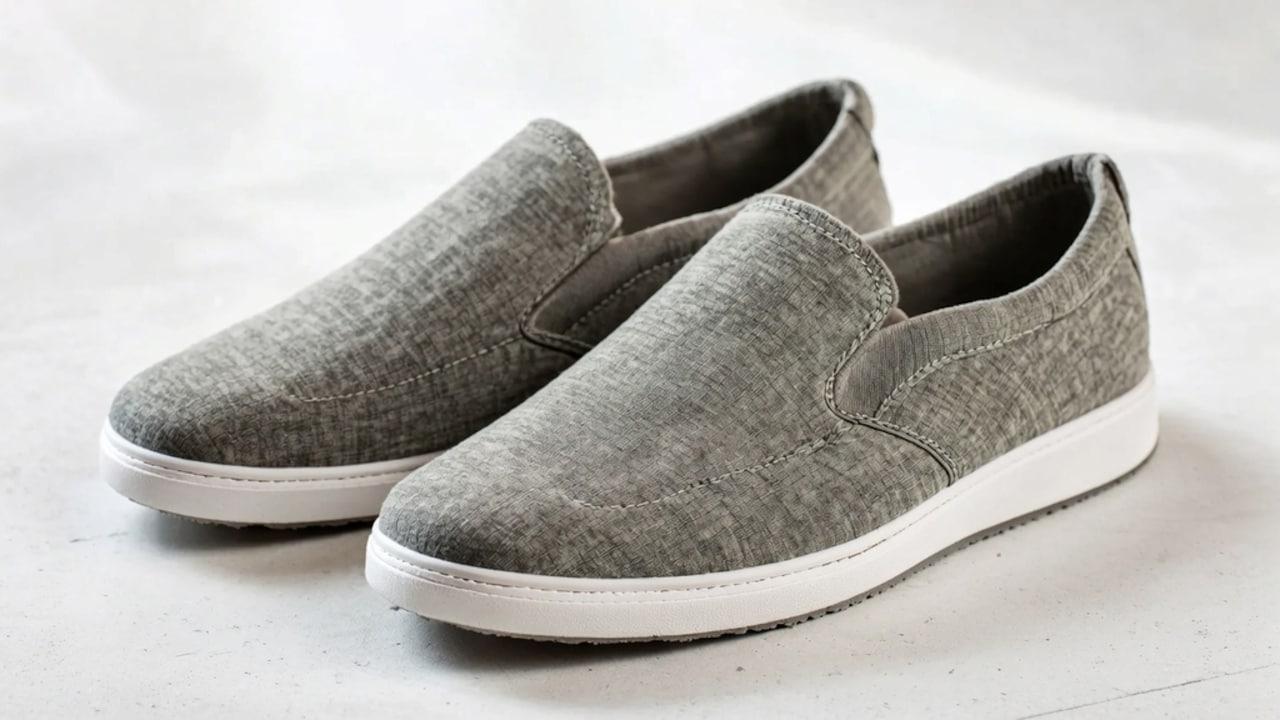
7. House of Pataudi Men Suede Slip On Formal Loafers
Choosing loafers that don't shred the heel in week one isn't a mystery. It's a matter of paying attention to details that often get overlooked in the excitement of a new purchase. From soft leather to proper fit, each factor plays a role in shaping the overall experience.
A good pair should feel like an extension of the foot, not an obstacle. It should support, adapt, and complement daily life without causing discomfort. With the right approach, loafers can remain both stylish and comfortable, proving that fashion and function can indeed walk hand in hand.
The next time a pair catches the eye, pause for a moment. Touch, test, and trust instinct. The feet will thank you long after the first week passes without a single blister.
(Disclaimer: This article may include references to or features of products and services made available through affiliate marketing campaigns. NDTV Convergence Limited (“NDTV”) strives to maintain editorial independence while participating in such campaigns. NDTV does not assume responsibility for the performance or claims of any featured products or services.)