Tired Of Wallets That Bulge In Pockets? How To Pick Ones That Stay Slim Even When Full
Bulging wallets ruin comfort and style. The fix lies in smarter choices, compact design, better materials, and mindful habits. Here’s how to pick a wallet that stays slim without sacrificing essentials.
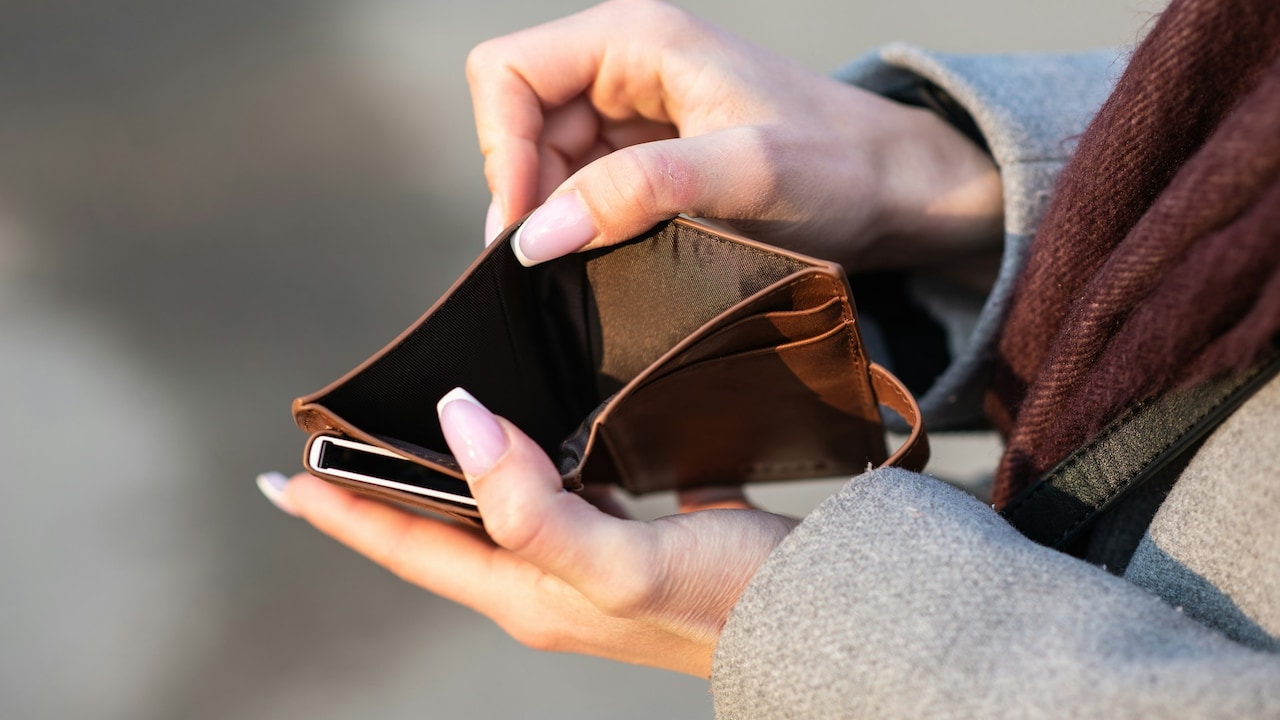
Easy tips to keep your wallet organised, neat, and light despite daily usage
There is something oddly frustrating about sitting down and feeling a lump dig into the back pocket. That familiar discomfort often traces back to one culprit: an overstuffed wallet. It begins innocently enough, a few cards, some cash, maybe a receipt or two, and before long, it turns into a pocket-sized archive of life's transactions.
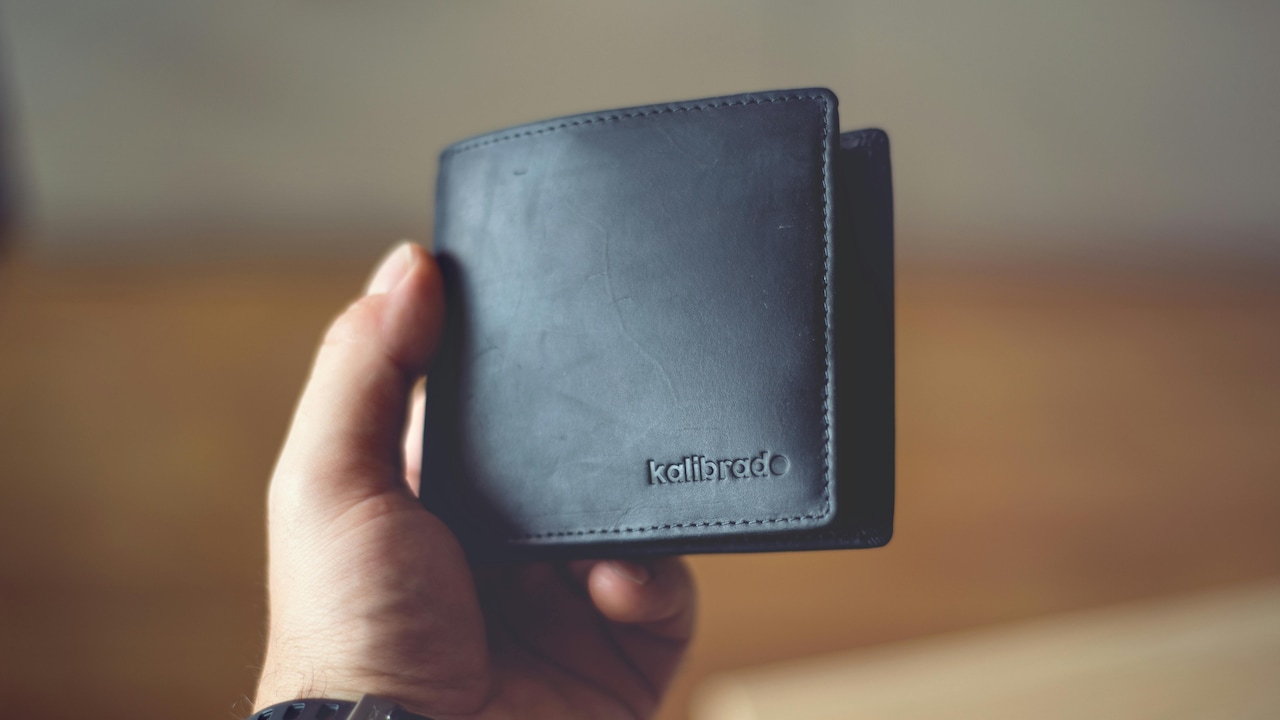
Try these buying tips to find a wallet that doesn't bulk up your pocket; Photo Credit: Pexels
Modern lifestyles have quietly shifted. Digital payments dominate, metro cards replace tickets, and loyalty programmes live on phones. Yet, many still carry wallets as though nothing has changed since the days when every purchase required a stack of notes and coins. The result? Bulky wallets that strain pockets, distort trousers, and occasionally even cause back discomfort.
Choosing a slim wallet is not just about fashion. It is about comfort, organisation, and a subtle sense of control over everyday chaos. The right wallet feels almost invisible, even when it carries essentials. But finding one that stays slim despite daily use requires a thoughtful approach. From material to design, and from habits to hidden features, every detail matters more than expected.
Also Read: Top 5 Men's Organiser Wallets For Cards, Cash And Essentials: Best Multi-Function Wallets
How To Choose A Slim Wallet That Works For Everyday Life
Understanding Why Wallets Bulk Up So Quickly
Wallets rarely start bulky. They grow that way over time, almost like a cupboard that quietly collects clutter. The first reason lies in habits. Every receipt from a ₹450 grocery run or ₹1,200 dinner gets tucked away “just in case”. Add visiting cards, expired IDs, and old movie tickets, and space disappears quickly.
Another factor is emotional attachment. A faded photograph, a lucky coin, or even a long-unused membership card often finds a permanent home inside. While these items carry meaning, they also take up valuable space. The problem deepens when wallets are designed with too many compartments. More slots invite more storage, which leads to unnecessary accumulation.
The solution begins with awareness. A wallet should carry essentials, not memories or archives. Regularly clearing out unused items can instantly reduce bulk. Think of it as a weekly reset, similar to cleaning out a bag. A slim wallet is not just about buying the right product; it is also about maintaining discipline in what goes inside.
Choosing The Right Size For Everyday Needs
Size plays a crucial role in keeping a wallet slim. Larger wallets may feel convenient at first, especially those that promise multiple compartments. However, extra space often encourages overfilling. A compact wallet, on the other hand, naturally limits what can be carried.
Consider daily requirements. For someone who mostly uses UPI or cards, carrying five to six cards and a few notes is usually enough. In such cases, a minimalist wallet works perfectly. For those who still rely on cash transactions, a slightly larger wallet may be necessary, but it should still prioritise slimness.
Pocket type also matters. Jeans, formal trousers, and even traditional wear have different pocket depths and widths. A wallet that fits comfortably in one type of clothing may feel awkward in another. Testing the wallet in everyday scenarios helps avoid discomfort later.
Ultimately, the goal is balance. A wallet should be large enough to hold essentials yet small enough to discourage clutter. When size aligns with lifestyle, bulk becomes far less of a problem.
Picking Materials That Stay Sleek Over Time
Material choice influences both appearance and durability. Leather remains a popular option due to its classic appeal and flexibility. However, not all leather behaves the same way. Softer leather tends to stretch over time, which can lead to sagging and increased bulk.
Full-grain or top-grain leather offers better structure. It ages well without losing shape, making it ideal for those who want a long-lasting slim wallet. Synthetic materials, such as high-quality vegan leather or fabric blends, also provide lightweight alternatives. These options often resist stretching and maintain a neat profile.
Another factor to consider is thickness. Some materials may look sleek initially but become bulky when filled. Choosing a wallet made from thin yet durable material ensures it stays slim even when carrying multiple items.
Weather also plays a role. In humid conditions, certain materials may expand slightly or lose firmness. Selecting a material that withstands such conditions ensures consistent performance. A well-chosen material not only looks good but also prevents the wallet from turning into a bulky inconvenience over time.
Prioritising Smart Design Over Extra Features
Modern wallets often come packed with features, coin pockets, multiple card slots, hidden compartments, and even zip sections. While these additions sound useful, they can quickly add unnecessary bulk.
A smart design focuses on efficiency rather than excess. Fewer compartments encourage better organisation. For instance, a wallet with four to six card slots and a single cash compartment often proves more practical than one with ten slots and multiple sections.
Slim wallets also benefit from staggered card placement. This design prevents cards from stacking directly on top of each other, reducing thickness. Some wallets use clever folding techniques or vertical layouts to maximise space without increasing bulk.
It helps to question every feature. Does a coin pocket serve a daily purpose, or does it simply collect loose change? Does a zip add security, or does it add weight? By prioritising function over novelty, it becomes easier to choose a wallet that remains sleek and practical.
Limiting What Goes Inside The Wallet
Even the best-designed wallet cannot stay slim if overloaded. The real challenge lies in deciding what truly belongs inside. Essentials typically include identification, a few cards, and some cash. Anything beyond that should be reconsidered.
Receipts, for instance, often pile up without purpose. Most transactions today come with digital records, making physical copies less necessary. Clearing them out regularly prevents unnecessary bulk. Similarly, carrying multiple cards for occasional use adds weight without real benefit.
A helpful approach involves creating a rotation system. Cards used daily stay in the wallet, while others remain at home and are swapped in only when needed. This method keeps the wallet light while ensuring access to necessary items.
Small changes in habit can make a significant difference. A wallet should feel like a tool, not a storage unit. When its contents remain intentional and minimal, slimness becomes a natural outcome rather than a constant struggle.
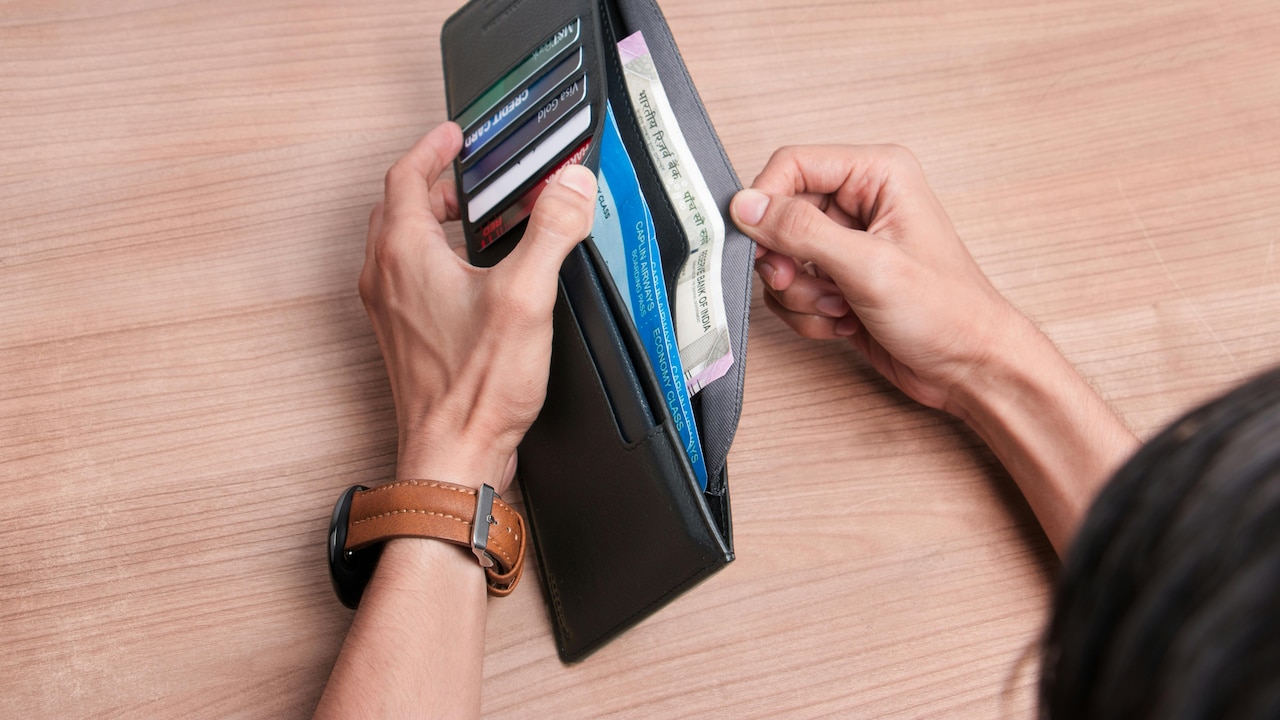
Always keep an eye on what goes inside your wallet to prevent it from being overstuffed; Photo Credit: Pexels
Considering Slim Wallet Innovations
The rise of minimalist living has inspired innovative wallet designs. Cardholders, for example, have gained popularity for their ultra-slim profiles. They hold just a few cards and a folded note, making them ideal for those who prefer simplicity.
Money clips offer another alternative. They eliminate the need for bulky compartments by securing cash in a compact form. While they may not suit everyone, they work well for individuals who prioritise cash over cards.
Hybrid designs combine the best of both worlds. These wallets feature slim card slots along with a small cash section, maintaining a balance between functionality and minimalism. Some even include RFID-blocking technology, adding security without extra bulk.
Exploring these options opens up new possibilities. Traditional wallets are no longer the only choice. With thoughtful design and modern features, slim wallets have evolved into versatile accessories that adapt to changing lifestyles.
Paying Attention To Stitching And Craftsmanship
A wallet's construction plays a subtle yet important role in its slimness. Poor stitching can cause uneven bulges, especially when the wallet is filled. High-quality craftsmanship ensures that the wallet maintains its shape under pressure.
Neat, tight stitching prevents material from stretching excessively. Reinforced edges add durability without adding thickness. Even the alignment of compartments matters, as poorly placed sections can create awkward lumps.
Craftsmanship also affects longevity. A well-made wallet retains its structure over time, while a poorly constructed one may become bulky within months. Investing in quality often proves more economical in the long run.
Attention to detail reflects in everyday use. A wallet that opens smoothly, holds items securely, and sits comfortably in the pocket enhances the overall experience. Craftsmanship may not be the first factor considered, but it often determines whether a wallet stays slim or gradually loses its shape.
Matching Wallet Style With Daily Routine
Lifestyle influences wallet choice more than expected. A person who commutes daily, uses public transport, and frequently pays digitally has different needs compared to someone who handles cash transactions regularly.
For instance, carrying ₹2,000 to ₹3,000 in cash may require a slightly larger wallet, but it should still prioritise organisation. On the other hand, those who rely on digital payments can opt for ultra-slim designs that carry minimal cash.
Work environments also matter. Formal settings may call for classic leather wallets, while casual lifestyles allow for more experimental designs. The key lies in aligning the wallet with daily habits rather than choosing based on appearance alone.
When a wallet fits seamlessly into routine, it feels less like an accessory and more like a natural extension of daily life. This alignment reduces the urge to overfill it, helping maintain a slim and comfortable profile.
Avoiding The Temptation Of “Just In Case” Items
The phrase “just in case” often leads to unnecessary clutter. Extra cards, spare keys, or random notes find their way into wallets with the hope of being useful someday. In reality, most of these items remain untouched.
This mindset stems from a desire for preparedness. However, modern conveniences have reduced the need for carrying everything at once. Digital backups, mobile wallets, and easy access to services make it unnecessary to carry excessive items.
Letting go of this habit requires a shift in thinking. Instead of preparing for every possibility, focus on what is needed for the day. This approach not only reduces bulk but also simplifies daily routines.
A wallet should feel light and efficient, not overloaded with hypothetical scenarios. By resisting the urge to carry “just in case” items, it becomes easier to maintain a slim and practical wallet.
Investing In Quality Rather Than Quantity
A cheap wallet may seem appealing at first, but it often loses shape quickly. Thin materials stretch, stitching weakens, and the wallet becomes bulky within a short period. Investing in a high-quality wallet ensures better performance and longevity.
Quality does not necessarily mean expensive. It means choosing a wallet that balances durability, design, and material. Spending ₹1,500 to ₹3,000 on a well-made wallet can provide years of use, making it a worthwhile investment.
A good wallet maintains its structure even when filled. It resists wear and tear, ensuring that it remains slim over time. This reliability adds value beyond aesthetics.
Ultimately, a wallet is a daily companion. Choosing one that offers both comfort and durability enhances everyday life. Investing in quality reduces the need for frequent replacements and helps maintain a consistently sleek profile.
Products Related To This Article
1. Red Tape Women Black Casual Three Fold Wallet
2. Puma Unisex Metal Logo Detailed Wallets
3. MANGO Women Textured Zip Around Wallets
4. The Wallet Store Men Leather Three Fold Wallet
5. VALERIE Women Floral Printed Applique PU Two Fold Wallet\
A bulky wallet may seem like a small inconvenience, but it affects comfort, organisation, and even confidence. The journey towards a slim wallet begins with mindful choices, selecting the right size, material, and design, while also refining everyday habits.
Slim wallets are not about restriction; they are about efficiency. They encourage carrying only what matters, creating a sense of lightness both physically and mentally. In a world where convenience continues to evolve, adapting to simpler solutions feels not just practical but necessary.
The next time a wallet starts to feel heavy, it may be worth asking a simple question: does everything inside truly belong there? The answer often reveals more than expected.
(Disclaimer: This article may include references to or features of products and services made available through affiliate marketing campaigns. NDTV Convergence Limited (“NDTV”) strives to maintain editorial independence while participating in such campaigns. NDTV does not assume responsibility for the performance or claims of any featured products or services.)