How To Select The Perfect Pair Of Sock Sneakers For Comfort And Support
Find the perfect sock sneakers with the right fit, cushioning, and support. A quick guide to choosing comfort that lasts all day without compromising on style.
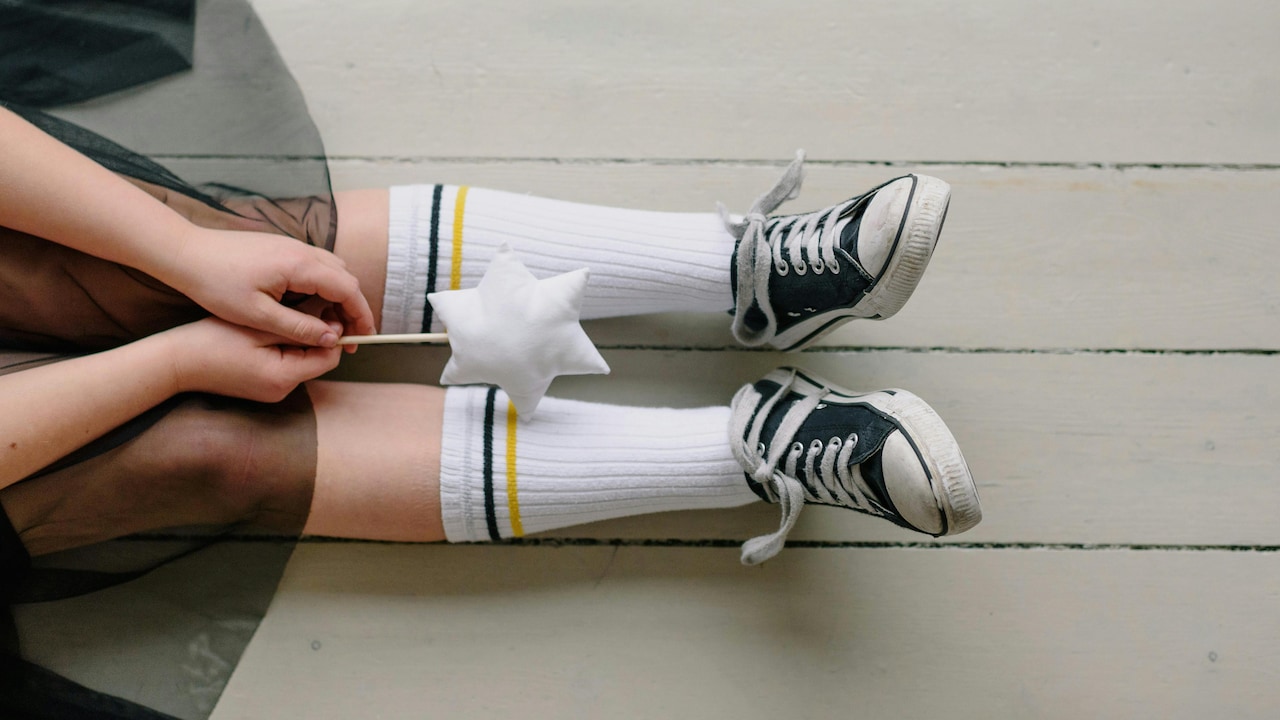
10 tips to find the perfect sock sneakers
Walk through any busy street, from early morning chai runs to late-night grocery dashes, and one thing stands out: people want footwear that keeps up. Traditional trainers often feel bulky, while sandals don't always offer enough support. Enter sock sneakers, the hybrid hero that promises flexibility, breathability, and style rolled into one.
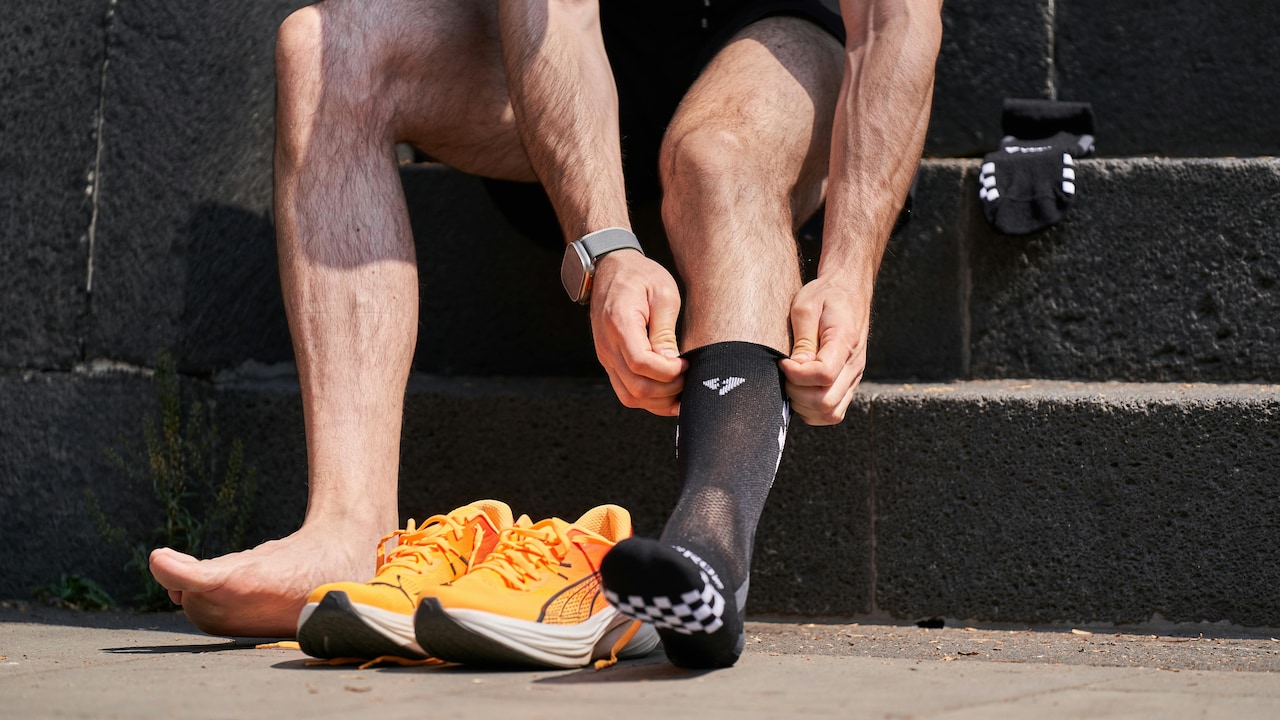
How to choose sock sneakers; Photo Credit: Pexels
But here's the catch. Not all sock sneakers feel like walking on clouds. Some pinch, others lack grip, and a few start sagging after a couple of weeks. Picking the right pair becomes less about trends and more about understanding what truly works for daily life, whether that means navigating crowded metros, standing for long hours, or squeezing in a quick evening walk.
Choosing wisely can mean the difference between effortless comfort and constant irritation. With the right pair, feet feel supported from morning errands to late-night strolls. With the wrong one, even a short outing feels like a chore. This guide explores how to select sock sneakers that genuinely deliver on comfort and support, without falling for marketing fluff.
Also Read: Discover 10 Eye-Catching Socks Under ₹500 to Instantly Elevate Any Outfit
Choosing The Right Sock Sneakers: Key Factors To Consider
Understand The Fit Beyond Just Size
A number on the box rarely tells the full story. Sock sneakers rely heavily on stretchable fabric, which means the fit changes depending on foot shape. Narrow feet may feel secure in most designs, while wider feet often struggle with tight uppers that dig into the sides.
Trying on a pair in the evening often helps, as feet tend to swell slightly after a long day. This simple trick prevents buying a pair that feels perfect in the morning but is uncomfortable later. A good fit should hug the foot without squeezing it. There should be no pressure on the toes, and the heel must stay in place without slipping.
Elastic uppers sometimes stretch out after a few wears, so a slightly snug fit at first can work well. However, anything that feels restrictive from the beginning will only get worse. Comfort should feel immediate, not something that needs “breaking in”.
Pay Attention To Fabric Quality
The charm of sock sneakers lies in their fabric, but not all materials are created equal. Breathable knit fabric keeps feet cool during humid afternoons and crowded commutes. Cheaper variants, however, often trap heat, leading to sweaty discomfort.
Look for materials that feel soft yet sturdy. A good pair should stretch easily but return to shape without sagging. Poor-quality fabric tends to loosen quickly, making the shoe feel sloppy and unsupported.
Mesh patterns also matter. Tighter weaves offer better structure, while open-knit designs provide airflow. The right balance depends on usage. For long walks or daily wear, breathable fabric with moderate density works best.
Feet deserve a little luxury, even on busy days. Investing in better fabric often saves money in the long run, as the shoes last longer and perform better.
Evaluate Cushioning And Sole Support
A stylish sneaker means little if the sole feels flat and unforgiving. Cushioning plays a crucial role, especially for those who spend hours on their feet. Walking across hard surfaces demands shock absorption that protects joints and reduces fatigue.
Pressing down on the sole gives a quick sense of cushioning quality. It should feel responsive rather than stiff. Memory foam insoles often provide added comfort, moulding gently to the foot's shape.
Arch support also deserves attention. Flat soles might look sleek, but they can lead to discomfort over time. Even subtle arch support makes a noticeable difference during long days.
A reliable sole doesn't just cushion; it supports movement. Whether stepping over puddles during the monsoon or rushing through a station, the right sole ensures stability and comfort.
Check The Grip And Traction
Smooth tiles, wet roads, and uneven pavements create daily challenges for footwear. Sock sneakers sometimes compromise on grip in favour of aesthetics, which can lead to slips and awkward moments.
Turning the shoe over reveals everything about its traction. Patterns on the outsole should feel textured and well-defined. Flat soles without grooves may look modern, but often lack proper grip.
Rubber soles generally perform better than plastic ones. They provide better traction and last longer. Testing grip in-store by gently pressing against the floor can give a rough idea of performance.
A dependable grip builds confidence with every step. It allows quick movement without constantly watching the ground, which becomes especially important during unpredictable weather.
Consider Breathability For All-Day Wear
Heat and humidity demand footwear that allows air circulation. Sock sneakers often promise breathability, but the reality varies widely. Some designs feel airy, while others trap heat like a closed box.
Wearing shoes for extended hours requires proper ventilation. Without it, discomfort builds quickly, leading to sweaty feet and unpleasant odours. Lightweight knit uppers usually perform best in this regard.
Testing breathability can be simple. Hold the fabric up to light; if some light passes through, airflow is likely better. While this isn't foolproof, it offers a quick indication.
Comfort should last throughout the day, not just during short outings. Breathable sneakers keep feet feeling fresh, even during long commutes or busy schedules.
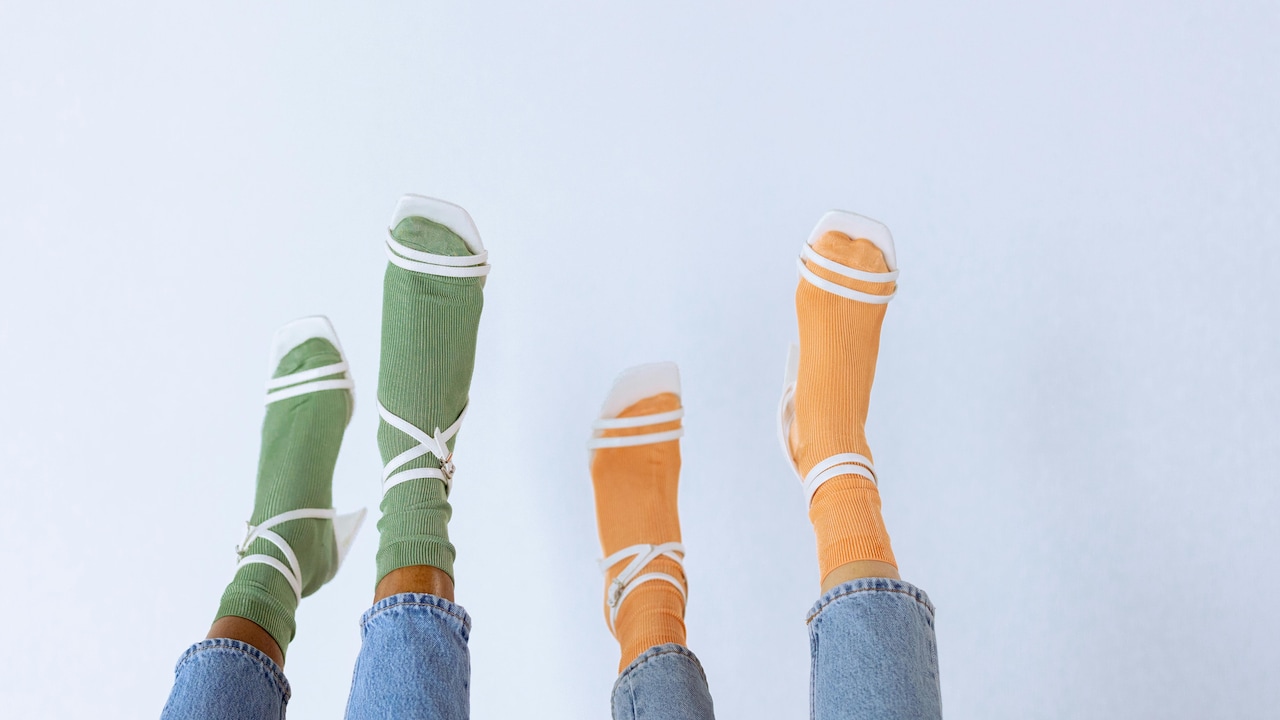
Opt for a breathable fabric; Photo Credit: Pexels
Prioritise Ease Of Wear
One of the biggest appeals of sock sneakers lies in their slip-on design. No laces, no fuss, just slide in and go. However, not every pair delivers the same ease.
Some designs include tight collars that make wearing them surprisingly difficult. Others may stretch too much, losing structure over time. The ideal pair strikes a balance, allowing easy entry while maintaining a snug fit.
Busy mornings often leave little time for complicated footwear. Whether rushing to catch a train or stepping out for a quick errand, convenience matters. A well-designed sock sneaker should feel effortless to wear.
Ease doesn't mean compromise. It simply means footwear that adapts to daily life without slowing things down.
Look At Durability And Longevity
Footwear should last longer than a few weeks. While sock sneakers appear delicate, well-made pairs hold up surprisingly well with regular use.
Inspecting stitching and sole attachment gives insight into durability. Loose threads or uneven glue lines often signal poor construction. A sturdy build ensures the shoes remain intact despite daily wear and tear.
Frequent use demands resilience. Walking through crowded streets, occasional rain exposure, and constant movement can quickly wear down low-quality shoes. Investing in a durable pair saves repeated expenses.
Spending ₹2,500–₹4,000 on a reliable pair often proves more economical than replacing cheaper options every month. Quality becomes a smart investment rather than an indulgence.
Balance Style With Practicality
Sock sneakers effortlessly blend fashion with function, but leaning too heavily on style can lead to disappointment. Bold colours and unique patterns may catch attention, yet practicality should remain the priority.
Neutral shades often prove more versatile, pairing easily with casual and semi-casual outfits. Bright designs can still work, but they should not overshadow comfort and usability.
Fashion evolves, but comfort remains constant. A well-chosen pair complements personal style while supporting daily activities. It becomes a reliable companion rather than a one-time statement piece.
Style should enhance the experience, not compromise it. Finding that balance ensures satisfaction beyond just appearances.
Test Flexibility And Movement
Movement defines the true performance of any sneaker. Sock sneakers should feel like an extension of the foot, allowing natural motion without resistance.
Bending the shoe gently reveals its flexibility. It should flex easily at the ball of the foot without feeling flimsy. Overly stiff designs restrict movement, while excessively soft ones may lack support.
Walking a few steps while trying them on provides the best feedback. The shoe should move with the foot rather than against it. Any discomfort during this stage often worsens with prolonged use.
Flexibility ensures comfort during varied activities, from quick errands to longer walks. It adds to the overall ease that sock sneakers promise.
Match The Shoe To Your Lifestyle
The perfect pair depends on how and where it will be used. A design suitable for short outings may not perform well during long commutes or extended standing hours.
Daily routines vary widely. Some require hours of walking, while others involve occasional use. Choosing a pair aligned with lifestyle ensures better performance and satisfaction.
For regular wear, prioritising cushioning and durability makes sense. Occasional use allows more focus on style and lightweight design. Understanding personal needs simplifies decision-making.
Footwear should adapt to life, not the other way around. Selecting with intention ensures the shoes become a dependable part of everyday routines.
Products Related To This Article
1. Trendmalls Unisex Pack of 3 Ankle Length Sneaker Socks
2. Lotto Essentials Socks 2.0 Assorted Sneaker
3. N2S NEXT2SKIN Women Pack Of 3 Sneaker Length Solid Tone Cotton Socks
4. Puma Kids Pack Of 3 Printed Cotton Sneaker Socks
5. LOUIS STITCH Men 3-Pack Style Ankle Length Egyptian Cotton Sneakers Socks
Sock sneakers offer a refreshing blend of comfort and style, but finding the right pair requires thoughtful consideration. From fit and fabric to cushioning and durability, each detail contributes to the overall experience.
A well-chosen pair feels almost invisible, supporting every step without drawing attention to itself. It handles busy days, unexpected weather, and long hours with ease. On the other hand, a poor choice quickly becomes a daily annoyance.
Taking time to evaluate options ensures lasting comfort and value. The right pair doesn't just look good, it feels right from the very first step. And once that perfect fit is found, every outing, whether short or long, becomes just a little more enjoyable.
(Disclaimer: This article may include references to or features of products and services made available through affiliate marketing campaigns. NDTV Convergence Limited (“NDTV”) strives to maintain editorial independence while participating in such campaigns. NDTV does not assume responsibility for the performance or claims of any featured products or services.)