Why Some Printed Shirts Look Premium And Others Look Loud
Some printed shirts feel refined while others look overwhelming. The difference lies in fabric, colour balance, print scale, and design details that quietly define whether a shirt looks premium or loud.
Why Some Printed Shirts Look Premium And Others Look Loud
Walk into any clothing store, and the printed shirt section tells a story. Some pieces feel instantly wearable, almost effortless. Others seem to demand courage, or perhaps a specific kind of personality. Yet, both may sit on the same rack, sometimes even priced similarly at ₹1,999 or ₹2,499. So what creates this difference?
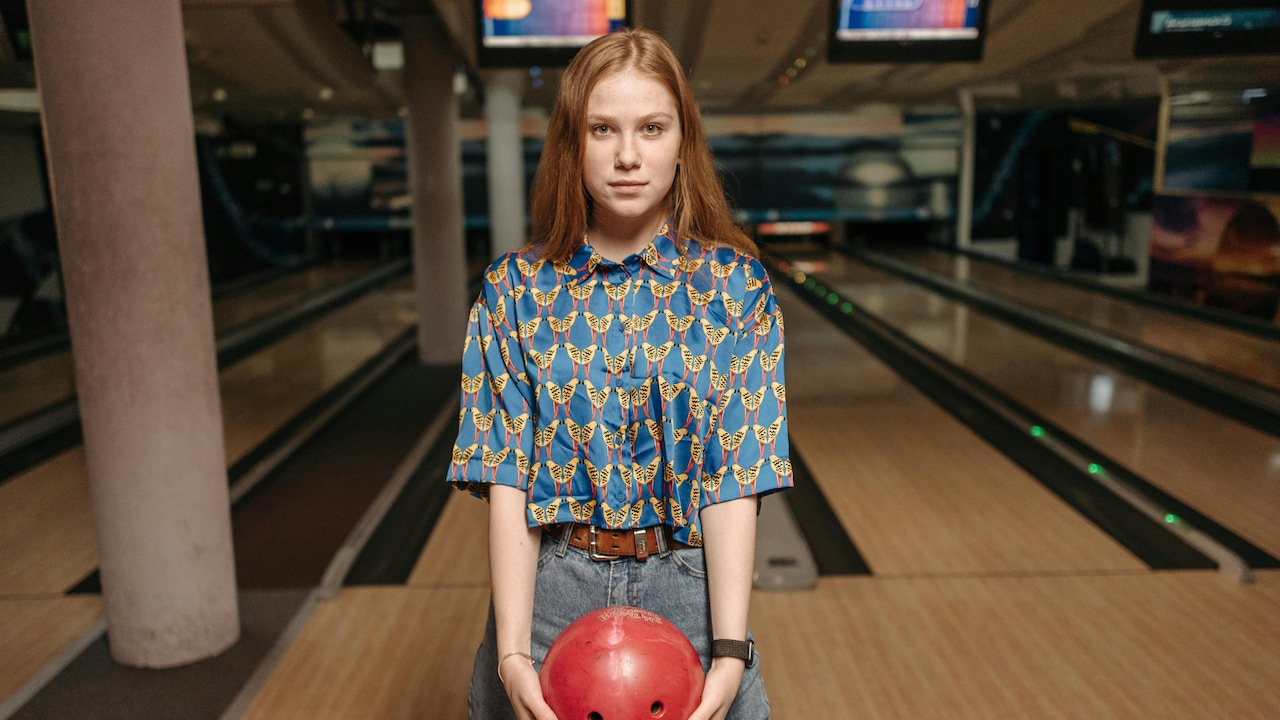
The answer lies not in fashion rules set in stone, but in small design decisions that shape perception. Premium-looking prints rely on balance, restraint, and intention. Loud prints often miss that harmony, tipping into excess or inconsistency. Understanding this contrast helps in choosing shirts that feel polished without losing character.
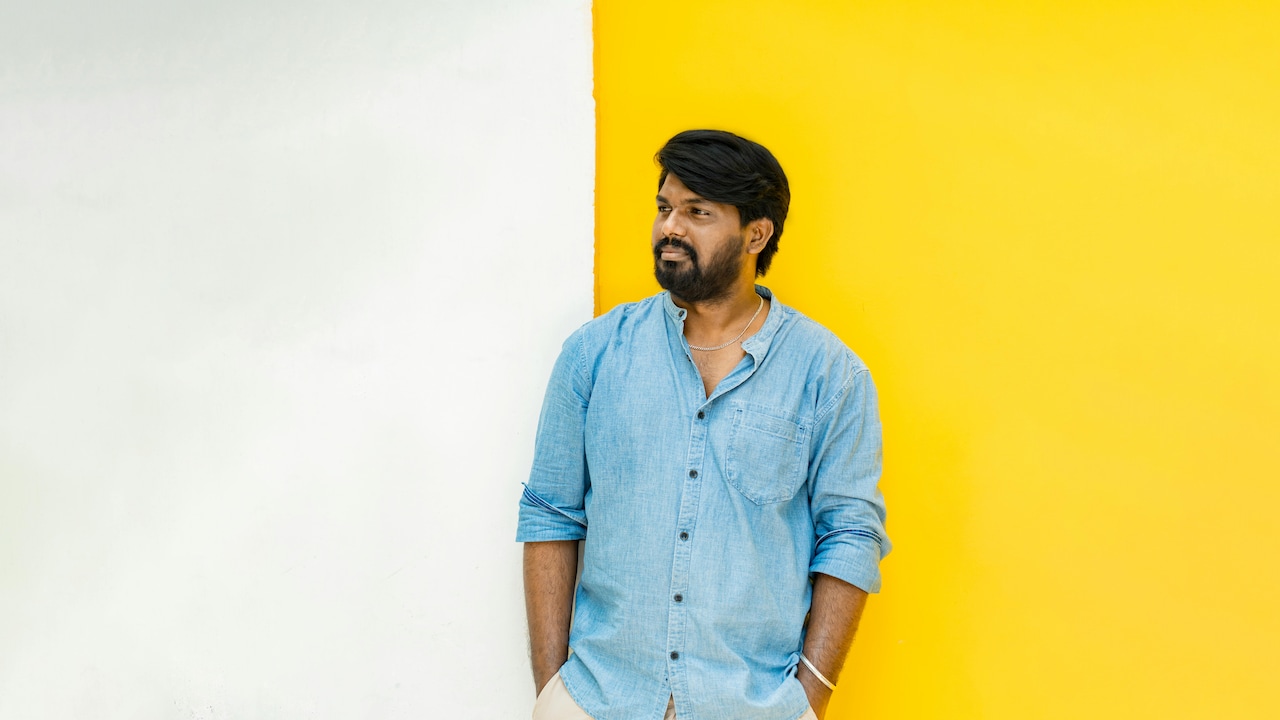
Why Some Printed Shirts Look Premium And Others Look Loud; Photo Credit: Pexels
What Separates A Premium Print From A Loud One
Fabric Quality Sets The Foundation
A printed shirt begins with its fabric. Even the most thoughtfully designed print struggles on a poor base. Premium shirts often use breathable cotton, linen blends, or smooth viscose that holds colour evenly. The print settles into the fabric rather than sitting awkwardly on top.
Lower-quality fabrics, on the other hand, can distort patterns. Colours may appear uneven, and the print may crack or fade quickly. This creates a visual noise that reads as cheap, even from a distance.
There is also a tactile element. A shirt that feels soft and structured at the same time signals care in production. When fabric drapes well, prints flow naturally with the body, enhancing their appeal. Cheap materials tend to cling or wrinkle unpredictably, making even a decent design look chaotic.
In essence, premium prints begin long before ink touches fabric. They start with a surface that respects the design.
Colour Palette Makes Or Breaks The Look
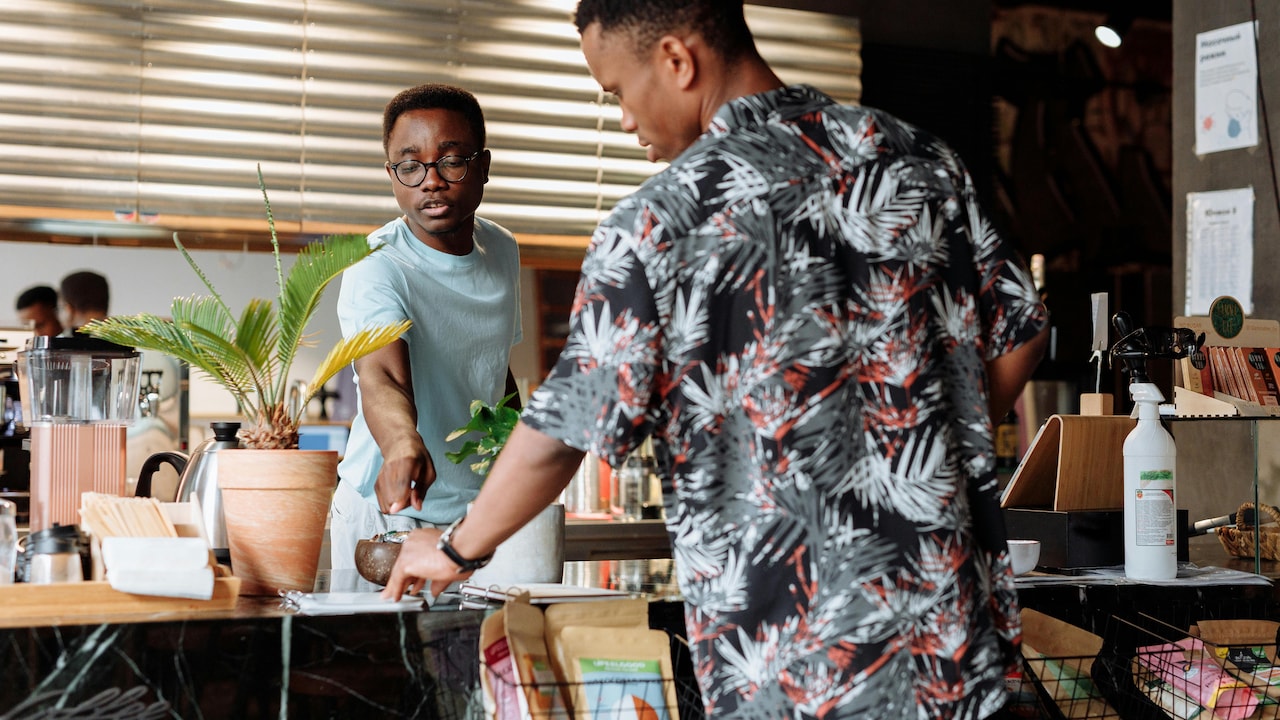
Colour is often the first thing noticed. Premium printed shirts usually stick to a cohesive palette. Even bold colours feel controlled because they complement each other rather than compete.
Loud shirts often rely on high contrast without harmony. Neon greens against sharp reds or overly saturated blues can overwhelm the eye. It creates a sense of visual fatigue rather than interest.
Muted tones, earthy shades, or slightly desaturated colours often give a more refined appearance. Even brighter palettes can feel premium when balanced with neutrals or softer undertones.
Think of it like a well-cooked dish. Too many spices ruin the flavour, but the right blend enhances it. The same applies to colours. When they work together, the shirt feels intentional. When they clash, it feels accidental.
Also Read: Top 7 Lightweight Shirts For Women That Work For Crowded Commutes And Still Look Stylish
Scale Of Print Determines Visual Balance
Print size plays a crucial role. Larger motifs tend to dominate, while smaller patterns create texture. Premium shirts usually strike a balance between the two.
Oversized prints can feel bold in a good way when spaced thoughtfully. However, when packed tightly or repeated without breathing room, they become overwhelming. Smaller prints, when too dense, can also appear busy and chaotic.
Well-designed shirts consider how the eye travels across the fabric. There is rhythm and spacing, allowing each element to stand out without crowding the rest.
The scale also interacts with body proportions. A well-sized print enhances the wearer, while an awkward scale can distort the overall look. Premium shirts seem to understand this instinctively.
Print Placement Shows Design Intelligence
A refined printed shirt pays attention to placement. Patterns align across seams, pockets, and collars. This detail may seem minor, but it creates a sense of continuity.
In louder shirts, prints often feel randomly placed. A floral pattern might cut awkwardly at the pocket, or stripes may not align at the buttons. These inconsistencies break the visual flow.
Thoughtful placement also considers focal points. A well-designed shirt guides attention subtly, rather than scattering it everywhere.
This attention to detail reflects craftsmanship. It shows that the design was planned, not rushed. And that difference is surprisingly noticeable, even to an untrained eye.
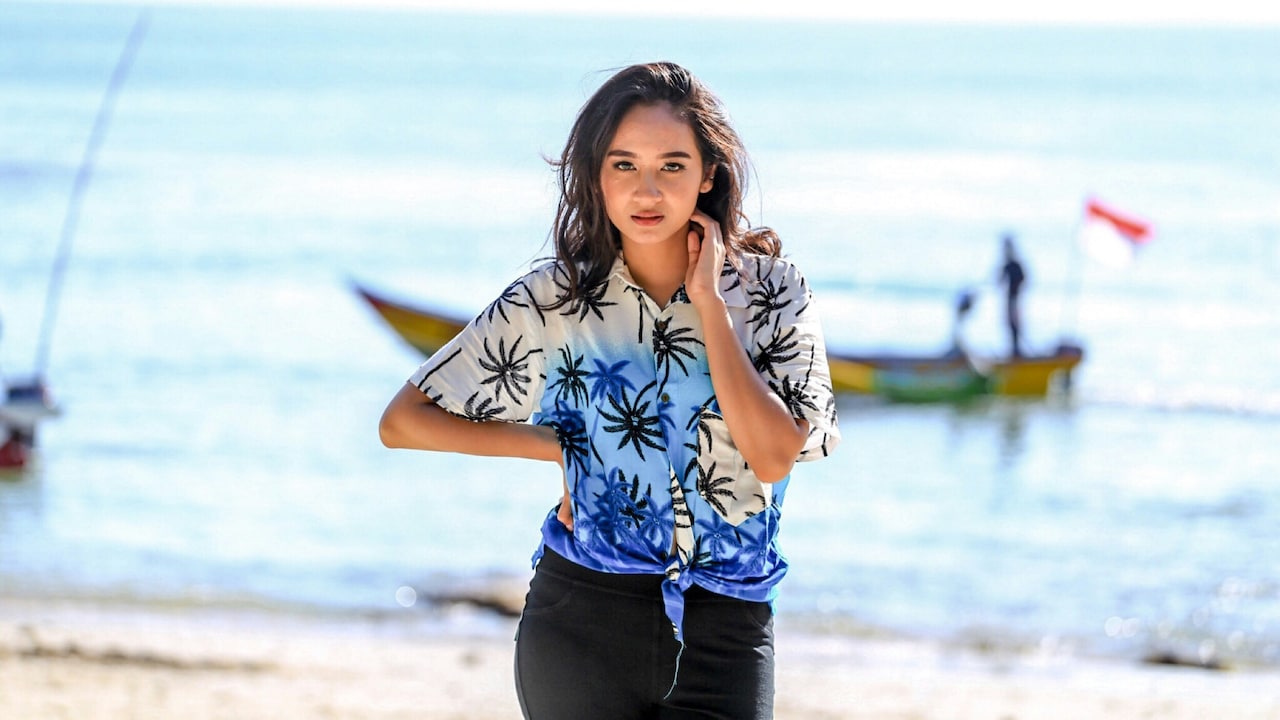
Why Some Printed Shirts Look Premium And Others Look Loud; Photo Credit: Pexels
Negative Space Creates Breathing Room
Negative space, or the absence of print, plays a powerful role. Premium shirts use it wisely. Empty areas allow the pattern to stand out and prevent visual clutter.
Loud designs often try to fill every inch with detail. This lack of breathing room makes the shirt feel crowded and overwhelming.
A balanced design knows when to pause. It allows the eye to rest before moving to the next element. This creates a sense of calm and sophistication.
In many ways, what is left out matters as much as what is included. Premium prints understand restraint, while loud ones often ignore it.
Pattern Complexity Needs Control
Complex patterns can be beautiful, but they require careful handling. Premium shirts manage complexity with clarity. Even intricate designs feel organised and purposeful.
Loud prints often confuse complexity with chaos. Multiple elements overlap without hierarchy, making it hard to focus on any one detail.
Good design introduces layers gradually. It invites the viewer to explore rather than overwhelming them at first glance.
A complex print should feel like a story unfolding, not a jumble of ideas competing for attention. That subtle difference defines whether a shirt feels refined or excessive.
Cultural References Need Subtlety
Printed shirts often draw inspiration from art, nature, or heritage motifs. When done well, these references add depth and character.
Premium designs reinterpret these elements with subtlety. They modernise traditional patterns without losing their essence.
Loud shirts sometimes exaggerate these motifs, turning them into caricatures. The result feels forced rather than authentic.
Subtlety allows the wearer to connect with the design without feeling like it is wearing them. It creates a sense of identity rather than costume.
This balance between inspiration and interpretation separates thoughtful design from overstatement.
Fit Enhances Or Ruins The Print
Even the best print can fail if the fit is off. Premium shirts complement the body, allowing the design to sit naturally.
A well-fitted shirt ensures that patterns align properly. It prevents distortion and maintains the intended visual flow.
Ill-fitting shirts stretch or bunch the print, creating awkward lines and uneven spacing. This instantly makes the shirt look less refined.
Fit also influences confidence. When a shirt feels comfortable and structured, it carries the print effortlessly. When it feels tight or loose in the wrong places, the print becomes secondary to discomfort.
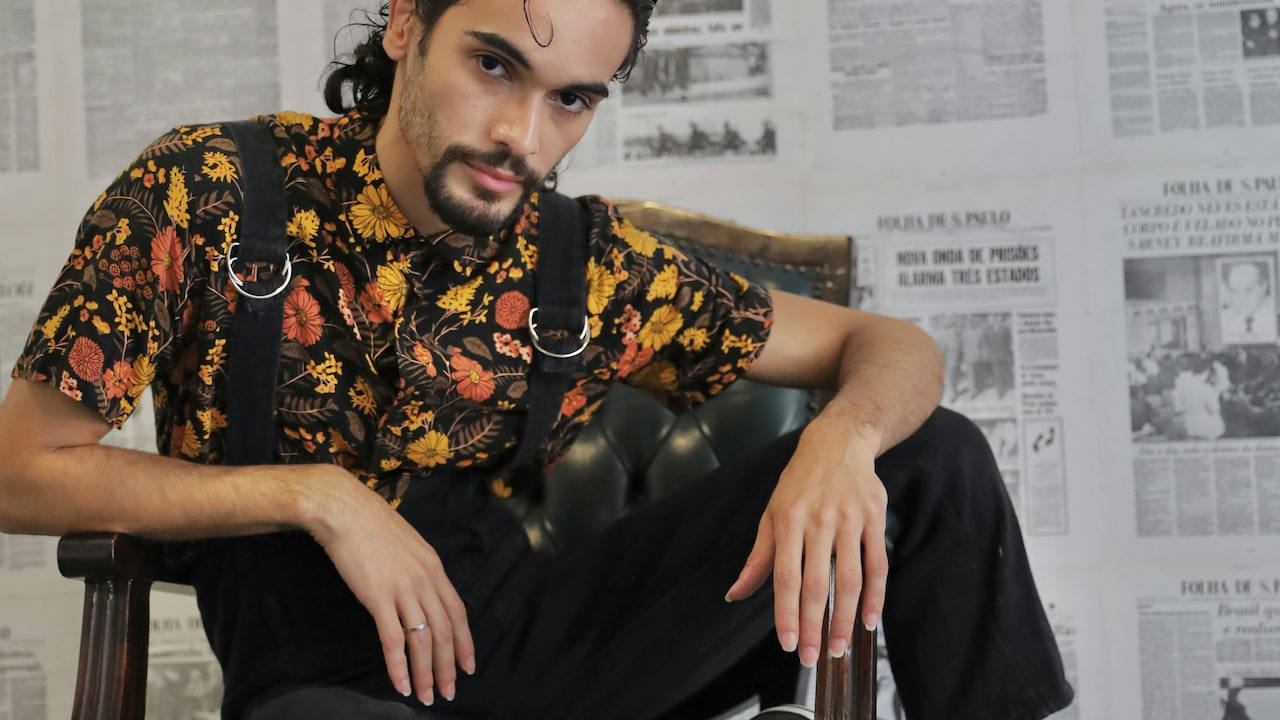
Why Some Printed Shirts Look Premium And Others Look Loud; Photo Credit: Pexels
In fashion, how something fits often matters more than what it looks like on the hanger.
Finishing Details Reflect Craftsmanship
Details like stitching, buttons, and collars may seem secondary, but they shape perception. Premium shirts feature clean stitching, sturdy buttons, and well-constructed collars.
These elements frame the print, enhancing its overall presentation. Even small imperfections can disrupt the polished look.
Loud shirts often overlook these details. Loose threads, uneven stitching, or cheap buttons can undermine the design.
Craftsmanship shows respect for the garment. It signals that care went into every stage of production, not just the visible pattern.
These finishing touches quietly elevate the shirt, making it feel complete.
Styling Context Changes Everything
A printed shirt does not exist in isolation. How it is styled affects how it is perceived. Premium prints tend to be versatile, pairing easily with neutral trousers or denim.
Loud prints often demand specific combinations to avoid clashing. This limits their wearability.
Context matters too. A bold print might feel appropriate at a beachside café but overwhelming in a formal setting.
Understanding where and how to wear a printed shirt makes a significant difference. A well-chosen piece adapts to different environments, while a louder one often feels restricted.
Ultimately, style is not just about the shirt itself, but how it fits into a larger picture.
Products Related To This Article
1. HERE&NOW Men Slim Fit Printed Casual Shirt
2. Stylecast X Slyck Opaque Printed Casual Regular Fit Shirt
3. Roadster The Lifestyle Co Men White & Navy Blue Regular Fit Printed Cotton Casual Shirt
4. all about you Ethnic Printed Full Puff-Sleeves Casual Shirt
5. Max Boys Printed Spread Collar Long Sleeves Casual Shirt
Printed shirts walk a fine line between expression and excess. The ones that feel premium rely on balance, thoughtful design, and attention to detail. They do not shout for attention; they earn it quietly.
Louder prints, while not inherently bad, often miss this balance. They overwhelm rather than engage, relying on intensity instead of harmony.
Choosing the right printed shirt is less about following trends and more about recognising these subtle differences. Fabric, colour, scale, placement, and fit all come together to create the final impression.
In the end, a great printed shirt feels effortless. It becomes part of the wearer's presence rather than competing with it. And that is what truly defines style.
(Disclaimer: This article may include references to or features of products and services made available through affiliate marketing campaigns. NDTV Convergence Limited (“NDTV”) strives to maintain editorial independence while participating in such campaigns. NDTV does not assume responsibility for the performance or claims of any featured products or services.)