Best Summer Dresses For Humid Weather: Fabrics That Do Not Cling Or Trap Sweat
Humidity makes dresses cling, but the right fabrics can fix that. Discover breathable materials, smart silhouettes, and simple hacks to stay cool, dry, and comfortable all summer.

Easy tips to choose summer dresses for humid weather
There's something oddly hopeful about pulling out summer dresses at the start of a new season. Bright colours, breezy silhouettes, and that promise of easy dressing, just slip one on and step out. Then humidity arrives, uninvited and unapologetic. Suddenly, that flowy dress clings in all the wrong places, and stepping outside feels like walking into a warm, damp hug that won't let go.
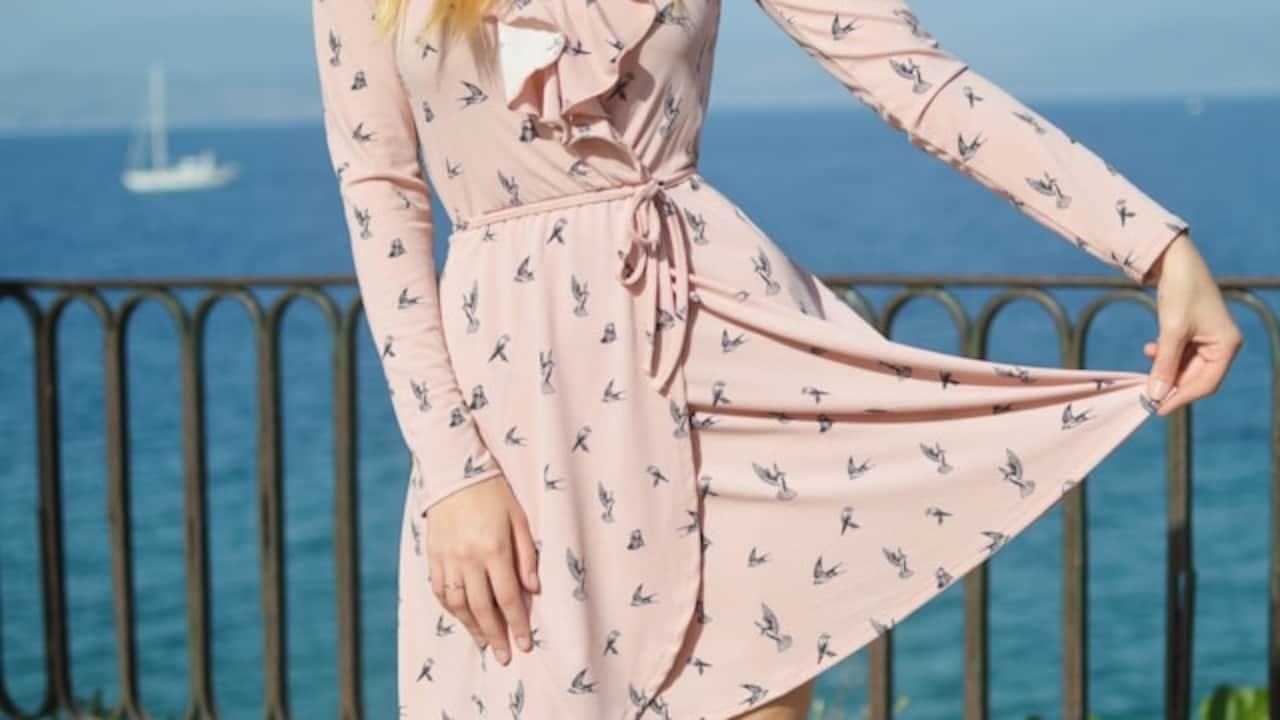
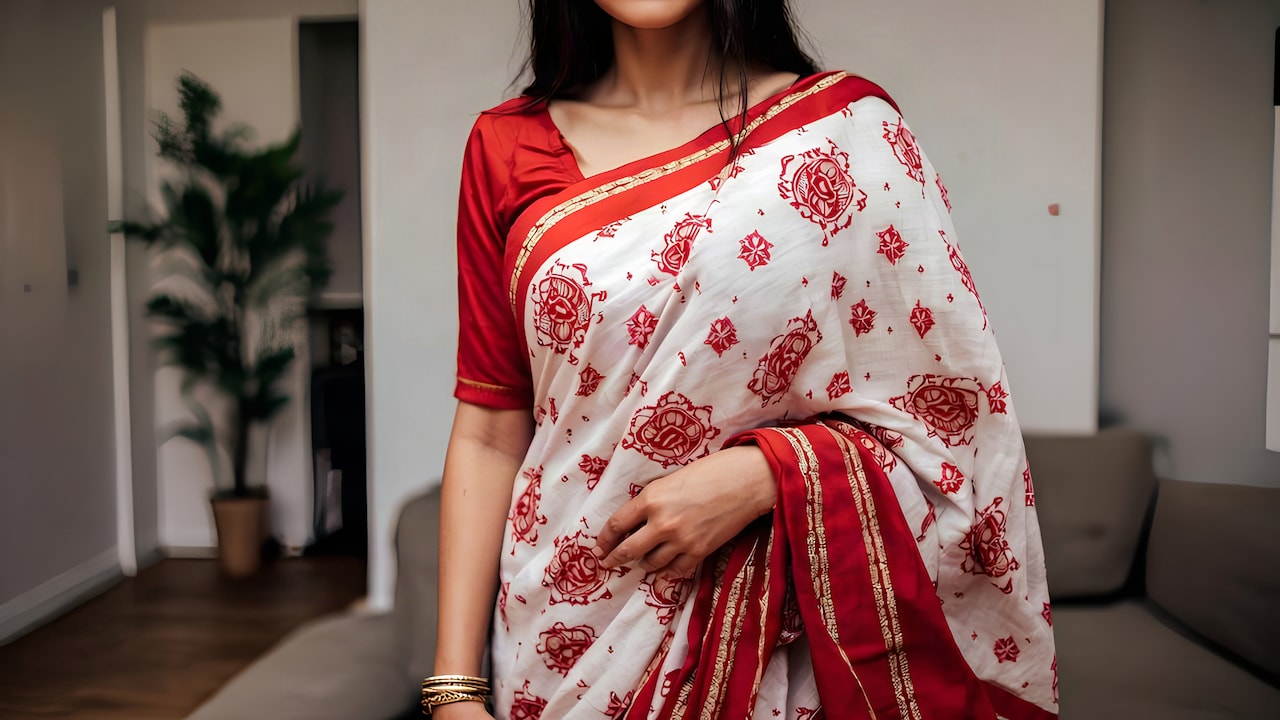
How to choose summer dresses that don't cling; Photo Credit: Unsplash
Hot, humid days aren't just about sweating more; they change how fabrics behave. Materials that felt soft in an air-conditioned store begin to stick, wrinkle, or trap heat. Comfort becomes just as important as style, if not more.
Thankfully, a few fabric hacks and thoughtful choices can make a dramatic difference. The right summer dress doesn't just look good, it moves with ease, allows airflow, and keeps skin feeling fresh. Think of it as dressing smarter, not lighter. From choosing breathable fibres to understanding how cuts and textures interact with moisture, these simple shifts can turn a frustrating outfit into a reliable favourite.
Also Read: Non-See-Through Summer Dresses That Stay Opaque Even In Bright Sunlight
Fabric And Fit Choices That Keep Summer Dresses Light And Breathable
Choose Natural Fibres That Breathe
Natural fibres remain the unsung heroes of summer dressing. Cotton, linen, and bamboo-based fabrics allow air to circulate freely, helping sweat evaporate instead of trapping it against the skin. That alone reduces the clingy, uncomfortable feeling that synthetic fabrics often cause.
Cotton, especially in lightweight weaves like voile or cambric, feels soft and breathable. Linen, though slightly crinkled in appearance, offers unmatched airflow. It doesn't stick, even on the most humid afternoons, making it perfect for long commutes or outdoor errands. Bamboo fabrics add a modern twist with their silky texture and moisture-wicking properties.
Walking through a crowded market or waiting for an auto under the sun becomes far more manageable in these fabrics. They don't trap heat, and they rarely feel suffocating. While synthetic blends may promise wrinkle resistance, they often compromise comfort. Prioritising natural fibres ensures the dress works with the weather rather than against it.
Avoid Polyester Blends, No Matter How Pretty
Polyester can look appealing on the rack, bright prints, smooth finish, and often more affordable. But in humid weather, it quickly becomes a trap. It holds onto heat and moisture, leaving skin damp and irritated.
That clingy sensation often comes from polyester's inability to absorb sweat. Instead of letting moisture escape, it creates a thin layer of stickiness between fabric and skin. Even a beautifully cut dress can feel uncomfortable within minutes outdoors.
There's also the issue of odour retention. Polyester tends to hold onto smells more than natural fibres, which can become noticeable during long days out. For anyone hopping between public transport, office spaces, and outdoor errands, this becomes a practical concern.
Choosing dresses that avoid or minimise polyester blends can make a surprising difference. Even if the price tag is slightly higher, say ₹1,200 instead of ₹800, the comfort gained throughout the day makes it worthwhile. After all, a dress that looks good but feels unbearable rarely gets worn twice.
Opt For Loose Silhouettes Over Body-Hugging Fits
Fit matters just as much as fabric. Even breathable materials can cling if the silhouette is too tight. Loose, relaxed cuts allow air to circulate and prevent fabric from sticking to damp skin.
A-line dresses, tiered styles, and shift silhouettes work beautifully in humid weather. They create space between the body and the fabric, reducing friction and discomfort. Movement feels freer, whether navigating busy streets or sitting through a long day.
Body-hugging dresses, on the other hand, tend to emphasise every patch of sweat. They cling around the waist, hips, and back, making the wearer constantly aware of the humidity. It's not just about aesthetics, it's about ease.
Loose silhouettes also bring a certain effortless charm. They don't try too hard, yet they look put together. Paired with comfortable sandals and minimal accessories, they become a go-to choice for both casual outings and relaxed workdays.
Embrace Textured Fabrics Like Seersucker
Texture can be a secret weapon against clinginess. Fabrics like seersucker, crinkled cotton, and dobby weaves don't sit flat against the skin. Their uneven surface creates tiny pockets of air, reducing contact and improving breathability.
Seersucker, with its puckered stripes, is especially effective. It lifts slightly off the skin, allowing airflow even when humidity levels rise. The result is a dress that feels light and non-sticky throughout the day.
Crinkled fabrics also hide sweat marks better than smooth ones. That adds an extra layer of confidence, especially during long hours outdoors. There's no need to worry about visible patches or constant adjustments.
These textures bring visual interest too. They add depth without relying on heavy embellishments or layers, which can feel uncomfortable in warm weather. A simple textured dress often feels more thoughtfully styled than a plain, flat fabric.
Go For Lighter Colours And Prints
Colour plays a subtle yet important role in how a dress feels. Dark shades absorb more heat, making them less ideal for humid days. Lighter colours reflect sunlight, helping keep the body cooler.
Soft pastels, whites, and muted tones work particularly well. They don't just look fresh, they feel cooler to wear. Prints can also help disguise sweat marks, especially in areas like the back or underarms.
Florals, stripes, and abstract patterns add personality while serving a practical purpose. They break up the surface of the fabric, making any moisture less noticeable. It's a small detail, but one that makes a big difference in comfort and confidence.
Choosing the right colour palette turns a dress into more than just clothing. It becomes a tool for managing heat, helping the wearer stay composed even on the stickiest afternoons.
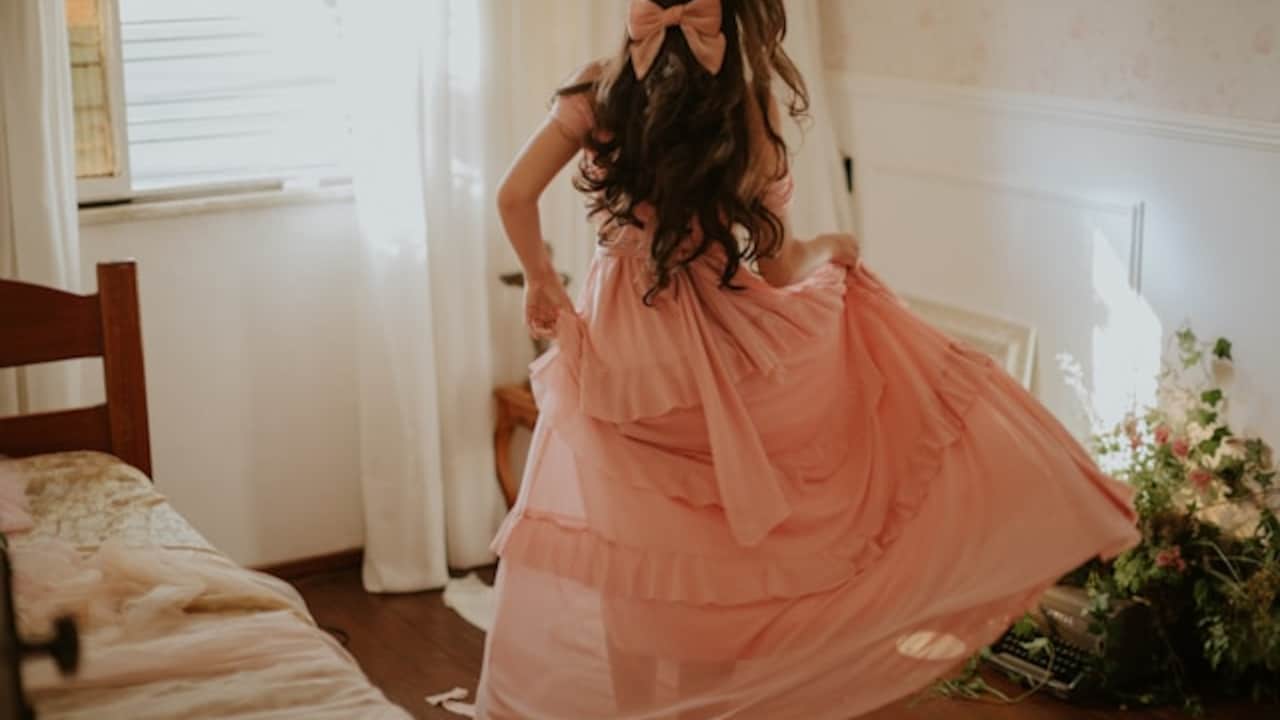
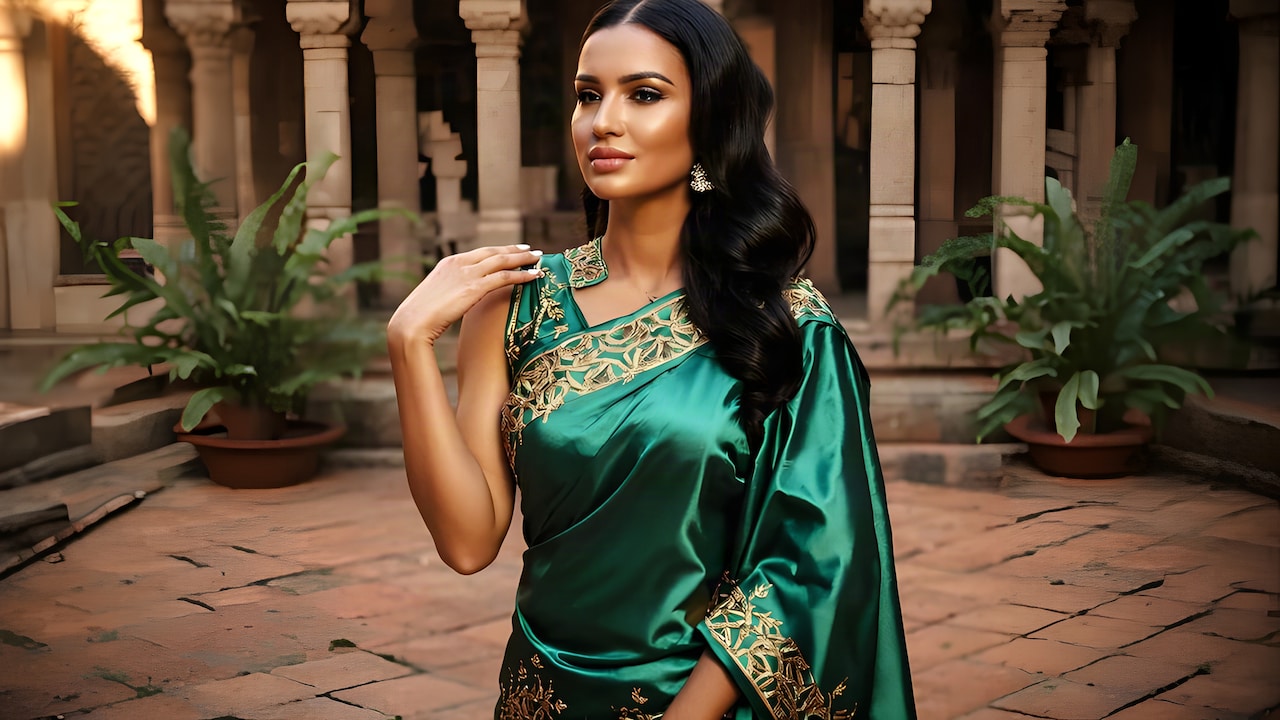
Choose lighter colours that don't trap heat and look summery; Photo Credit: Unsplash
Prioritise Sleeveless Or Wide-Sleeve Designs
Sleeves can make or break a summer dress. Tight, fitted sleeves often trap heat and restrict airflow, leading to discomfort and visible sweat patches. Sleeveless designs or wide, airy sleeves offer a better alternative.
Sleeveless dresses allow maximum ventilation, especially around the underarms, where sweat tends to accumulate. For those who prefer some coverage, flutter sleeves or kimono-style sleeves strike a perfect balance. They provide comfort without trapping heat.
Wide sleeves also add movement to the dress. They flow with each step, creating a breezy, relaxed look. That sense of movement contributes to the overall feeling of lightness, which becomes essential in humid conditions.
The right sleeve design transforms how a dress feels throughout the day. It's not just about appearance; it's about staying cool without constant discomfort.
Invest In Moisture-Wicking Inner Layers
Sometimes, the solution lies beneath the dress. Lightweight, moisture-wicking inner layers can prevent fabric from sticking directly to the skin. They absorb sweat and allow the outer layer to remain dry and comfortable.
Modern options feel barely there, offering coverage without adding bulk. They work particularly well under slightly sheer fabrics or dresses made from delicate materials. The result is a smoother, more breathable experience.
These inner layers also reduce friction, preventing irritation during long walks or commutes. For those spending hours outdoors, this can make a noticeable difference.
While it might seem counterintuitive to add another layer in humid weather, the right material actually enhances comfort. It creates a barrier that keeps the dress from clinging, allowing the wearer to move freely and confidently.
Pay Attention To Dress Length And Ventilation
Length affects airflow more than expected. Dresses that are too long or too tight around the legs can restrict movement and trap heat. Midi and knee-length dresses often provide the best balance.
Slits, side vents, and tiered designs improve ventilation. They allow air to circulate, preventing the fabric from sticking to the legs. Walking feels easier, and the overall outfit feels lighter.
Shorter dresses can also work well, especially during peak summer. However, comfort should guide the choice rather than trends. A dress that allows easy movement and airflow will always feel better than one that looks stylish but feels restrictive.
The goal is to create space for air to move. When that happens, the dress becomes an ally against humidity rather than a source of discomfort.
Keep Accessories Minimal And Breathable
Accessories can add charm, but in humid weather, less is often more. Heavy jewellery, thick belts, and layered pieces can trap heat and make an outfit feel overwhelming.
Opting for lightweight accessories, like simple earrings or a breathable fabric belt, keeps the focus on comfort. Natural materials such as jute, cotton, or wood complement summer dresses beautifully without adding weight.
Footwear matters too. Open sandals or breathable flats allow airflow, preventing discomfort during long walks. Closed shoes can trap heat, making the entire outfit feel heavier.
The right accessories enhance a dress without competing with it. They add personality while maintaining the light, breezy feel that summer dressing demands.
Trust Your Comfort Over Trends
Trends come and go, but comfort remains constant. A dress that feels good will always look better than one chosen purely for style. Humid weather has a way of revealing whether an outfit truly works.
Listening to how a fabric feels on the skin becomes more important than following seasonal trends. If a dress feels sticky within minutes, it's unlikely to become a favourite, no matter how fashionable it appears.
Personal style shines through when comfort meets confidence. A simple cotton dress worn with ease often stands out more than an elaborate outfit that requires constant adjustment.
Choosing wisely doesn't mean sacrificing style. It means understanding what works in real conditions and building a wardrobe that supports everyday life. That balance creates outfits that feel as good as they look.
Products Related To This Article
1. DEBONATELLA Red Floral Sleeveless Dress
2. Taavi Women Dabu Block Print V-Neck Pure Cotton Summer Dress
3. HERE&NOW Bodycon Maxi Dress
4. Anouk Floral Print Puff Sleeve A-Line Maxi Dress
5. PURVAJA Linen Fit & Flare Midi Dress
6. GENZILOOKS Floral Print Fit & Flare Dress
7. WOCLO ENTERPRISE Print Flutter Sleeve Ruffled Midi Dress
Dressing for humid weather can feel like a challenge, but it doesn't have to be a losing battle. With thoughtful fabric choices, breathable silhouettes, and a few practical tweaks, summer dresses can remain light, comfortable, and stylish.
The key lies in understanding how materials behave in heat and moisture. Natural fibres, loose cuts, and textured fabrics work quietly in the background, making each outfit feel effortless. Small details, like sleeve design, colour choice, and even accessories, add up to create a noticeable difference.
Ultimately, the best summer dress is one that allows movement, breathability, and confidence. When comfort becomes the priority, style naturally follows. And on those sticky, sun-soaked days, that balance makes all the difference.
(Disclaimer: This article may include references to or features of products and services made available through affiliate marketing campaigns. NDTV Convergence Limited (“NDTV”) strives to maintain editorial independence while participating in such campaigns. NDTV does not assume responsibility for the performance or claims of any featured products or services.)