10 Best Fabrics That Do Not Fade After Washing: Long-Lasting Clothes for Everyday Wear
Tired of seeing your favourite clothes lose their charm after a few washes? Choosing the right fabric can make all the difference. This is a guide to the best materials that stay vibrant and fresh even after countless spins in the washing machine. Let's make your wardrobe as long-lasting as your love for comfort!

Things you need to know about picking fabrics that do not fade after washing.
There's something deeply satisfying about slipping into freshly washed clothes, soft, clean, and smelling divine. Yet, nothing ruins that joy faster than realising your once-bright kurta now looks dull, or your favourite T-shirt has faded into a sad, washed-out version of its former self. In our climate, with dust, humidity, and the occasional food stain from a hearty plate of biryani, frequent washing is unavoidable. But washing often doesn't have to mean saying goodbye to colour or texture. The trick lies in choosing fabrics that can take a good beating from laundry detergent and still come out looking fresh.
Here's a deep dive into the best fabrics that can survive frequent washing without losing their shine, texture, or charm.
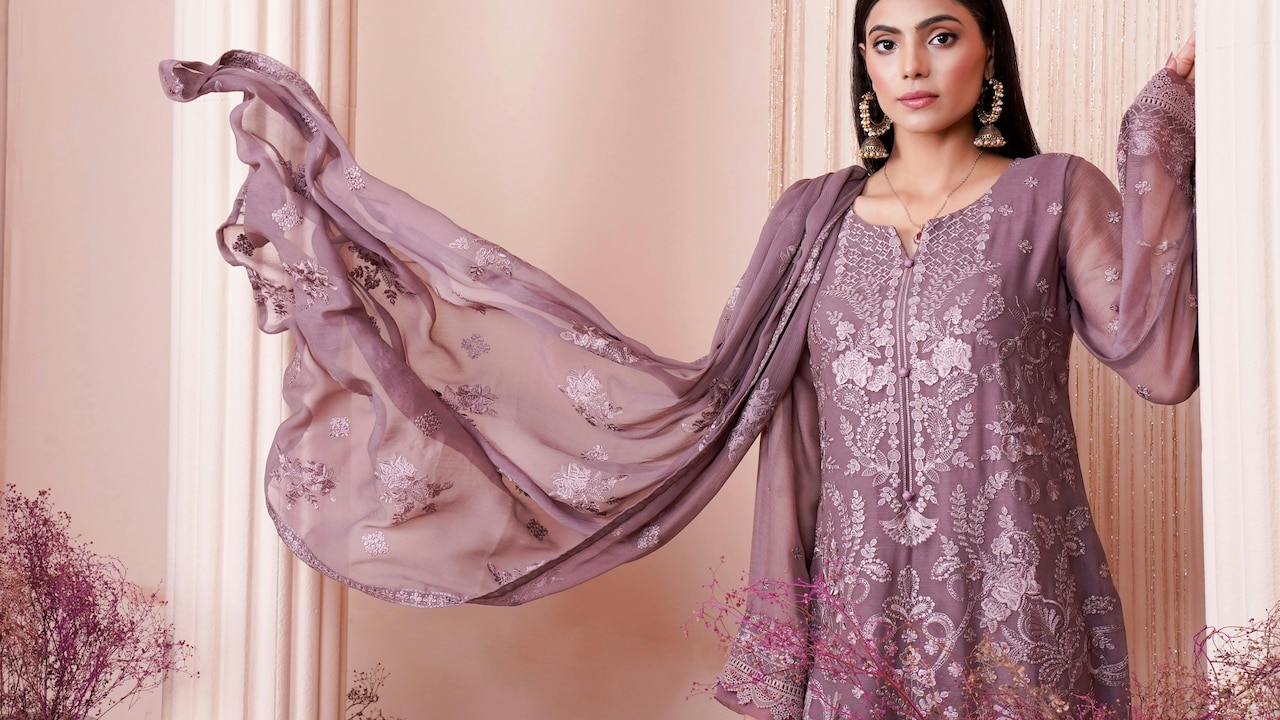
Check out the fabrics that don't not fade after washing; Photo Credit: Pexels
Also Read: Monochrome Fashion: 10 Simple Ways to Look Chic and Confident
Top Fabrics That Refuse to Fade: Even After Dozens of Washes
1. Cotton – The Everyday Classic That Never Disappoints
Cotton is like that dependable friend who never lets you down. Soft, breathable, and versatile, it's the first choice for daily wear in warm weather. The beauty of cotton lies in its natural fibres, which can handle frequent washing without losing strength.
However, not all cottons are made equal. Combed or mercerised cotton is more durable and less prone to fading. Think of those crisp white shirts that still look new after a year, that's mercerised cotton magic. The key lies in how the fibres are treated; this strengthens them and helps retain dyes longer.
Washing cotton in cold or lukewarm water and drying it in the shade can keep it vibrant. A splash of fabric conditioner can also soften the texture and preserve colours. Whether it's your daily kurta, formal shirt, or soft bedsheet, cotton always manages to bounce back after every wash.
2. Linen – The Fabric That Ages Gracefully
Linen has an old-world charm that feels timeless. Woven from flax fibres, it's known for its crisp texture and ability to get softer with every wash. Instead of fading, linen tends to develop a subtle, elegant sheen as it ages, a bit like fine wine improving with time.
Its natural fibres make it highly durable, and the fabric doesn't trap dirt easily, reducing the need for harsh scrubbing. Even after multiple washes, good-quality linen retains its structure and texture. That's why it's often a favourite for summer shirts, sarees, and trousers that need both style and endurance.
The only catch? Linen wrinkles easily, but that's part of its charm. A quick iron or a gentle steam, and it's back to looking effortlessly stylish. For anyone seeking a fabric that can endure regular washing and still look sophisticated, linen is a clear winner.
3. Denim – The Rugged Rebel That Loves a Good Wash
Denim practically thrives on washing. In fact, a well-worn pair of jeans tells its own story through every wash mark and crease. The fabric's tightly woven cotton twill structure makes it incredibly strong and resistant to wear and tear.
Unlike delicate materials, denim doesn't shy away from frequent washing, it transforms. The colour may lighten slightly, but instead of fading in a dull way, it develops character. That's why vintage denim is so loved, it's not just fabric; it's personality stitched into threads.
To keep denim in great shape, turn it inside out before washing and use mild detergent. Skip hot water and direct sunlight, and your jeans will retain their deep blue hue for years. A sturdy pair of denim trousers is not just a fashion staple; it's an investment in durability.
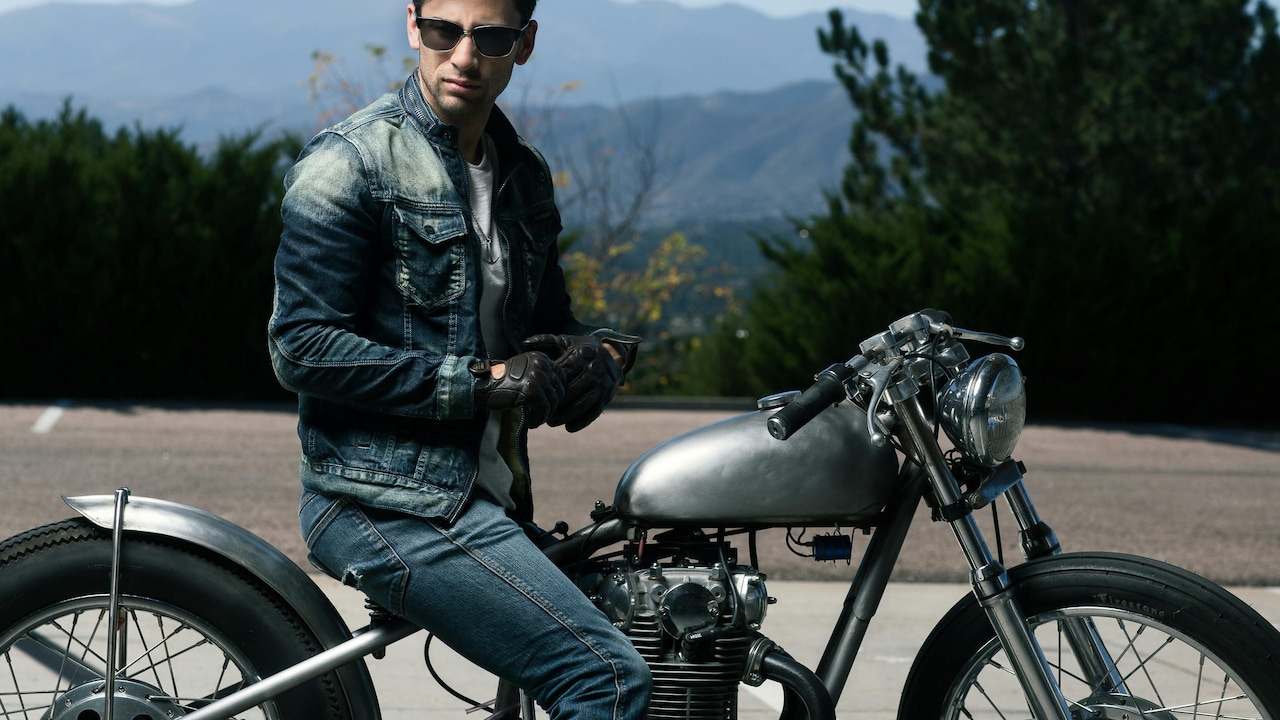
Unlike delicate fabrics, denim doesn;t get easily damaged; Photo Credit: Pexels
4. Polyester – The Wash-and-Wear Wonder
If there were an award for the easiest fabric to maintain, polyester would win hands down. It's practically immune to shrinking, wrinkling, or fading. This synthetic fibre doesn't absorb much water, so it dries quickly and retains its shape beautifully.
Polyester's resilience makes it a top choice for uniforms, sportswear, and casual tops. For those who don't have the time or patience for delicate laundry care, polyester is a blessing. You can toss it into the washing machine multiple times a week without worrying about dullness or colour bleeding.
The trick with polyester is to avoid high heat. Gentle washing cycles and air drying keep it looking new for ages. Plus, its affordability means you get value for every rupee spent. If low-maintenance and long-lasting appeal are your goals, polyester is your perfect pick.
5. Rayon – The Stylish All-Rounder
Rayon often gets mistaken for delicate, but this semi-synthetic fabric can be surprisingly durable when treated right. Made from regenerated cellulose, it offers the comfort of natural fibres with the resilience of synthetics.
The secret to keeping rayon's colour intact lies in gentle washing. Cold water and mild detergents prevent fading, while avoiding the dryer helps retain texture. When maintained properly, rayon outfits, especially kurtis and flowy dresses, keep their vibrancy even after frequent washing.
Rayon also drapes beautifully and absorbs dye exceptionally well, meaning your prints and patterns stay bright and lively. Perfect for those who love bold colours and soft textures, rayon combines elegance with endurance, making it a wardrobe favourite that refuses to fade away.
6. Nylon – The Unsung Hero of Everyday Wear
Nylon might not sound glamorous, but it's a powerhouse when it comes to durability. Created to mimic silk yet tougher than most natural fibres, nylon can take on frequent washing without batting an eyelid. It's resistant to shrinking, stretching, and colour loss, making it perfect for innerwear, activewear, and even saree petticoats.
Since nylon dries quickly, it's great for humid weather when clothes take forever to dry. Its smooth texture also resists dust and stains, reducing the need for rough scrubbing that leads to fading. Just avoid high heat during ironing, it's sensitive to extreme temperatures.
When you're juggling daily laundry and don't want to worry about fading or fabric fatigue, nylon is that silent supporter that always shows up looking fresh.
Nylon dires quickly and is great for days when clothes take forever to dry; Photo Credit: Pexels
7. Blended Fabrics – The Best of Both Worlds
Sometimes, the smartest move is not choosing one fabric but combining two. Blended fabrics like poly-cotton or cotton-linen mix the softness of natural fibres with the strength of synthetics. These blends are engineered to handle frequent washing while retaining comfort and colour.
Take poly-cotton, for instance; it's breathable, strong, and resists wrinkles. Cotton-linen blends, on the other hand, stay cool and crisp yet last longer than pure linen. Such blends make excellent office wear or school uniforms, where daily washing is inevitable.
The bonus? They cost less than pure fabrics but offer double the benefits. With smart maintenance, gentle detergent, cold water, and shade drying, blended fabrics can easily outlast their natural counterparts, keeping both your wardrobe and wallet happy.
8. Bamboo Fabric – The Eco-Friendly Toughie
Bamboo fabric is the rising star of the textile world, and for good reason. It's soft like silk yet surprisingly resilient. Derived from bamboo pulp, it resists fading, shrinking, and even odour build-up. That's why it's increasingly popular in everything from towels to T-shirts.
What sets bamboo apart is its ability to retain colour brilliance. Even after multiple washes, the fabric maintains a fresh, luxurious look. It's naturally antibacterial and breathable, making it a great choice for warm climates.
Though slightly on the pricier side (a good bamboo T-shirt may cost around ₹1,200), its longevity makes it a smart investment. For anyone seeking sustainable style that endures, bamboo fabric ticks all the boxes, eco-friendly, comfortable, and built to last.
9. Wool Blends – The Winter Survivors
When temperatures drop, wool becomes the go-to fabric. But pure wool, though warm and luxurious, can be tricky to wash. That's where wool blends come in; mixing wool with synthetic fibres makes it more washable and fade-resistant.
Wool-polyester blends or wool-acrylic combinations are particularly good at handling frequent laundering without losing their shape or colour. They dry faster and are less prone to shrinking. Perfect for sweaters, shawls, and coats that demand both warmth and durability.
To keep them looking fresh, wash in cold water with a gentle detergent and dry flat. With proper care, wool blends remain vibrant and snug, making them worth every rupee spent when winter rolls around.
Unlike pure wool, wool polyester and wool crylic blends handle washing better; Photo Credit: Pexels
10. Khadi – The Timeless Symbol of Endurance
Khadi is more than a fabric; it's a legacy woven with patience and pride. Handspun and handwoven, khadi cotton and silk blends are surprisingly sturdy. They can withstand repeated washing and still retain their rustic charm.
Each wash makes khadi softer and more comfortable, without dulling its earthy tones. It's ideal for those who prefer natural fabrics with character. Plus, since khadi breathes beautifully, it's perfect for long, humid days.
Caring for khadi is simple: hand-wash with mild soap, dry in the shade, and iron when slightly damp. Its longevity makes it a sustainable choice that connects comfort, culture, and craftsmanship. In a world obsessed with fast fashion, Khadi stands as a proud reminder that quality never fades.
Products Related To This Article
1. Sangria Boys Pure Cotton Printed Clothing Set
2. ROZLAND Women Round Neck Printed Cuffed Sleeves Fit & Flare Maxi Dress
3. StitchX Men's Full Sleeve Textured Double Cloth Mandarin Collar Shirt
4. Reistor Floral Emboridered Shirt Collar Shirt Style Top
5. Cloth Haus India Ethnic Motifs Woven Design Brocade Straight Kurta With Trousers
6. CALYX CLOTHING Girls Checked Full-Sleeved Midi-Length Cotton Dress
7. CARBONN CLOTH Men Loose Fit Mid-Rise Trousers
8. Anouk Yellow Floral Embroidered Mandarin Collar Sequins Straight kurta
Clothes, like memories, deserve to last. But the secret to keeping them fresh lies not in expensive detergents or fancy washing machines, it's in the fabric itself. Whether it's the timeless charm of cotton, the sophistication of linen, or the resilience of polyester, choosing the right material saves both money and heartache.
In a world where trends change faster than the weather, investing in fabrics that can handle frequent washing is a small but wise act of self-care. After all, a well-loved shirt that still looks new after dozens of washes isn't just fabric, it's a quiet victory against fading, both literal and metaphorical.
Disclaimer: The images used in this article are for illustration purpose only. They may not be an exact representation of the products, categories and brands listed in this article.