Blazer Fit Guide: Simple Rules for Perfect Shoulders, Sharp Length and Clean Lapels
A blazer that fits well can lift a persons presence faster than a fresh haircut. Yet many people buy one off the rack and hope for magic. Explore how a ready-made blazer looks like it came straight from a bespoke studio. 10 tips to choose blazers that sit right.

A Simple Guide to Blazers That Look Tailored Off the Rack: Shoulder Fit, Length, Lapels.
A well-fitted blazer sits at the heart of timeless style. Whether heading to a meeting in Bengaluru traffic, attending a cousin's engagement in Jaipur, or dressing up for a night out in Mumbai, a blazer can sharpen any look. But good tailoring often feels like a luxury, especially when prices for alterations can run into thousands of rupees. Many people walk into a store, pick a blazer that “seems fine”, and only later realise the sleeves feel odd, the shoulders jut out, or the lapels flop like loose bookmarks. Instead of depending on luck or expensive tailoring, a few simple checks can help a ready-made blazer fit almost like a custom piece.

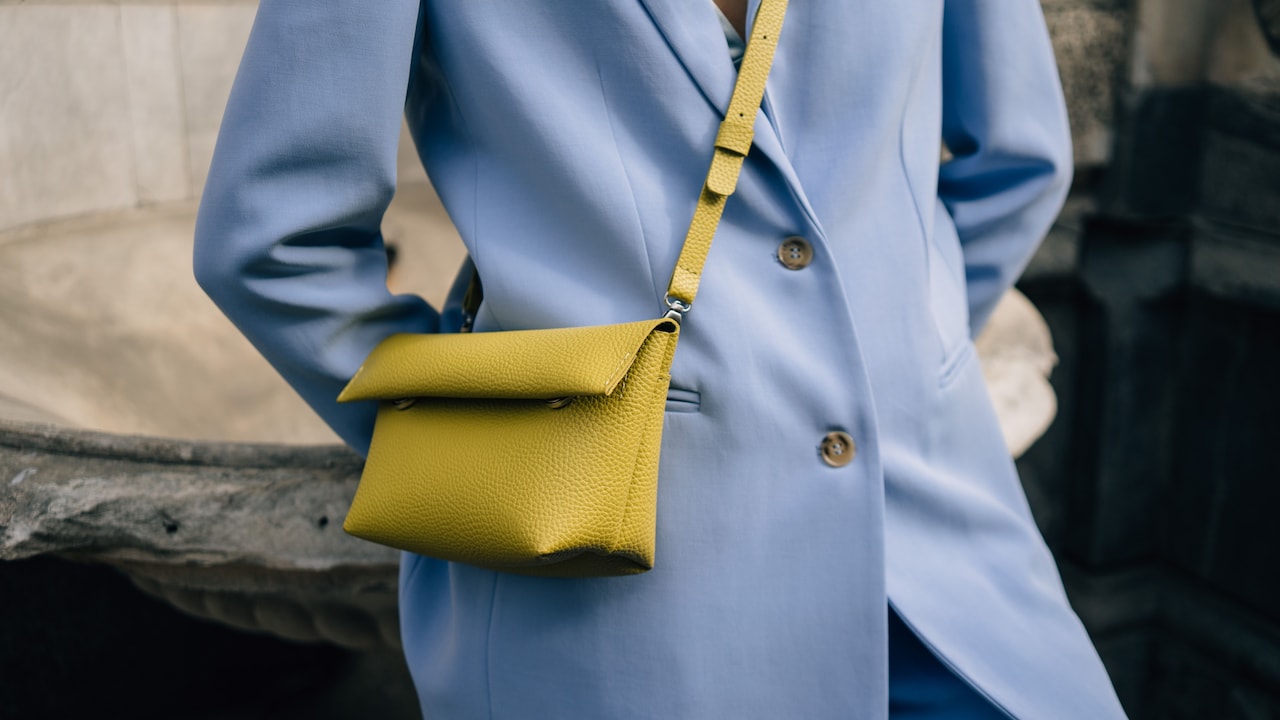
Use these tips to make your blazer fit right; Photo Credit: Pexels
This blazer fit guide breaks those details down into clear, friendly steps, each small, each doable, and each making a big difference.
Also Read: Why Every Guy Needs One Casual Blazer That Works For Dates And Dinners
Key Elements That Make a Blazer Look Expertly Tailored
1. Shoulder Fit: The Deal-Maker
The shoulders of a blazer create its entire structure, so this area deserves the most attention in the trial room. Many people size up to feel “comfortable”, but that extra room pushes the shoulders outward and creates dents or ripples. Once those dents appear, no tailor can save the blazer. A shoulder seam must sit right where the shoulder bone ends. Too long, and the blazer looks borrowed; too short, and the arm will feel trapped.
Placing a hand lightly between the shoulder pad and the upper arm helps test comfort. There should be firmness, not stiffness. Imagine carrying a laptop bag or hopping into a cab. Movement should feel smooth without any tugging. A crisp, clean shoulder gives off the impression that the blazer came straight from a specialist, even when it came off a discount rack in a mall in Pune.
Good shoulder fit works like good posture; it makes everything else look sharper without any extra effort.
2. Sleeve Length: The Quiet Detail That Shows Refinement
Sleeves may look like a small detail, but they say more about elegance than many people realise. A blazer sleeve should end right at the wrist bone, allowing about half a centimetre of shirt cuff to show. Too long, and the blazer looks sloppy. Too short, and the look appears hurried, like someone rushed out without checking the mirror.
In busy stores, mirrors can be deceptive, so it helps to bend the elbows while checking sleeve length. This small movement reveals if the fabric rises too much or bunches up. Sleeves that feel too loose often look worn-out with time, while sleeves that sit just right stay sharp for years.
In tropical weather where full sleeves can feel warm, a well-cut blazer sleeve adds visual balance and comfort. During a festive gathering or an office event where photos keep clicking, sleeve length quietly enhances the overall look. Even a simple ready-made blazer can look premium when the sleeves hit the perfect spot.
3. Blazer Length: Getting the Proportions Right
Length determines the blazer's entire silhouette. The old rule of “cover the backside” still holds because it naturally balances the body. When trying one on, check if the blazer ends around the mid-palm level when arms rest straight. That usually ensures a good proportion for most body shapes.
Shorter blazers work for casual occasions but can appear trendy in a way that fades fast. Longer blazers tend to swallow the frame and reduce sharpness. A well-cut length gives a sense of strength and stability, something that works wonderfully in workplace settings or formal family occasions.
Traffic, travel or humid weather can crease clothes, but length stays dependable. Even after hours of activity, a blazer with balanced proportions continues to look polished. Good length helps the body appear straighter and more defined, without drawing undue attention. This simple detail keeps the blazer flattering and timeless.

Get the right blazer length based on your body type; Photo Credit: Pexels
4. Lapel Width: Matching Face and Frame
Lapels influence how the upper body appears. Slim lapels suit slimmer frames, while broader lapels add balance to broader shoulders. When lapels match the wearer's proportions, the blazer naturally looks custom-made. As a quick rule, the lapel width should sit close to the width of the face. This connection creates visual harmony.
Overly narrow lapels tend to make the blazer look inexpensive. Very wide ones may feel dramatic and out of place unless styled intentionally. Most off-the-rack blazers in local stores stick to mid-width lapels, which usually work for everyday settings.
During weddings, office presentations or festival dinners, photos tend to emphasise the neckline. Lapels frame that area, so they matter more than many people notice. A well-chosen lapel brings the outfit together effortlessly, giving the impression of thoughtful dressing, even when done on a budget.
5. Button Stance: Where the Blazer Breaks
Button stance refers to the position of the top button on a two-button blazer. This small detail decides how well the blazer drapes across the chest. The button should sit just above the natural waistline. This helps create a clean “V” shape that flatters nearly every body type.
When the button sits too high, the blazer rides up and makes the torso look shorter. When too low, it pulls awkwardly and makes the midsection appear boxy. A correct stance helps the blazer fall naturally, especially when walking through a hallway at work or greeting relatives at a family event.
With a good button stance, the blazer stays sharp even when unbuttoned. The front panels hang cleanly, and the chest area maintains structure. These little touches quietly elevate the entire outfit.
6. Vent Style: Single or Double?
Vents, the slits at the back, can change both comfort and appearance. Many blazers come with a single vent, which works well but can flare out for people with broader hips. Double vents give more movement and often appear more refined. They allow the blazer to drape neatly even when slipping a phone into the trouser pocket or reaching for a wallet.
When sitting for long periods, such as during office hours or long drives, double vents reduce creasing. They also prevent the fabric from bunching up. Single vents tend to be more common in fast-fashion stores, but those who enjoy crisp lines will appreciate the elegance of double vents.
Choosing the right vent style adds functionality without complicating the shopping experience. Once understood, this simple detail helps any ready-made blazer feel more thoughtfully tailored.
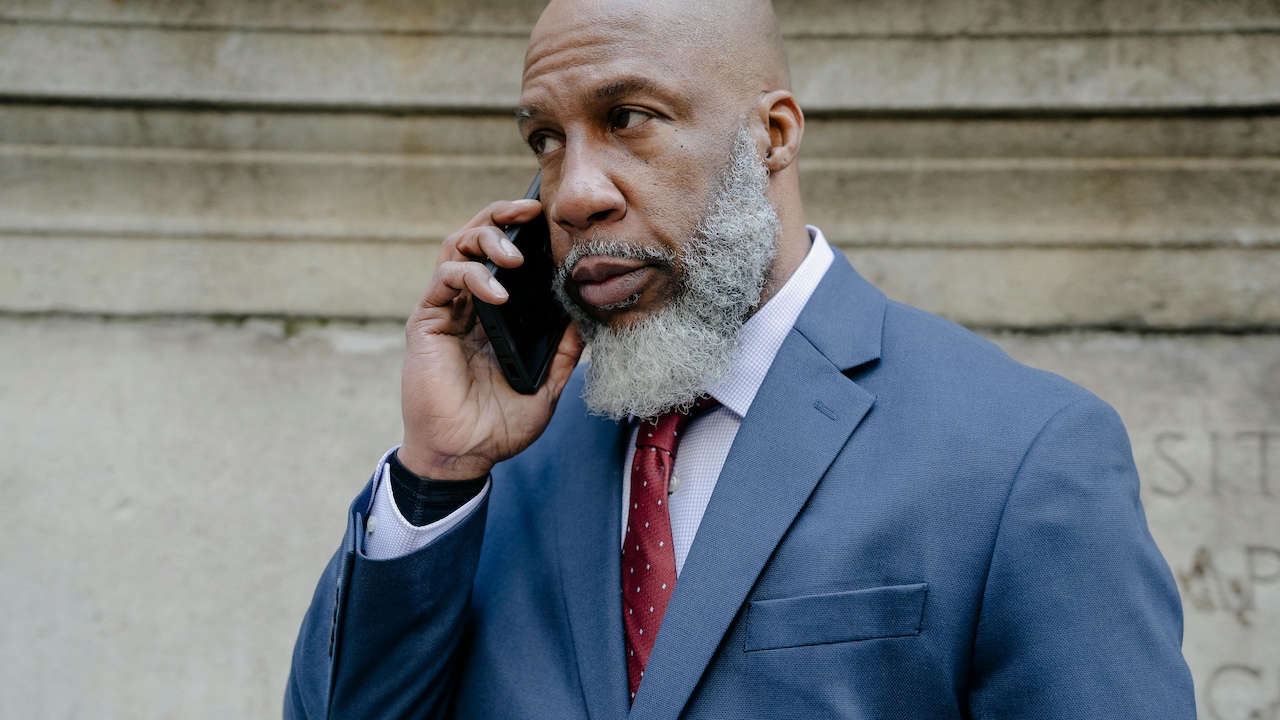
Choose between single and double vent style based on your preferences; Photo Credit: Pexels
7. Fabric Choice: Comfort Meets Shape
Fabric decides how a blazer behaves throughout the day. In warm cities, lightweight blends with a touch of stretch offer comfort without losing shape. Pure wool sounds luxurious, but tropical wool versions feel far more breathable and suitable. Avoid fabrics that shine too much; they can make the blazer look cheap and highlight creases.
Fabrics with subtle texture, like hopsack or wool blends, work wonderfully for long hours, whether attending meetings or moving through crowded metro stations. They keep the blazer structured while allowing air to circulate.
While checking fabric, rub the material lightly between the fingers. It should feel smooth and sturdy, not flimsy. Good fabric keeps its look for years and survives many outings, making each rupee spent feel worthwhile.
8. Colour Choices: Versatile and Timeless
Neutral colours make a blazer easy to style and repeat without drawing too much attention. Navy, charcoal, beige and olive suit most wardrobes. Bright colours look fun but may suit specific events rather than everyday wear. For someone buying a first blazer, navy offers unmatched versatility.
A navy blazer pairs well with formal trousers, chinos or denim. It transitions easily between office, celebrations and weekend outings. On busy mornings when time runs short, a simple colour choice removes the stress of matching.
Earthy tones also work beautifully for festive evenings or outdoor events. These hues complement gold accents, bright lights and colourful backdrops often seen during celebrations. A well-coloured blazer feels timeless, making every wear feel fresh.
9. Buttons and Hardware: Small Details, Big Impact
Buttons often go unnoticed, yet they play a huge role in making a blazer look premium. Cheap plastic buttons dull the entire appearance. Horn-style or matte-finish buttons elevate the look without adding much to the cost. Many stores allow button upgrades for a small fee, often around ₹150–₹300, and this quick change adds surprising refinement.
Check button stitching during trial. Loose buttons tend to pop off during busy days, often at the worst moments, like mid-presentation or during a celebratory dinner. Reinforced stitching keeps the blazer dependable.
Metal buttons feel more military-inspired and work for certain styles. Wooden or textured ones add warmth to casual outfits. Thoughtful hardware makes the blazer feel curated, not mass-produced.
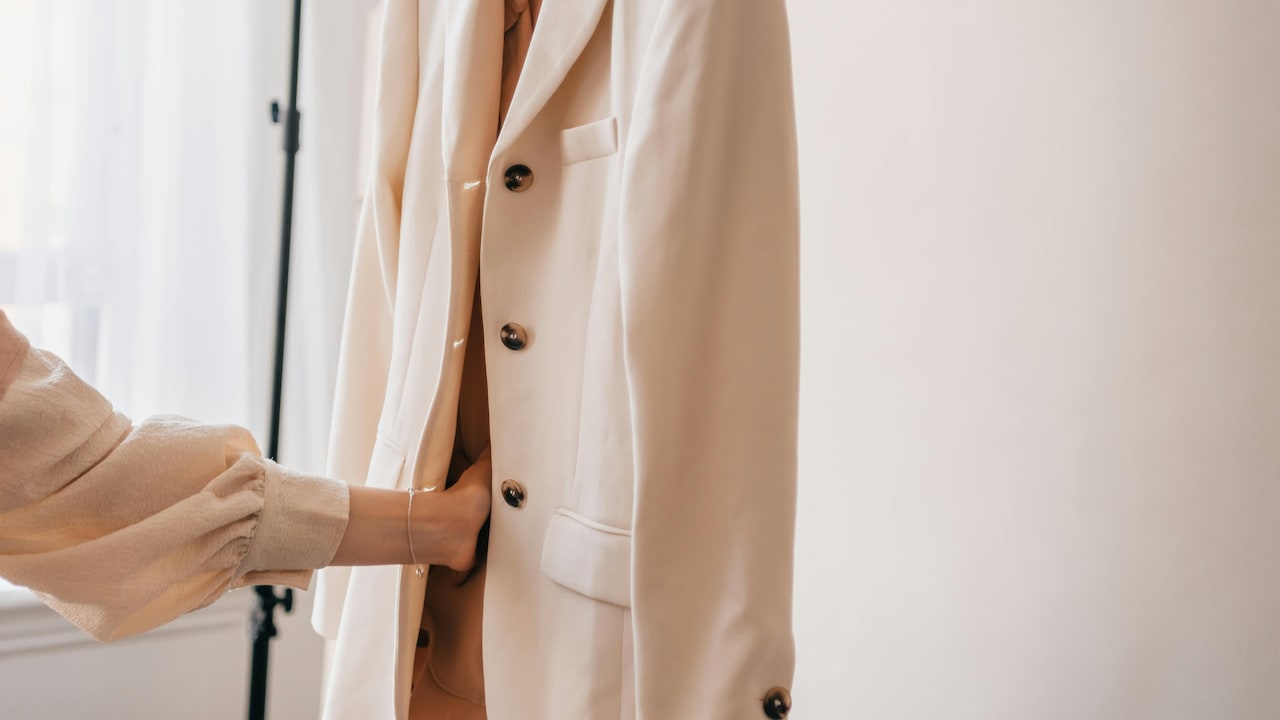
Consider the style, size, and colour of bottons and other details; Photo Credit: Pexels
10. Tailoring Touches: The Final Refinements
Even though the goal is a blazer that looks tailored straight off the rack, small adjustments can make a dramatic difference. Hemming sleeves or tightening the waist slightly usually costs between ₹200 and ₹800 in most local tailoring shops. These small tweaks sharpen the silhouette and help the blazer look truly made-to-measure.
While buying, focus on getting the shoulders right; everything else adjusts easily. A good tailor can refine sleeve length, side seams and button placement, but cannot fix poor shoulder structure.
Think of tailoring like seasoning in a recipe. A pinch here and there turns a simple dish into something memorable. These finishing touches help the blazer move stylishly through daily life, celebrations and important moments, without feeling stiff or overly formal.
Products Related To This Article
1. Mr Bowerbird Men Solid Single Breasted Casual Blazer
2. TROO BLUE Women Solid Double Breasted Casual Blazer
3. Fort Collins Men Solid Single Breasted Casual Blazer
4. Pepzo Women Solid Double Breasted Casual Blazer
5. PETER ENGLAND Men Checkered Single Breasted Formal Blazer
A blazer does not need a bespoke label or a hefty bill to look refined. With a little attention during shopping and minor tailoring when needed, a ready-made blazer can match the elegance of far pricier options. Once mastered, these tips ensure that every blazer, no matter where it comes from, creates a lasting impression.
(Disclaimer: This article may include references to or features of products and services made available through affiliate marketing campaigns. NDTV Convergence Limited (“NDTV”) strives to maintain editorial independence while participating in such campaigns. NDTV does not assume responsibility for the performance or claims of any featured products or services.)