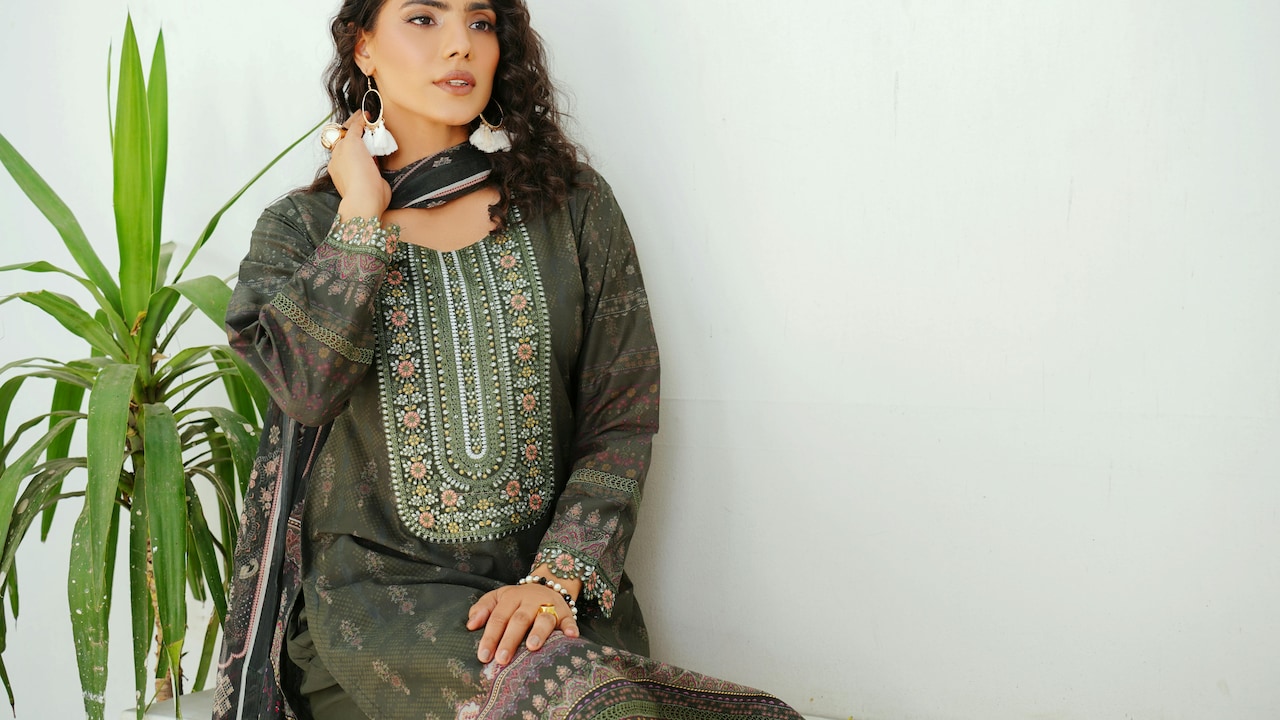
Regret Buying Statement Dress After Just One Event? Know Why And What To Do Instead
Bought a stunning dress for one event and never wore it again? Discover why statement outfits often lead to regret and how smarter styling and shopping choices can make every outfit worth the spend.
Know Why Statement Dresses Become One-Time Outfits And How To Shop Smarter.
A wedding invitation arrives. A festive celebration pops up on the calendar. Suddenly, the wardrobe seems terribly inadequate. The mind insists that nothing feels special enough. A quick scroll through shopping apps later, a bold, glamorous statement dress lands in the cart. The fabric sparkles, the cut feels dramatic, and the excitement of something new brings instant joy. Then the event passes.
Photos get posted, compliments arrive, and the dress returns to the wardrobe. Weeks pass. Months pass. The dress stays untouched because it feels “too memorable” to repeat. Slowly, that once-exciting purchase begins to look like a mistake.
This scenario plays out in countless homes. Wardrobes overflow with outfits bought for a single celebration, festival, or party. Fashion promises transformation, but sometimes delivers regret instead.
Understanding why this happens makes it easier to break the cycle. A thoughtful approach to clothing can save money, reduce clutter, and still keep style exciting. The trick lies not in avoiding statement pieces altogether but in choosing them wisely and wearing them creatively.
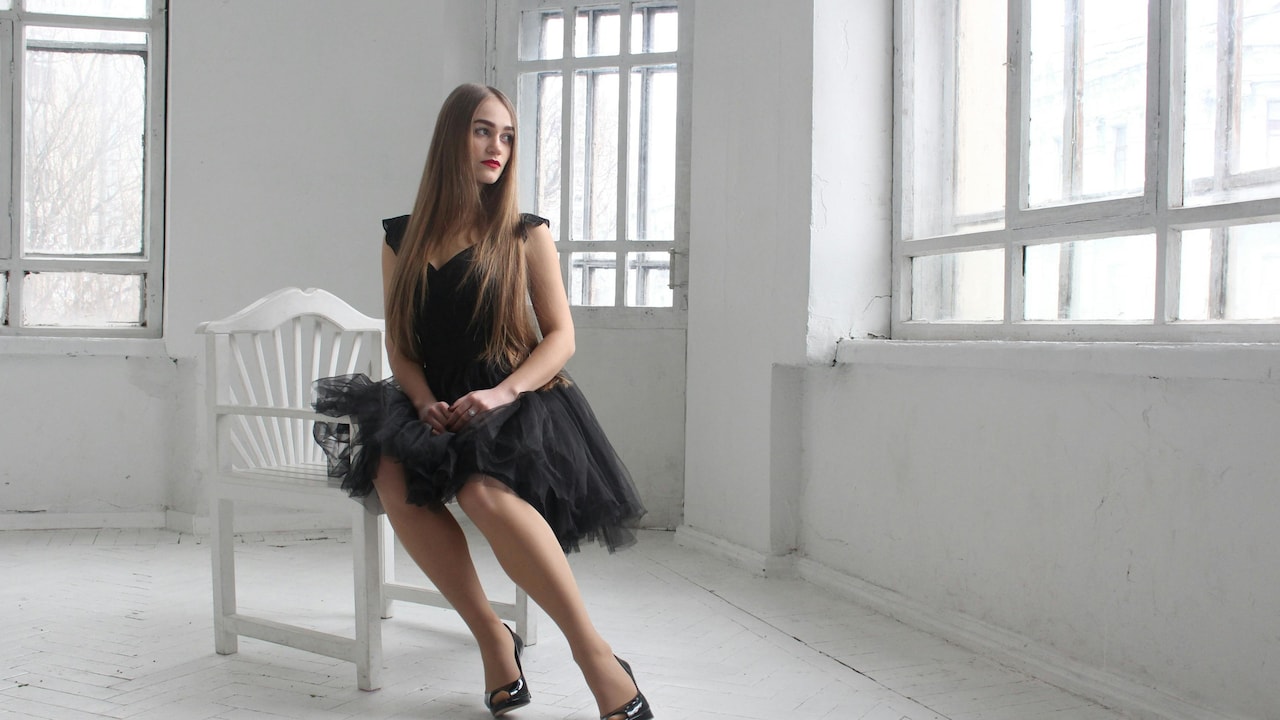
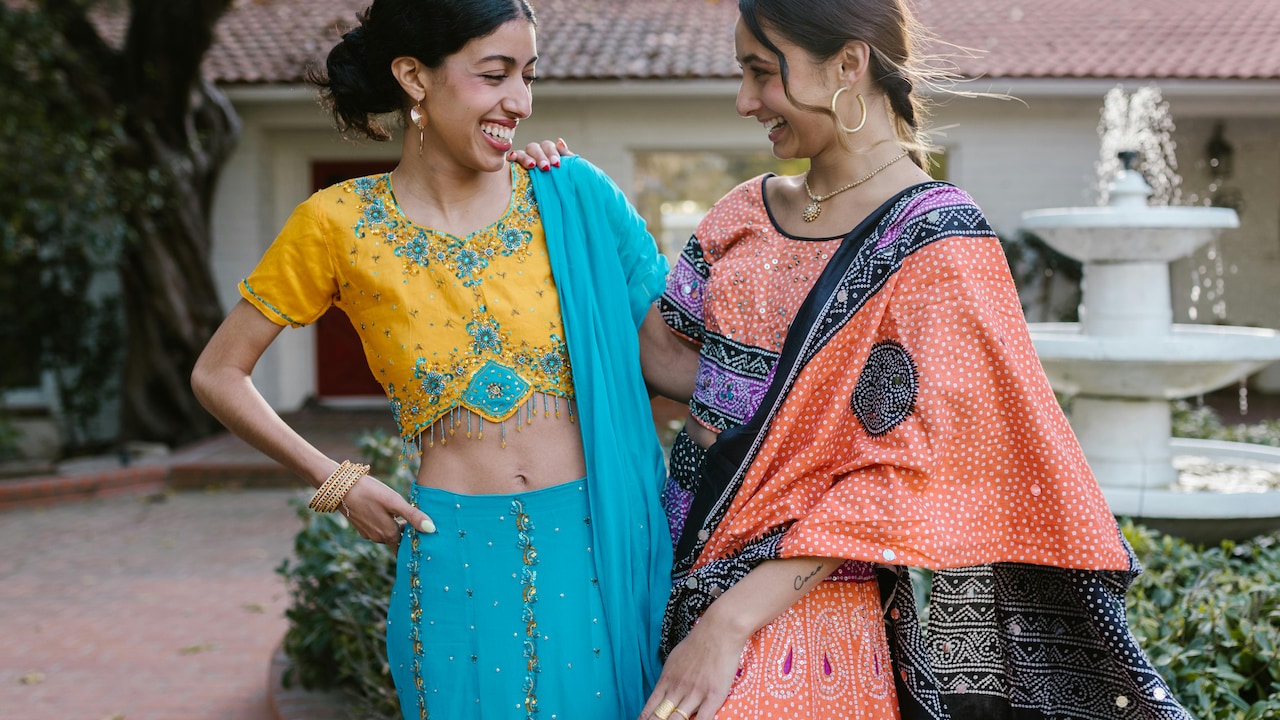
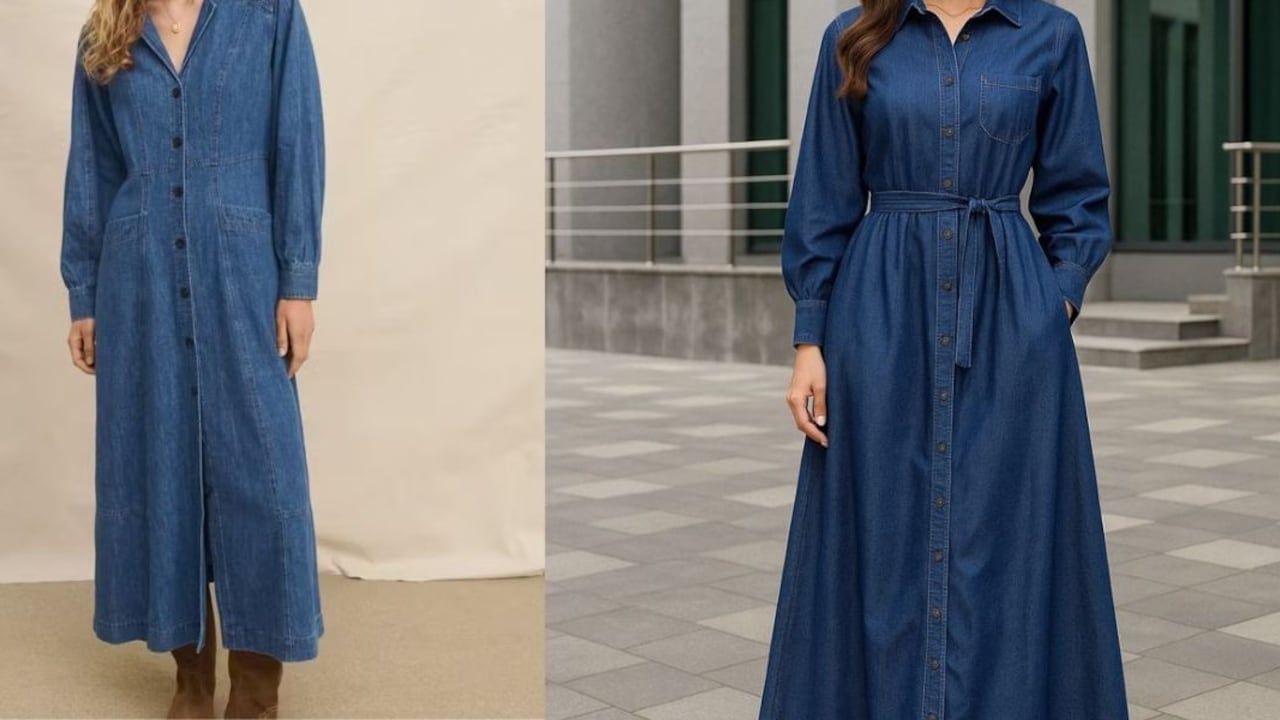
Bought A Statement Dress For One Event? Here's Why It Happens And What To Do Instead
Photo Credit: Pexels
Why Statement Dresses Often Lead To Wardrobe Regret
The Emotional Rush Of Occasion Shopping
Occasional shopping rarely happens calmly. Invitations often trigger a mix of excitement and pressure. The thought of meeting friends, relatives, and colleagues creates a silent expectation to look exceptional. In that moment, the wardrobe suddenly appears dull.
Retailers understand this emotional rush perfectly. Store displays highlight bold dresses that promise instant glamour. Shimmering fabrics, dramatic silhouettes, and eye-catching colours create the illusion that one outfit can transform the entire evening.
That emotional high encourages quick decisions. Practical questions quietly disappear. Will the dress work again? Does it suit multiple occasions? Can it be styled differently?
Most shoppers rarely pause to consider these details while standing under bright store lights or scrolling through midnight sales.
A dress bought in excitement may feel magical for a few hours. Later, reality steps in. The dress feels too dramatic for casual gatherings and too recognisable for similar events.
The real issue lies not in the dress itself but in the impulse behind the purchase. Emotional buying rarely considers long-term value.
Recognising this pattern helps shoppers pause before clicking “buy now.” A small moment of reflection can save both wardrobe space and several thousand rupees.
The Fear Of Outfit Repetition
One silent culprit behind one-time dresses involves a social myth: never repeat outfits. Social media feeds reinforce this idea constantly. Influencers appear in a new outfit every time they post. Celebrity wardrobes seem endless.
Real life works differently.
Yet many people still hesitate to repeat a memorable outfit, especially after photos circulate among friends and family. That hesitation turns perfectly good dresses into wardrobe ghosts.
Ironically, most people barely remember what others wore last week. Guests attend events to celebrate, not to conduct fashion audits. Yet the fear of repetition still influences buying decisions.
Repeating outfits can actually signal confidence and strong personal style. Thoughtful styling keeps the same dress looking fresh. A jacket, scarf, jewellery swap, or hairstyle change transforms the overall appearance.
Fashion icons throughout history repeated their favourite outfits proudly. Consistency often creates a signature style.
Breaking the “wear once” mentality frees the wardrobe from unnecessary pressure. Clothes should serve the wearer, not the other way around.
When repetition feels normal again, the statement dress suddenly gains new life.
The Hidden Cost Of One-Event Fashion
A glamorous dress priced at ₹6,000 may not feel extravagant during a festive shopping spree. The excitement of an upcoming event softens the impact of the number on the tag.
However, the true cost emerges later.
If the dress appears only once, that ₹6,000 essentially buys a few hours of wear. Compare that with a versatile outfit worn fifteen times across different gatherings. Suddenly, the value calculation shifts dramatically.
Fashion economists often refer to this as “cost per wear.” A dress worn frequently becomes a smart investment, even if the original price feels higher.
Statement pieces worn once rarely deliver that value.
Beyond money, another hidden cost appears in wardrobe clutter. Over time, rarely worn outfits occupy space, making it harder to see and use pieces that actually work.
That clutter leads to a familiar complaint: “Nothing to wear.” Ironically, wardrobes often hold plenty of clothes, just not the right ones.
Understanding cost per wear changes shopping habits instantly. Instead of focusing only on how stunning a dress looks today, shoppers begin asking a more useful question.
Will this dress still feel relevant six months later?
The Trap Of Ultra-Specific Outfits
Some dresses arrive with a built-in limitation. They scream on one specific occasion.
Heavy embellishments, dramatic cuts, or extremely bold prints can feel thrilling at the time of purchase. Yet these elements often make the dress difficult to style again.
A sequinned gown may shine at a cocktail party but feel out of place at a birthday dinner. A heavily embroidered dress may work perfectly at a wedding but seems too elaborate for other celebrations.
Ultra-specific outfits often lose their usefulness after a single appearance.
This does not mean avoiding personality in clothing. Instead, balance plays a crucial role. A dress with an interesting neckline, elegant fabric, or striking colour can still make a statement without limiting future use.
Versatility matters more than drama.
Designers increasingly promote pieces that transition across occasions with small styling changes. These dresses hold visual interest without becoming overwhelming.
The difference lies in flexibility.
A versatile statement dress feels special but not restricted. It adapts easily to changing settings.
That adaptability turns a one-night outfit into a long-term wardrobe favourite.
Social Media And The Pressure To Impress
Scrolling through fashion content can inspire creativity. However, it also creates subtle pressure.
Perfectly curated photos show glamorous outfits at weddings, parties, and festive gatherings. Each image presents a new look, styled with flawless accessories and dramatic lighting.
Behind the scenes, many of those outfits come from brand collaborations or short-term loans. Yet viewers rarely see that context.
Instead, the mind absorbs a simple message: every event requires a new outfit.
This pressure fuels impulsive shopping. People chase novelty rather than practicality.
Ironically, the same platforms that encourage outfit anxiety also celebrate sustainable fashion. Content creators now showcase repeat styling, thrifted pieces, and creative outfit transformations.
The narrative slowly shifts.
Rewearing clothes no longer signals laziness. Instead, it reflects thoughtful consumption and personal creativity.
Confidence often shines brighter than novelty. A well-styled repeated outfit can look far more impressive than a rushed new purchase.
Learning to enjoy fashion without chasing constant novelty transforms the shopping experience completely.
Renting Fashion Instead Of Buying
Some occasions truly demand drama. A grand celebration, formal reception, or milestone event might call for an unforgettable outfit.
Buying such a dress may not always make sense.
Fashion rental services offer an elegant solution. These platforms allow shoppers to wear designer outfits for a fraction of the retail price.
Instead of spending ₹18,000 on a dress destined for one evening, renting the same look for ₹2,500 delivers the same visual impact.
Rental culture also encourages experimentation. Trying bold styles feels easier when the commitment remains temporary.
After the event, the dress returns to the service rather than gathering dust in the wardrobe.
Many urban shoppers now embrace this approach, especially for weddings and high-profile celebrations.
The experience still delivers glamour, photographs beautifully, and avoids long-term clutter.
Fashion becomes more playful when ownership no longer feels mandatory.
Styling One Dress Multiple Ways
A statement dress does not need to look identical each time it appears.
Styling changes can transform its personality completely. Accessories, layering pieces, footwear, and hairstyles all influence the final look.
A sleeveless dress paired with a structured blazer suddenly feels suitable for a dinner gathering. The same dress with bold jewellery and heels becomes perfect for a party.
Belts reshape silhouettes. Scarves add colour contrast. Jackets introduce texture.
Footwear changes the mood instantly. Elegant heels create formality, while stylish flats bring relaxed sophistication.
Even subtle choices like lipstick shade or hairstyle shift the overall aesthetic.
Creative styling extends the lifespan of any statement piece dramatically.
Many fashion enthusiasts treat clothing as a canvas rather than a finished painting. Each outing becomes an opportunity to reinterpret the same garment.
This approach transforms a single purchase into multiple outfits.
Instead of sitting unused, the dress becomes a versatile favourite.
Building A Smarter Occasion Wardrobe
A thoughtful wardrobe begins with foundation pieces that adapt easily.
Neutral dresses in rich fabrics offer endless styling possibilities. Jewel tones, classic silhouettes, and elegant textures maintain visual impact without feeling too specific.
Such pieces transition smoothly across events.
A deep emerald dress, for example, can appear at festive gatherings, cocktail parties, and anniversary dinners with different accessories.
Quality also matters more than quantity. Investing ₹7,000 in a well-crafted dress worn repeatedly often proves wiser than buying three cheaper dresses worn once each.
Timeless design elements help maintain longevity. Clean lines, flattering cuts, and subtle detailing rarely fall out of favour.
Trends may inspire purchases occasionally, but a wardrobe built entirely on trends becomes outdated quickly.
A balanced collection mixes personality with practicality.
Over time, this approach creates a wardrobe that feels exciting yet dependable.
Each piece earns its place through repeated wear.

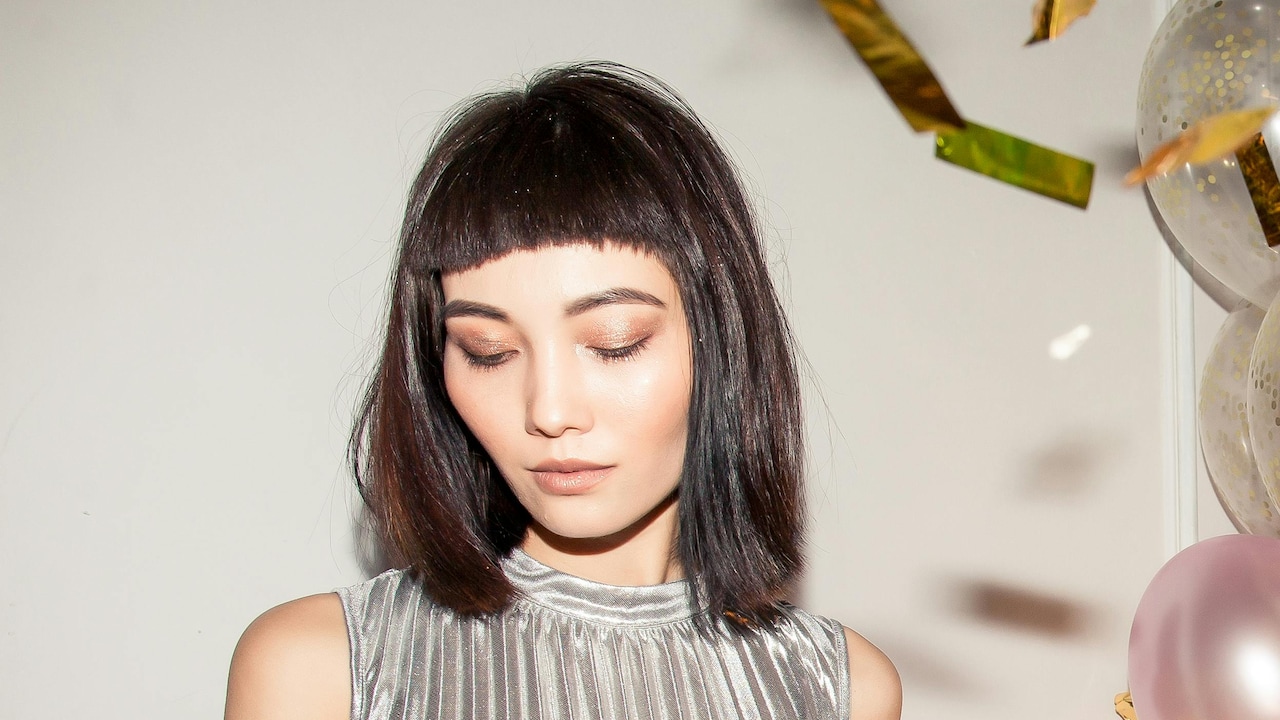
Bought A Statement Dress For One Event? Here's Why It Happens And What To Do Instead
Photo Credit: Pexels
Learning The Art Of Borrowing And Sharing
Fashion once thrived on sharing among friends and family. Borrowing outfits for special occasions used to feel perfectly normal.
Somewhere along the way, that culture faded.
Reviving this practice can dramatically reduce unnecessary purchases. A trusted friend's wardrobe may hold the perfect dress for an upcoming celebration.
Sharing also adds emotional value to clothing. Wearing a borrowed outfit often carries stories, memories, and laughter.
Many friend circles now organise small “closet swaps,” where everyone exchanges pieces temporarily. This approach refreshes wardrobes without spending a single rupee.
Borrowing works particularly well for dramatic pieces that may only suit certain events.
The experience feels social, sustainable, and surprisingly fun.
Fashion becomes less about constant ownership and more about community creativity.
Rethinking What A Statement Piece Really Means
The phrase “statement dress” often conjures images of glitter, bold prints, or extravagant designs.
However, a true statement piece does not always shout.
Sometimes it whispers.
A beautifully tailored dress, an unusual fabric texture, or a striking colour can create impact without overwhelming the wearer.
These subtle statement pieces often prove far more versatile than dramatic ones.
They stand out quietly while remaining adaptable to different settings.
Fashion evolves constantly, but elegance tends to remain timeless.
Choosing statement pieces with longevity in mind ensures they continue to feel exciting years later.
Instead of chasing fleeting trends, focus on personal style to create lasting confidence.
The dress becomes memorable not because it appears once, but because it becomes part of a recognisable style identity.
Products Related To This Article
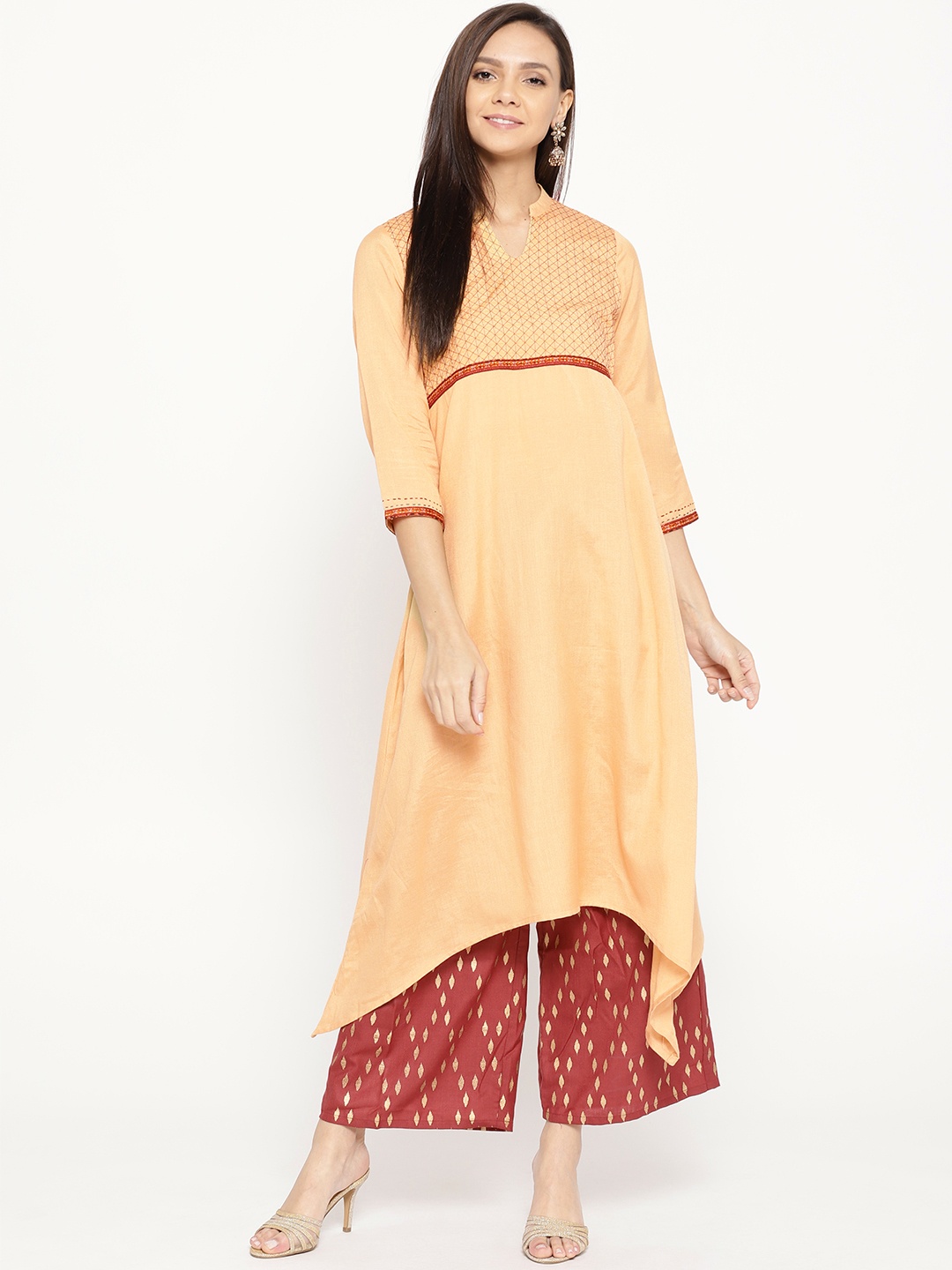
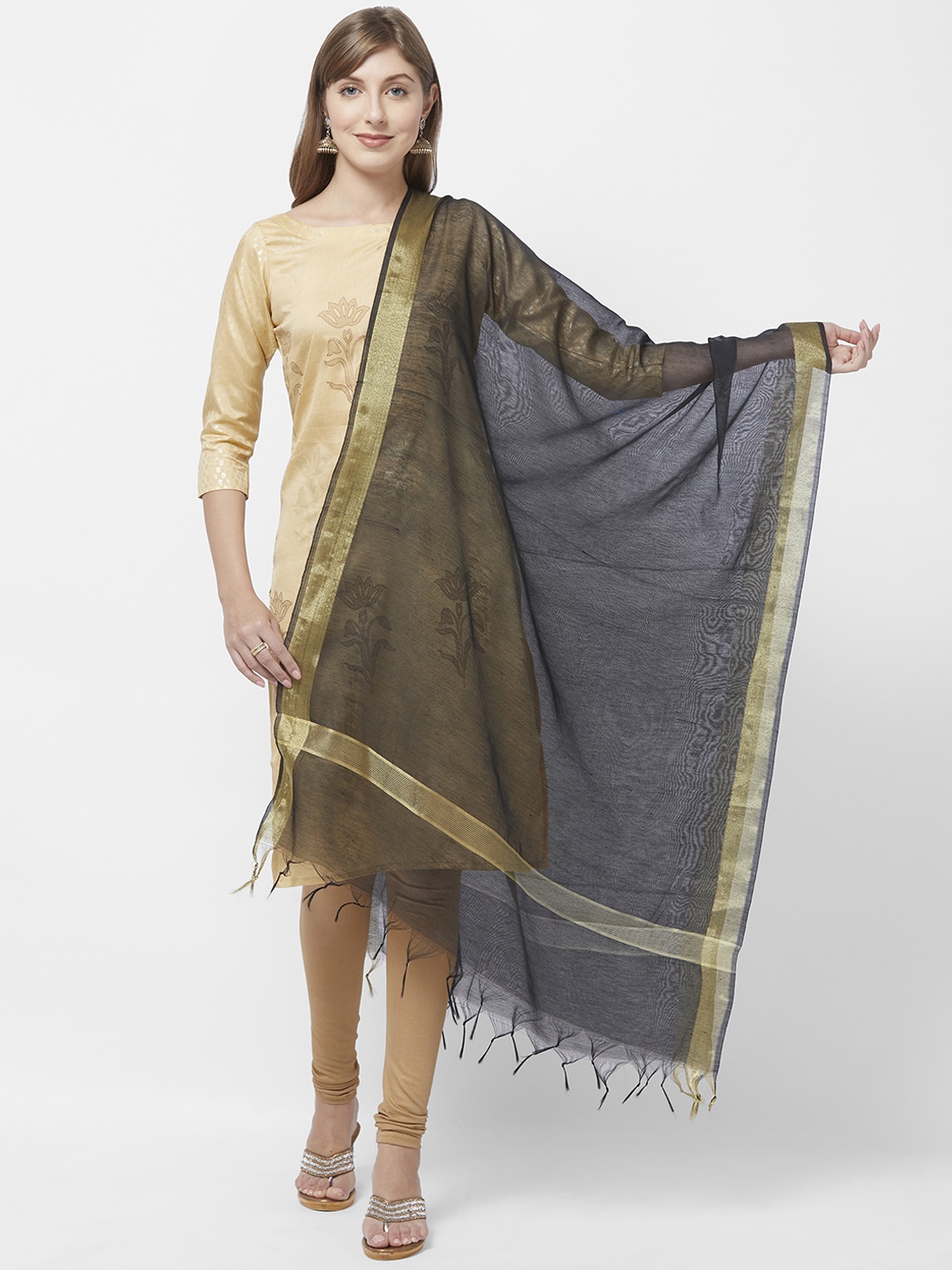
1. Ishin Ananda Mirror Embroidered Layered Dress
2. Chandbaali Women Floral Printed Georgette Fit & Flare Maxi Dress
3. Boohoo Satin Finish Flounce Hem Wrap Style Midi Dress
4. THE SAFFRON SAGA Kimono Sleeve A-Line Midi Dress
5. MANGO Halter Neck Crinkled Effect Midi Dress
The regret of buying a dress worn only once rarely comes from the dress itself. The problem lies in the circumstances surrounding the purchase.
Emotional shopping, social pressure, and unrealistic expectations about outfit repetition often drive these decisions.
Fashion should feel joyful, not wasteful. A thoughtful approach transforms the experience completely. Renting dramatic outfits, borrowing from friends, and choosing versatile designs all help extend the life of each piece.
Creative styling also unlocks endless possibilities within a single dress.
Wardrobes become more satisfying when every item earns its place. Clothes worn repeatedly tell stories of celebrations, gatherings, and everyday moments.
Instead of hiding forgotten outfits in the back of the wardrobe, fashion begins to feel alive again. The next time a dazzling dress catches the eye, pause for a moment. Ask a simple question. Will this dress still feel exciting long after the event ends?
(Disclaimer: This article may include references to or features of products and services made available through affiliate marketing campaigns. NDTV Convergence Limited (“NDTV”) strives to maintain editorial independence while participating in such campaigns. NDTV does not assume responsibility for the performance or claims of any featured products or services.)