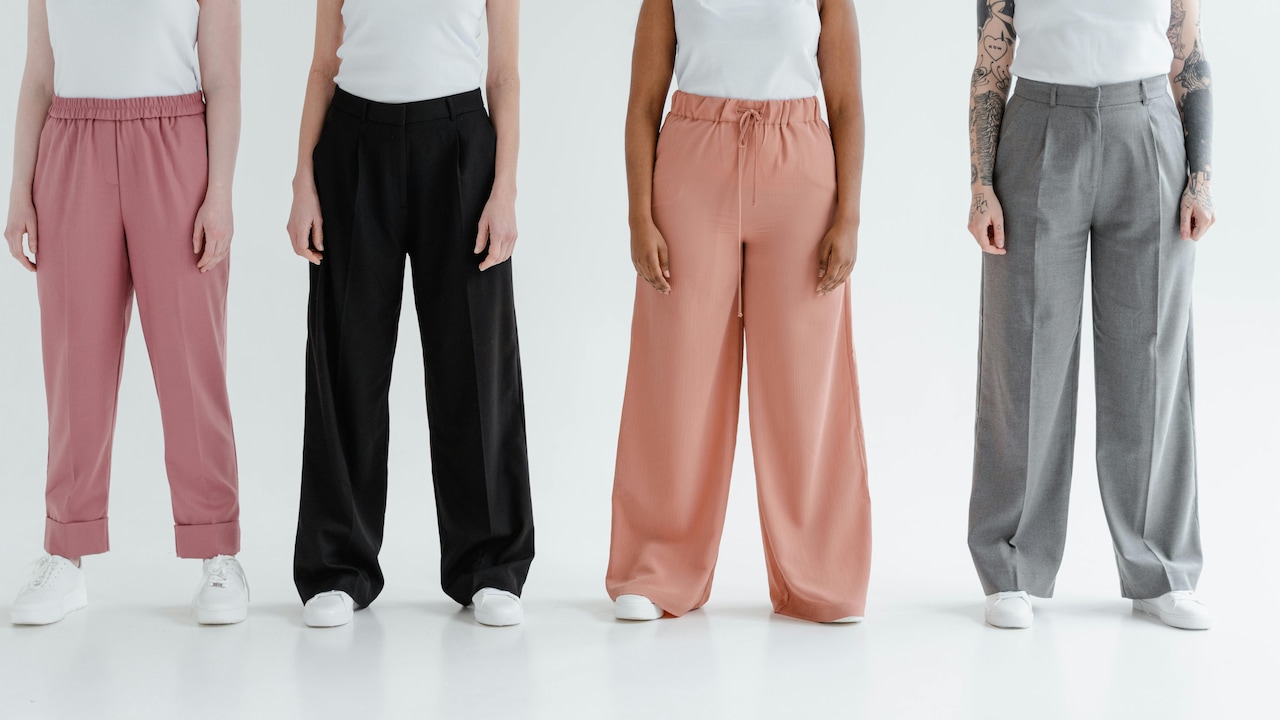
Breathable Cold-Weather Activewear: How to Stay Warm Without Slowing Down During Outdoor Workouts
Breathable cold-weather activewear helps retain warmth while releasing sweat, allowing faster, more comfortable outdoor workouts in winter. This guide explains fabrics, layering and smart design choices that keep performance high in low temperatures.

Breathable Cold-Weather Activewear: What Keeps You Warm and Fast During Outdoor Workouts.
Cold weather has a funny way of revealing priorities. The alarm rings at 5:30 am, the blanket feels heavier than ever, and the air outside promises icy resistance. Yet parks still fill with runners, cyclists, and walkers chasing momentum before the city wakes up. The difference between turning back early and finishing strong often comes down to clothing.
Cold-weather activewear has changed dramatically over the years. Bulky sweaters and stiff tracksuits have made way for lighter, smarter pieces that warm the body while letting it breathe. The goal stays simple: retain heat, release sweat, and allow free movement. For anyone training outdoors during winter, breathable activewear becomes a silent partner, working through every stride and stretch.
This guide breaks down what truly matters in cold-weather workout clothing, from fabrics and layering to fit, weather protection, and everyday practicality.

Breathable Activewear For Winter Workouts: Stay Warm And Dry Outdoors
Photo Credit: Pexels
The Essentials of Staying Warm Without Slowing Down Outdoors
1. The Science Behind Breathability and Warmth
Warmth without breathability feels comforting for the first ten minutes, then quickly turns uncomfortable. Sweat builds, fabric clings, and the body cools rapidly once movement slows. Breathable activewear solves this problem by managing moisture while trapping just enough heat.
Modern performance fabrics pull sweat away from the skin and spread it across the surface, where it evaporates faster. This process keeps body temperature steady, even during intense workouts. Unlike cotton, which holds moisture and becomes heavy, technical materials stay light and dry.
In colder regions, early-morning joggers often notice how the chill disappears after the first kilometre. Breathable layers adjust to this shift. They insulate when the body needs warmth and ventilate when heat rises. This balance prevents energy loss and reduces the risk of catching a cold after workouts. Comfort, in this case, directly supports performance.
2. Layering: The Unsung Hero of Winter Workouts
Layering works like a thermostat for the body. Each layer plays a specific role, and together they adapt to changing temperatures. The base layer sits closest to the skin and focuses on moisture control. A good base layer feels snug but never restrictive.
The middle layer provides insulation. Lightweight fleeces or thermal tops trap warm air without adding bulk. The outer layer protects against wind, light rain, or fog, especially common during winter mornings.
The beauty of layering lies in flexibility. As the sun rises and the body warms, layers come off easily. Many runners tie jackets around the waist or store them in small backpacks. This approach prevents overheating and keeps workouts comfortable from start to finish. One thick layer rarely matches the versatility of three well-chosen ones.
3. Fabrics That Work Harder Than Wool
Wool once dominated winter wardrobes, and merino wool still earns respect in activewear circles. It insulates well, resists odour, and feels soft against the skin. However, synthetic blends now rival and often outperform traditional options.
Polyester and nylon blends dry quickly and stretch effortlessly. They handle repeated washes and maintain shape over time. Many brands add elastane for flexibility, making movements smoother during lunges, sprints, or yoga flows.
Hybrid fabrics combine natural and synthetic fibres to offer warmth, durability, and comfort. These blends suit varied climates, from misty hill stations to dry northern plains. Choosing the right fabric often decides whether a workout feels energising or exhausting. The best fabrics disappear into the background, letting focus stay on movement, not discomfort.
4. Fit Matters More Than Fashion
A perfect fit does more than flatter; it improves performance. Loose clothing allows cold air to sneak in, while overly tight pieces restrict circulation and movement. Breathable cold-weather activewear aims for a close, ergonomic fit that moves with the body.
Flat seams reduce chafing during long runs. Raglan sleeves allow natural arm movement. Articulated knees support smooth strides and squats. These details may seem small, but they add up over kilometres.
Winter often tempts people to size up for layering. Smart designs already account for layers, so sticking to true size works better. Well-fitted clothing also traps heat efficiently, reducing the need for heavy materials. Comfort and confidence tend to follow naturally when clothes feel like an extension of the body.
5. Wind and Weather Protection Without Bulk
Cold weather rarely arrives alone. Wind, fog, and light drizzle often join the party. Activewear that blocks wind while remaining breathable makes a noticeable difference, especially during cycling or open-road running.
Windproof panels placed on the chest or thighs shield vital areas without suffocating the body. Water-resistant coatings handle unexpected drizzles, common during winter mornings. The key lies in moderation. Fully waterproof gear often traps sweat, while water-resistant fabrics strike a better balance.
Reflective details also matter during shorter daylight hours. Morning fog reduces visibility, and reflective strips improve safety without affecting comfort. Weather-ready activewear allows workouts to continue despite unpredictable conditions, keeping routines intact through the season.
Also Read: Grab These 5 Converse Activewear Pieces At 80% Off
6. Temperature Regulation During High-Intensity Training
Winter workouts often feel easier at first. Cooler air reduces perceived effort, encouraging faster paces. As intensity rises, however, overheating becomes a real risk without breathable clothing.
Zoned ventilation helps manage this challenge. Mesh panels under arms or behind knees release excess heat. Zip necklines allow quick airflow adjustments mid-run. Thumbholes keep sleeves in place while warming hands during early kilometres.
High-intensity sessions demand clothing that responds quickly to body changes. Breathable cold-weather activewear adapts without distraction. Athletes finish sessions feeling energised rather than drained. The right gear supports ambition, whether chasing personal records or squeezing in a quick workout before work.
7. Comfort Beyond the Workout Clock
Good activewear continues to perform even after the workout ends. Breathable fabrics dry quickly, preventing post-exercise chills during cool-downs or stretches. Odour-resistant materials help when heading straight for errands or chai with friends.
Soft linings and tag-free designs add comfort during longer wear. Many people now use activewear throughout the day, from morning walks to casual meet-ups. Versatile pieces reduce the need for wardrobe changes and save time.
Durability also plays a role. Winter clothing faces more washes due to sweat and dust. Quality fabrics hold shape and performance, offering better value over time. Spending ₹3,000 on a well-made jacket that lasts several seasons often beats replacing cheaper options every year.
8. Accessories That Complete the Winter Kit
Clothing handles the core, but accessories fine-tune comfort. Breathable gloves keep fingers warm without trapping sweat. Thermal socks regulate temperature and prevent blisters during long runs.
Headwear deserves attention too. A lightweight beanie or headband reduces heat loss without causing overheating. Many runners notice how much warmth escapes from the head during cold mornings.
Neck gaiters offer flexible protection against cold air and pollution. They pull up during windy stretches and fold down easily when breathing intensifies. These small additions often decide whether a workout feels enjoyable or frustrating. Together, they complete a balanced cold-weather setup.
9. Mental Comfort and Motivation in Winter
Winter challenges motivation as much as muscles. Dark mornings and cold air test discipline. Comfortable clothing removes one barrier, making it easier to step outside.
Feeling warm and unrestricted boosts confidence. Movements feel smoother, breathing steadier, and focus sharper. This mental ease encourages consistency, which matters more than intensity during colder months.
Shared spaces like parks and tracks often feel calmer in winter. The right activewear helps embrace this quiet rhythm. Many find winter workouts surprisingly rewarding once discomfort disappears. Breathable cold-weather gear supports not just the body, but also the mindset needed to keep going.
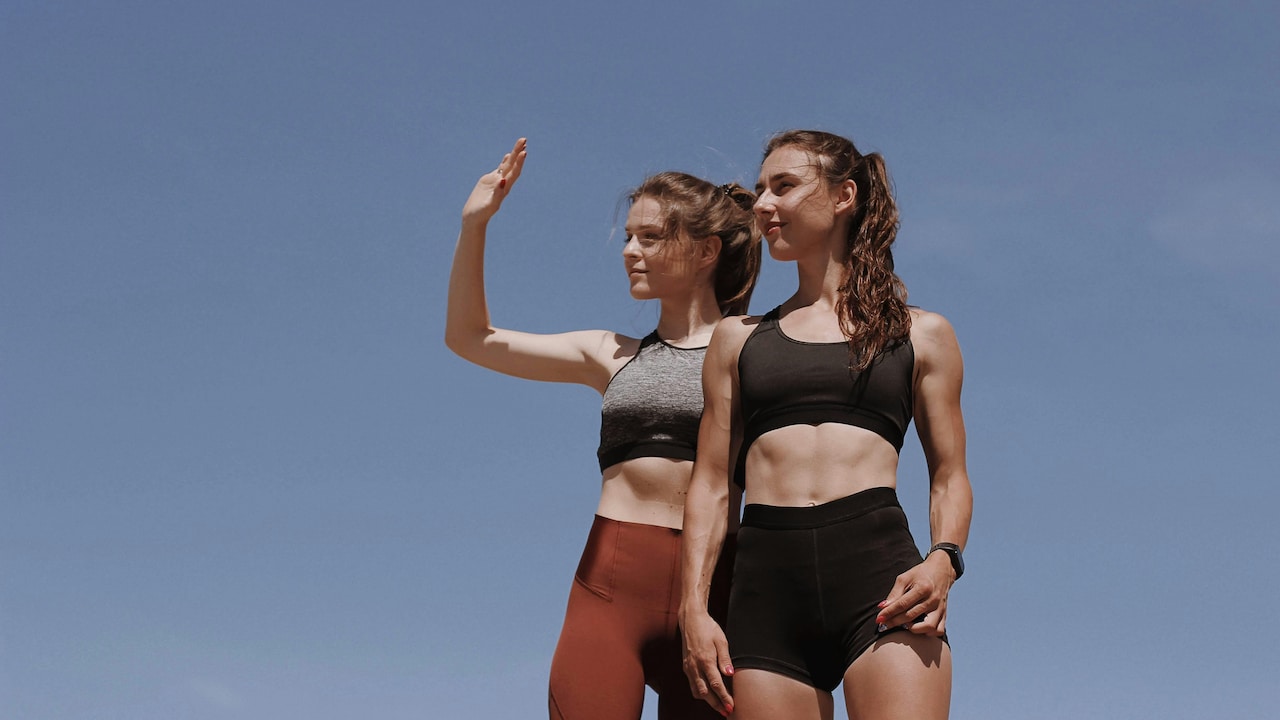
Breathable Activewear For Winter Workouts: Stay Warm And Dry Outdoors
Photo Credit: Pexels
10. Choosing Smart Without Overspending
Quality matters, but smart choices prevent unnecessary spending. Focus on essentials first: a solid base layer, a versatile mid-layer, and a light outer shell. These three pieces cover most winter conditions.
Sales and end-of-season discounts offer chances to invest wisely. Comparing fabric details and stitching quality often reveals more than brand names. Spending ₹1,500–₹2,000 on a durable base layer pays off across multiple winters.
Mixing and matching pieces also extends wardrobe options. Neutral colours pair easily, while brighter accents improve visibility. Smart buying creates a functional winter kit without stretching budgets. Comfort, performance, and value can coexist with a little planning.
Products Related To This Article
1. NEXSUS APPARELS Women Solid Round Neck Polyester Purple T-Shirt
2. HRX by Hrithik Roshan Solid Women Purple Tights
3. BlissClub Solid Women Blue Tights
4. HRX by Hrithik Roshan Solid Women Track Suit
5. HRX by Hrithik Roshan Men Solid Green Track Pants
6. VAN HEUSEN Athleisure Men Green Solid Ultra Soft Short Sleeve Polo T-Shirt Men Solid Polo Neck Polycotton Dark Green T-Shirt
7. REEBOK Solid Women Purple Tights
Breathable cold-weather activewear changes the winter workout experience. It keeps the body warm without weighing it down and supports speed without sacrificing comfort. From fabric science and layering strategies to thoughtful design and practical accessories, every detail plays a role.
Outdoor fitness during colder months feels less like a battle and more like a rhythm when clothing works in harmony with the body. The right gear removes excuses, supports performance, and even adds a bit of joy to frosty mornings. Winter may bring challenges, but with breathable activewear, it also brings opportunity, quiet roads, steady focus, and the satisfaction of moving freely through the cold.
(Disclaimer: This article may include references to or features of products and services made available through affiliate marketing campaigns. NDTV Convergence Limited (“NDTV”) strives to maintain editorial independence while participating in such campaigns. NDTV does not assume responsibility for the performance or claims of any featured products or services.)