How To Choose Wool Socks That Are Warm, Soft, Non-Itchy And More: A Buying Guide
Learn how to choose wool socks that stay warm without itching. This guide covers wool types, softness, fit, durability, and value to help you pick the right pair for daily winter comfort. Here are 10 easy tips that help find the right wool socks for cold winter.

How to Choose the Best Wool Socks for Warmth, Comfort and Durability: Here Is A Buying Guide.
Winter has a way of creeping in through the toes first. Whether it's an early-morning walk, a long bus ride, or quiet hours at home, cold feet can spoil the mood quickly. Wool socks often come to the rescue, promising warmth and comfort. Still, many people hesitate, thanks to memories of itchy fibres, bulky fits, or socks that stretch beyond recognition after a wash. The truth is that wool socks have evolved. Today's options blend science, comfort, and style, making them suitable for daily wear, travel, work, and even sleep. Choosing the right pair, however, needs a little attention. Fibre type, thickness, fit, and purpose all play a role.
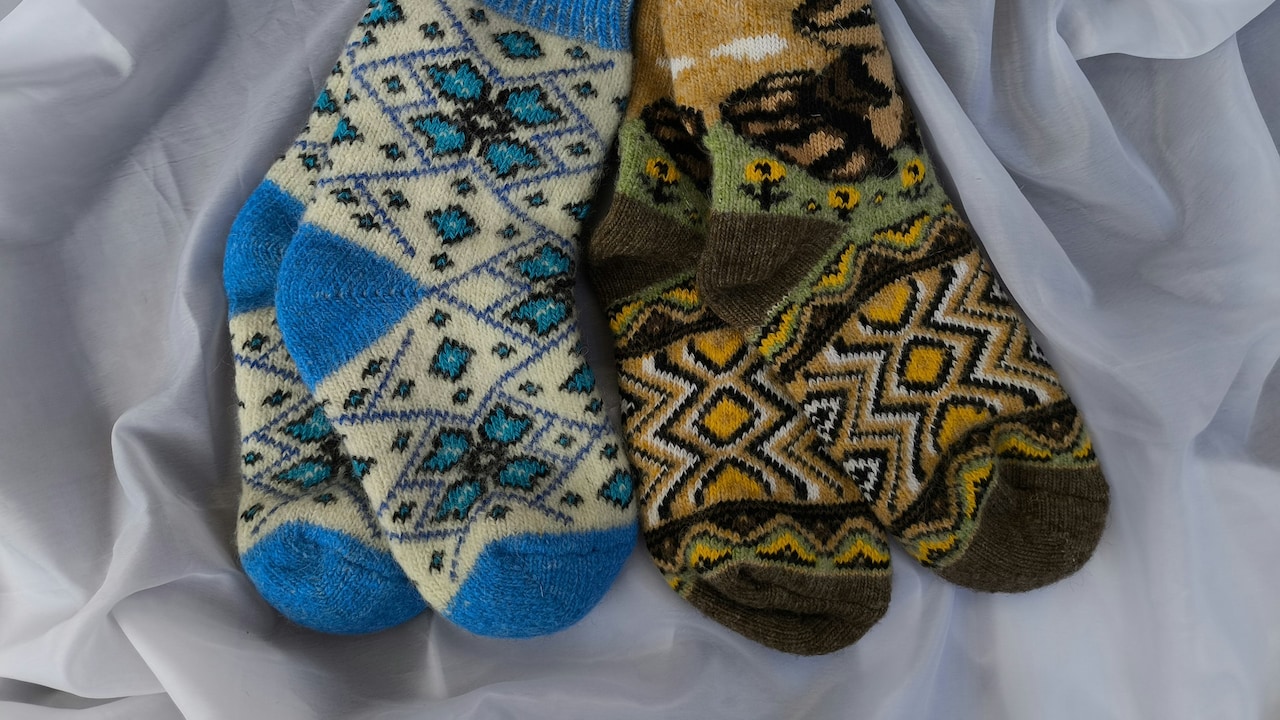
Explore 10 easy tips to choose wool socks that actually keep you warm in winter; Photo Credit: Unsplash
This guide walks through 10 points that explain in full how to choose wool socks that are warm, soft, but not itchy. These essential points will help you to help pick wool socks that feel warm, soft, non-itchy, and durable. Expect practical advice, relatable examples, and a few gentle nudges toward smarter choices, all tailored for real winter routines and everyday budgets.
Also Read: Top 5 Printed Socks That'll Keep You Warm In Style
What Really Matters When Buying Wool Socks
1. Understand the Type of Wool Used
Not all wool feels scratchy, despite what childhood memories might suggest. The comfort of a sock depends largely on the wool fibre itself. Merino wool, for instance, comes from Merino sheep and features finer fibres that feel soft against the skin. These fibres bend easily, reducing that prickly sensation many dislike.
On the other hand, traditional sheep wool often feels coarser but offers excellent insulation. It works well for outdoor use or extremely cold conditions. Some socks blend different types of wool to balance softness and strength.
Checking the label helps. Look for words like “fine wool” or “merino-rich.” Avoid assuming higher wool content always means better comfort. A well-chosen blend often outperforms pure wool, especially for everyday wear. Softness starts at the fibre level, and knowing the difference saves both money and irritation later.
2. Focus on Warmth Without Bulk
Warm socks do not need to feel like padded slippers. Wool traps heat naturally by creating tiny air pockets, which means even thin socks can offer surprising warmth. The trick lies in choosing the right thickness for the intended use.
For daily wear with shoes, medium-weight wool socks work best. They keep feet warm without making footwear feel tight. Heavyweight socks suit outdoor activities, hill stations, or late-night balcony chats in peak winter.
Overly bulky socks can restrict blood flow, making feet feel colder rather than warmer. Comfort comes from balance. A sock that fits well and insulates efficiently will always outperform one that simply looks thick. Warmth should feel gentle and steady, not suffocating.
3. Check for Softness and Skin Comfort
Softness often determines whether socks get worn or forgotten in a drawer. Wool socks today often include treatments that smooth fibres or blend them with materials like bamboo or modal. These additions enhance softness while maintaining warmth.
Sensitive skin needs extra care. Seam placement matters more than expected. Flat seams prevent rubbing, especially around toes. A smooth inner finish also reduces friction during long hours of wear.
Testing softness by touch helps, but real comfort shows only after a few hours. Choosing reputable brands known for quality control often ensures consistent softness. Comfortable socks feel almost invisible, letting feet relax instead of constantly adjusting.
4. Avoid the Itch Factor
Itchiness remains the biggest complaint about wool socks. Fortunately, modern designs tackle this issue effectively. Fine fibres, proper processing, and blends reduce itch significantly.
Merino wool stands out again here, as its fibres feel gentle even when worn directly on the skin. Socks labelled as “non-itch” or “skin-friendly” often undergo special treatments to remove coarse fibres.
Washing new socks before first use also helps soften them further. Using mild detergent and avoiding harsh fabric conditioners preserves fibre quality. A sock that stays itch-free encourages daily use, turning wool from a winter luxury into a regular essential.
5. Pay Attention to Fit and Elasticity
A warm sock that slips down or squeezes too tightly loses its charm quickly. Proper fit ensures warmth stays where needed and prevents discomfort. Elasticity around the cuff should feel snug without digging into the skin.
Stretch matters too. Socks that stretch evenly retain shape after repeated use. Reinforced heels and toes add structure and durability. Checking size guides before purchase helps, as wool socks often follow a different sizing than regular cotton ones.
A well-fitted sock supports natural movement and keeps feet comfortable through long days. It should stay in place without constant adjustment, letting attention stay on the day rather than on slipping fabric.
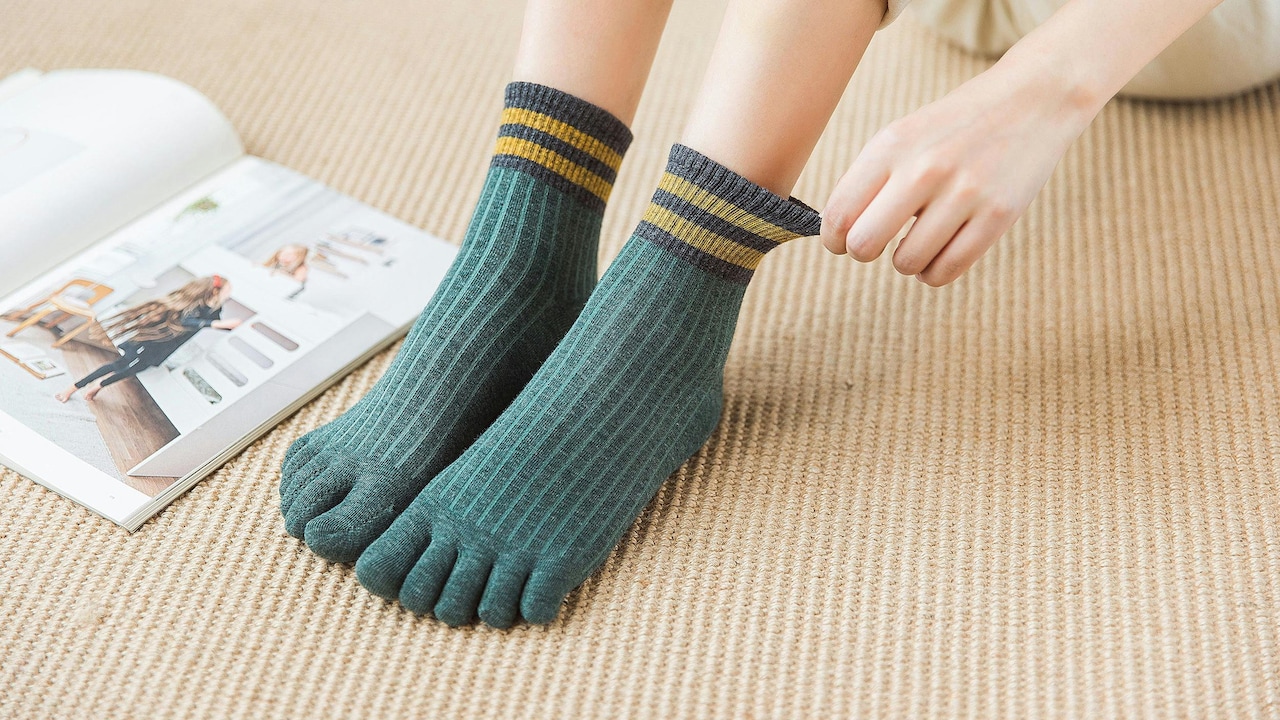
Ensure that wool socks offer a comfortable fit and elastic; Photo Credit: Pexels
6. Breathability and Moisture Control Matter
Warm feet need to stay dry as well. Wool excels at moisture management, absorbing sweat while still feeling dry to the touch. This feature proves invaluable during long workdays or travel.
Blended socks often improve breathability further by adding synthetic fibres that wick moisture away quickly. This combination prevents dampness and reduces odour, even after extended wear.
Avoid socks that feel clammy or overly dense. Breathable wool socks regulate temperature naturally, keeping feet warm without overheating. This balance ensures comfort across changing conditions, from cold mornings to warmer afternoons.
7. Durability and Long-Term Value
A good pair of wool socks feels like an investment rather than an impulse buy. Strong fibres, reinforced stress points, and quality stitching extend lifespan significantly.
While prices vary, spending ₹500–₹800 on a durable pair often proves wiser than replacing cheaper socks frequently. Quality socks retain shape, warmth, and softness after multiple washes.
Checking care instructions also helps preserve longevity. Gentle washing and air drying protect fibres from damage. Durable socks not only save money but also reduce waste, making them a sensible choice for long-term use.
8. Choose the Right Sock Height
Sock height affects warmth and comfort more than expected. Ankle-length wool socks suit mild winters and indoor wear. Crew-length socks cover more leg, offering added warmth and protection during colder days.
Knee-length options work well for travel, outdoor activities, or those prone to cold calves. Height choice often depends on footwear, too. Boots pair well with taller socks, while casual shoes feel better with shorter ones.
Selecting the right height ensures consistent warmth and prevents cold air from sneaking in. It also adds comfort by preventing friction between footwear and skin.
9. Style, Colour, and Everyday Use
Practicality does not mean sacrificing style. Wool socks now come in varied colours, patterns, and textures. Neutral shades suit work settings, while brighter designs add personality to casual outfits.
Choosing versatile colours allows socks to pair easily with different shoes and clothing. Patterns also hide wear better over time, maintaining a fresh look.
Comfort often improves when socks feel visually pleasing, too. A small dash of colour on a grey winter morning can lift spirits subtly, proving that warmth and style can coexist happily.
10. Price, Purpose, and Smart Buying
The final choice often comes down to purpose. Every day wear, outdoor use, or sleep each requires different features. Buying accordingly prevents overpaying or underestimating needs.
Setting a clear budget helps narrow options. Reliable wool socks typically range between ₹400 and ₹1,200, depending on quality and blend. Multipack options sometimes offer better value.
Avoid rushing the purchase. Reading labels, understanding needs, and choosing wisely ensures satisfaction. A thoughtful buy turns wool socks into a winter staple rather than a seasonal experiment.
Products Related To This Article
1. soxsense Women Solid Calf Length, Ankle Length
2. Naosucura Women Graphic Print Mid-Calf/Crew
3. ATTRACTIVE Women Self Design Mid-Calf/Crew
4. BASKESTHIP Men Solid Ankle Length
5. FINZER Women Ankle Length
6. KALKA HOSIERY Women Solid Calf Length
7. maddy Women Ankle Length
Choosing wool socks no longer feels like a gamble between warmth and comfort. A well-chosen pair of wool socks offers more than warmth. It brings comfort during quiet evenings, reliability during long days, and a sense of care that small details often provide. As winter settles in, investing in the right wool socks ensures that cold feet remain nothing more than a distant memory.
(Disclaimer: This article may include references to or features of products and services made available through affiliate marketing campaigns. NDTV Convergence Limited (“NDTV”) strives to maintain editorial independence while participating in such campaigns. NDTV does not assume responsibility for the performance or claims of any featured products or services.)