How To Identify Low Quality Sunglasses That Distort Vision And Damage Eyes
Cheap sunglasses may look stylish, but they can distort vision and harm the eyes. Learn how to spot low-quality lenses, avoid hidden risks, and choose eyewear that truly protects without compromising comfort or clarity.
How To Identify Low Quality Sunglasses That Distort Vision And Damage Eyes
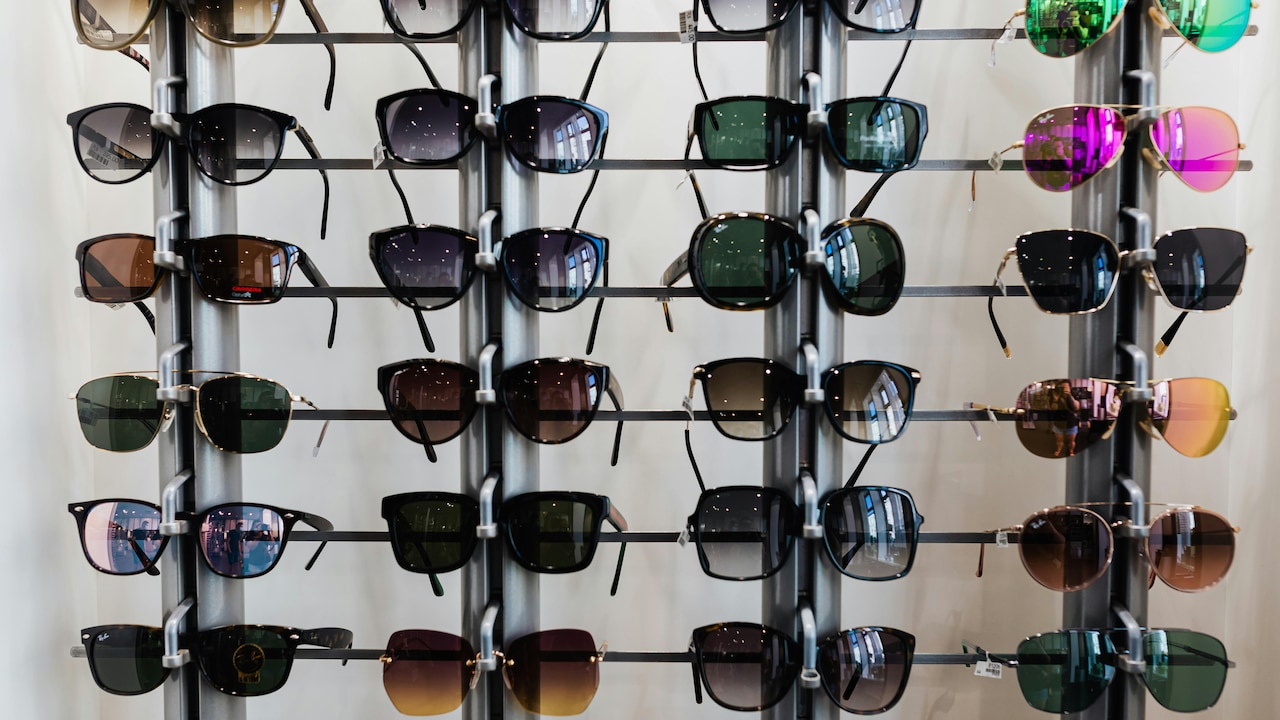
Sunglasses often sit at the crossroads of fashion and function. Street stalls display rows of trendy frames at ₹200, while branded stores showcase premium pairs that cost more than a weekend getaway. The difference, however, goes far beyond price or logo. Low-quality sunglasses can distort vision, cause headaches, and expose eyes to harmful ultraviolet rays. The danger lies in how harmless they appear. A dark lens may feel protective, but without proper filtering, it can actually worsen exposure by causing pupils to dilate. Understanding how to identify poor-quality sunglasses is not about becoming an expert overnight. It's about knowing what to look for before handing over hard-earned money. With a little awareness, it becomes easier to balance style, safety, and value without compromising eye health.
Buying Sunglasses? 10 Warning Signs Of Poor Quality Lenses You Must Know
Photo Credit: Pexels
Key Signs To Spot Low Quality Sunglasses Before They Harm Your Eyes
Dark Lenses Without UV Protection
A common myth suggests that darker lenses offer better protection. In reality, darkness has nothing to do with safety. Low-quality sunglasses often use dark tints purely for appearance, without any ultraviolet filtering capability.
This creates a deceptive effect. When wearing dark lenses, pupils expand due to reduced visible light. Without UV protection, more harmful rays enter the eye, increasing the risk of long-term damage. It's like opening the door wider for something that shouldn't be allowed in at all.
Shoppers often fall for this trap at roadside stalls where ₹150 sunglasses look identical to premium ones. The tint may feel soothing at first, especially in harsh sunlight, but the hidden impact builds quietly over time.
A reliable pair should clearly mention UV400 or 100% UV protection. Without this, even the most stylish frames fail their primary purpose. It's not about how cool they look in a selfie, but how well they guard vision when the sun is unforgiving.
Distorted Vision Through Lenses
Low-quality lenses often warp vision in subtle but noticeable ways. Straight lines may appear slightly curved, and objects may shift as the head moves. This distortion may seem minor at first, but it can strain the eyes over prolonged use.
An easy way to test this involves holding the sunglasses at arm's length and looking through them at a straight object, such as a door frame or window edge. If the line bends or wobbles while moving the glasses, the lenses lack proper optical quality.
This distortion forces the eyes to constantly adjust, leading to fatigue, headaches, and even dizziness. During activities like driving or walking through busy streets, such inconsistencies can become more than just uncomfortable; they can be unsafe.
Many people dismiss this as normal behaviour for sunglasses, assuming slight blur comes with tinted lenses. It doesn't. High-quality lenses maintain clarity without altering shapes or depth perception. When vision feels off, it's not imagination; it's a warning sign worth taking seriously.
Uneven Tint Across The Lens
A well-made lens should have a consistent tint throughout. Low-quality sunglasses often reveal uneven colouring, where some areas appear darker or lighter than others.
This inconsistency can be subtle, especially under indoor lighting, but it becomes obvious under bright sunlight. One part of the lens may reduce glare effectively, while another lets in excess light, creating an unbalanced viewing experience.
Such irregular tinting forces the eyes to adapt constantly. The result is discomfort, especially during long exposure to sunlight. Imagine walking outdoors at noon, with brightness shifting unpredictably across vision; it's exhausting.
Checking this is simple. Hold the sunglasses up against a bright surface and observe the colour distribution. Any patchiness or irregular shading indicates poor manufacturing.
Uniform tint is not just about aesthetics. It ensures consistent light filtration, allowing eyes to remain relaxed and focused. Anything less signals compromise, and when it comes to eyesight, compromise rarely ends well.
Cheap Frames That Feel Fragile
Low-quality sunglasses often betray themselves through flimsy frames. They may feel lightweight to an uncomfortable degree, with plastic that creaks or bends too easily.
While lightweight designs are not inherently bad, there's a difference between engineered comfort and cheap construction. Frames that twist without resistance or hinges that feel loose often signal poor durability.
Such frames don't just risk breaking. They can also misalign the lenses, affecting how they sit in front of the eyes. Even slight misalignment can lead to visual discomfort over time.
Many buyers focus only on how sunglasses look in the mirror. A stylish frame priced at ₹250 may seem like a great deal until it snaps within a week or starts sitting unevenly.
A good pair should feel balanced, with hinges that open smoothly and hold their position. It should sit comfortably without constant adjustment. When frames feel unreliable in hand, they are unlikely to perform well under daily use.
Lack Of Proper Labelling Or Certification
Authentic sunglasses usually come with clear labelling that mentions UV protection, lens category, and compliance with safety standards. Low-quality ones often skip this entirely or display vague, unverified claims.
Labels like “UV protected” without specific details mean very little. Reliable products mention UV400 or 100% UV protection explicitly, often backed by certification standards.
Street vendors may assure quality verbally, but without proper labelling, there's no real guarantee. It becomes a matter of trust, and unfortunately, trust doesn't always protect eyesight.
Packaging also offers clues. Genuine products include detailed information, while low-quality ones often come in generic covers or plastic pouches with no branding or documentation.
This doesn't mean expensive always equals better, but transparency does matter. When a product cannot clearly explain what it offers, it's wise to question its reliability.
In the end, clear labelling isn't just about marketing; it reflects accountability. And when it comes to eye protection, accountability is non-negotiable.
Also Read: 9 Trending Sunglasses To Buy This Summer For Style And Comfort
Glare That Still Feels Harsh
One of the primary functions of sunglasses is to reduce glare. Low-quality lenses often fail at this, leaving brightness almost as harsh as before.
Glare from roads, water, or reflective surfaces can strain eyes quickly. Good sunglasses soften this intensity, making outdoor environments more comfortable. Poor ones merely dim the overall light without addressing glare itself.
This becomes noticeable during midday travel or while driving. Instead of easing vision, the sunglasses may feel like a thin filter that does little to reduce discomfort.
Polarised lenses are particularly effective against glare, but many low-cost sunglasses falsely claim this feature. Without proper polarisation, the experience remains underwhelming.
A simple test involves looking at reflective surfaces or screens. If glare remains strong or unchanged, the lenses are not doing their job.
Sunglasses should make outdoor viewing easier, not just darker. When brightness still feels sharp and intrusive, it's a clear sign that quality has been compromised.
Buying Sunglasses? 10 Warning Signs Of Poor Quality Lenses You Must Know
Photo Credit: Pexels
Headaches And Eye Strain After Use
Discomfort is often the first sign of poor-quality sunglasses. Frequent headaches, eye strain, or a sense of fatigue after wearing them should never be ignored.
These symptoms usually arise from a combination of factors, such as distorted lenses, uneven tint, and lack of proper UV filtering. The eyes work harder to compensate, leading to strain.
Many people assume the discomfort comes from heat or dehydration, overlooking the role of sunglasses entirely. However, if symptoms disappear after removing them, the cause becomes obvious.
It's similar to wearing poorly fitted shoes. At first, the discomfort feels manageable, but over time, it builds into something more serious.
Good sunglasses should feel almost invisible in use. Vision should remain clear and relaxed, even after hours outdoors.
If wearing sunglasses feels like a relief only when taken off, something is wrong. Comfort is not a luxury; it's a basic expectation from any eyewear.
Poor Fit That Slips Or Presses
Fit plays a crucial role in both comfort and protection. Low-quality sunglasses often fail to sit properly on the face, either slipping constantly or pressing uncomfortably against the temples.
A loose fit allows sunlight to enter from the sides, reducing effectiveness. On the other hand, tight frames can cause pressure headaches and discomfort behind the ears.
Finding the right fit doesn't require expensive brands. It requires attention. Sunglasses should sit securely without needing constant adjustment, while also feeling light enough for extended wear.
Many buyers choose based on appearance alone, ignoring how the frames actually feel. A pair that looks perfect in the mirror may become annoying within minutes of stepping outside.
Trying them on, moving around, and observing how they stay in place makes a difference. A good fit enhances both protection and comfort, while a poor fit undermines both.
In the end, sunglasses should feel like a natural extension of daily wear, not something that constantly demands attention.
Colour Distortion That Feels Unnatural
Low-quality lenses often alter colours in unnatural ways. Greens may appear dull, whites may take on a yellow tint, and overall clarity may feel off.
While some tinting is intentional, such as grey or brown lenses for contrast, excessive or uneven colour shifts indicate poor lens quality.
This becomes especially noticeable when switching between wearing and removing sunglasses. If the world suddenly appears dramatically different, the lenses are likely distorting colours beyond acceptable levels.
Such distortion affects depth perception and visual accuracy. For tasks like driving or navigating crowded areas, this can be problematic.
High-quality lenses maintain colour balance while reducing brightness. They enhance visibility rather than altering it drastically.
When colours feel unnatural or inconsistent, it's a sign that the lenses prioritise appearance over function. And in eyewear, function should always come first.
Price That Feels Too Good To Be True
A ₹100 pair of sunglasses that looks identical to a ₹3,000 one can feel like a bargain. However, extremely low prices often come with hidden compromises.
Manufacturing quality lenses with proper UV protection requires precision and cost. When prices drop too low, something has to give, and it's usually safety.
This doesn't mean affordable options don't exist. It means unusually cheap deals deserve closer scrutiny.
Impulse buying at traffic signals or street markets is common, especially when the designs look appealing. But short-term savings can lead to long-term consequences.
A balanced approach works best. Investing in a reliable pair once often proves more economical than replacing multiple low-quality ones.
Price alone doesn't define quality, but it often hints at it. When a deal feels unbelievably cheap, it's worth pausing before making the purchase.
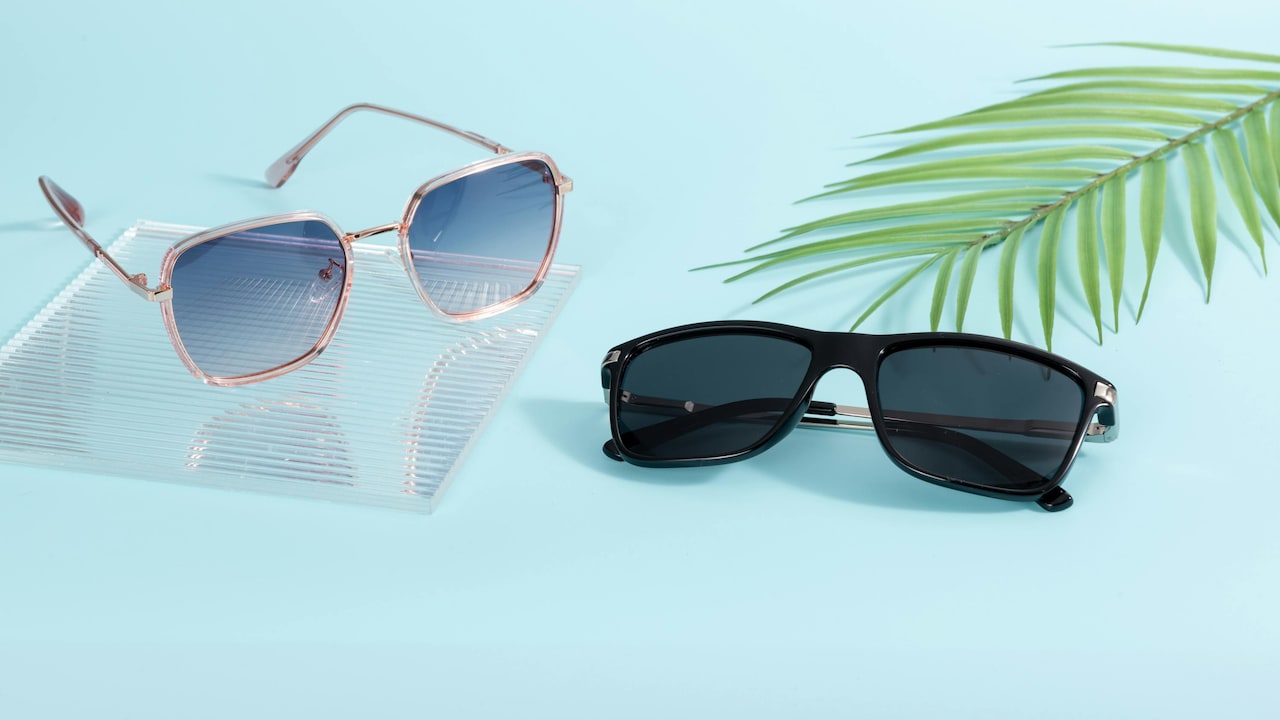
Buying Sunglasses? 10 Warning Signs Of Poor Quality Lenses You Must Know
Photo Credit: Pexels
Products Related To This Article
1. HRX by Hrithik Roshan Unisex Square Sunglasses
2. Carlton London Premium Women Square Sunglasses with UV Protected Lens
3. Vincent Chase Unisex Wayfarer Sunglasses with Polarised and UV Protected Lens
4. MANGO Women Square Sunglasses with UV Protected Lens
5. Vero Moda Women Brown Lens & Brown Oval Sunglasses
Sunglasses are more than just a fashion accessory. They act as a shield against environmental stress and harmful radiation. Choosing the wrong pair can quietly harm vision while offering a false sense of protection.
Recognising the signs of low-quality sunglasses, distortion, uneven tint, lack of UV protection, and discomfort, empowers smarter decisions. It's not about chasing expensive brands, but about understanding value.
A good pair doesn't just look stylish. It feels comfortable, protects effectively, and enhances the outdoor experience.
Next time sunglasses catch attention at a tempting price, a second look may make all the difference. After all, eyes deserve better than guesswork.
(Disclaimer: This article may include references to or features of products and services made available through affiliate marketing campaigns. NDTV Convergence Limited (“NDTV”) strives to maintain editorial independence while participating in such campaigns. NDTV does not assume responsibility for the performance or claims of any featured products or services.)