Chappal Buying Guide: Arch Support, Strap Fit And Sole Thickness
Choose chappals that support your arches, fit securely and cushion every step. This guide explains how to check strap comfort, sole thickness, grip and durability before buying.
What to consider when buying a chappal this season
Chappals rarely receive the attention given to trainers, formal shoes or festive footwear. Yet they often work harder than every other pair in the cupboard. They accompany quick tea runs, long market visits, temple mornings, neighbourhood walks and endless household errands. A pair may look perfectly stylish under bright shop lighting, but that charm can disappear after twenty minutes on a hard pavement. Suddenly, the strap rubs, the heel aches and every uneven tile feels like a personal insult. Choosing chappals should not depend only on colour, price or the hopeful thought that they will “loosen after a few days”. Comfort begins with structure. Arch support, strap placement, sole thickness, material and grip all affect how the feet feel by evening.
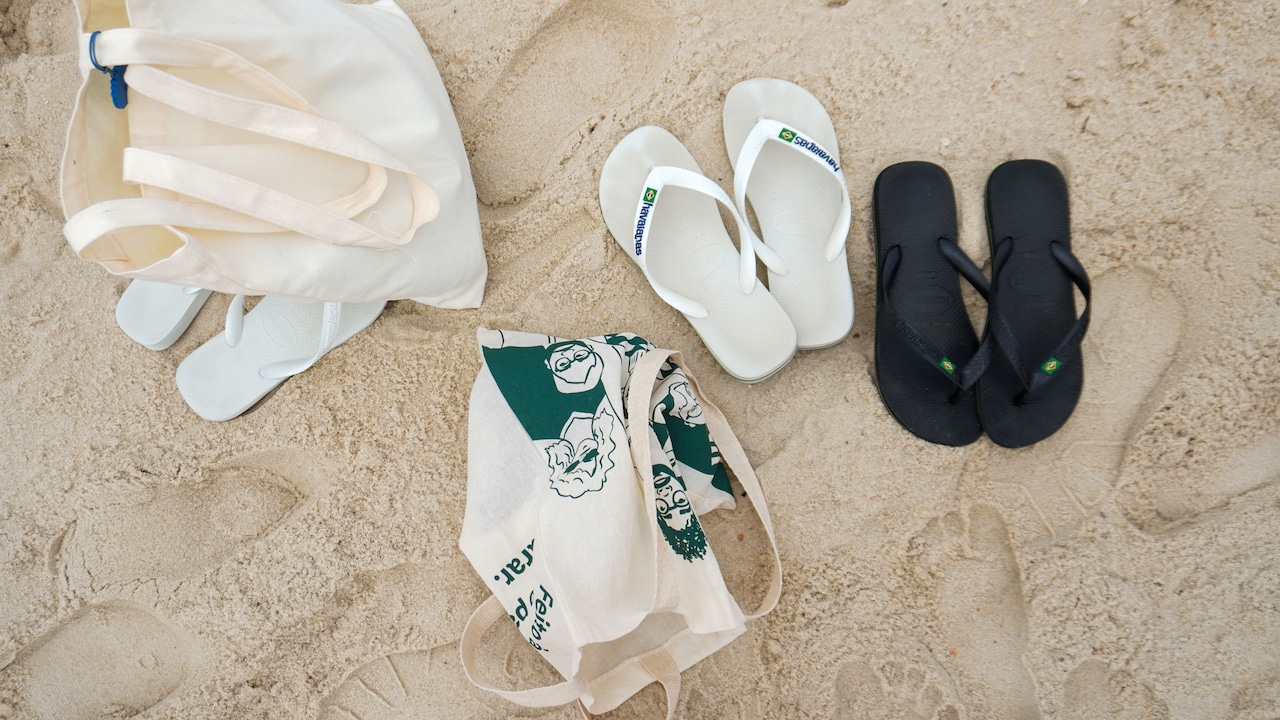
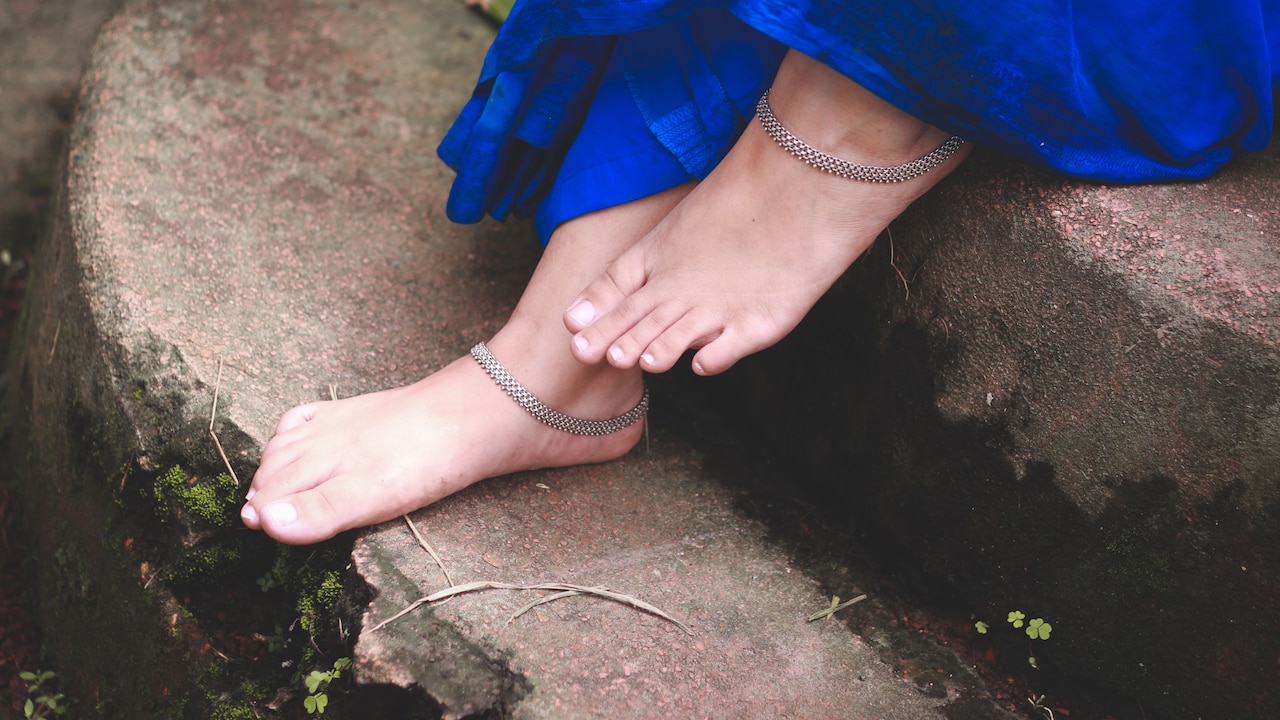
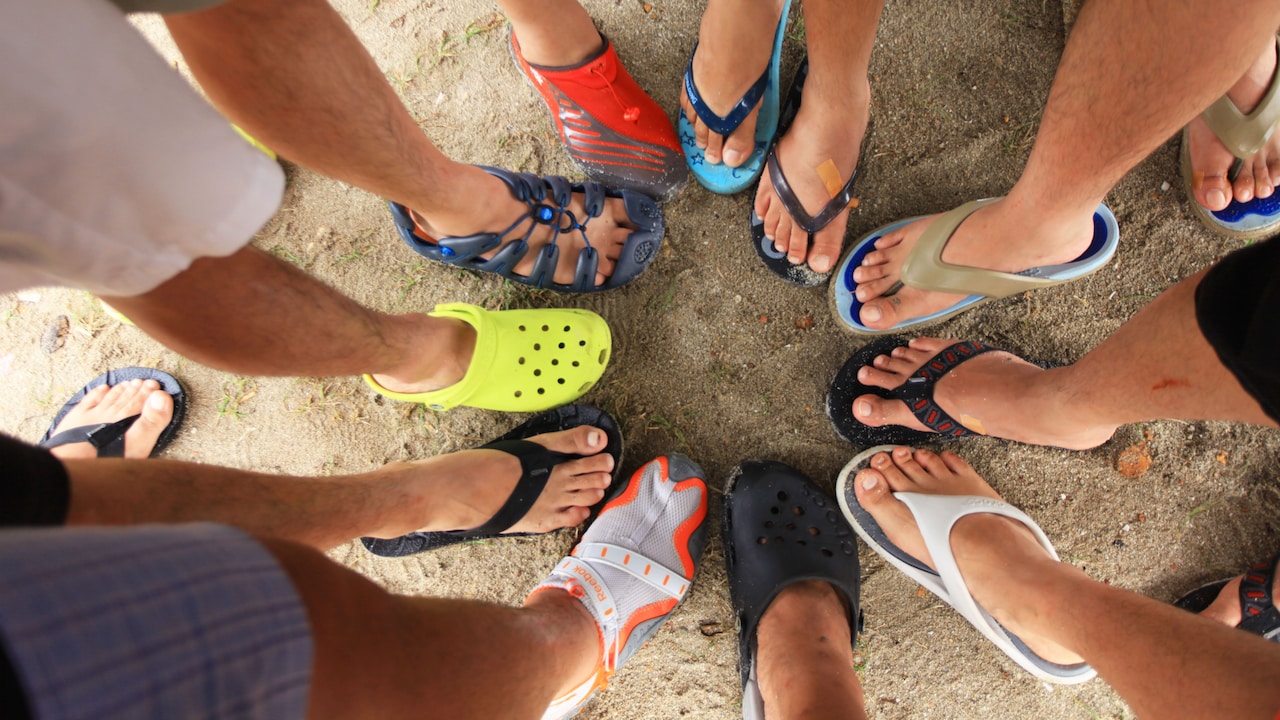
Chappal buying tips to find the best pair; Photo Credit: Pexels
A thoughtful purchase does not require technical expertise. It simply calls for a closer look, a short walk and a little patience. The following ten checks can help separate a dependable everyday pair from one that spends most of its life gathering dust near the shoe rack.
Also Read: Top 5 Waterproof Sandals For Monsoon Season Under ₹1000
How To Choose The Right Chappals For Everyday Comfort
Understand Your Foot Shape Before Shopping
Feet may look similar at first glance, but their shapes vary widely. Some have high arches, some sit almost flat, and others widen noticeably near the toes. A chappal that suits one person may feel completely wrong for another, even when both wear the same size.
Before visiting a shop, notice where your current footwear usually causes trouble. Red marks near the little toe may suggest that the forefoot needs more room. Heel pain after walking may point towards poor cushioning or weak support. If the foot keeps sliding sideways, the base may feel too narrow.
Try shopping later in the day, when feet tend to feel slightly fuller after regular movement. This gives a more realistic idea of how the chappals will fit during an evening outing or a crowded market trip.
Place both feet fully on the sole. No part of the heel or toes should hang over the edge. A tiny margin around the foot offers comfort without making the pair look oversized. The right outline should feel natural, not like the foot has entered into tense negotiations with the footwear.
Check Whether The Arch Support Feels Natural
Arch support should follow the curve of the foot without pushing aggressively against it. When the support sits in the right place, body weight spreads more evenly, and long walks feel less tiring. When it sits too far forward or too far back, discomfort can begin within minutes.
Flat chappals may appear light and flexible, but a completely level base often provides little help during extended use. This becomes especially noticeable on concrete floors, tiled offices and long station platforms. A modest raised contour under the arch can make a surprising difference.
Press the middle section of the footbed with a thumb. It should feel supportive yet slightly forgiving. A hard lump can cause pressure, while a soft bump may flatten quickly and lose its purpose.
Walk around the shop rather than judging the pair while standing still. The arch should feel reassuring, not distracting. Any sharp pressure deserves attention. Do not assume the foot will eventually surrender and adjust. Comfort should begin early. Good arch support works quietly in the background, much like a reliable ceiling fan during a humid afternoon.
Make Sure The Straps Hold Without Pinching
Straps determine whether chappals stay secure or turn every step into a gripping exercise for the toes. A well-fitted strap holds the foot gently and allows natural movement. It should not leave deep marks, cut into the skin or feel loose enough to let the heel slide around.
Check every point where the strap touches the foot. Wider straps often spread pressure more evenly, which helps during long periods of wear. Thin straps can look elegant, but they may dig into the skin if the edges feel stiff or sharp.
For toe-post designs, inspect the section between the toes carefully. Rough stitching or thick material can cause irritation, especially in warm weather. The post should sit comfortably without pulling the foot forward.
Move the toes, lift the heel slightly and take several quick steps. The chappals should remain in place without forcing the toes to curl. Adjustable buckles or hook-and-loop straps can help people with broad feet, swelling or changing comfort needs.
A strap that feels “almost fine” in the shop may become deeply annoying halfway through a family function. Trust the first signs of rubbing. Feet rarely enjoy dramatic character development.
Choose Sole Thickness According To Daily Use
Sole thickness affects cushioning, flexibility, balance and protection from rough ground. A very thin sole may feel light, but it can allow stones, broken pavement and hot surfaces to make their presence known. A very thick sole may offer cushioning, though it can also feel bulky or unstable if poorly designed.
For regular errands and short walks, a medium-thick sole usually provides a practical balance. It should absorb some impact without making the chappal feel heavy. People who spend hours standing may benefit from additional cushioning, particularly around the heel and forefoot.
Flex the sole gently with both hands. It should bend near the ball of the foot, where the foot naturally moves. If it folds in the middle like a piece of cardboard, it may lack structure. If it refuses to bend at all, walking may feel stiff.
Platform-style chappals deserve extra attention. The height should feel stable, and the base should not wobble. A thicker sole must support movement rather than simply add inches.
Think about where the pair will travel most often. A smooth indoor corridor and a pothole-rich lane demand very different levels of protection.
Look For Cushioning That Recovers Quickly
Softness attracts attention immediately. Pressing a plush footbed can feel wonderfully luxurious, especially after a tiring shopping session. However, softness alone does not guarantee lasting comfort. Good cushioning should compress under pressure and return to shape quickly.
Press the heel area firmly with a thumb for a few seconds. If a deep dent remains, the material may flatten after regular use. A footbed that feels slightly springy often performs better over time than one that feels excessively spongy.
Memory foam can provide pleasant comfort, but quality varies. Some versions trap heat or lose shape quickly during humid weather. EVA and other foam-based materials may offer lighter cushioning and better resilience, depending on construction.
Pay attention to the forefoot too. Many buyers focus only on heel padding, though the front of the foot carries considerable pressure while walking. Balanced cushioning should support both areas.
Avoid chappals that feel like marshmallows with straps. They may seem delightful for five minutes and unstable after fifty. The goal is not to sink into the sole. The goal is to receive gentle shock absorption while keeping the foot steady and properly aligned.
Inspect The Outsole Grip Carefully
A stylish upper cannot rescue a slippery outsole. Grip becomes crucial on polished tiles, wet entrances, smooth staircases and monsoon-damp pavements. The underside should have visible patterns, grooves or textured sections that create friction.
Run a finger across the outsole. A completely smooth surface may slide easily, especially after some wear. Deeper grooves usually perform better outdoors, though they can collect mud. Fine textured patterns often suit indoor use and dry surfaces.
Check whether the heel and forefoot have separate grip zones. These areas touch the ground most often and need reliable traction. The outer edges should also feel firm rather than overly rounded.
Wear both chappals and take a few controlled turns. Notice whether the sole twists unexpectedly or loses contact with the floor. A secure pair should allow direction changes without creating panic.
Rubber outsoles often provide dependable grip, while very hard plastic can feel slippery. Material quality matters more than appearance, so do not judge traction by a rugged-looking pattern alone.
A ₹399 bargain loses its charm quickly after one dramatic skid near the vegetable aisle. Good grip may not earn compliments, but it can prevent bruises, embarrassment and an unnecessarily theatrical recovery pose.
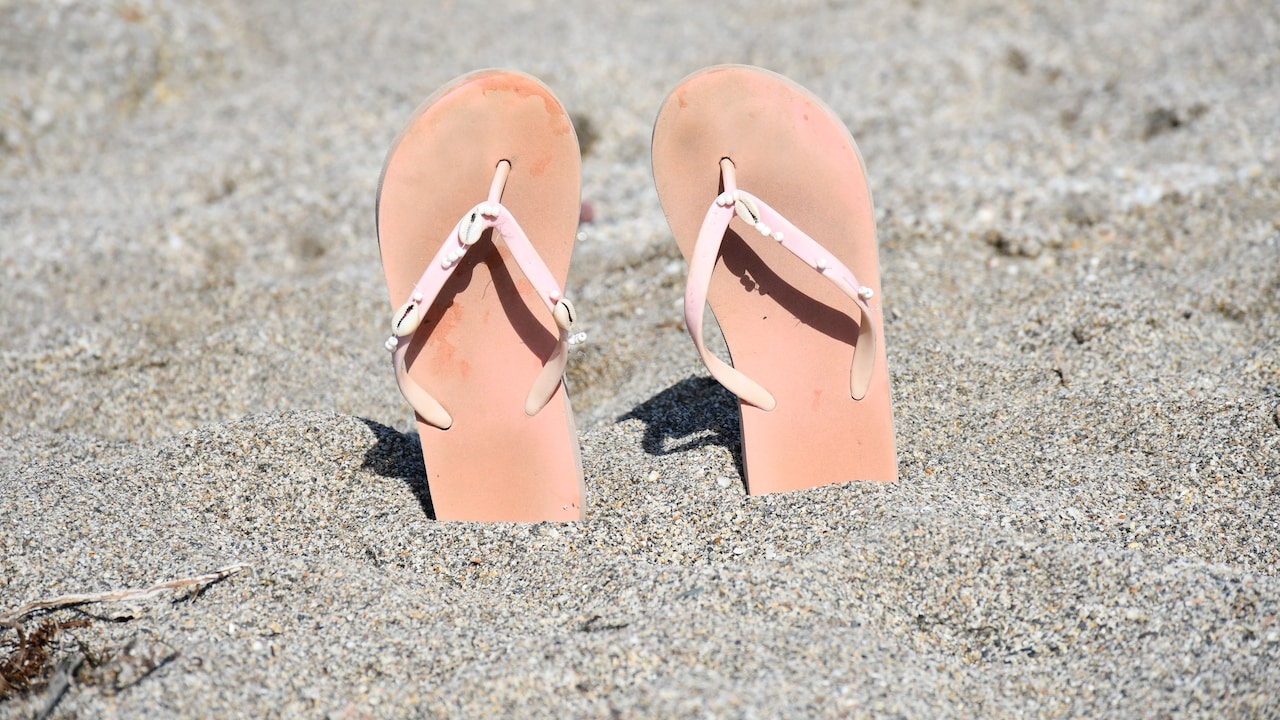
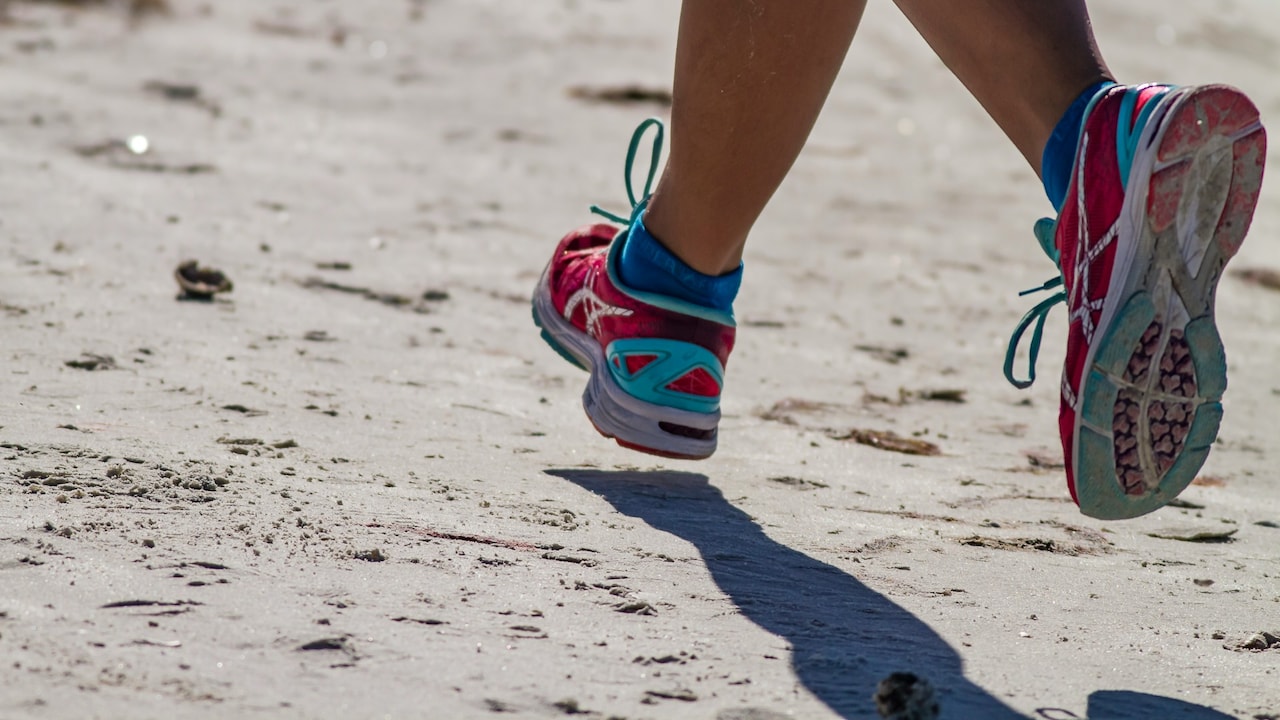
Always check the outside grip carefully for traction on various surfaces
Photo Credit: Pexels
Match The Material To The Climate
Heat, dust, rain and humidity can change how chappal materials behave. A pair that feels comfortable in an air-conditioned store may become sticky or rough after an hour outdoors. Choosing the right material helps reduce sweat, odour, irritation and premature damage.
Leather and high-quality synthetic uppers can offer structure and durability, though they need smooth inner surfaces. Rough edges may rub against damp skin. Fabric straps often feel softer, but they can absorb water and take longer to dry.
Rubber and EVA chappals work well for bathrooms, beaches and rainy days because they resist water. However, poor-quality versions may trap heat, become slippery inside or develop an unpleasant smell.
Look at the footbed surface. A lightly textured finish can reduce sliding when feet become sweaty. Deep ridges may improve grip, though they can also collect dust and feel uncomfortable during long use.
Check how the materials meet at the seams. Glue marks, loose threads and uneven joins suggest weak finishing.
For daily wear, practicality deserves equal status with style. A beautiful suede-like pair may struggle during the first surprise downpour. Climate-friendly footwear saves both effort and the sorrow of watching a favourite pair curl at the edges.
Test The Fit On Both Feet
Many people have one foot that is slightly larger than the other. This difference often goes unnoticed until a strap pinches one side while the other feels perfect. Always try both chappals and judge the fit according to the larger or more sensitive foot.
Stand up while checking the size. Body weight spreads the feet and reveals pressure points that may not appear while sitting. Walk on different surfaces in the shop where possible. A carpet can hide stiffness, poor grip and noisy soles.
Make sure the heel sits centrally. The toes should not reach the very edge, and the foot should not slide forward with each step. Bend the knees, turn around and walk at a natural pace. The footwear should move with the foot rather than slap loudly against the heel.
Do not rely entirely on the printed size. Sizing can differ across brands, designs and materials. A size 7 in one pair may fit like a size 6 or 8 elsewhere.
Comfort should feel balanced on both sides. Buying a slightly loose pair to avoid tightness may create blisters from movement. A secure, relaxed fit remains the sweet spot: neither clingy nor careless.
Consider Durability And Construction Quality
A chappal may cost ₹699 or ₹2,499, but price alone does not reveal how long it will last. Construction quality offers better clues. Examine the attachment points, stitching, sole layers and edges before reaching the billing counter.
Gently pull the straps near the base. They should feel firmly anchored without visible gaps. Toe-post chappals need especially strong reinforcement because that small connection carries repeated strain. Weak posts often fail suddenly, usually at the least convenient moment.
Look along the side of the sole. Layers should align neatly, without peeling or excessive glue. Press the heel and twist the chappal lightly. Some movement is normal, but the structure should not creak or feel loose.
Stitched soles may offer extra durability, although stitching quality matters. Uneven or exposed threads can wear out quickly. Moulded one-piece designs often handle water well because they have fewer joints.
Consider the likely cost per wear. A dependable ₹1,200 pair used several times a week may offer better value than three uncomfortable pairs bought during discount sales.
Durability does not mean indestructibility. Still, good chappals should survive regular life, including hurried steps, crowded pavements and the occasional encounter with a stubborn doorstop.
Balance Style, Comfort And Budget
Comfort need not look dull, and stylish chappals need not behave like decorative punishment. The best purchase balances appearance, fit, function and budget.
Start by thinking about how often the pair will be worn. Neutral shades such as tan, black, brown or muted metallics can work with kurtas, jeans, salwar suits and casual dresses. Brighter colours and embellished designs suit festive occasions, but decorative pieces should not scratch the skin or add uncomfortable weight.
Set a realistic budget before shopping. Everyday pairs often justify a higher spend because they face constant use. Occasional chappals can prioritise style, provided they remain comfortable enough for the event. No amount of sparkle can improve the mood when the feet start protesting before dessert.
Try not to buy only because a sale price looks tempting. A ₹500 discount saves nothing if the pair remains unworn. Focus on fit first, then compare materials, grip and finishing within the chosen range.
A good pair should feel easy from the first walk and still look pleasing in the mirror. When style and comfort agree, getting ready becomes quicker, outings feel lighter, and the shoe rack gains a genuine favourite.
Products Related To This Article
1. Puma Wave Flip Flip-Flops
2. Shozie Women Croslite Thong Flip-Flops
3. Glitchez Women Thong Flip-Flops
4. DOCTOR HEALTH SUPER SOFT Women Thong Flip-Flops
5. Max Women Sliders Flip Flops
6. ADIDAS Unisex CONTARO Striped Sliders
7. HRX by Hrithik Roshan Women Solid Clogs
Buying chappals may seem simple, but small design details can shape an entire day. Supportive arches reduce strain, secure straps prevent rubbing and suitable sole thickness protects the feet from hard or uneven surfaces. Cushioning, grip, material, fit and construction complete the comfort equation.
The most attractive pair in the shop may not always deserve a place at home. Walk in it, turn in it and notice how the feet respond. Check both sides, inspect the sole and refuse to ignore early discomfort. Footwear should adapt to daily life rather than demand constant adjustment.
A wisely chosen pair can handle morning errands, office corridors, evening strolls and spontaneous chai plans without creating a fuss. That quiet reliability makes it worth the extra few minutes spent testing and comparing.
After all, chappals often carry more than body weight. They carry busy routines, festive excitement, family outings and countless ordinary moments. The right pair allows those moments to unfold without sore arches, angry straps or a slippery surprise.
(Disclaimer: This article may include references to or features of products and services made available through affiliate marketing campaigns. NDTV Convergence Limited (“NDTV”) strives to maintain editorial independence while participating in such campaigns. NDTV does not assume responsibility for the performance or claims of any featured products or services.)