Does Gold-Plated Jewellery Survive Daily Wear? The Durability Myth Explained
Can gold-plated jewellery handle everyday wear? Discover what causes fading, how long the finish can last, and the simple care habits that help preserve its shine
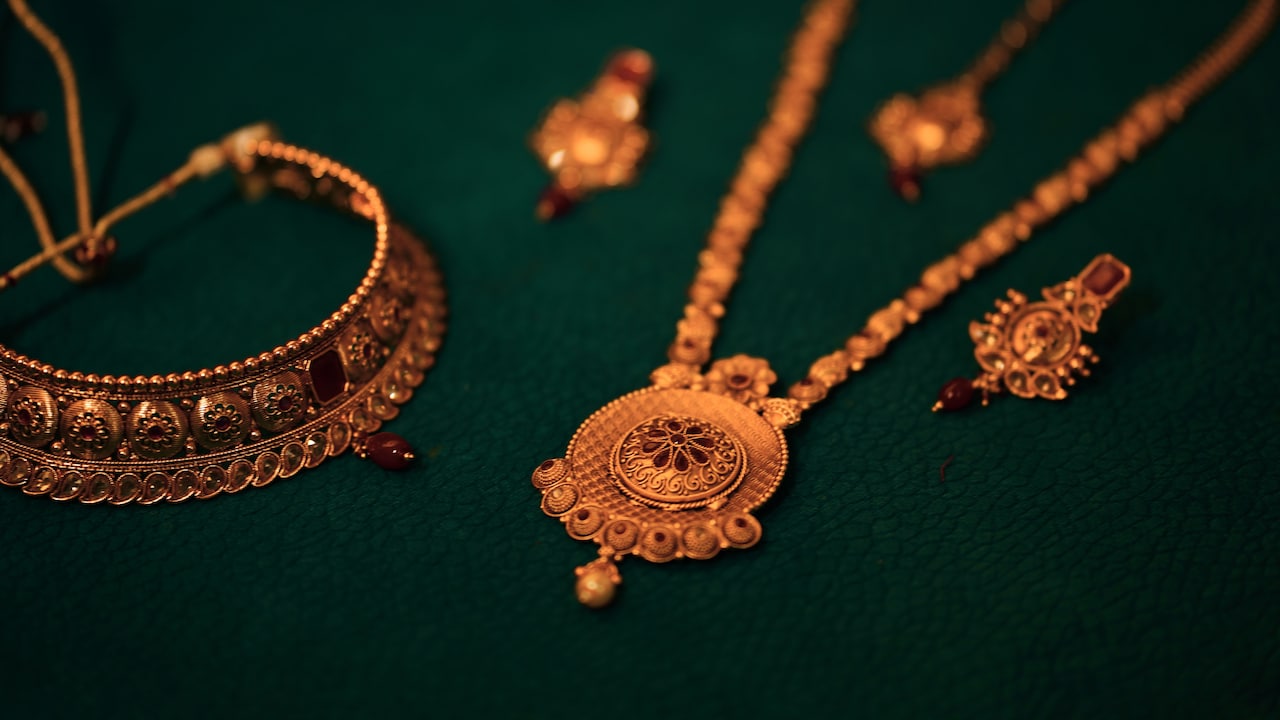
Common reasons for gold jewellery losing its colour and how to make it long lasting
Gold-plated jewellery has become the clever middle ground between luxury and practicality. It offers the rich warmth of gold, suits festive outfits and office wear, and does not demand a budget that causes family discussions over dinner. A pair of plated hoops may cost ₹800, while a delicate necklace might sit comfortably between ₹1,500 and ₹4,000. The appeal feels obvious. The confusion begins with durability. Some people wear a gold-plated chain for months without trouble. Others notice fading after a few weeks. One friend may swear that plated jewellery survives everything, while another warns that it changes colour before the next wedding invitation arrives. Both experiences can be true.
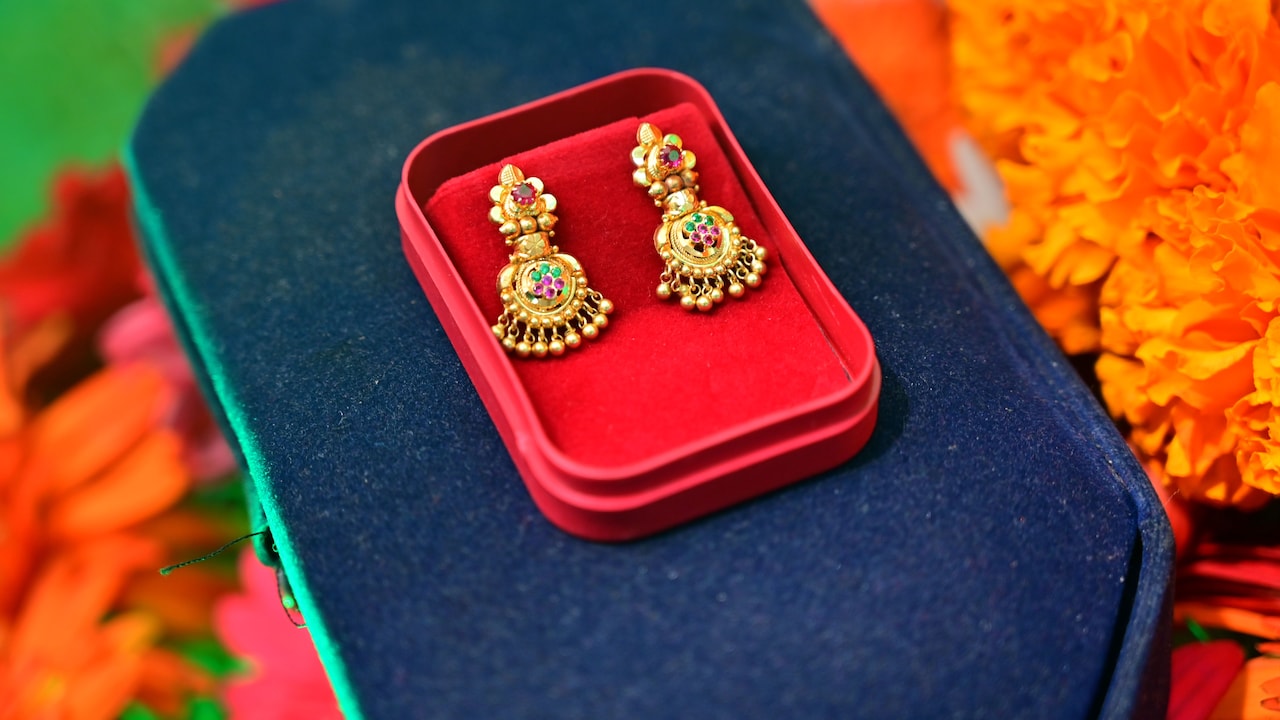
Why does gold jewellery fade and how to prevent it
Photo Credit: Pexels
Gold plating does not follow one fixed lifespan because every piece has a different coating, base metal, finish and daily routine. The weather matters. Skin chemistry matters. Even the innocent habit of spraying perfume after putting on earrings can matter.
Also Read: Best Affordable Gold-Plated Jewellery Sets That Stay Shiny
So, does gold-plated jewellery survive daily wear? Yes, but not carelessly. The real story lies somewhere between marketing promises and unnecessary panic.
What Really Determines The Lifespan Of Gold-Plated Jewellery
1. Gold Plating Is A Finish, Not Solid Gold
Gold-plated jewellery contains a base metal covered with a thin layer of real gold. Manufacturers use an electrical process to bond that gold coating to materials such as brass, copper, stainless steel or silver. The finished piece looks luxurious, but the gold layer remains only a surface treatment.
That difference matters.
Solid gold keeps the same colour throughout because gold forms the entire piece. Gold-plated jewellery can lose its outer layer through friction, moisture and chemical exposure. Once that coating wears down, the metal underneath may begin to show.
This does not make plated jewellery fake or poor quality. It simply places it in a different category. Think of it like a beautiful silk cushion cover rather than a cushion made entirely from silk. The outer appearance creates the charm, but daily handling decides how long that appearance lasts.
A well-made plated ring may look polished for months or even years with careful use. A cheaply coated ring may fade much sooner. The words “gold-plated” alone do not reveal the complete story. Thickness, craftsmanship and the metal beneath the gold all shape the final result.
2. The Thickness Of The Gold Layer Changes Everything
Not all gold plating has the same thickness. Some pieces receive only a delicate flash of gold, while others carry a more generous layer designed to resist everyday friction. This tiny measurement often makes the biggest difference to durability.
Jewellers usually measure plating thickness in microns. A very thin coating may look stunning when new but fade quickly when worn often. A thicker layer generally survives longer because it takes more time for rubbing and moisture to reach the base metal.
Price can offer a clue, though it never guarantees quality. A ₹500 ring from a roadside stall may have extremely light plating. A ₹3,000 piece from a reputable label may use better preparation, multiple coating stages and a protective finish. Still, glossy packaging should not replace sensible questions.
Ask about plating thickness whenever possible. Look for terms such as heavy gold plating, vermeil or micron plating. Clear product details usually show greater transparency.
Thickness also matters more for rings and bracelets than for pendants. Hands touch water, soap, bags, desks and steering wheels all day. A pendant experiences less friction, so even moderate plating may stay attractive for much longer.
3. Daily Wear Does Not Mean Non-Stop Wear
The phrase “daily wear” often creates unrealistic expectations. Wearing jewellery every day does not mean wearing it through every activity from sunrise to bedtime. Gold-plated pieces handle routine outings far better than showers, workouts, dishwashing and midnight skincare.
A plated chain can accompany a morning commute, office hours and an evening coffee without much trouble. Problems begin when the same chain meets sweat at the gym, shampoo in the shower and moisturiser before bed. Each encounter weakens the finish little by little.
Removing jewellery for certain tasks may feel inconvenient at first. Soon, it becomes as normal as taking off footwear before entering a home. Keep a small pouch in a handbag or desk drawer. That tiny habit can save a favourite pair of earrings from an unexpected workout session or a sudden downpour.
Daily wear works best when it means regular, mindful use. Gold plating can cope with movement, conversation, celebrations and ordinary routines. It simply needs breaks from water, chemicals and heavy friction.
Jewellery does not need royal treatment. It only needs freedom from becoming a permanent body attachment.
4. Sweat Can Quietly Damage The Golden Finish
Sweat looks harmless, but it contains salts, oils and other compounds that can gradually dull plated jewellery. Hot weather, crowded commutes and long outdoor events make this especially relevant. Even a calm afternoon can turn into an accidental endurance test for a necklace.
The effect varies from person to person. Some people naturally sweat more. Skin chemistry also differs, so the same bracelet may last a year on one wrist and fade within months on another. That variation explains many conflicting reviews.
Sweat rarely causes dramatic damage overnight. Instead, it leaves behind a film. When that residue stays on the jewellery, it reacts with the surface and speeds up tarnishing. Regular friction then makes the weakened coating wear faster.
A gentle wipe after use helps. Choose a soft, dry cloth and clean the piece before storing it. Avoid aggressive rubbing, as enthusiasm can remove more plating than the sweat itself.
During intense workouts, long walks or dance rehearsals, leave plated pieces at home. No necklace needs to prove its dedication during a forty-minute cardio session. Saving it for the post-workout chai will preserve both its shine and its dignity.
5. Perfume And Skincare Products Cause More Harm Than Expected
Perfume, sunscreen, body lotion, hair spray and makeup can all affect gold-plated jewellery. These products contain alcohol, oils, acids and other ingredients that may react with the coating. The damage often begins before anyone notices.
The usual morning sequence creates the problem. Lotion goes on, perfume follows, and jewellery completes the look. If the products remain wet, they transfer directly onto chains, bangles and earrings. Over time, the surface may appear cloudy, patchy or darker around contact points.
A simple order solves much of this. Apply skincare, makeup and fragrance first. Let everything settle and dry. Put on jewellery last. At the end of the day, remove jewellery before cleansing or applying night creams.
Perfume deserves special caution. Spraying fragrance directly onto a necklace may feel glamorous, but the alcohol can shorten the life of the plating. Spray perfume on pulse points away from the jewellery instead.
These precautions do not require a complicated beauty routine. They only require a pause. Two extra minutes can protect a ₹2,500 necklace from looking tired before its time. Sometimes durability depends less on the product and more on the order of the dressing table ritual.
Perfume and skincare products can reduce the shine of gold jewellery
Photo Credit: Unsplash
6. Water Is Not Always A Plated Piece's Friend
A few drops of water will not instantly ruin gold-plated jewellery. The trouble comes from repeated or prolonged exposure. Showers, swimming pools, seawater and household cleaning create very different conditions from an occasional splash.
Tap water may contain minerals and treatment chemicals. Soap and shampoo leave residue. Swimming pools contain chlorine, which can attack the plating and the metal beneath it. Seawater combines salt and moisture, creating another unfriendly environment. Even washing utensils brings detergents and constant rubbing into the picture.
Rings face the greatest risk because hands meet water throughout the day. Removing a ring before every hand wash may feel excessive, but taking it off before bathing, cleaning or washing clothes makes a meaningful difference.
Dry jewellery immediately after accidental exposure. Use a soft cloth and avoid hairdryers or direct heat. Heat can affect adhesives, stones and surface coatings.
Water-resistant claims also need careful interpretation. They may suggest improved protection, not immortality. A water-resistant watch survives rain better than a paper ticket, yet no one stores it in a bucket. Gold-plated jewellery deserves the same common sense.
7. The Base Metal Determines What Happens After Fading
The metal beneath the gold coating plays a major role in how jewellery ages. Brass and copper remain popular because they shape well and keep prices affordable. Stainless steel offers greater resistance to corrosion. Silver provides a more premium base, especially in gold vermeil jewellery.
When plating wears away, the base metal begins to influence colour and skin reaction. Copper may develop a reddish tone or leave a greenish mark on the skin. Brass can darken over time. Stainless steel usually changes less dramatically, though the golden appearance will still weaken if the coating fades.
Skin sensitivity also matters. Some base metals contain nickel, which can trigger itching or redness in sensitive wearers. A pretty pair of earrings becomes far less charming when the earlobes start protesting halfway through a sangeet.
Check product descriptions for nickel-free or hypoallergenic claims, especially for earrings and pieces worn close to the skin. Reputable sellers often mention the base metal clearly.
A stronger base does not stop the gold layer from wearing, but it improves the jewellery's behaviour afterwards. Good foundations matter in buildings, relationships and plated bangles alike.
8. Rings And Bracelets Usually Fade Faster Than Earrings
The type of jewellery affects durability almost as much as the quality of the plating. Rings and bracelets live a busy life. They scrape against tables, handbags, laptop edges, taps, door handles and countless everyday objects. Each contact removes a microscopic amount of finish.
Earrings usually last longer because they experience less rubbing. Pendants also perform well, especially when worn over clothing. Chains may lose colour around the neck or clasp, where sweat and movement create regular friction.
This explains why two pieces from the same collection can age differently. A plated ring worn every day may show fading within months, while matching earrings remain bright for years. The jewellery does not have inconsistent quality. It simply faces different levels of stress.
Choose pieces according to lifestyle. Someone who types all day, cooks regularly or works with their hands may find delicate plated rings impractical for daily use. Earrings, pendants and occasional-wear bangles may offer better value.
Rotating jewellery also helps. Instead of wearing one ring seven days a week, alternate between three. Each piece gets recovery time, and every outfit gains a fresh detail. Durability often improves when jewellery has a social life rather than a full-time job.
9. Cleaning Requires A Gentle Touch
Gold-plated jewellery does not need heavy scrubbing or elaborate cleaning solutions. In fact, harsh cleaning often causes more damage than dirt. Toothpaste, baking soda, strong soap and rough brushes may scratch or strip the thin gold layer.
A soft microfibre or lint-free cloth works best for regular care. Wipe the piece gently after wearing it. This removes sweat, skin oils and traces of cosmetic products before they settle into the surface.
For slightly stubborn dirt, dampen a soft cloth with lukewarm water and a tiny amount of mild soap. Clean the jewellery carefully, then wipe it with another damp cloth. Dry it fully before storage. Avoid soaking, especially when the piece contains glued stones, pearls or enamel.
Professional cleaning may help with expensive or sentimental pieces, but inform the jeweller that the item has gold plating. Cleaning methods suitable for solid gold can prove too aggressive for plated surfaces.
The goal is not to make jewellery squeak with cleanliness. A gentle wipe usually does enough. Treat the finish like delicate embroidery on a festive outfit. It can survive years of admiration, but not enthusiastic scrubbing with whatever happens to sit near the bathroom sink.
10. Smart Storage Can Add Months To Its Life
Gold-plated jewellery often suffers even when no one wears it. Humidity, air exposure and contact with other pieces can cause tarnishing and scratches inside the jewellery box. Storage, therefore, matters as much as wearing habits.
Keep each piece in a separate soft pouch or lined compartment. This prevents chains from tangling and stops hard surfaces from rubbing together. Small zip-lock bags can also reduce air exposure, though the jewellery must feel completely dry before sealing.
Avoid storing plated pieces in bathrooms. Steam and moisture create an unfriendly environment. A cool, dry drawer works better. Add anti-tarnish strips or silica gel packets for extra protection, but keep these away from children and pets.
Do not pile jewellery into one decorative bowl, however charming it looks on a dressing table. That bowl may photograph beautifully, but it turns necklaces, rings and earrings into contestants in a daily wrestling match.
Fasten chains before storing them, and place earrings in pairs. These small habits prevent knots, scratches and missing backs.
A little organisation protects both the plating and the morning mood. Nothing tests patience like untangling three necklaces while already late for work.
Products Related To This Article
1. Zaveri Pearls Rose Gold-Plated Cubic Zirconia Kada Bracelet
2. AccessHer Gold-Plated Vilandi Kundan Stone and Pearl-Studded Chained Nose Ring
3. Nui Set of 2 Gold-Plated Antique Pearls Bangles
4. Jewels Galaxy Women Gold-plated Set Of 4 Wraparound Bracelet
5. Sangria Set Of 3 Gold-Plated American-Diamond-Studded Pendant With Single Chain
6. Jewels Galaxy Rose Gold-Plated Handcrafted Stone-Studded Bracelet
7. DEESHINE Floral Drop Earrings
Gold-plated jewellery can survive daily wear, but only when “daily” comes with sensible boundaries. It can handle office hours, casual outings, family gatherings and regular styling. It cannot happily endure showers, swimming, workouts, perfume clouds and cleaning chemicals without showing signs of wear.
The biggest durability myth suggests that all plated jewellery fades quickly. That claim ignores quality, coating thickness, base metal and personal habits. Another myth promises that premium plating never fades. No surface coating lasts forever under constant friction.
The realistic answer feels more useful. Good gold-plated jewellery can stay beautiful for a long time when chosen carefully and treated thoughtfully. Look for clear product information, suitable base metals and reliable craftsmanship. Remove pieces before water-heavy or sweaty activities. Keep cosmetics away from the finish. Wipe jewellery after use and store it separately.
Eventually, a favourite piece may need replating. That does not mean the purchase failed. It means the outer layer completed its natural journey.
Gold-plated jewellery offers accessible glamour, variety and freedom to experiment. It lets a ₹1,200 pair of hoops brighten an ordinary kurta and gives a simple chain enough sparkle for an unexpected dinner plan. With realistic expectations and a little care, that shine can stay around for far more than a fleeting moment.
(Disclaimer: This article may include references to or features of products and services made available through affiliate marketing campaigns. NDTV Convergence Limited (“NDTV”) strives to maintain editorial independence while participating in such campaigns. NDTV does not assume responsibility for the performance or claims of any featured products or services.)