Cheap Flip Flops: Why They Cause Foot Pain And What To Look For Instead
Cheap flip flops may save money upfront, but they often lead to foot pain, poor posture, and long-term discomfort. Understanding why cheap flip flops fail can save feet, money, and plenty of unnecessary discomfort.
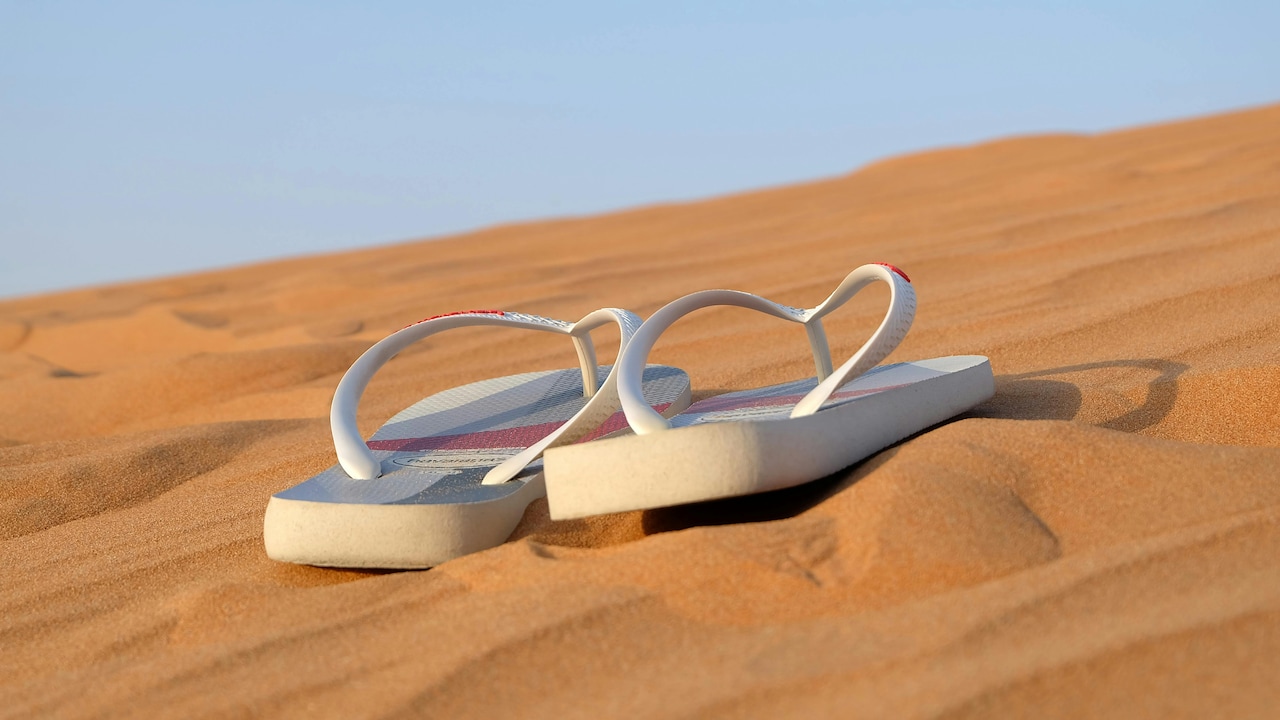
Why Cheap Flip Flops Hurt Your Feet And What to Look For Instead To Get A Comfortable Pair.
Flip flops are a staple in everyday life. They slip on easily, survive sudden rains, and seem perfect for quick errands, beach trips, or lazy evenings. Street stalls, local markets, and online sales make them even more tempting with prices as low as ₹199. At that rate, grabbing an extra pair feels like a smart move. But feet often tell a different story. A dull ache after a long walk. A sharp twinge near the heel. That odd tiredness even after a short day out. These small discomforts add up. Over time, cheap flip flops can strain muscles and invite foot problems that linger far longer than the footwear itself. So, here we reveal why cheap flip flops cause foot pain and what to look for to ensure comfort.
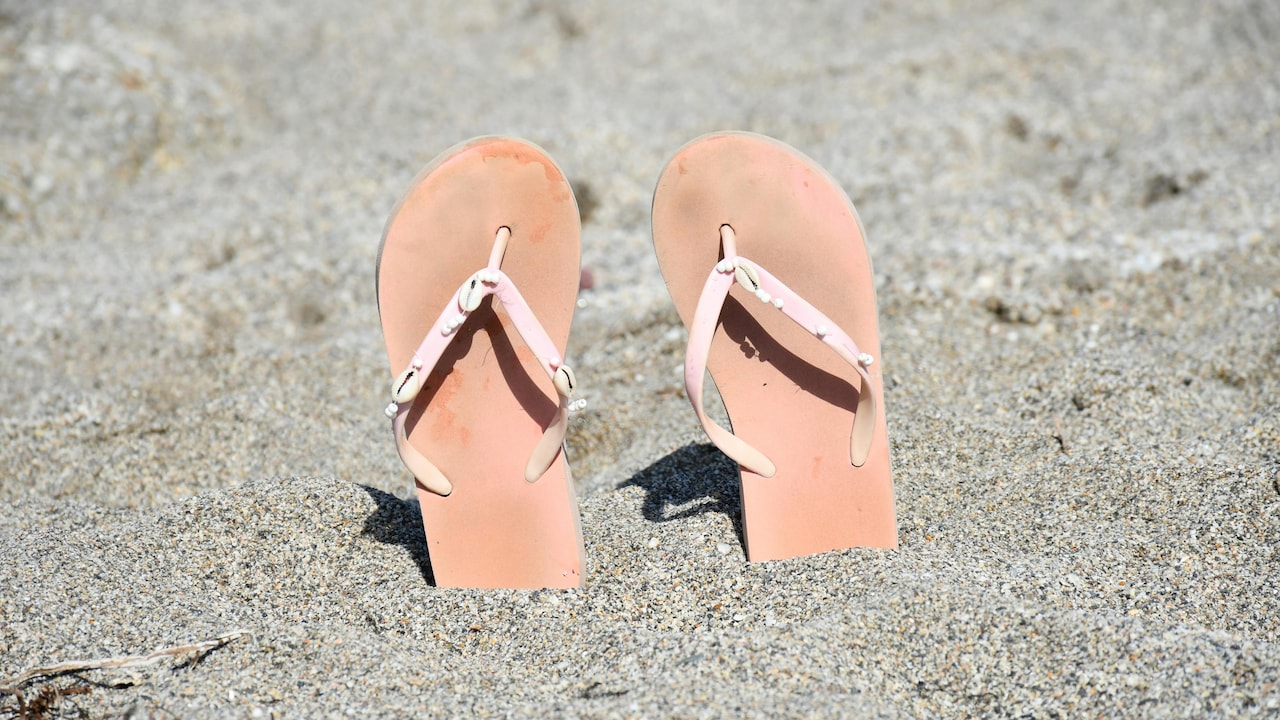
Why Cheap Flip Flops Hurt Your Feet And What to Look For Instead
Photo Credit: Pexels
What Really Happens When Your Feet Get Poor Support
1. Lack of Proper Support
Most budget flip flops are flat slabs of rubber. They ignore the natural curve of the foot, especially the arch. That curve exists for a reason. It distributes weight evenly and absorbs shock while walking. When arch support is missing, pressure shifts to areas that cannot handle it for long.
This often leads to sore heels, aching mid-foot, and fatigue that creeps up faster than expected. Long walks through markets or railway stations become tiring, even when the distance is short. Over time, unsupported arches may contribute to issues like plantar fasciitis, which brings stabbing heel pain, especially in the morning.
Better flip flops gently cradle the arch instead of flattening it. They may look similar at first glance, but the difference shows after a full day of wear. Feet feel less tired, posture stays aligned, and walking feels smoother rather than forced.
2. Thin Soles Mean Zero Shock Absorption
Cheap flip flops usually have paper-thin soles. Every step sends shock straight from the ground to the feet. Hard pavements, uneven roads, and concrete floors amplify this impact. The body absorbs it through joints, knees, and even the lower back.
At first, it feels like mild discomfort. After repeated use, it turns into soreness that lingers even after sitting down. Thin soles also heat up quickly, making walks on sunny afternoons uncomfortable.
Quality flip flops include cushioned soles that absorb shock. Materials like EVA foam or layered rubber help soften each step. The difference becomes obvious when standing in long queues or walking across large complexes. Feet stay calmer, and the body feels less battered by the end of the day.
3. Poor Grip Leads to Unnatural Walking
That familiar slap-slap sound from cheap flip flops is more than annoying. It signals poor grip. To keep the footwear from flying off, toes constantly curl and grip the sole. This unnatural movement strains muscles that were never meant to work that hard.
Over time, this can cause toe pain, cramps, and even tendon issues. Walking style changes subtly. Steps become shorter, posture shifts, and balance suffers. On wet floors or tiled surfaces, the risk of slipping increases, turning a casual stroll into a hazard.
Well-designed flip flops stay put without effort. A textured footbed and secure straps reduce the need to grip. Walking feels natural again, allowing toes to relax and move as intended.
4. Cheap Materials Break Down Quickly
Low-cost flip flops rely on inferior materials that compress and crack with use. What feels soft on day one turns flat and lifeless within weeks. Once the sole loses shape, it offers no support at all.
Worn-out flip flops also create uneven surfaces underfoot. This increases strain on ankles and knees, especially when walking on slopes or uneven ground. Small cracks invite moisture, leading to unpleasant odours and hygiene issues.
Spending a bit more on durable materials saves money in the long run. A ₹799 pair that lasts a year costs less than replacing ₹199 flip flops every two months. More importantly, feet remain supported and comfortable throughout.
5. No Heel Cup, No Stability
Most cheap flip flops are completely flat from front to back. There is no heel cup to cradle the heel and keep it centred. Without this, the heel slides around, forcing the foot to stabilise itself with every step.
This constant adjustment strains ligaments and can lead to ankle pain. People with slightly inward or outward walking patterns feel this more acutely. After long periods of wear, even simple activities like climbing stairs feel uncomfortable.
Flip flops with a gentle heel cup improve stability significantly. They guide the foot into a natural position and reduce unnecessary movement. This small design feature makes a big difference, especially during long days.
6. Flimsy Straps Cause Irritation and Injury
The straps on cheap flip flops often use thin plastic or rubber that rubs against skin. Blisters, cuts, and dark marks between toes are common complaints. In hot weather, sweat worsens friction, turning minor irritation into painful sores.
Straps that stretch or snap suddenly pose another problem. A broken strap mid-walk forces awkward movements and increases the risk of falls.
Better flip flops use soft, fabric-lined, or padded straps. They distribute pressure evenly and reduce friction. Secure attachments prevent sudden failures and keep walks stress-free.
7. Flat Design Affects Posture Beyond the Feet
Feet form the foundation of the body. When footwear lacks support, the effects travel upward. Cheap flip flops alter posture subtly, shifting weight unevenly across hips and spine.
This often leads to lower back pain, stiff shoulders, and general discomfort after standing or walking for extended periods. People who spend long hours commuting or working on their feet feel these effects more strongly.
Supportive flip flops maintain natural alignment. Proper cushioning and structure help the body stay balanced, reducing strain far beyond the feet.
8. No Protection From Heat and Rough Surfaces
Thin soles offer little protection from hot roads, sharp stones, or rough surfaces. Stepping on a pebble feels jarring, and walking during peak summer hours becomes a challenge.
Repeated exposure to heat can cause foot fatigue and even burns in extreme cases. Rough surfaces increase the risk of cuts and bruises, especially for those with sensitive skin.
Thicker soles with protective layers shield feet from these elements. They allow confident movement across varied terrain without constant worry.
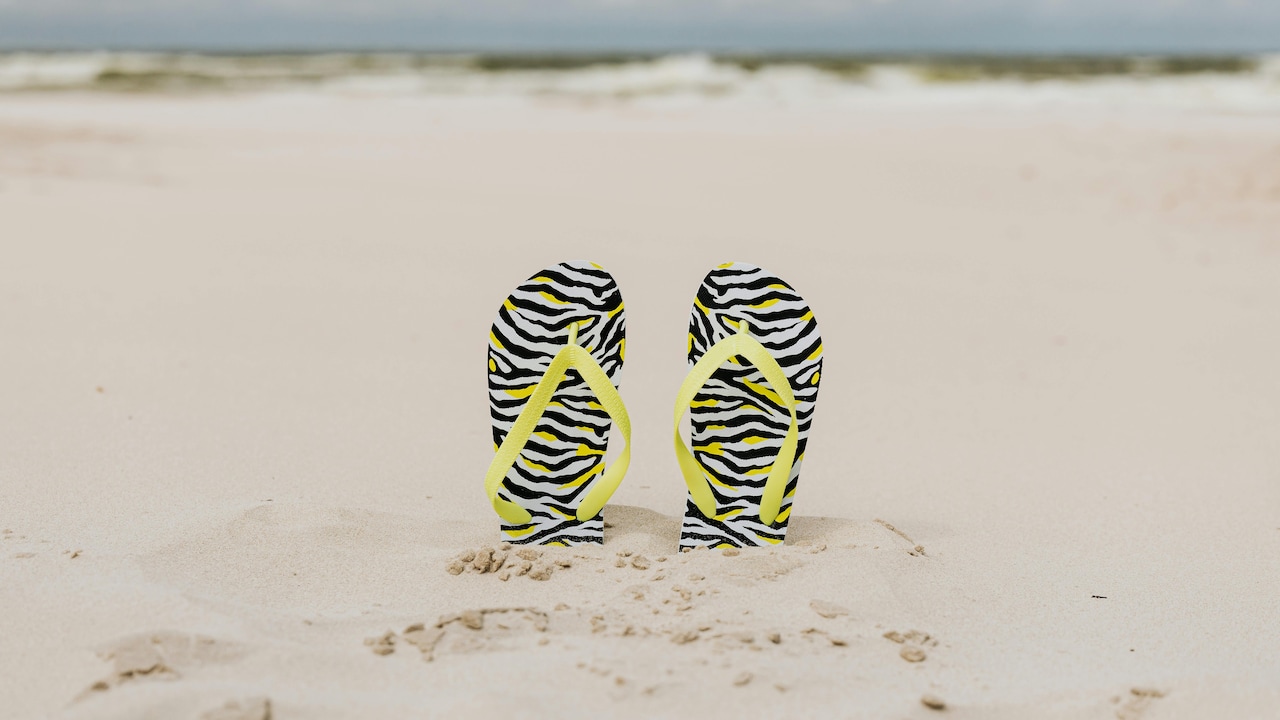
Why Cheap Flip Flops Hurt Your Feet And What to Look For Instead
Photo Credit: Pexels
9. Cheap Flip Flops Encourage Overuse
Because they are easy to wear and inexpensive, cheap flip flops often become default footwear. They get worn everywhere — shopping trips, travel days, even casual gatherings.
This constant use magnifies their shortcomings. Feet never get proper support, leading to chronic discomfort. Overuse of poor footwear is a common cause of recurring foot pain.
Having a comfortable, supportive pair encourages healthier habits. Flip flops become occasional wear rather than all-day companions, reducing strain significantly.
10. What to Look For Instead
Choosing better flip flops does not require luxury budgets. Key features matter more than brand names. Look for contoured footbeds, cushioned soles, secure straps, and slight arch support.
Try them on and walk around. Feet should feel stable, not strained. The sole should bend slightly at the ball of the foot, not fold in half. Weight distribution should feel even.
Spending ₹800–₹1,500 on a good pair is an investment in daily comfort. Feet carry the body through countless steps each day. Treating them well pays off quickly.
Products Related To This Article
1. DOCTOR EXTRA SOFT Women Printed Bounce Back Technology Non-Slip Thong Flip-Flops
2. Allen Solly Women Colourblocked Sliders
3. HRX by Hrithik Roshan Comfortable Slip-On
4. Sunshine by Bata Men Thong Flip-Flops
5. FCUK Men Solid Sliders With Brand Logo Detail
6. Puma Wave Women Flip-Flops
7. Red Tape Women Comfort Sliders
Cheap flip flops promise convenience, but they often deliver discomfort. From poor support to flimsy materials, their flaws quietly take a toll on feet and posture. Choosing better alternatives does not mean giving up on simplicity or style. Thoughtful design, supportive features, and durable materials transform flip flops from a foot hazard into a reliable companion.
(Disclaimer: This article may include references to or features of products and services made available through affiliate marketing campaigns. NDTV Convergence Limited (“NDTV”) strives to maintain editorial independence while participating in such campaigns. NDTV does not assume responsibility for the performance or claims of any featured products or services.)