Chikankari Kurtas Care Guide: 7 Common Mistakes That Make Them Age Too Fast
Chikankari kurtas age faster due to everyday care mistakes. From harsh washing to poor storage, this guide breaks down seven common errors and shows how simple changes can preserve embroidery, colour, and shape for years.
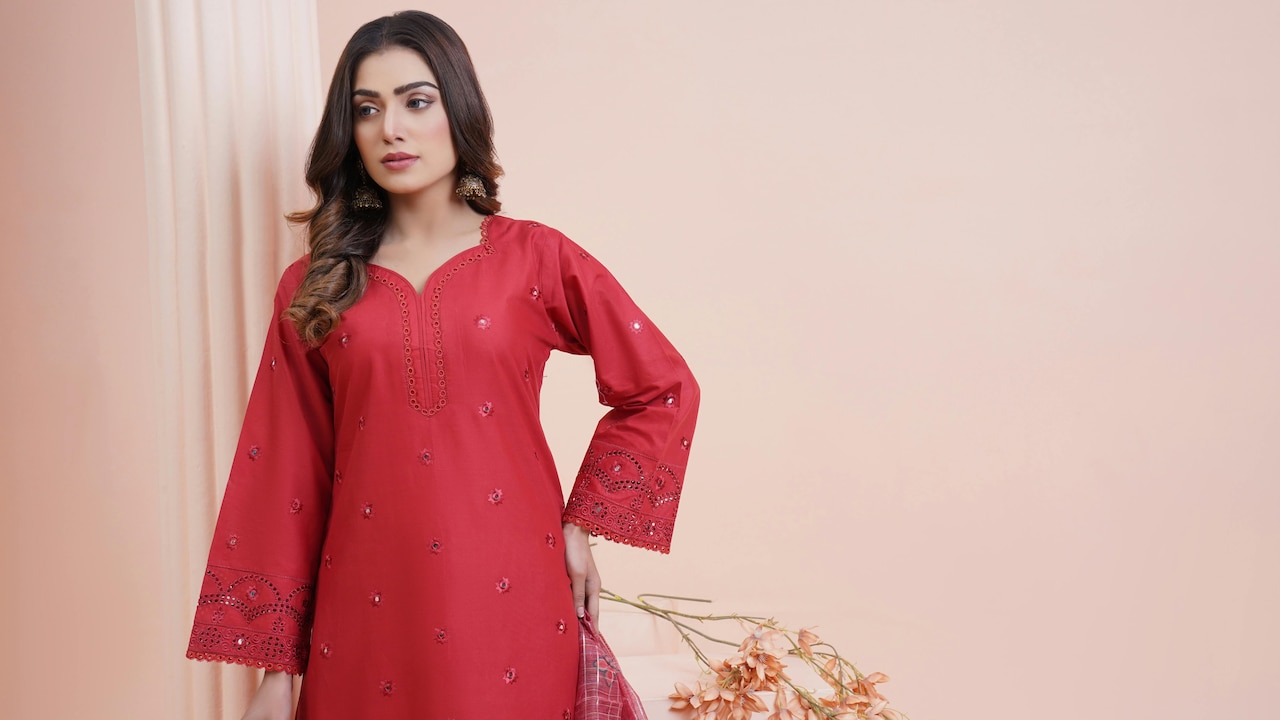
Make your favourite chikankari kurtas last long with these simple care tips.
A Chikankari kurta never shouts for attention. It whispers elegance. The fine embroidery, soft fabrics, and subtle patterns feel perfect for humid afternoons, festive lunches, or quiet family gatherings. Many wardrobes hold at least one cherished piece, often worn sparingly, yet somehow ageing faster than expected.
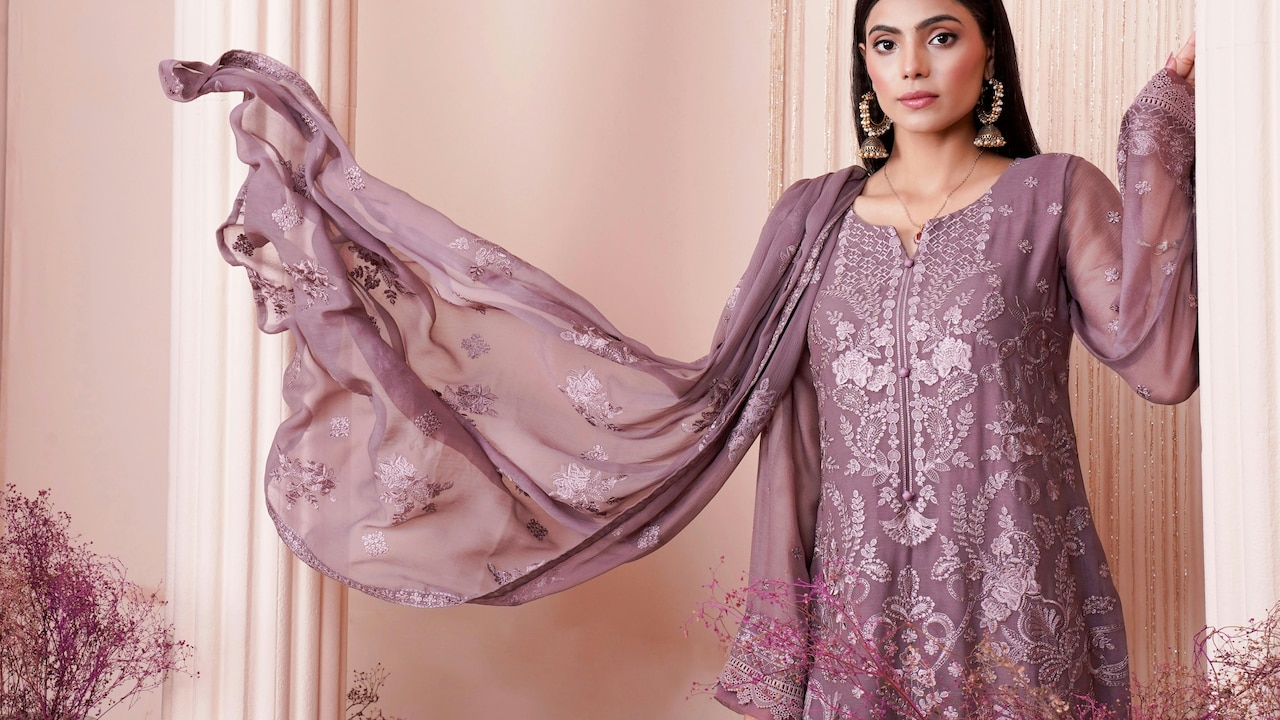
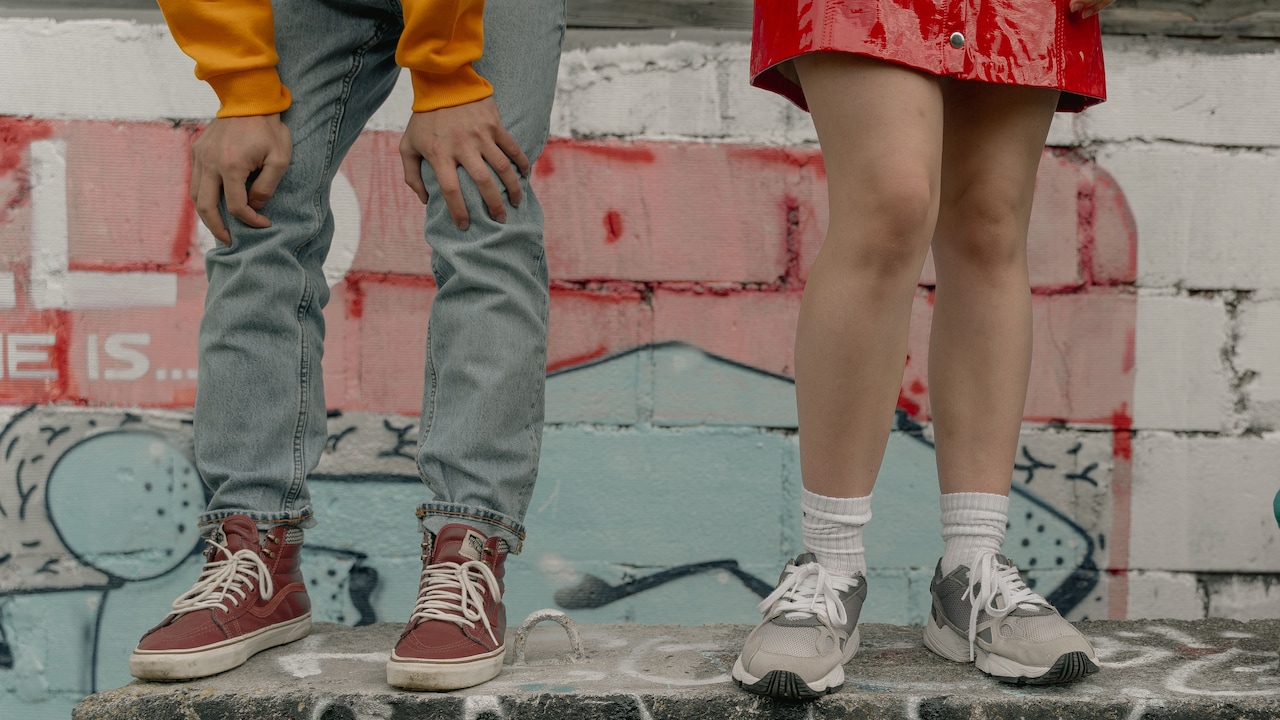
Try these tips to care for and maintain your chikankari kurta the right way; Photo Credit: Pexels
The problem rarely lies in the fabric or the craftsmanship. It usually hides in daily habits. A rushed wash before work, a careless squeeze into a crowded cupboard, or a quick iron on high heat. These actions feel harmless, yet they slowly weaken threads, dull colours, and distort shapes.
Chikankari embroidery demands patience, and it deserves the same in return. Caring for it does not require expensive products or complicated routines. It needs awareness. This guide breaks down the most common mistakes that shorten the life of Chikankari kurtas, along with practical, realistic ways to avoid them. Think of it as a friendly reminder to treat these garments the way they were made, slowly, thoughtfully, and with respect.
Also Read: Sail Through The Summer Days In Comfort With These Chikankari Kurtas
It's Not the Fabric: It's the Way They're Treated
1. Washing Them Like Everyday Cotton Clothes
One of the biggest mistakes begins with the washing machine. Chikankari kurtas may look sturdy, but the embroidery threads remain delicate. Treating them like regular cotton tops often leads to fraying stitches and fabric stress.
Machine washing, especially with heavy loads, creates friction. The kurta rubs against zips, buttons, and rough fabrics. Over time, this weakens the embroidery and pulls at the base cloth. Even gentle cycles cannot fully protect handwork.
Hand washing offers a safer alternative. Use cold water and mild detergent. Avoid soaking for long periods, as water loosens threads. A gentle swirl works better than scrubbing. Rinse carefully and press out excess water without wringing.
This extra care may take ten more minutes, but it adds years to the garment's life. A kurta that keeps its shape and embroidery always looks newer, even after repeated wear.
2. Using Harsh Detergents or Too Much Soap
That extra spoon of detergent may promise brighter clothes, but Chikankari kurtas pay the price. Strong chemicals eat into natural fibres and fade soft colours. White kurtas often turn yellow, while pastels lose their charm.
Liquid detergents with neutral formulas work best. Avoid bleach, stain removers, and whitening agents. Even herbal powders can prove too abrasive if used carelessly.
Less soap works better. Excess detergent sticks to threads and stiffens the fabric. This makes embroidery feel rough and lifeless. A light rinse removes dirt without stripping softness.
When stains appear, resist panic. Spot clean gently with diluted soap instead of attacking the entire garment. Patience saves both fabric and embroidery, while aggressive cleaning causes irreversible damage.
3. Drying Them Under Direct Sunlight
Sunlight feels like a natural solution for drying clothes, especially during hot months. Unfortunately, Chikankari kurtas suffer under harsh rays. Prolonged exposure fades colours and weakens threads.
White kurtas may develop a dull, tired tone. Coloured ones lose depth and start looking washed out. The embroidery, often made with cotton threads, dries unevenly and becomes brittle.
Shade drying works best. Lay the kurta flat on a clean towel or hang it away from direct sunlight. Air circulation matters more than heat. This method preserves colour, texture, and shape.
Sun drying feels quicker, but patience pays off. A kurta that retains its original hue always looks well cared for, even after years of wear.
4. Twisting or Wringing After Washing
That instinctive twist to remove water causes serious harm. Wringing stretches the fabric and distorts embroidery patterns. Fine stitches lose alignment, and the kurta may never sit right again.
Chikankari embroidery relies on symmetry. Once threads shift, the design loses balance. This makes even a new kurta appear worn and misshapen.
Instead, press gently. Place the kurta between towels and apply light pressure to absorb moisture. Let gravity do the rest. Hanging dripping wet garments also stretches necklines and sleeves.
Handling the fabric softly keeps the embroidery intact. This small change makes a visible difference in how long the kurta maintains its original structure.
5. Ironing Directly Over the Embroidery
Ironing feels harmless, yet direct heat damages delicate stitches. High temperatures flatten embroidery, scorch threads, and leave shiny marks on fabric.
Many rush through ironing, pressing hard to remove creases quickly. This compresses handwork and dulls its texture. Over time, embroidery loses its raised, intricate feel.
Always iron inside out. Place a thin cotton cloth between the iron and the kurta. Use low to medium heat and avoid steam directly on stitched areas.
This method protects threads while keeping the garment crisp. The embroidery retains depth, and the fabric stays smooth without stress.
Avoid ironing directly over the embroidery to prevent damage from heat; Photo Credit: Pexels
6. Storing Them in Overcrowded Wardrobes
A crowded cupboard turns into a battlefield for delicate kurtas. Heavy garments crush embroidery, while sharp accessories snag threads. Over time, folds create permanent creases across stitched areas.
Plastic covers trap moisture and encourage yellowing. Damp conditions invite mould, which stains fabric and weakens fibres.
Breathable cotton covers work better. Fold kurtas carefully, padding embroidery with soft tissue paper. Store them away from direct light and humidity.
Space matters. Giving each piece room prevents friction and preserves shape. A well-stored kurta always feels fresh, even after months of rest.
7. Wearing Them Too Often Without Breaks
Favourite kurtas tend to face overuse. Frequent wear without rest strains the fabric and loosens the embroidery. Sweat, friction, and repeated washing accelerate ageing.
Rotating garments allows fibres to recover. Wearing the same kurta every few days shortens its lifespan significantly. Rest days help maintain structure and freshness.
After wearing, air the kurta before storing. This removes moisture and odours naturally. Avoid spraying perfumes directly on embroidery, as alcohol weakens threads.
Treating Chikankari kurtas like special companions rather than daily basics keeps them beautiful longer.
8. Ignoring Small Repairs
Loose threads often appear harmless. Many ignore them until embroidery starts unravelling. This small oversight leads to larger damage that becomes difficult to fix.
Pulling loose threads worsens the problem. Always trim carefully or secure with minimal stitching. Early attention saves the entire design.
Local tailors familiar with hand embroidery offer affordable repairs. Spending a few hundred rupees early prevents the need for costly restoration later.
Maintenance preserves heritage. A well-kept kurta carries pride, while neglected ones fade quickly.
9. Spraying Perfume or Deodorant Directly on the Kurta
Fragrance adds confidence, but direct application damages fabric. Alcohol and chemicals stain embroidery and weaken threads over time.
White kurtas show yellow patches near the neckline and underarms. Coloured ones fade unevenly. These stains often resist washing.
Apply fragrance on skin before dressing. Let it dry fully. This simple habit prevents long-term damage and keeps kurtas looking fresh.
Small lifestyle tweaks protect delicate garments without sacrificing comfort or style.
10. Treating Chikankari as Trend Wear Instead of Craft
Fast fashion habits affect how garments age. Treating Chikankari kurtas as seasonal trends leads to careless use and disposal.
These pieces represent skill, patience, and tradition. Respecting the craft changes how they get worn, washed, and stored.
Mindful ownership encourages better care. A kurta worn thoughtfully always outshines one worn carelessly, regardless of price.
When garments receive respect, they return it through longevity and timeless appeal.
Products Related To This Article
1. PARAMOUNT CHIKAN Women Georgette Ethnic Motifs Embroidered Chikankari Kurtas
2. Fashionable Chikan Handikraft Embroidered Chikankari Straight Kurtas
3. GoSriKi Floral Embroidered Chikankari Straight Kurta
4. KALINI Floral Embroidered Notch Neck Chikankari Straight Kurta
5. Anouk Floral Embroidered Round Neck Chikankari Straight Kurta
Chikankari kurtas age gracefully when treated with care. Most damage comes not from wear, but from habits formed in haste. Washing too roughly, storing carelessly, or ignoring small details slowly steals their charm.
Good care does not demand effort-heavy routines. It requires awareness. Gentle washing, mindful storage, and respectful handling preserve both fabric and embroidery.
These kurtas hold more than threads. They carry stories of hands that worked patiently, stitch by stitch. Protecting them honours that effort. With the right care, Chikankari kurtas do not just survive seasons, they become timeless companions, ageing slowly and beautifully.
(Disclaimer: This article may include references to or features of products and services made available through affiliate marketing campaigns. NDTV Convergence Limited (“NDTV”) strives to maintain editorial independence while participating in such campaigns. NDTV does not assume responsibility for the performance or claims of any featured products or services.)