Chikankari Kurtas Can Turn Transparent Outdoors: Innerwear Fixes That Actually Work
Chikankari kurtas can look opaque indoors but turn sheer in sunlight. From nude innerwear to smart layering, these practical fixes help avoid transparency without ruining the outfit’s charm.
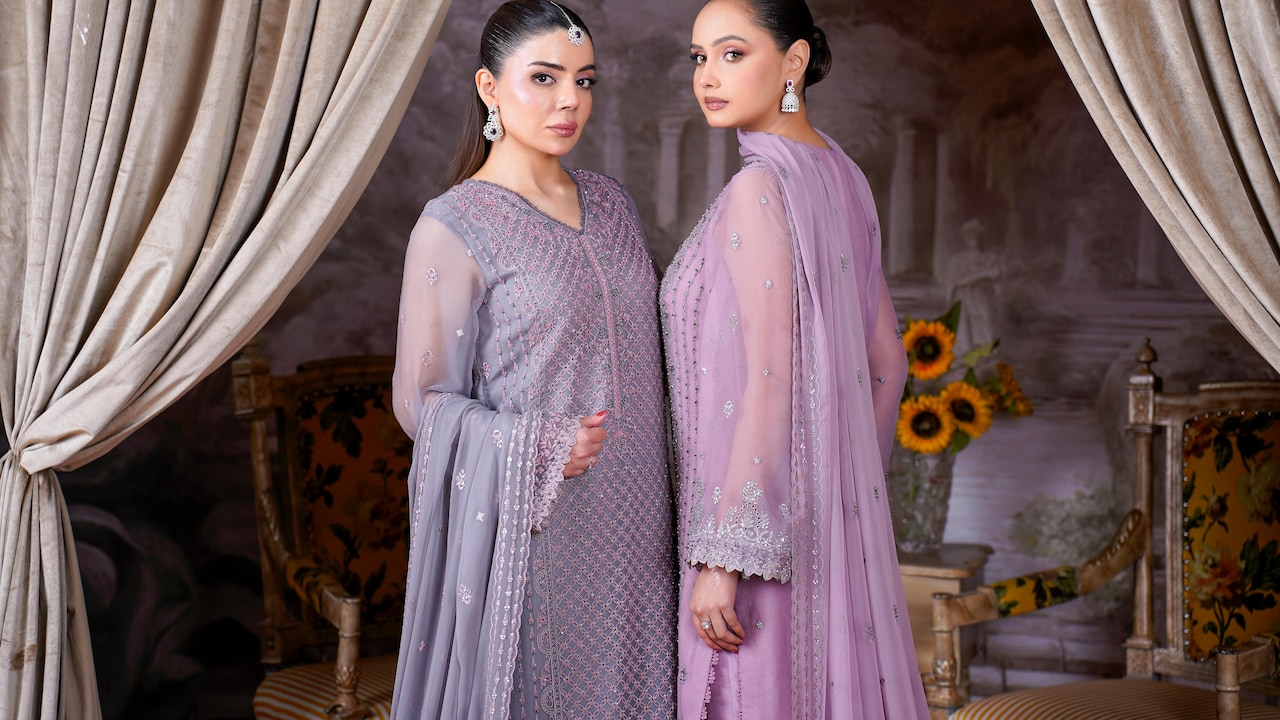
How To Stop Chikankari Kurtas From Looking See-Through In Sunlight
Every wardrobe has that one chikankari kurta that feels impossible to resist. Soft embroidery, breezy fabric, and graceful silhouettes, it is the kind of outfit that works for brunches, office lunches, family gatherings, airport looks, and festive dinners. It carries old-world charm without trying too hard. Pair it with silver jhumkas and kolhapuris, and suddenly the whole day feels prettier. But chikankari comes with a tiny betrayal no one warns about properly. The kurta that looked perfectly decent indoors can turn alarmingly transparent under sunlight. Tube lights often hide the problem. Outdoor lighting exposes everything. Many discover this during a quick walk to the car, under harsh office parking lights, or while standing near café windows that let in bright afternoon sun. It becomes a stressful day filled with tugging at dupattas and checking reflections in glass doors.
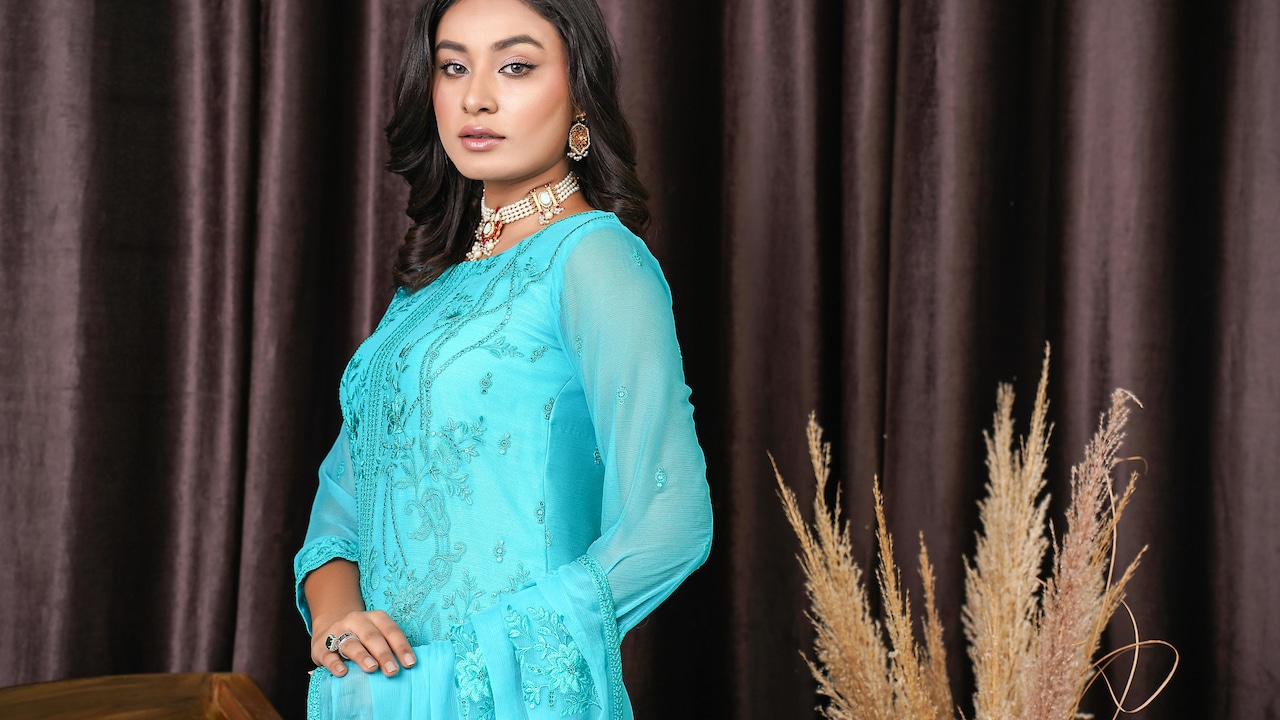
How To Stop Chikankari Kurtas From Looking See-Through In Sunlight; Photo Credit: Pexels
The issue usually comes from the fabric itself. Cotton, georgette, mulmul, chiffon, and pastel shades naturally become more translucent outdoors. White chikankari kurtas are especially notorious for this. Add sweat or humidity into the mix, and the transparency becomes even more noticeable.
Thankfully, there are practical solutions that do not involve abandoning beautiful chikankari outfits altogether. A few thoughtful innerwear choices can completely change how comfortable and confident the outfit feels outside the house.
Innerwear Fixes That Actually Work For Sheer Chikankari Kurtas
The Nude Innerwear Rule Changes Everything
Many women still wear white bras under white kurtas, believing it creates invisibility. Unfortunately, white under white often becomes more visible in daylight. Nude tones work far better because they blend into skin rather than contrasting with fabric.
The trick lies in matching the bra as closely as possible to natural skin tone. A beige, caramel, mocha, honey, or cocoa shade disappears more effectively under sheer chikankari than stark white ever can. Seamless bras also help because embroidered fabrics cling less awkwardly over smooth surfaces.
This small switch can completely change how a kurta behaves outdoors. Suddenly, the embroidery remains the star instead of visible bra outlines. It also helps lighter pastel shades look more polished and sophisticated.
A lot of shoppers hesitate because nude lingerie sometimes feels boring compared to colourful sets. But practicality wins on hot summer mornings when sunlight turns unforgiving. Good nude innerwear acts like invisible armour for delicate outfits.
The best part is that one well-fitted nude bra can work under multiple kurtas, linen shirts, and light-coloured tops. Instead of buying several random options, investing around ₹1,200 to ₹2,500 in a reliable, seamless nude bra often solves half the wardrobe stress in one go.
Also Read: Cool Cotton Alert: Ethnic Chikankari Kurtis For Women At Minimum 45% Off On Myntra
Slips Are Not Old-Fashioned, They Are Genius
Slips have unfairly acquired a “school annual function” reputation. Yet they remain one of the smartest solutions for transparent chikankari kurtas. The modern versions feel far more wearable than the stiff, uncomfortable slips from years ago.
A breathable cotton slip underneath a white chikankari kurta instantly creates coverage without making the outfit bulky. The key lies in choosing the right length and fit. A slip that hugs too tightly can bunch awkwardly, while oversized versions destroy the kurta's elegant fall.
Short kurtas work beautifully with camisole slips, while ankle-length chikankari styles pair best with full slips that stop just above the hemline. Thin strap designs remain hidden more easily under wider necklines.
Fabric choice matters too. Satin slips may sound luxurious, but they trap heat during humid afternoons. Soft cotton blends or modal slips feel far more practical during summer weddings or shopping trips.
There is also something emotionally reassuring about a good slip. Instead of worrying about every flash of sunlight, attention returns to enjoying the outfit itself. That confidence changes posture, movement, and overall comfort.
Many local markets and online stores now offer skin-toned slips for ₹400 to ₹1,000, making them an affordable fix for expensive chikankari pieces that deserve better styling support.
The Wrong Bra Shape Can Ruin The Entire Look
Transparency is not the only issue. Bra structure matters just as much with delicate chikankari fabrics. Heavy padding, thick lace, textured cups, and decorative seams tend to show through embroidery patterns.
Smooth T-shirt bras usually work best because they create a cleaner silhouette underneath lightweight fabric. Balconette and heavily embellished bras often become visible through the kurta, especially around the chest area, where chikankari embroidery sits flatter against the body.
Another common mistake involves wearing dark-coloured straps under sleeveless or lighter kurtas. Even if the kurta itself is not transparent, visible straps can distract from the graceful embroidery work.
Women with larger busts sometimes choose extra-padded bras, hoping for support. But excessive padding can make sheer fabrics stretch awkwardly. A lightly lined bra with proper support creates a far more balanced appearance.
Humidity also complicates matters. Thick padded bras absorb sweat and become uncomfortable during long outdoor events. Lightweight breathable fabrics feel significantly better in warm weather.
Think of chikankari like delicate lighting in a fancy restaurant. Anything too harsh underneath becomes instantly noticeable. Softer lines and smoother textures allow the craftsmanship of the kurta to shine naturally.
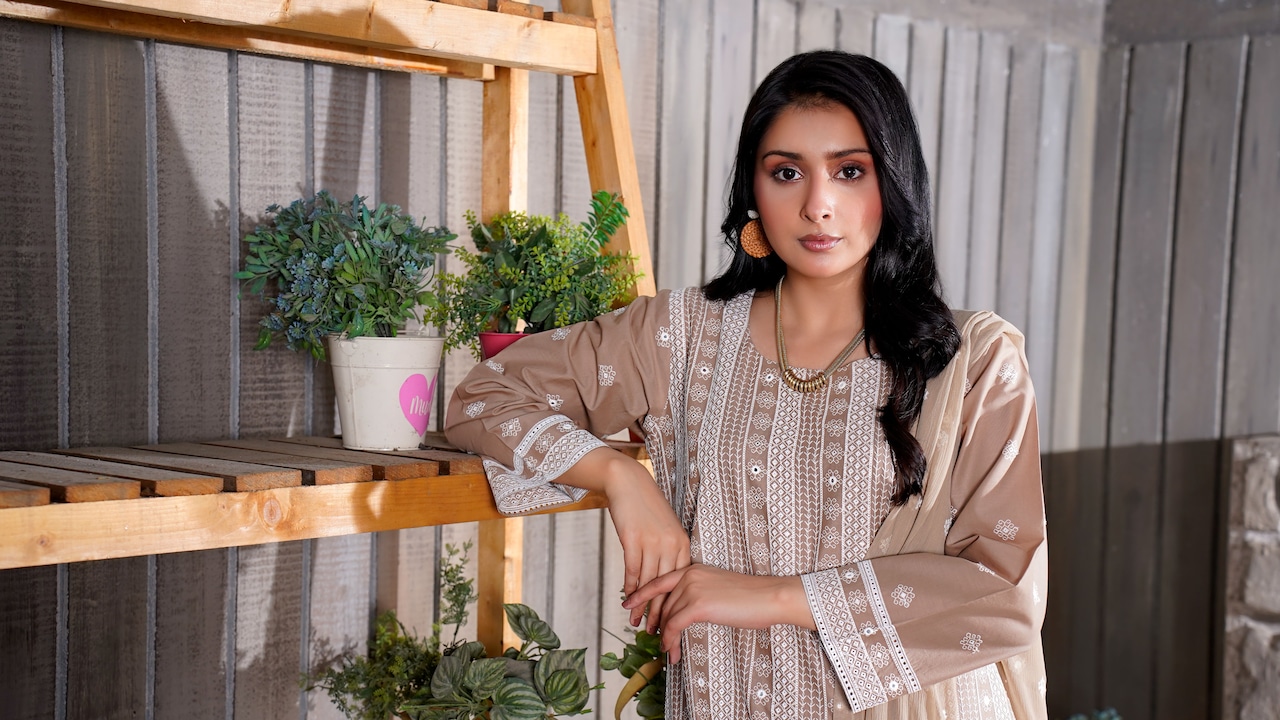
How To Stop Chikankari Kurtas From Looking See-Through In Sunlight; Photo Credit: Pexels
Layering Smartly Without Feeling Suffocated
Layering sounds easy until summer temperatures hit uncomfortable levels. Nobody wants to feel wrapped in blankets while attending a daytime function in May. The trick lies in strategic layering rather than heavy layering.
Light camisoles can provide enough coverage under slightly sheer kurtas without adding unnecessary warmth. Ribbed cotton camisoles work particularly well because they absorb sweat and prevent fabric from sticking awkwardly to the body.
For office wear, cropped inner tanks often feel more practical than full slips. They provide chest coverage while allowing airflow around the lower half of the outfit. This small styling trick makes chikankari kurtas much easier to wear during long commutes and crowded metro rides.
Another clever option involves pairing transparent kurtas with stylish bralettes designed intentionally for visibility. Neutral-toned bralettes with clean cuts can look tasteful when slight visibility becomes unavoidable.
Dupattas also play an underrated role in smart layering. A strategically draped cotton dupatta creates movement and coverage without making the outfit feel overly styled. Soft organza dupattas add elegance but may not offer enough practical concealment under strong sunlight.
The real secret is balance. Too many layers make chikankari lose its airy beauty. Too few layers invite wardrobe anxiety. The sweet spot lies somewhere comfortably in between.
Sunlight Testing Should Become A Ritual
One of the biggest fashion mistakes happens right before leaving the house. Indoor mirrors rarely reveal how sheer a kurta truly looks outside. Warm bedroom lighting can be deeply misleading.
The smartest habit involves checking the outfit under natural light before stepping out. Standing near a balcony, window, or direct sunlight instantly reveals whether additional layering is needed. It takes less than thirty seconds and prevents hours of discomfort later.
Phone flash tests also help. If a camera flash makes innerwear visible indoors, bright daylight definitely will outdoors. This tiny trick has saved countless people from accidental transparency disasters during daytime events.
Certain fabrics become more transparent once stretched slightly during movement. Sitting, bending, or walking may reveal more than standing still in front of a mirror. A quick movement test gives a more realistic idea of how the outfit behaves during actual wear.
White chikankari paired with dark leggings often creates another issue. Even if upper coverage feels fine, strong sunlight can reveal lower silhouettes unexpectedly. Full-length mirrors near natural lighting help identify these details early.
Fashion confidence rarely comes from expensive outfits alone. It often comes from preparation. Knowing exactly how an outfit behaves outdoors removes unnecessary self-consciousness throughout the day.
Sweat And Humidity Make Transparency Worse
Anyone who has attended an outdoor function during humid weather knows this painful truth. Sweat changes fabric behaviour completely. A kurta that looked perfectly opaque indoors can suddenly cling and turn translucent after fifteen minutes outside.
Light cotton chikankari absorbs moisture quickly. Once damp, the fabric sticks closer to the skin and increases visibility around innerwear seams and body contours. Pastel shades become especially vulnerable.
Breathable innerwear helps reduce this problem significantly. Moisture-wicking camisoles and lightweight cotton slips create a protective barrier between skin and kurta fabric. They absorb sweat before it reaches the outer layer.
Loose-fitting kurtas also perform better in humidity than fitted silhouettes. Air circulation prevents fabric from sticking aggressively against the body. This explains why relaxed chikankari styles feel effortlessly elegant during summer gatherings.
Another underrated trick involves carrying a light stole or dupatta even if it is not part of the original outfit plan. Unexpected humidity, sweat patches, or sudden sunlight become much easier to manage with an extra layer nearby.
Compact anti-sweat pads and body powders have also become popular among women who frequently wear light-coloured outfits during hot weather. Small practical additions often make more of a difference than expensive styling hacks.
Comfort and confidence remain deeply connected. Nobody enjoys adjusting transparent clothing every few minutes while trying to enjoy dinner or pose for photographs.
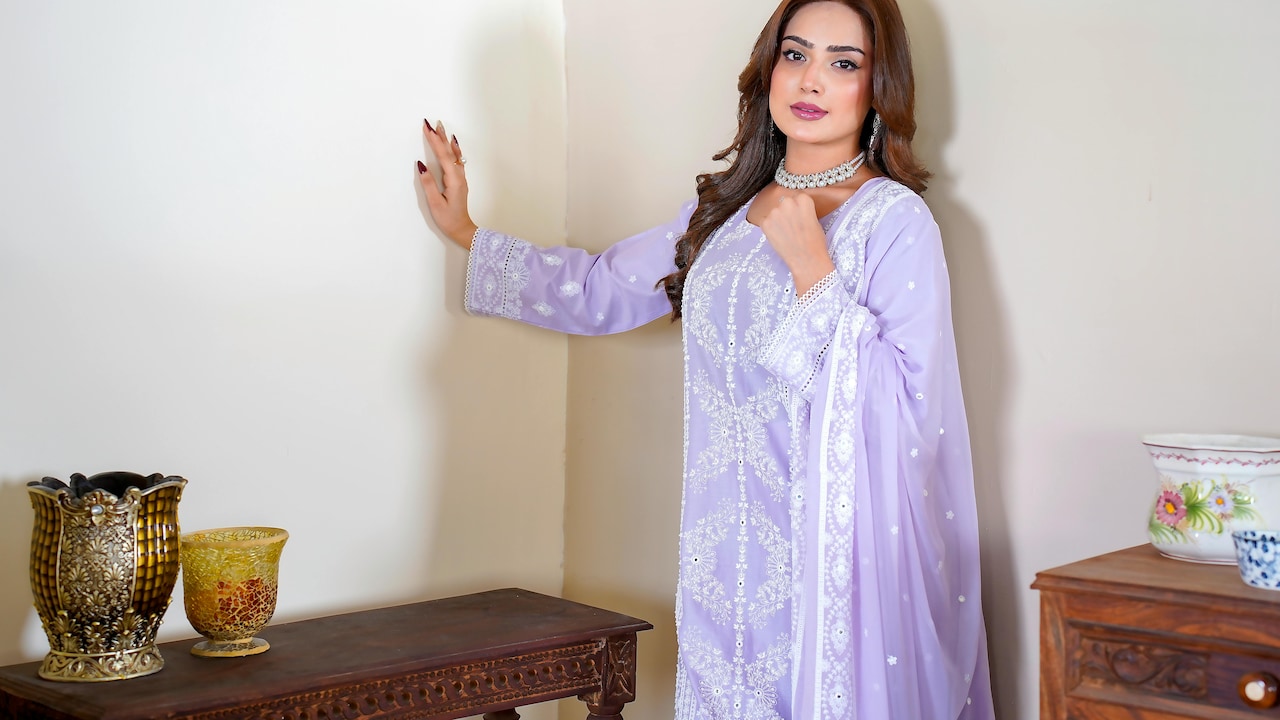
How To Stop Chikankari Kurtas From Looking See-Through In Sunlight; Photo Credit: Pexels
Skin-Toned Shorts Solve More Problems Than Expected
Transparency concerns are not always limited to the upper half. Certain chikankari kurtas become unexpectedly sheer around the thigh and hip area, especially when paired with leggings.
Skin-toned shorts offer an easy solution without compromising comfort. Soft cycling shorts or seamless shaping shorts create discreet coverage underneath lightweight fabrics. They also prevent awkward clinginess caused by humidity and movement.
This trick works particularly well for travel days and long events involving constant sitting and walking. Lightweight shorts prevent visible outlines while making the outfit feel more secure overall.
Many women avoid shapewear because older versions felt restrictive and uncomfortable. Modern seamless shorts feel far lighter and more breathable. They smooth the silhouette gently without creating stiffness.
There is also practical freedom in knowing sudden gusts of wind or strong sunlight will not create embarrassing moments. Confidence quietly improves once wardrobe worries disappear.
Neutral shorts around ₹700 to ₹1,800 have become surprisingly versatile wardrobe basics. They work under dresses, sarees, linen trousers, and chikankari kurtas alike.
The goal is not to hide the beauty of delicate fabrics. The goal is wearing them comfortably enough to actually enjoy the day instead of worrying about accidental transparency in every reflective surface nearby.
Colour Choice Matters More Than Most Realise
White chikankari may dominate wardrobes, but softer shades often behave differently under sunlight. Ivory, blush pink, butter yellow, powder blue, sage green, and peach usually offer slightly better opacity than pure white.
Dense embroidery patterns also create more natural coverage. Kurtas with heavily embroidered fronts tend to reveal less compared to minimal designs with sparse threadwork. Fabric layering beneath embroidery naturally reduces transparency.
Printed inner layers can create problems, too. Brightly patterned bras or camisoles often peek through delicate fabrics in distracting ways. Solid neutral shades remain the safest option.
Dark innerwear under light kurtas almost always becomes visible outdoors. Even navy blue or maroon can show through white cotton under harsh sunlight. Nude shades continue winning because they blend naturally rather than competing visually.
Many boutique trial rooms use flattering yellow lighting that hides transparency issues beautifully. That dreamy mirror moment can become very different under afternoon sunshine outside the store. Carrying a phone torch during shopping sometimes helps test fabric opacity more realistically.
Chikankari remains timeless precisely because of its softness and delicacy. Expecting thick opaque coverage from airy embroidered cotton often leads to disappointment. Understanding fabric behaviour allows smarter styling decisions instead of endless frustration.
Confidence Is The Best Styling Trick Of All
Every woman has experienced at least one outfit betrayal story. A kurta that looked elegant indoors, suddenly turning transparent outdoors, sits high on that list. It feels awkward, annoying, and occasionally panic-inducing.
But transparency issues do not mean delicate chikankari deserves exile from the wardrobe. A few thoughtful innerwear choices completely transform the experience. Once the practical side gets sorted, chikankari returns to being what it should always be, graceful, comfortable and effortlessly stylish.
Fashion should not feel like a survival challenge. Nobody wants to spend brunch worrying whether sunlight has exposed their bra straps to the entire café. The right slip, seamless bra, or neutral shorts quietly remove that anxiety.
There is also something charming about how these tiny styling secrets pass between sisters, cousins, college friends, and office colleagues. One person discovers nude slips work brilliantly under white kurtas, and suddenly everyone starts shopping for them before the festive season sales begin.
The beauty of chikankari lies in its softness, craftsmanship, and ease. Innerwear should support that elegance rather than complicate it. Once the right foundation pieces enter the wardrobe, those dreamy white kurtas finally become wearable beyond carefully controlled indoor lighting.
Products Related To This Article
1. PARAMOUNT CHIKAN Women Georgette Ethnic Motifs Embroidered Chikankari Kurtas
2. MALABIS Chikankari Embroidered Straight Kurtas
3. House of Chikankari Women Embroidered Chikankari Kurta
4. KALINI Pailey Embroidered Chikankari Shadow Work Georgette Straight Kurta
5. Anouk Floral Embroidered Round Neck Chikankari Straight Kurta
6. Uparna Women Blue Kurtas
7. Tulip Eden Floral Embroidered Notch Neck Chikankari Straight Kurta
Chikankari kurtas may look delicate and dreamy, but bright outdoor light often exposes their transparent side faster than expected. The solution, thankfully, does not involve giving up these timeless outfits. Smart innerwear choices make all the difference.
Nude seamless bras, breathable slips, lightweight camisoles, skin-toned shorts, and thoughtful layering help maintain both comfort and elegance. Add a quick sunlight test before leaving home, and most wardrobe mishaps disappear before they even begin.
Style should feel freeing, not stressful. The right innerwear creates that freedom quietly in the background. Instead of constantly adjusting dupattas or worrying about visibility, attention returns to enjoying the softness, charm, and effortless beauty that made chikankari special in the first place.
(Disclaimer: This article may include references to or features of products and services made available through affiliate marketing campaigns. NDTV Convergence Limited (“NDTV”) strives to maintain editorial independence while participating in such campaigns. NDTV does not assume responsibility for the performance or claims of any featured products or services.)