Choosing The Best Closed-Toe Flats For Cold Mornings: Comfort, Warmth and Style
Cold mornings demand smarter footwear. This guide explains how to choose closed-toe flats that offer warmth, comfort and style, helping you stay comfortable and polished during chilly starts without compromising on practicality.
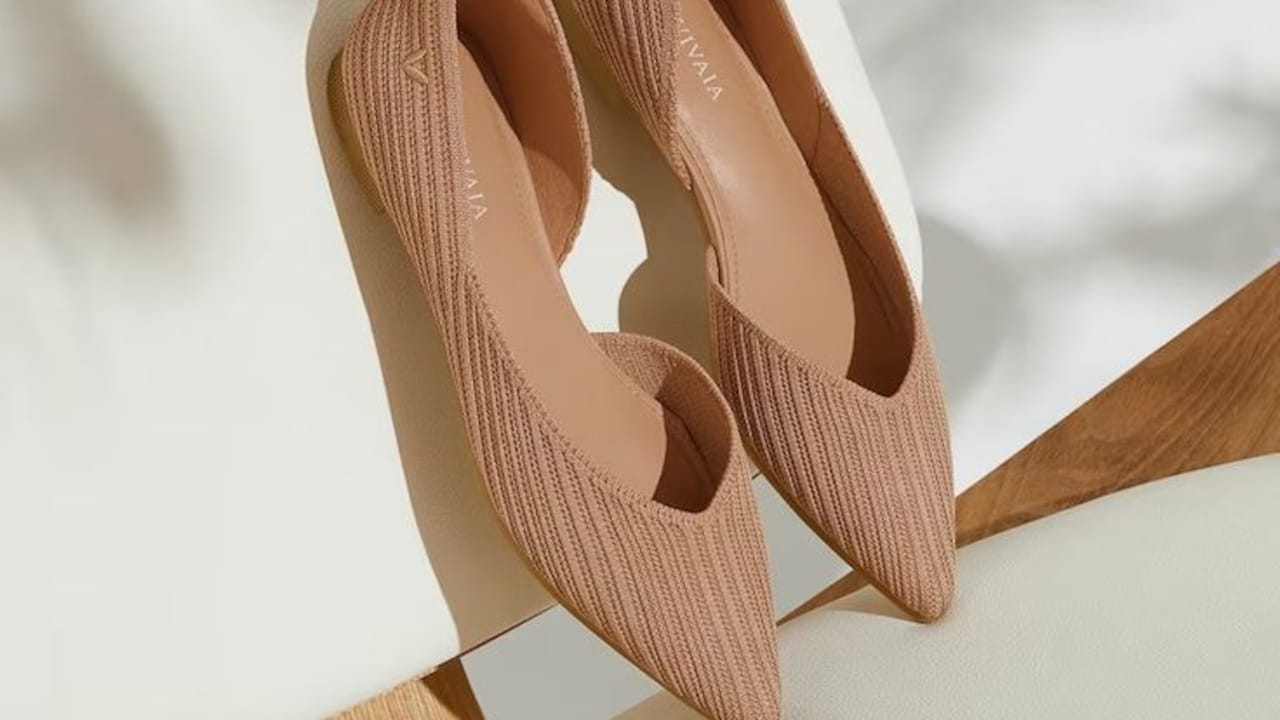
How To Choose Closed-Toe Flats For Cold Mornings Without Sacrificing Style, Warmth Or Comfort.
Cold mornings test patience and wardrobes alike. The alarm rings earlier than comfort allows, the floor feels colder than expected, and stepping outside becomes a small daily adventure. Footwear plays a bigger role than it gets credit for during these hours. Closed-toe flats offer a reliable solution for those who want warmth without the weight of boots or the fuss of laces.
The right pair can lift the mood before the first cup of chai even cools down. A poor choice, however, can turn the walk to work or college into a slow, regret-filled shuffle. Choosing closed-toe flats is less about trends and more about understanding daily routines, weather quirks, and personal comfort.

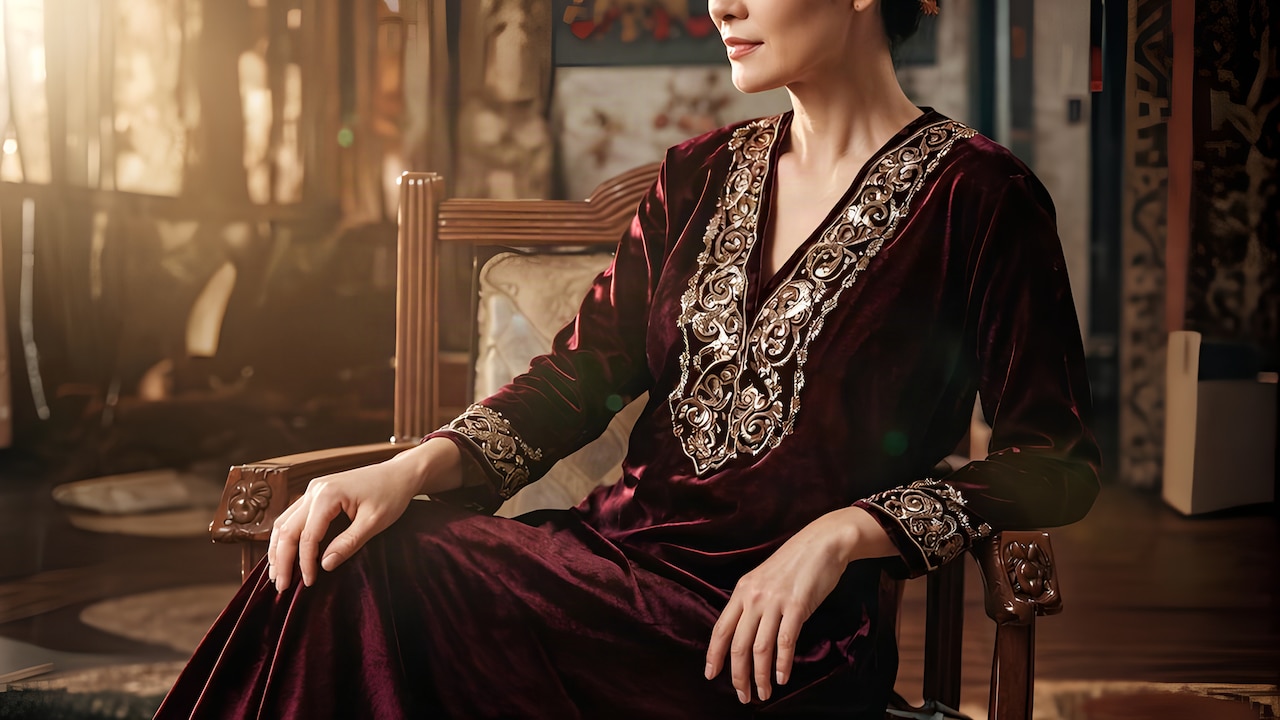
How To Choose Closed-Toe Flats For Cold Mornings Without Sacrificing Style, Warmth Or Comfort.; Photo Credit: Pexels
Smart Shoe Choices That Make Cold Mornings Easier
1. Prioritise Warmth Without Bulk
Cold mornings call for shoes that trap warmth yet feel light on the feet. Closed-toe flats should hug gently, not suffocate. Materials like faux leather, suede finishes, or tightly woven fabrics help keep warmth in without adding unnecessary weight. Thin soles often fail during winter, as cold creeps up from the ground. A slightly cushioned sole creates a barrier and adds comfort.
Bulky designs may seem tempting, but can feel clumsy during long walks or busy commutes. Flats should slide on easily and move with the foot. Look for designs that feel cosy the moment they slip on, almost like a reassuring blanket. Warmth should feel effortless, not engineered. When feet stay warm without feeling weighed down, mornings start on a calmer note.
2. Choose the Right Inner Lining
The inside of a shoe matters more than the outer shine during colder months. Inner linings such as soft fleece, brushed fabric, or padded insoles make a noticeable difference. These linings prevent the sudden shock of cold material against the skin. They also help retain body heat during long hours outside.
Poor lining often leads to discomfort by mid-morning. Feet begin to feel stiff, and focus drifts away from tasks. Breathable linings work best, as they balance warmth with airflow. This prevents sweating, which later causes chills. A good lining feels gentle and dry throughout the day. Closed-toe flats with thoughtful interiors turn winter mornings from harsh to bearable without any dramatic effort.
Also Read: One-Toe Flats Hurting? Causes of Toe Bite and Fit Fixes That Work
3. Pay Attention to the Sole Grip
Winter mornings sometimes bring dew, fog, or damp pavements. Slippery soles can ruin an otherwise good pair of flats. A sturdy sole with subtle grip patterns adds stability and confidence while walking. Rubberised or textured soles work better than smooth finishes during colder months.
Grip does not mean stiffness. The sole should bend naturally with each step. Flats that feel rigid often cause fatigue, especially during longer commutes. Testing flexibility before buying helps avoid this issue. A good sole supports balance without drawing attention to itself. When steps feel secure, the mind relaxes. That calm feeling sets the tone for the rest of the day.
4. Consider Toe Shape for Comfort
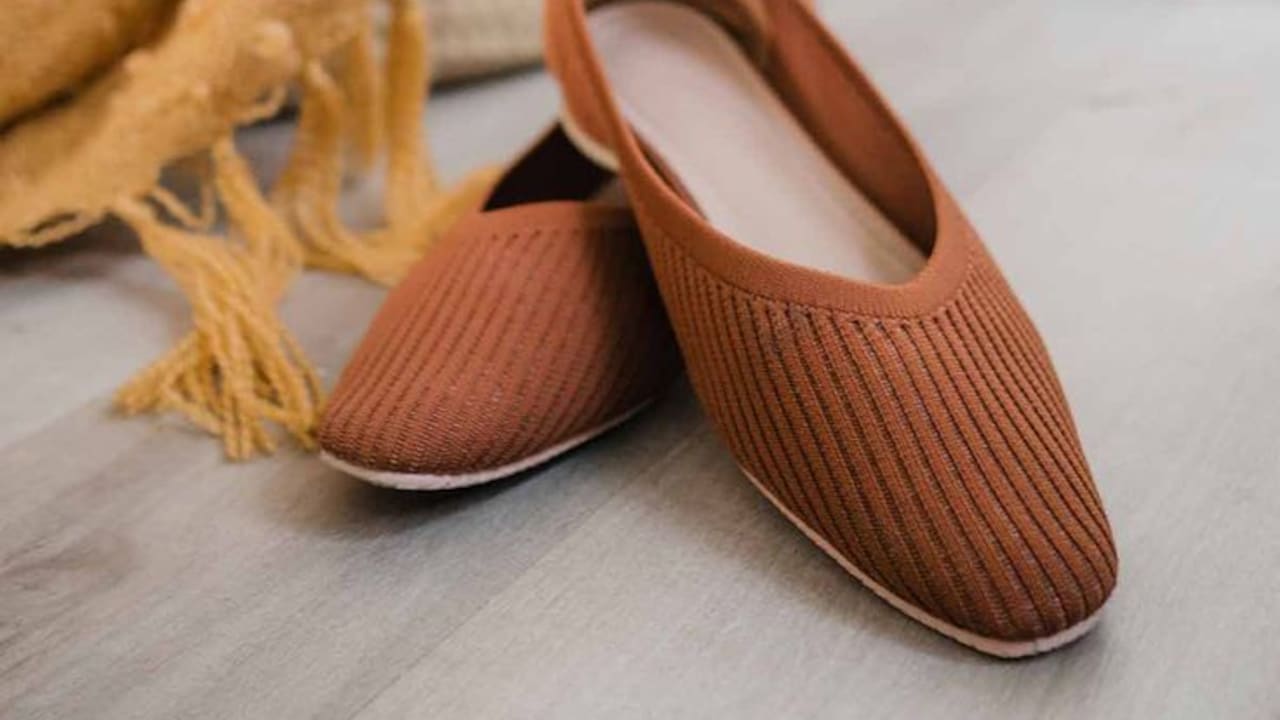
Toe shape affects warmth and comfort more than most realise. Narrow or sharply pointed toes may look stylish, but restrict movement. During cold mornings, toes need space to stay warm. Rounded or almond-shaped toes offer better circulation and comfort.
Crowded toes feel colder faster. They also lead to soreness by midday. Closed-toe flats should allow toes to wiggle slightly. This small detail makes a big difference during long hours of wear. Comfort does not cancel style. Many elegant designs now feature gentle curves that flatter the foot while keeping warmth intact. A relaxed toe box keeps mornings peaceful and feet happy.
How To Choose Closed-Toe Flats For Cold Mornings Without Sacrificing Style, Warmth Or Comfort.; Photo Credit: Pexels
5. Balance Style With Practicality
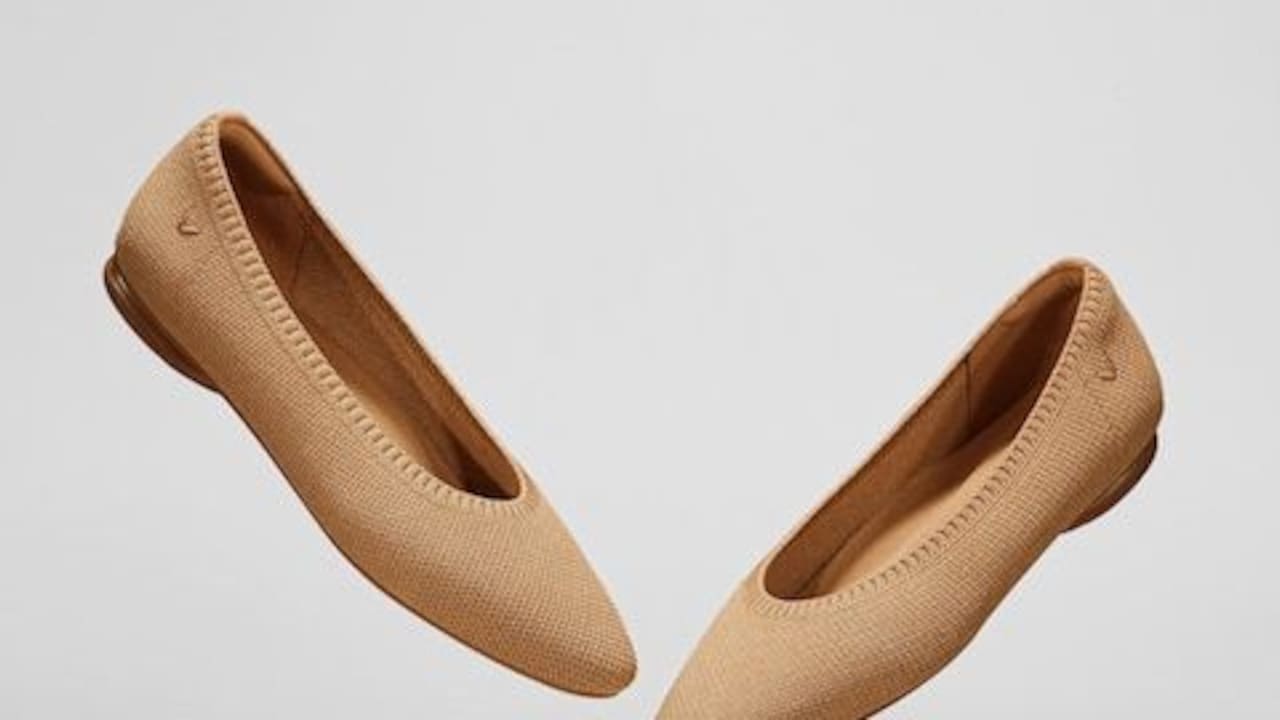
Cold mornings still deserve good style. Closed-toe flats should complement winter outfits without looking dull. Neutral shades like tan, black, navy, or muted browns work well with layered clothing. Subtle textures or minimal detailing add character without overpowering the look.
Practicality matters just as much. Avoid delicate embellishments that struggle with daily wear or moisture. Shoes should handle busy days, sudden errands, and unexpected weather changes. The best pairs blend seamlessly into daily life. They look polished yet feel easy. When style and function meet halfway, mornings feel less rushed and more put together.
6. Think About Sock Compatibility
Socks often become an afterthought, but play a vital role during cold mornings. Closed-toe flats should accommodate thin socks comfortably. Tight fits leave no room for layering and reduce warmth. A slightly relaxed fit allows flexibility without looking bulky.
Invisible socks or low-rise wool blends work well with flats. They add warmth while maintaining a clean look. Testing shoes with socks avoids surprises later. Comfort comes from planning ahead. When flats and socks work together, feet stay warm without constant adjustments. This small consideration saves time and irritation during early hours.
7. Check for All-Day Comfort
Cold mornings often lead to long days. Flats should support feet beyond the first few hours. Cushioned insoles and arch support reduce strain. Thin, flat bases may look sleek, but often cause discomfort by evening.
Comfort shows itself slowly. Shoes that feel fine initially may reveal flaws later. Walking around in-store or at home helps identify pressure points. Closed-toe flats should feel forgiving, not demanding. They should support natural movement without forcing posture changes. Comfortable shoes allow focus on the day ahead rather than counting steps until home.
How To Choose Closed-Toe Flats For Cold Mornings Without Sacrificing Style, Warmth Or Comfort.; Photo Credit: Pexels
8. Durability Matters More in Winter
Cold weather exposes shoes to moisture, dust, and rough surfaces. Closed-toe flats should withstand these conditions without losing shape. Sturdy stitching, quality materials, and firm soles indicate durability.
Cheap finishes often crack or peel during winter. Investing in reliable construction saves money and frustration in the long run. Durable flats age gracefully and continue to look presentable. They handle daily wear without constant repairs. Reliability brings peace of mind. When shoes hold up well, mornings feel smoother and less stressful.
9. Ease of Wear Saves Time
Cold mornings rarely allow extra minutes. Closed-toe flats should slip on easily without stubborn straps or stiff backs. Flexible openings and soft heel counters make dressing quicker.
Shoes that require constant adjustment slow everything down. A smooth fit encourages confidence and speed. This matters during busy schedules or early starts. Ease of wear may seem minor, but adds up over time. Flats that cooperate make mornings kinder. They allow focus on the day rather than footwear battles.
10. Choose Designs That Match Daily Life
Lifestyle shapes footwear needs. Flats for office routines differ from those for college days or casual outings. Closed-toe flats should align with daily movement, dress codes, and personal rhythm.
Simple designs suit busy schedules, while subtle detailing adds charm for social settings. Versatile pairs reduce wardrobe stress. They transition smoothly from morning to evening. Shoes that fit life, rather than force adjustments, feel like quiet allies. Thoughtful choices reflect self-awareness. When footwear matches routine, cold mornings lose their edge.
Products Related To This Article
1. DEAS Textured Peep Toe Leather Ballerinas
2. Truffle Collection PU Wedge Peep Toes
3. House of Pataudi Leather Embellished Ethnic Mules
4. CHINRAAG Women Mojaris Flats
5. Denill Women Mules Flats
6. CHINRAAG Women Mojaris Flats
7. Stylestry Women Pointed Toe Mules
Cold mornings do not need to feel uncomfortable or uninspired. Closed-toe flats offer a simple yet effective solution when chosen thoughtfully. Warmth, comfort, and style can coexist without compromise. Small details like lining, sole grip, and toe shape create noticeable differences in daily comfort. With dependable closed-toe flats, mornings feel less cold and far more welcoming.
(Disclaimer: This article may include references to or features of products and services made available through affiliate marketing campaigns. NDTV Convergence Limited (“NDTV”) strives to maintain editorial independence while participating in such campaigns. NDTV does not assume responsibility for the performance or claims of any featured products or services.)