Clutch vs Potli: Which Bag Suits Your Ganesh Chaturthi Look
Clutch vs potli – which bag works best for Ganesh Chaturthi? Explore styling tips, fabric choices, and outfit pairings to nail your festive look this year.
Tips to choose the right companion for your festive look between clutch vs potli
Ganesh Chaturthi is that one festival where your entire look deserves equal thought, from your outfit right down to the bag on your arm. Whether you are draping a silk saree, slipping into a sharara, or wearing an anarkali, the bag you carry quietly completes everything. Two options come up every year – the clutch and the potli. Both are elegant. Both are festive. But they carry entirely different energies, and with so many beautiful options available on Amazon, knowing which one suits your look can honestly make a real difference to your overall appearance.
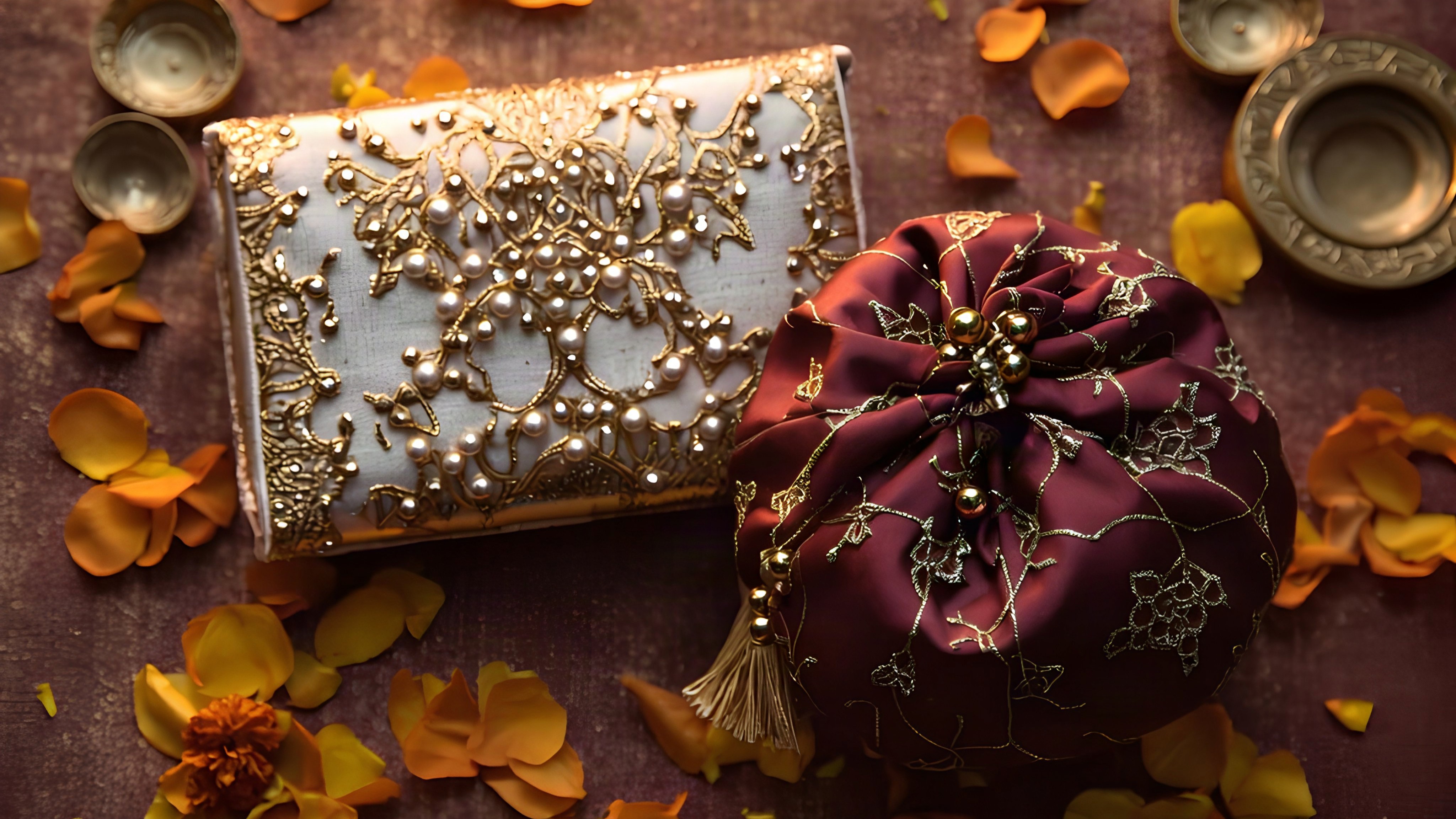
Clutch vs Potli: Understanding the Difference First
Photo Credit: iStock
The choice between a clutch and a potli is not just a practical one. It's all about getting the right mood to go with your outfit, the event, and your own personal style all throughout the festivities. The right bag can really complete your festive look, so it's worth giving it some thought beforehand.
Also Read: These 5 Clutches Are The Closest Thing To Wearable Art
Clutch vs Potli: Understanding the Difference First
Before deciding, it helps to understand what each bag actually offers.
1. What Is a Clutch and Why Do People Love It?
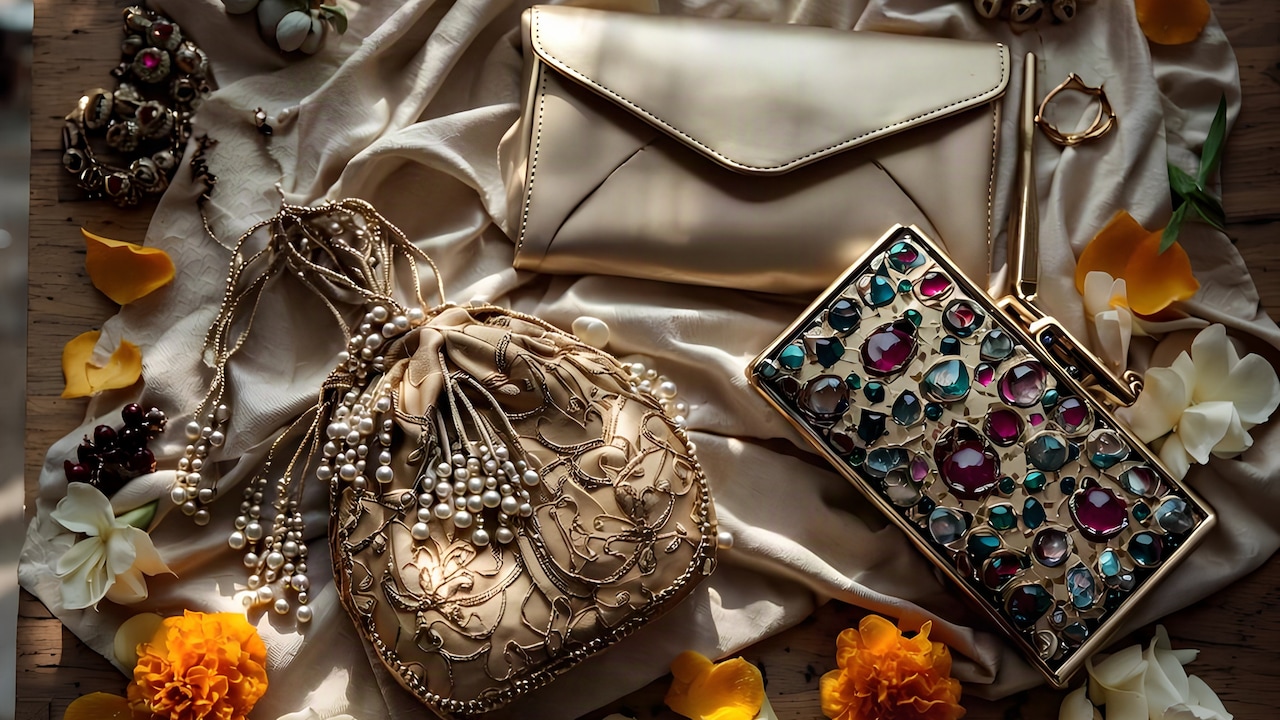
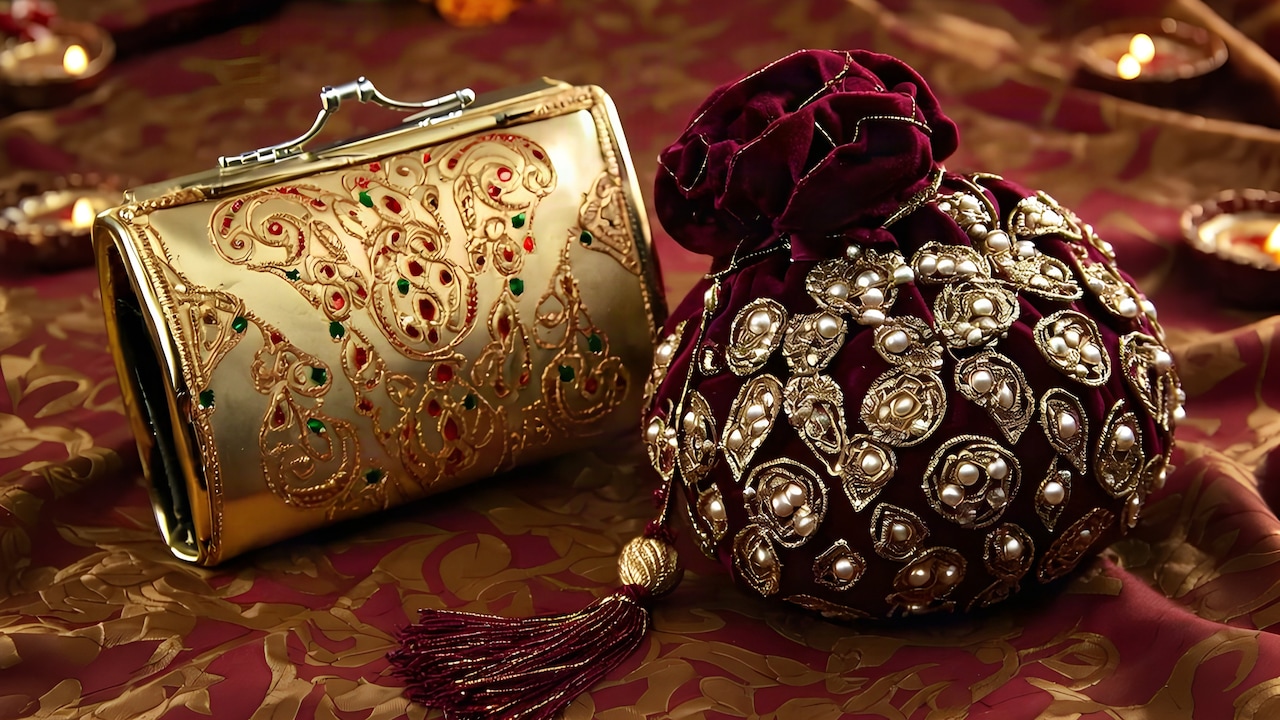
A clutch is a small, flat, structured bag without handles, typically carried in the hand or under the arm. Clutches often come in embroidered fabrics, metallic finishes or with heavy embellishments for special occasions. They have a sleek silhouette that reads modern and polished so they remain such a popular choice for celebrations like Ganesh Chaturthi across age groups.
2. What Makes a Potli So Special?
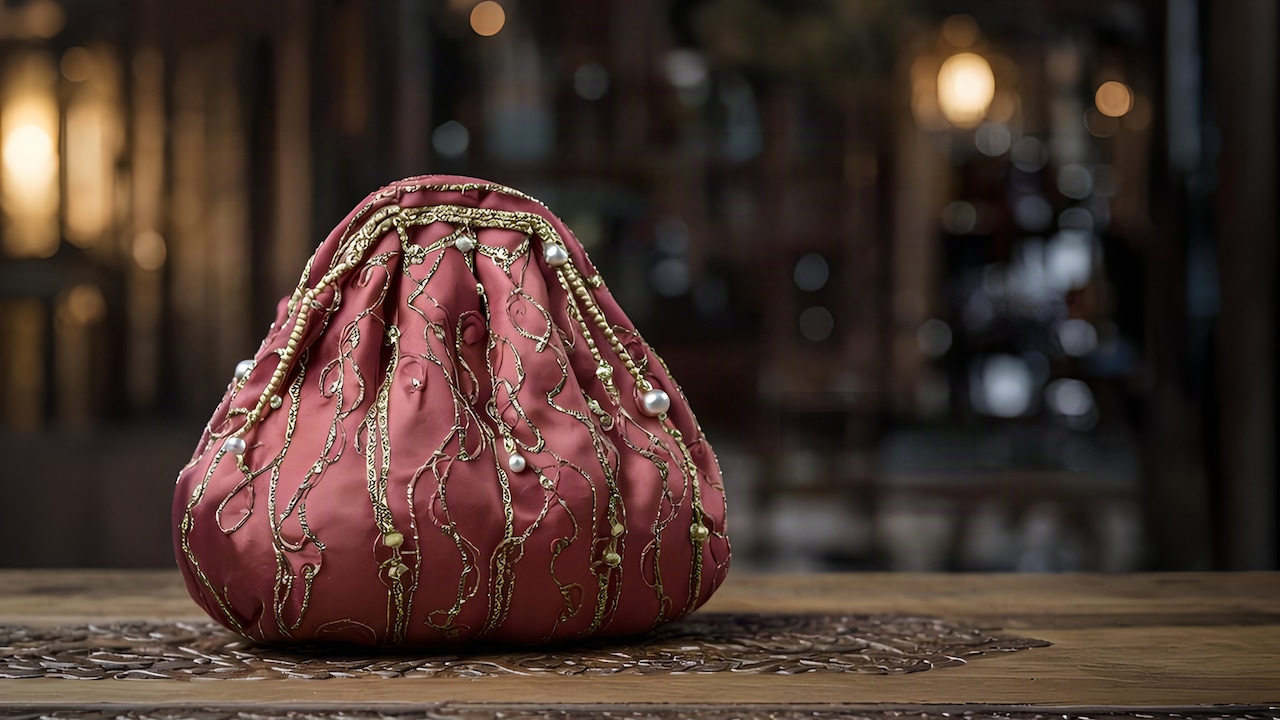
A potli is a traditional drawstring bag made of rich fabrics like silk, brocade, velvet or zardozi-worked cloth. It is gathered at the top into a decorative cord and is usually worn in the hand or looped around the wrist. Potlis are festive by nature and have a strong association with Indian tradition and hence form a natural partner for classic Indian outfits. They have a warmth about them and a richness of culture that is particularly difficult to replicate in other bags.
Which Bag Works Best With Your Festive Outfit?
The answer really depends on what you are wearing and the overall aesthetic you want to carry through the day.
1. Pairing a Clutch With Contemporary Festive Wear
If you are wearing a contemporary lehenga with minimal embellishment, a structured silk-blend or metallic clutch works beautifully. It keeps the look streamlined and stops it from feeling too busy. For Indo-Western fusion outfits, like a crop top paired with a flared skirt or wide-leg trousers with a kurta, a clutch tends to feel much more fitting than a potli would. The clean lines of a clutch complement those modern silhouettes without clashing.
2. When a Potli Elevates a Traditional Look
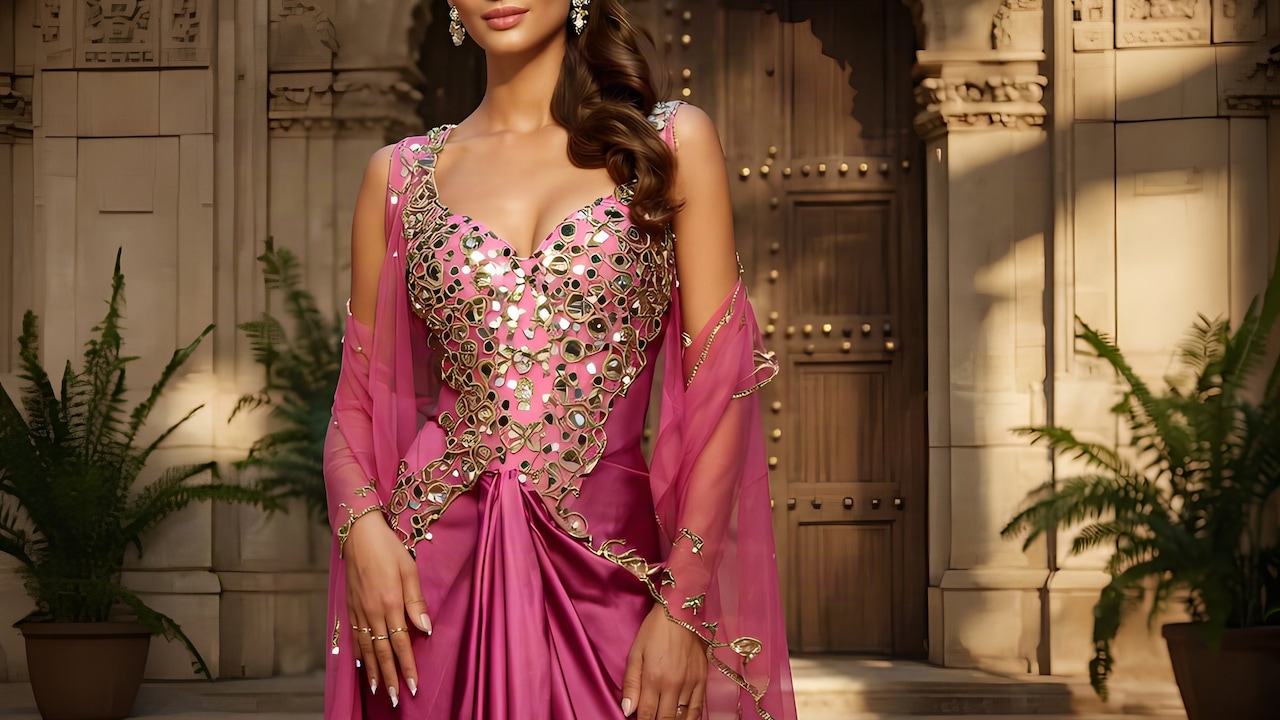
If you are wearing a heavily embroidered saree, a traditional anarkali, or a classic Paithani, a potli genuinely elevates the whole look. The handcrafted quality of a potli – especially one made from zari work or mirror embroidery – reflects the craftsmanship already found in traditional Indian garments. It feels cohesive rather than like an afterthought. A potli also adds a lovely textural element when your outfit is quite smooth or minimally adorned, giving the overall look a bit more visual interest.
Considering Practicality on a Festival Day
Ganesh Chaturthi often involves movement – visiting pandals, taking part in aarti, and possibly joining a procession. Practicality does matter.
1. How Much Can You Actually Carry?
A clutch typically holds the essentials: your phone, a bit of cash, a lip colour, and your keys. That is usually enough for an evening puja or a short festive outing. A potli, on the other hand, tends to offer slightly more room because of its gathered drawstring design. You can tuck in small offerings, a handkerchief, or some extra items without it looking overstuffed. If you are planning a longer day out, a potli might actually serve you better.
2. Ease of Carrying Throughout the Day
Clutches require you to hold them consciously, which can feel a bit restrictive when you are performing rituals or joining in with the celebrations. Potlis, with their wrist-loop design, leave your hands somewhat freer. This is a small but genuinely useful advantage during a festival that involves a fair amount of active participation.
Colour and Fabric: Making the Right Match
Getting the colour and fabric right is just as important as choosing the right style.
1. Matching Your Bag to Your Outfit's Colour Palette
With a clutch, you can either choose a complementary colour or opt for a deliberate contrast. A gold or silver clutch, for instance, goes with almost anything and always looks appropriate at a festive gathering. With a potli, leaning into similar tones as your outfit – or choosing a fabric that echoes the embroidery or print – tends to create a more harmonious and intentional overall look.
2. Fabric Choices That Feel Genuinely Festive
For Ganesh Chaturthi, silk, brocade, velvet, and zardozi fabric potlis feel appropriately celebratory. For clutches, embroidered fabric, sequinned mesh, or metallic satin all read as suitably festive without crossing into overdressed territory. Avoid anything too casual, like canvas or plain cotton, as these tend to undercut the effort you have put into the rest of your look.
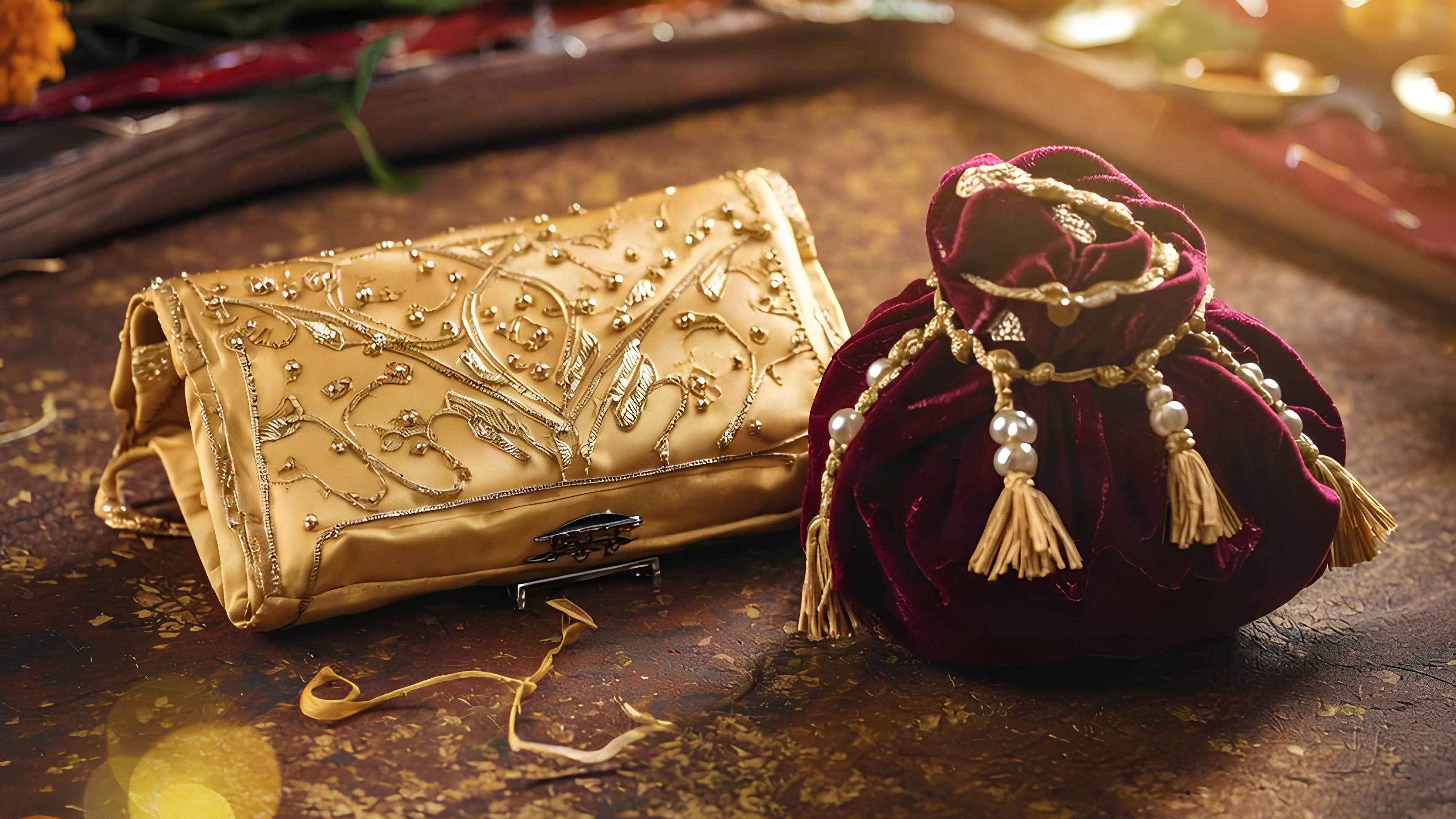
Some Products You May Like
Photo Credit: iStock
Some Products You May Like
1. INOVERA Women's Evening Hand Clutch
2. SAINIK'S – Travelling potli
3. ADISA Women's Girls' Clutch Bag
4. Mochi Fashionable Faux Leather Party Clutch
5. MASQ by Q-One Embellished Silk Potli Bag
6. Lavie Women's Eira Bow Crush Envelope Clutch
7. ITALISH Silk Blend Potli Bags
8. Lavie Women's Amara Round Potli
Frequently Asked Questions (FAQs)
1. Can I carry a potli with a modern outfit?
Yes, absolutely. A simple potli in a rich fabric can add a traditional touch to a modern outfit without looking mismatched. It actually works as a lovely contrast element.
2. Are clutches suitable for daytime Ganesh Chaturthi celebrations?
Yes, lighter-coloured or embroidered clutches are ideal for daytime events. Save the heavily embellished or metallic ones for evening celebrations or more formal gatherings.
3. Which bag style is more versatile for different festive occasions?
A clutch tends to be slightly more versatile across different events, though a well-chosen potli can also be carried across multiple festive occasions throughout the season.
4. What colour bag should I avoid for Ganesh Chaturthi?
There are no strict rules, but black is traditionally avoided at many auspicious Indian festivals. Opt for brighter, richer tones or classic golds and creams instead.
5. Can I use the same bag for multiple festivals?
Yes, both clutches and potlis in neutral or classic colours can be reused across different festive occasions, making them a worthwhile investment for the season.
(Disclaimer: This article may include references to or features of products and services made available through affiliate marketing campaigns. NDTV Convergence Limited (“NDTV”) strives to maintain editorial independence while participating in such campaigns. NDTV does not assume responsibility for the performance or claims of any featured products or services.)